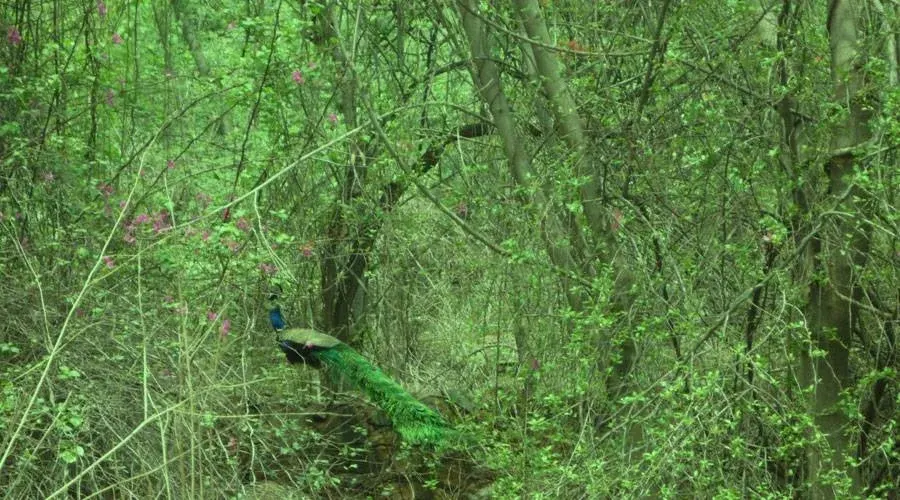
Delhi Ridge
The Delhi Ridge, an extension of the ancient Aravalli Hill Range, is a rocky, forested landscape that defines the unique geography of the National Capital Territory (NCT) of Delhi. Often called the green lungs of Delhi, this ecological treasure plays a vital role in combating urban pollution, regulating temperature, and providing a serene escape for nature enthusiasts. Stretching across South Delhi and parts of North and West Delhi, the Ridge not only enriches the city’s biodiversity but also carries deep historical and cultural significance.
History and Significance
The Delhi Ridge is the tail end of the Aravalli Hills, one of the oldest mountain ranges in the world, dating back approximately 1,500 million years. The Aravallis originate in Gujarat, pass through Rajasthan and Haryana, and culminate in Delhi, forming a natural barrier against desertification. Historically, the Ridge has served multiple purposes:
- Defense: Ancient rulers used its strategic elevation for fortifications.
- Water Management: It contains natural aquifers and old step wells that supported local settlements.
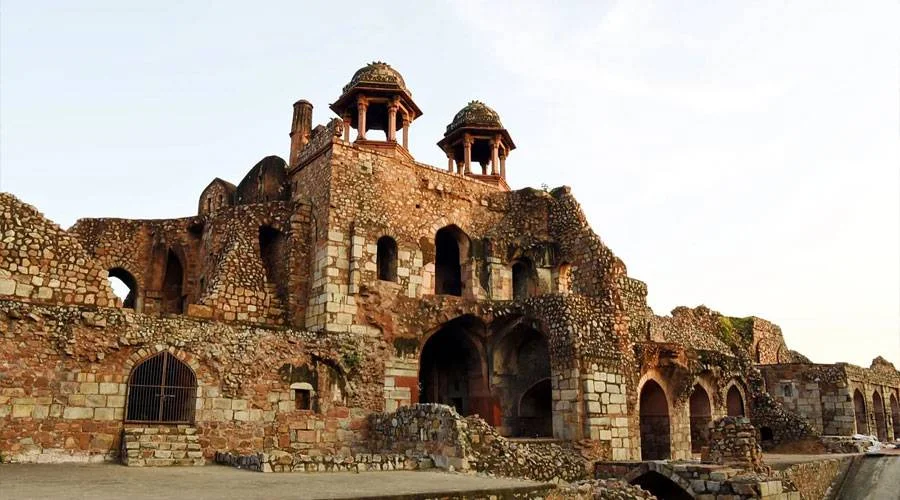
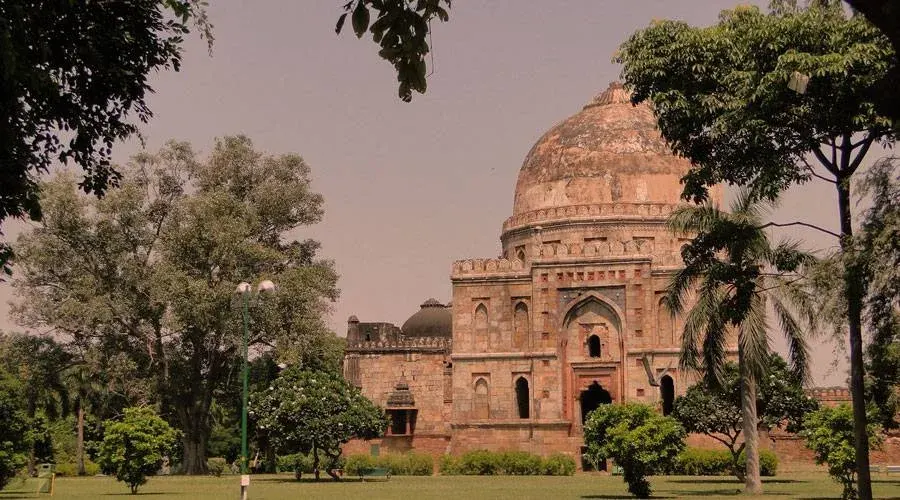
- Heritage: The Ridge area is dotted with historic monuments, including forts, tombs, and colonial-era buildings.
Flora and Fauna
Delhi Ridge is home to a diverse ecosystem. It shelters a wide variety of native plants, trees, and shrubs, including species such as neem, acacia, peepal, and kikar. The Ridge also supports wildlife such as:
- Birds: Indian peafowl, sparrows, parakeets, owls, and migratory species.
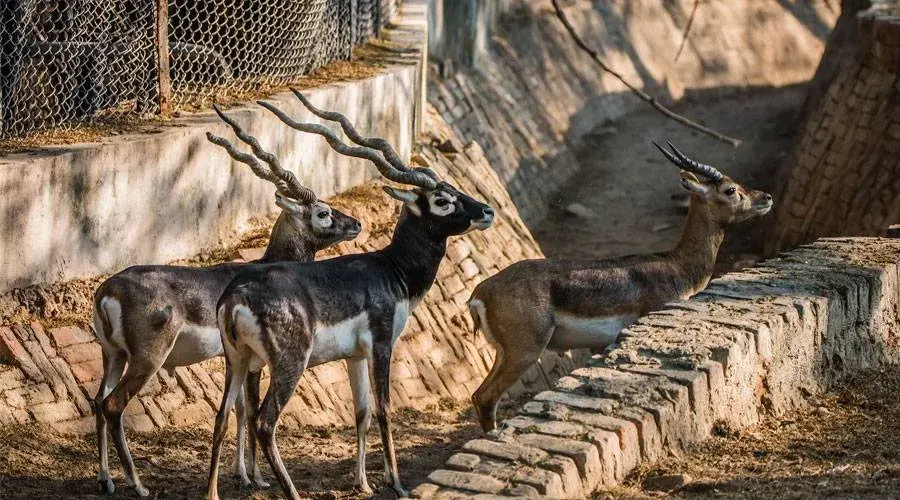
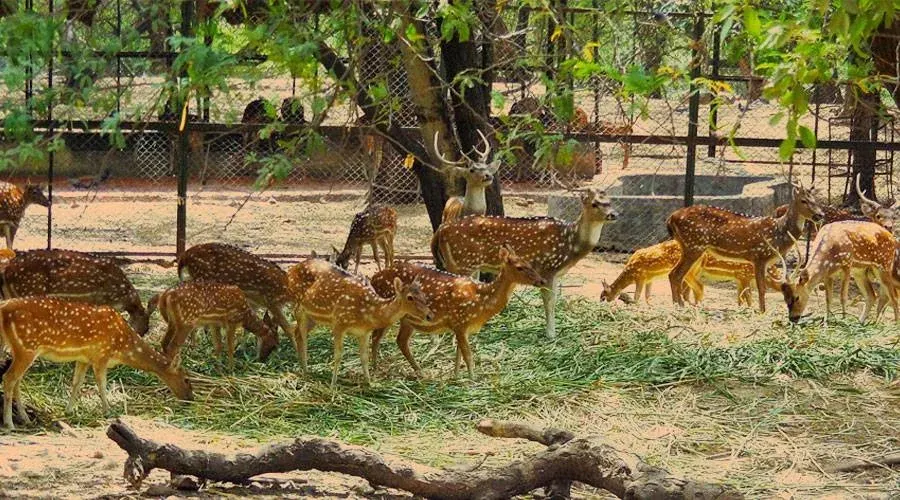
- Mammals: Jackals, mongoose, Indian hare, and occasional foxes.
- Reptiles and Insects: Monitor lizards, snakes, and a variety of butterflies and beetles.
This biodiversity makes Delhi Ridge a crucial ecological buffer against urbanization, ensuring that Delhi retains a natural green belt within its metropolitan sprawl.
Attractions and Activities
Delhi Ridge is not just about greenery; it also offers several recreational and eco-tourism opportunities:
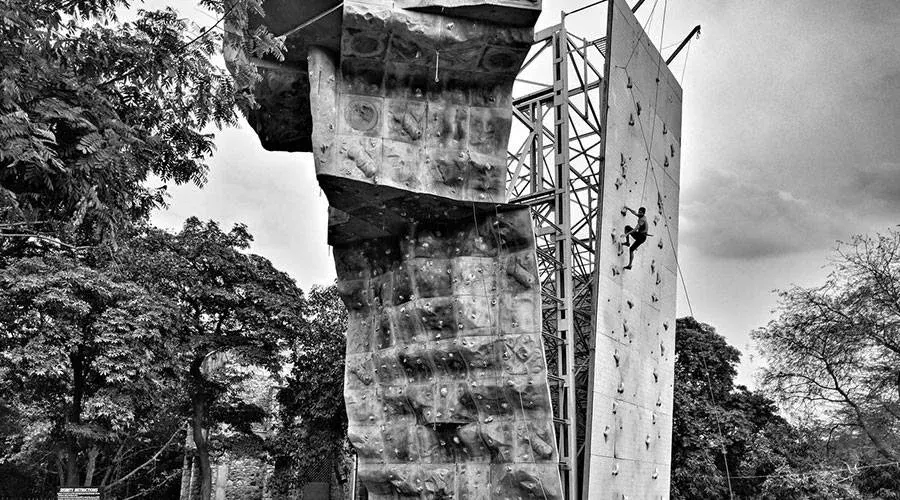
- Trekking and Hiking: Gentle trails and rugged rocky paths make it ideal for trekkers of all levels.
- Bird Watching: Ideal for enthusiasts due to the rich avian diversity.
- Photography: Scenic landscapes and historic ruins provide excellent photo opportunities.
- Nature Walks: Guided walks showcase medicinal plants, indigenous trees, and historical insights.
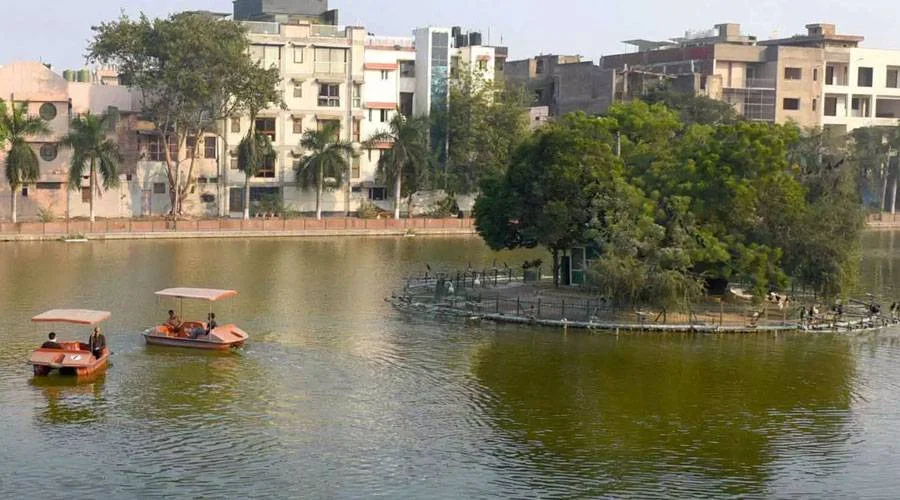
Popular areas within the Ridge include Bhalswa Biodiversity Park, Sanjay Van, and Asola Bhatti Wildlife Sanctuary, each offering unique flora, fauna, and experiences for visitors.
Conservation Efforts
Delhi Ridge faces threats from urban expansion, deforestation, and pollution, making conservation critical. Several initiatives by the Delhi Development Authority (DDA) and environmental organizations focus on:
- Reforestation programs
- Wildlife protection
- Awareness campaigns for sustainable tourism
- Maintenance of trekking trails and green spaces
These efforts aim to ensure that the Ridge continues to act as Delhi’s ecological backbone for generations to come.
Quick Facts about Delhi Ridge
| Feature | Details |
|---|---|
| Location | South Delhi, NCT of Delhi |
| Area | Spread over several sections, including Sanjay Van and Asola Bhatti Wildlife Sanctuary |
| Flora | Neem, Acacia, Peepal, Kikar, medicinal plants |
| Fauna | Peafowl, jackals, mongoose, reptiles, butterflies |
| Activities | Trekking, nature walks, bird watching, photography |
| Nearby Attractions | Hauz Khas, Qutub Minar, Lotus Temple, Asola Bhatti Wildlife Sanctuary |
Travel Tips for Visiting Delhi Ridge
- Best Time to Visit: Early mornings or late afternoons during October to February for pleasant weather. Avoid peak summer midday heat.
- Footwear: Wear comfortable trekking shoes or sturdy sneakers as the terrain is rocky and uneven.
- Hydration: Carry enough water, especially during longer hikes or summer visits.
- Safety: Stick to marked trails and avoid venturing alone into dense forested areas.
- Guided Tours: Consider joining guided nature walks or bird-watching tours for a richer experience.
- Photography: Early morning and late afternoon offer the best natural light and chances to spot wildlife.
- Eco-Friendly Practices: Do not litter, avoid plastic, and respect flora and fauna to help conserve the area.
Nearby Attractions to Explore
Visiting Delhi Ridge gives you easy access to several historical, cultural, and recreational spots in South Delhi:
- Hauz Khas Complex: Historic ruins and a scenic lake surrounded by cafes.
- Qutub Minar: UNESCO World Heritage Site with Indo-Islamic architecture.
- Lotus Temple: Iconic Bahá’í House of Worship known for its serene environment.
- Asola Bhatti Wildlife Sanctuary: Ideal for wildlife spotting and trekking.
- Sanjay Van: A large forested area with walking trails and bird-watching opportunities.
- Mehrauli Archaeological Park: Ancient tombs, step wells, and heritage structures adjacent to the Ridge.
These attractions make a full-day or weekend trip to South Delhi both adventurous and culturally enriching.
The Delhi Ridge is more than just a forested area—it is a living testament to Delhi’s ecological, historical, and cultural heritage. Offering a peaceful retreat from the hustle of the city, it is perfect for nature lovers, history enthusiasts, and adventure seekers alike. By preserving the Ridge, we ensure that Delhi retains its natural green lungs, safeguarding both biodiversity and the well-being of its residents.