Mata Sundri Gurudwara
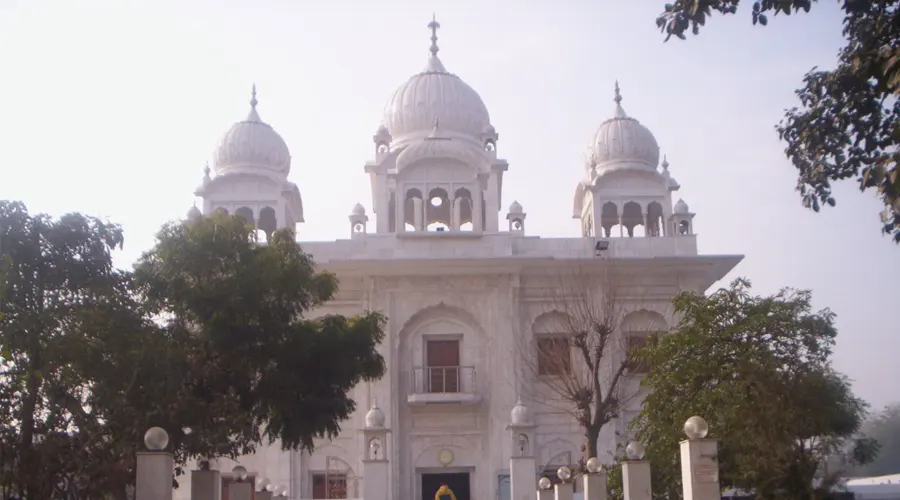
Gurudwara Mata Sundri Ji is a historic Sikh shrine located in Connaught Place, New Delhi, near JP Nayak Hospital. The Gurudwara is dedicated to Mata Sundri Ji, the wife of Guru Gobind Singh Ji, and also commemorates Mata Sahib Kaur, another revered figure in Sikh history.
This sacred site marks the place where Mata Sundri Ji stayed from 1727 until her passing in 1747, guiding the Sikh community and preserving the legacy of Guru Gobind Singh Ji. The Gurudwara is renowned for its serene atmosphere, beautiful gardens, and well-maintained lawns, offering visitors a peaceful space for prayer and reflection.
Historical Significance
Mata Sundri Ji, born as the daughter of Bhai Ram Saran, a Kumarav Khatri of Bijwara in Punjab, was married to Guru Gobind Singh Ji at Anandpur on 4th April 1684. She gave birth to her eldest son, Sahibzada Ajit Singh, on 26th January 1687 at Paonta.
Following the evacuation of Anandpur in 1705, Mata Sundri Ji, along with Mata Sahib Devan, was escorted by Bhai Mani Singh to Delhi. She rejoined Guru Gobind Singh Ji in Talwandi Sabo and later returned to Delhi after his departure for the South. After the passing of Guru Gobind Singh Ji in 1708, Mata Sundri Ji became a spiritual guide for the Sikh community, issuing Hukamnamas under her seal between 1717 and 1730.
Mata Sundri Ji adopted a young boy, naming him Ajit Singh after her late son. However, when he grew arrogant and disrespectful, she disowned him and moved to Mathura. She eventually returned to Delhi and lived there until her death in 1747. Today, her memory is preserved at both Gurudwara Mata Sundri Ji and the memorial within Gurdwara Bala Sahib.
Architecture
Gurudwara Mata Sundri Ji reflects traditional Sikh architectural style, combining elegance with spiritual simplicity:
- Construction Material: Built with lime mortar and brick, with marble flooring throughout the interior.
- Darbar Sahib: The sanctum has an elevated platform for the Guru Granth Sahib, encircled by a railing resembling a throne.
- Interior Features: The hall includes a gallery at the end with marble flooring and a beam inscribed in Gurmukhi script. A central marble slab bears Sikh religious symbols.
- Gallery & Staircase: Visitors walk through a small gallery leading to a staircase that takes them to the main Darbar Hall.
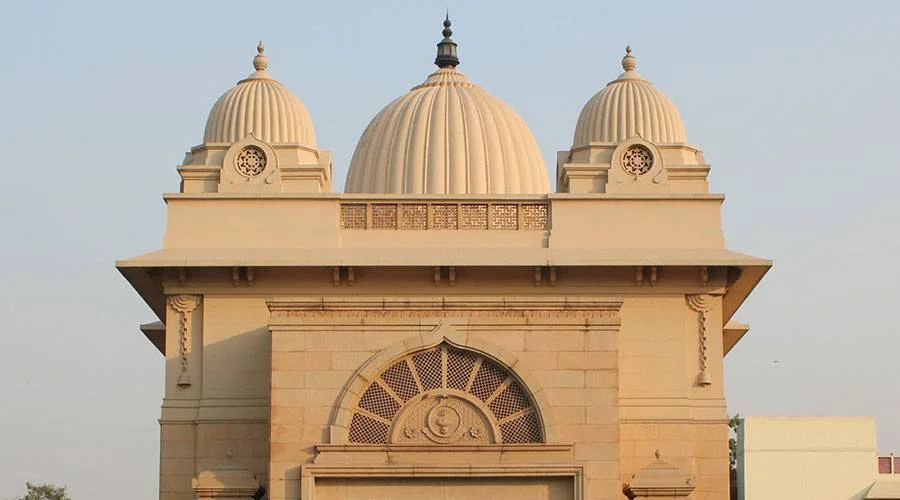
- Domes & Roof: The roof features typical Sikh-style domes atop rectangular structures, enhancing the shrine’s aesthetic appeal.
- Artifacts: Visitors can view personal belongings of Mata Sundri Ji, including a pair of framed slippers and swords gifted by Guru Gobind Singh Ji.
- Gardens & Lawns: The Gurudwara is surrounded by well-kept lawns and gardens, creating a serene environment for meditation and prayer.
The combination of historical artifacts, traditional architecture, and peaceful surroundings makes Gurudwara Mata Sundri Ji a must-visit spiritual destination in Delhi.
Spiritual Importance
Gurudwara Mata Sundri Ji serves as a place of devotion, reflection, and community service. Devotees come here to:
- Seek blessings from Mata Sundri Ji and Mata Sahib Kaur.
- Participate in kirtans and Langar (free community meals).
- Learn about the Sikh legacy through artifacts and historical displays.
The Gurudwara is a living symbol of Sikh values: service, humility, and devotion to God.
Quick Facts about Gurudwara Mata Sundri Ji
| Feature | Details |
|---|---|
| Location | Connaught Place, New Delhi |
| Dedicated To | Mata Sundri Ji & Mata Sahib Kaur |
| Historical Period | 1727 – 1747 |
| Key Features | Marble flooring, domed roof, gallery, historical artifacts |
| Architectural Style | Traditional Sikh architecture |
| Facilities | Darbar Sahib, prayer hall, Langar, gardens |
Gurudwara Mata Sundri Ji in Delhi is not only a spiritual haven but also a historical landmark preserving the legacy of Mata Sundri Ji and Mata Sahib Kaur. Its serene ambiance, beautiful gardens, and well-maintained sanctum make it an ideal place for meditation, prayer, and exploring Sikh heritage. Visitors can experience the deep historical significance while admiring the traditional architecture and sacred artifacts, making it a must-visit for both devotees and history enthusiasts in Delhi.