Safdarjung Tomb, Delhi
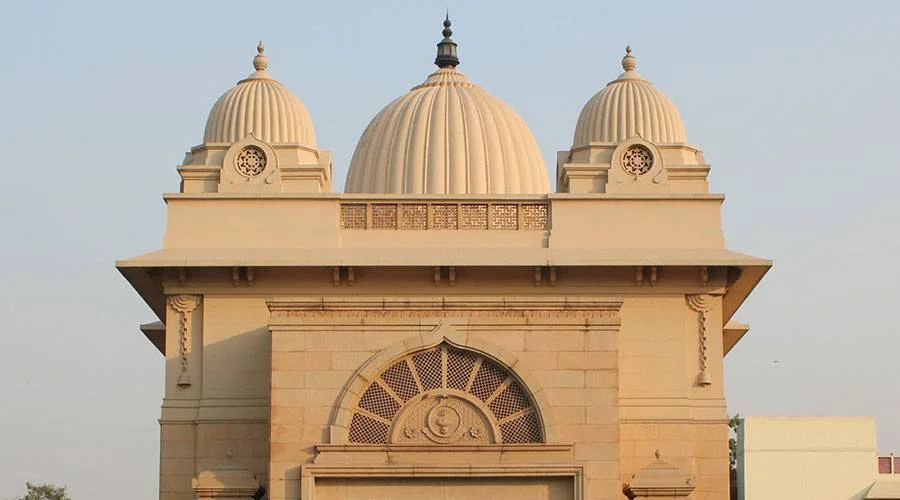
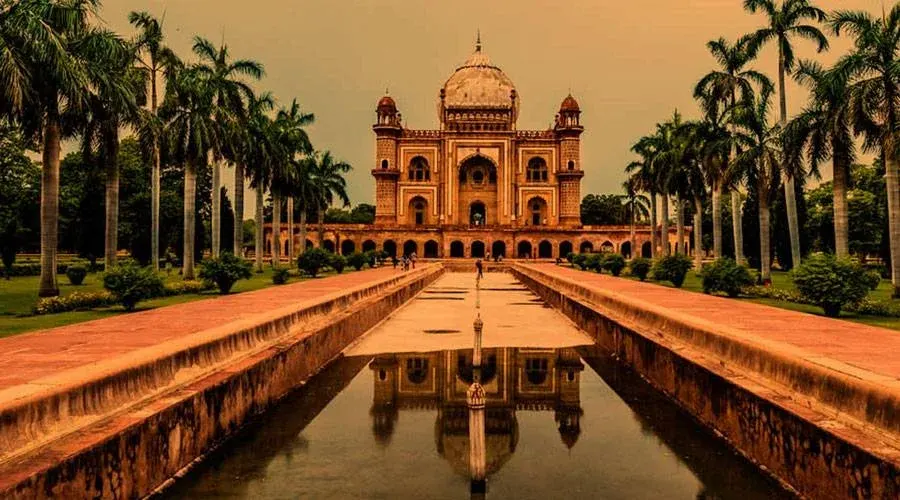
Amongst the sundry places in Delhi that attract attention with their history or quaintness, is the twee tomb of Safdarjung. The elegant mausoleum built of marble and sandstone stands untouched in the test of time and boasts of 18th-century Mughal architectural style. Built-in 1754, during the reign of Mughal Emperor- Ahmad Shah Bahadur, the namesake tomb is dedicated to the Prime Minister of the court- Safdarjung.
Located in the heart of the city, at the junction of Safdarjung Road and Aurobindo Marg, the monument is a low-key tourist attraction of the city. Also known as ‘Safdarjung ka Maqbara’, the mausoleum boasts of a tranquil ambiance and a majestic presence owing to its enormous dome, elaborate arches, and intricate architecture.
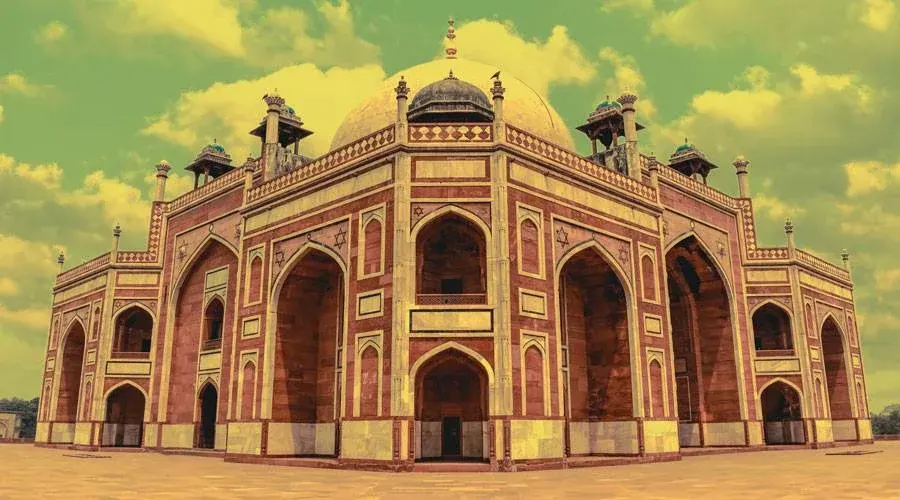
The mausoleum built by Safdarjung’s son Shuja - ud - Daula, is one the very last specimen of Mughal architecture and signifies the downfall of the dynasty as a whole. Safdarjung’s Tomb, however, efficiently captures the legacy and the cultural aspects of the Mughal marvels. The garden tomb is built in a fashion similar to that of Humayun ka Maqbara and also houses several pavilions, a madrasa, and a library at the entrance (managed by the Archaeological Survey of India).
History of Safdarjung Tomb
Safdarjung is the best place to visit for taking a stroll around its interesting history while enjoying the gentle breeze in its peaceful garden. Safdarjung was a Persian native and the ruler of Awadh serving as the viceroy of Muhammad Shah of the Mughal empire. After his death, he moved to Delhi and became the prime minister when Muhammad Shah Ahmed Shah ascended the throne of the Mughal empire in 1748.
Later on, when the king got drowned in wine and opium life, Safdarjung over-exercised his power and tried to take everything in his control, when the King’s family took the help of their Hindu Maratha confederacy to drove him out of Delhi and seize the control back on their hands in 1753. Safdarjung did not live much longer after that and died in 1754. Nawab Shujaud Daula, his son pleaded with the Mughal empire to allow him to erect his father’s tomb in Delhi.
Architecture of Safdarjung Tomb
Modeled after Humayun’s Tomb, Safdarjung Tomb showcases the charbagh garden layout, with the mausoleum at the center surrounded by four symmetrical gardens. Key architectural highlights include:
- A square central chamber with the cenotaph of Safdarjung and his wife.
- A large central dome resting on the terrace, flanked by four polygonal towers.
- Intricate carvings and florid ornamentation on the facade.
- Underground chamber housing the actual graves.
- A mosque and library within the tomb complex.
While the tomb reflects Mughal architectural traditions, it also reveals the declining precision and material quality characteristic of the late Mughal period.
Nearby Attractions
- Lodhi Garden – 4 km
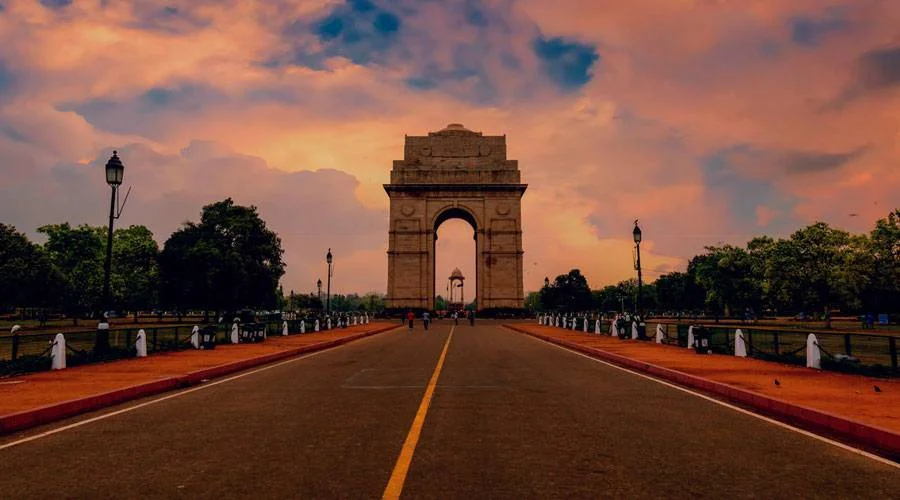
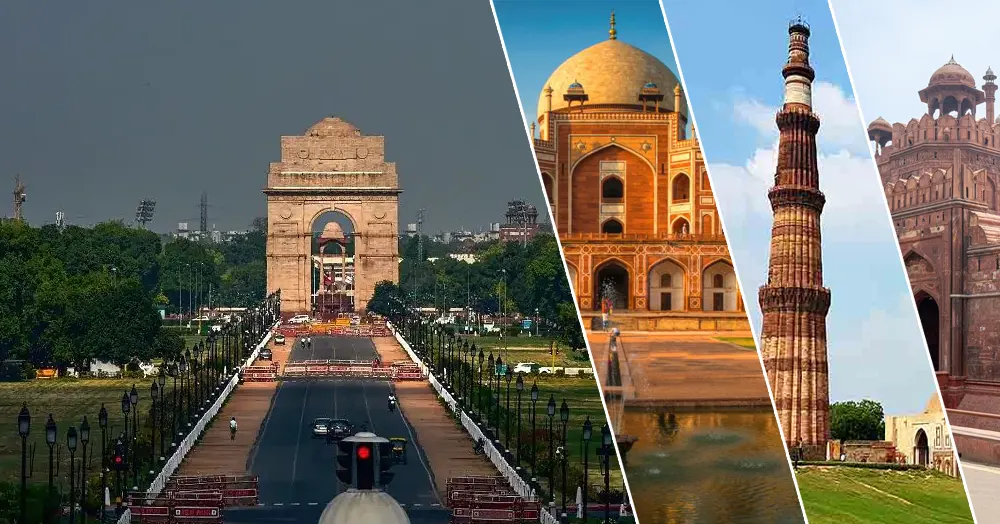
- India Gate – 5 km
- Humayun’s Tomb – 6 km
- Khan Market – 3 km
- Safdarjung Airport – 1 km
Visitors can easily combine a tour of Safdarjung Tomb with these nearby historical and cultural landmarks.
Travel Tips for Visitors
- Best Time to Visit: October to March for pleasant weather.
- Timings: 7:00 AM – 5:00 PM daily.
- Entry Fee: Nominal fee; managed by Archaeological Survey of India.
- Things to Carry: Camera, water bottle, comfortable walking shoes.
- Guided Tours: Available for historical insights.
Quick Facts
| Fact | Details |
|---|---|
| Built | 1754 |
| Style | Mughal architecture |
| Area | Charbagh garden layout |
| Location | Safdarjung Road, New Delhi |
| Managed By | Archaeological Survey of India |
In conclusion, Safdarjung’s Tomb stands as a poignant reminder of the grandeur and decline of the Mughal Empire. Its serene gardens, intricate architecture, and historical significance make it a must-visit site for history buffs, architecture enthusiasts, and casual tourists alike. While it may lack the precision of earlier Mughal monuments, the tomb’s charm lies in its unique design, peaceful ambiance, and the rich story it tells of Delhi’s 18th-century heritage.