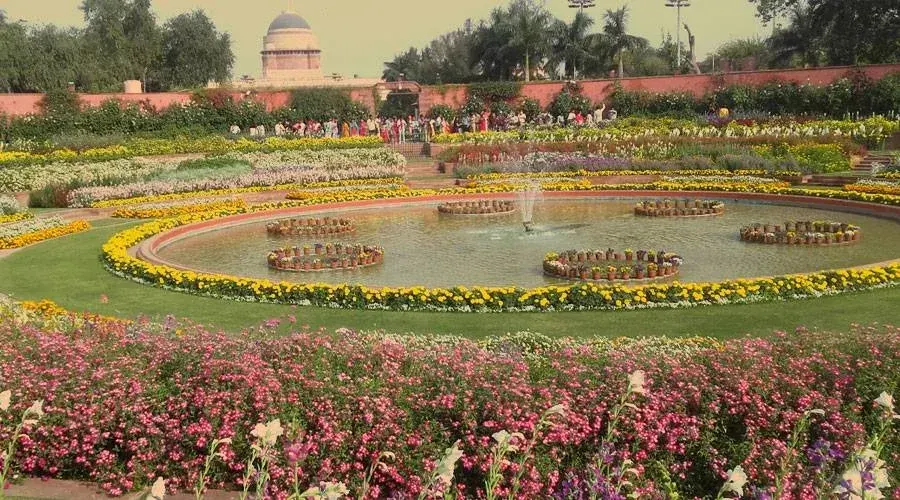
Mughal Garden, Delhi
The Mughal Gardens, now officially renamed Amrit Udyan, form one of the most spectacular attractions of Delhi. Located inside the premises of the Rashtrapati Bhavan, this beautifully laid-out garden is a fine example of Mughal-style landscaping blended with British design aesthetics. Spread over 15 acres, it is often called the “soul of Rashtrapati Bhavan” and is renowned for its vibrant annual Udyanotsav, when the garden is opened to the public.
The garden features lush lawns, terraced flower beds, canals, fountains, and a variety of seasonal flowers including tulips, roses, marigolds, and lilies, making it a floral paradise in the heart of Delhi.
History of Mughal Gardens (Amrit Udyan)
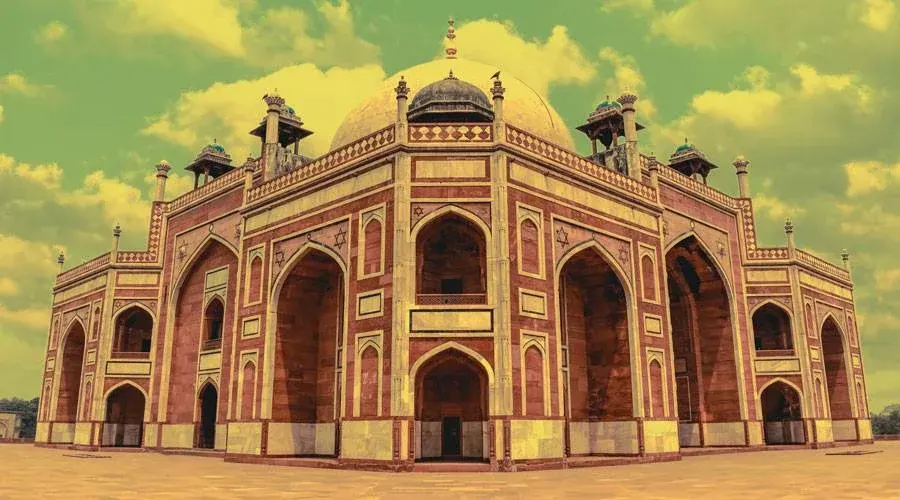
The Mughal Gardens were designed by Sir Edwin Lutyens, the chief architect of New Delhi, in 1917 and completed in 1929 during the British era. The layout of the garden was inspired by the Mughal Gardens of Kashmir, Taj Mahal, and Humayun’s Tomb, showcasing the signature Mughal charbagh (four-square) style combined with European flower arrangements.
Post-independence, the gardens became part of the Rashtrapati Bhavan grounds and have since been a symbol of India’s cultural blend of Mughal, Indian, and British influences. In 2023, as part of the Azadi Ka Amrit Mahotsav celebrations, it was renamed Amrit Udyan by the Government of India.
Key Features of Mughal Gardens
- Charbagh Layout: Reflecting Persian and Mughal traditions, the gardens are divided into geometrical sections with water channels.
- Floral Diversity: Over 150 varieties of roses, seasonal tulips, marigolds, daffodils, and lilies bloom here.
- Musical Fountains: Two musical fountains add a lively charm, especially in the evenings.
- Herbal Garden & Bonsai Garden: Sections featuring medicinal plants and miniature trees.
- Biodiversity: Home to numerous birds like parrots, peacocks, mynas, and squirrels.
- Spiritual Corners: Dedicated gardens such as the Spiritual Garden and Circular Garden.
Things to Do in Mughal Gardens
- Attend Udyanotsav: Visit during February–March when the gardens are open to the public.
- Enjoy Photography: Capture the beauty of rare flowers, fountains, and colorful landscapes.
- Nature Walks: Explore the herbal, bonsai, and circular gardens.
- Cultural Events: Sometimes hosts art, music, and yoga sessions for visitors.
Travel Tips for Visitors
- Entry is free, but prior online registration is required through the Rashtrapati Bhavan website.
- The gardens are open only for a limited period each year (usually February–March).
- Photography is allowed, but tripods and drones are not permitted.
- Carry a valid ID proof for entry.
- Visit early morning or late afternoon for fewer crowds and better photography light.
- Outside food and plastic bottles are prohibited.
Nearby Attractions
Visiting Mughal Gardens can be clubbed with several nearby attractions in New Delhi:
- Rashtrapati Bhavan (1 km): The official residence of the President of India.
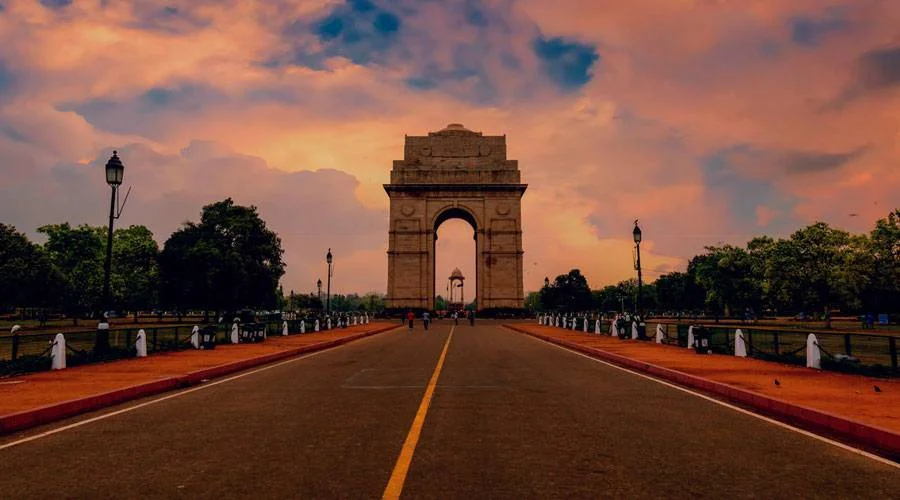
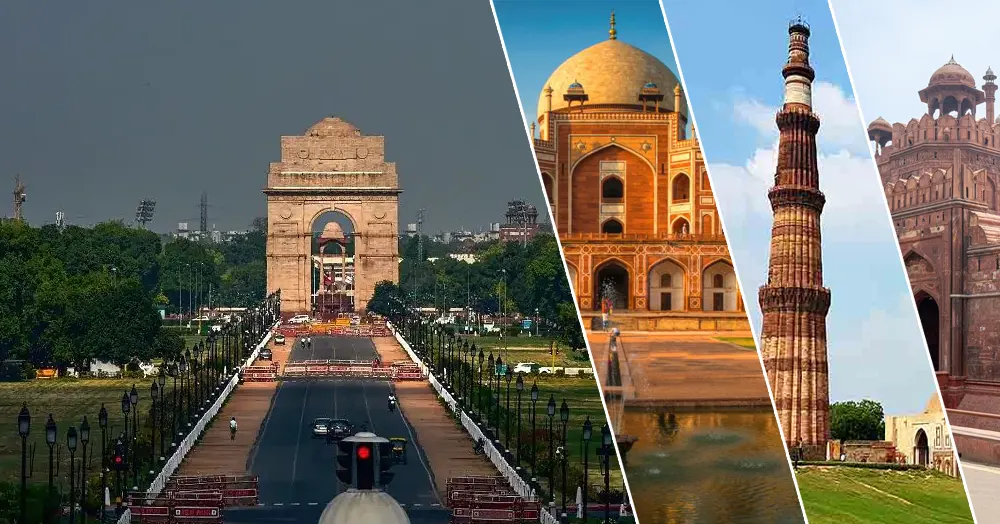
- India Gate (2.5 km): A war memorial dedicated to Indian soldiers.
- Parliament House (2 km): Architectural marvel of Indian democracy.
- National Museum (3 km): Rich collection of art, artifacts, and cultural heritage.
- Gurudwara Bangla Sahib (3.5 km): Famous Sikh pilgrimage site with a holy sarovar.
- Connaught Place (4 km): Popular shopping and dining hub of Delhi.
Quick Facts about Mughal Gardens (Amrit Udyan)
| Quick Facts | Details |
|---|---|
| Location | Rashtrapati Bhavan, New Delhi |
| Built | 1917–1929 |
| Designer | Sir Edwin Lutyens |
| Renamed | Amrit Udyan (2023) |
| Spread Over | 15 acres |
| Famous For | Udyanotsav (annual public opening in Feb–March) |
| Entry Fee | Free (online booking required) |
| Best Time to Visit | February–March |
The Mughal Gardens (Amrit Udyan) at Rashtrapati Bhavan are not just a display of horticultural beauty but also a reflection of India’s cultural and historical blend. With its Mughal-inspired design, European touches, and vibrant floral displays, it continues to enchant visitors every year during Udyanotsav. A visit here is a must for nature lovers, history buffs, and photography enthusiasts.