Rashtrapati Bhavan, Delhi
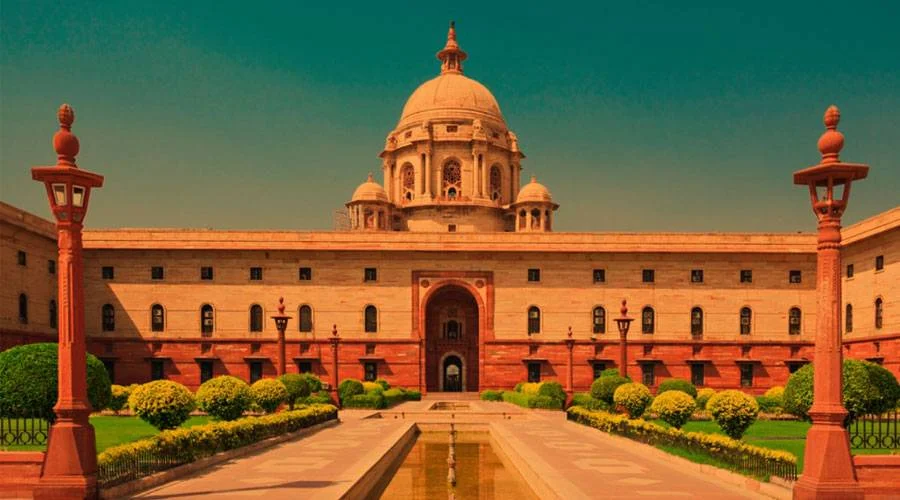
Located at the western end of the iconic Rajpath in New Delhi, Rashtrapati Bhavan is the official residence of the President of India. Originally constructed as the Viceroy’s House, this majestic structure spans 340 rooms across 5 acres, within a sprawling estate of 330 acres, making it one of the largest residences of a head of state in the world.
Designed by renowned British architects Sir Edwin Lutyens and Herbert Baker, Rashtrapati Bhavan was completed in 1929. Today, it stands as a magnificent symbol of India’s heritage, hosting President Ram Nath Kovind since 2017. The complex is divided into three circuits, offering visitors a unique glimpse into its architecture, history, and lush gardens.
History of Rashtrapati Bhavan
The idea of Rashtrapati Bhavan came after the British decision in 1911 to shift the capital from Calcutta to Delhi. Sir Edwin Lutyens was tasked with planning the new capital and designing the Viceroy’s House. Around 4,000 acres on Raisina Hill were acquired for this monumental project.
Construction began in 1911 but was delayed due to World War I. Finally, in 1929, after 17+ years of work, the residence was completed at an estimated cost of 14 million Indian rupees, employing over 23,000 laborers.
Initially called the Viceroy’s House, it was renamed Government House in 1947 after independence. Chakravarti Rajagopalachari became the first Indian occupant as Governor-General, and later, Rajendra Prasad became the first President of India in 1950, after which it was officially called Rashtrapati Bhavan. The complex was opened for public visits in 2012 under President Pranab Mukherjee.
Architecture of Rashtrapati Bhavan
Rashtrapati Bhavan is a colossal four-storied H-shaped structure covering 2,00,000 sq. ft. Its architecture combines classic European styles with Indian motifs, reflecting a fusion of cultures.
Key architectural highlights include:
- Central Dome: Inspired by the Pantheon in Rome and Sanchi Stupa in Madhya Pradesh, it towers over the estate with the National Flag flying atop.
- Indian Motifs: Regal elephants, jalis made of red sandstone, and temple bells incorporated in pillars.
- Materials: Over 3 million cubic feet of stone and 700 million bricks were used, with minimal steel.
The building houses 340 rooms, including the President’s residence, library, ballroom, reception halls, and offices.
Inside Rashtrapati Bhavan: The Three Circuits
Circuit 1 – Main Building & Central Lawn
This circuit allows visitors to explore the Forecourt, Banquet Hall, Ashok Hall, Durbar Hall, Library, and North Drawing Room. It is open Thursday to Sunday and provides a firsthand look at the grandeur of the President’s official residence.
Circuit 2 – Rashtrapati Bhavan Museum Complex (RBMC)
RBMC consists of The Stables, The Garages, and The Clock Tower, showcasing India’s rich art, heritage, and history. It is open all days except Monday, making it a must-visit for culture enthusiasts.
Circuit 3 – Mughal & Other Gardens
The world-famous Mughal Gardens are the highlight of this circuit, alongside the Herbal Garden, Musical Garden, and Spiritual Garden. Open Thursday to Sunday (August to March), these gardens offer a serene escape amid lush greenery.
Change of Guard Ceremony
The Change of Guard Ceremony is a spectacular military tradition held on Saturdays and Sundays. Witness the President’s Bodyguard showcasing precision drills, paratrooper skills, and ceremonial elegance.
Nearby Attractions to Rashtrapati Bhavan
Rashtrapati Bhavan is located at the heart of Delhi, making it a perfect starting point to explore some of the city’s iconic landmarks and attractions. Here are some must-visit nearby places:
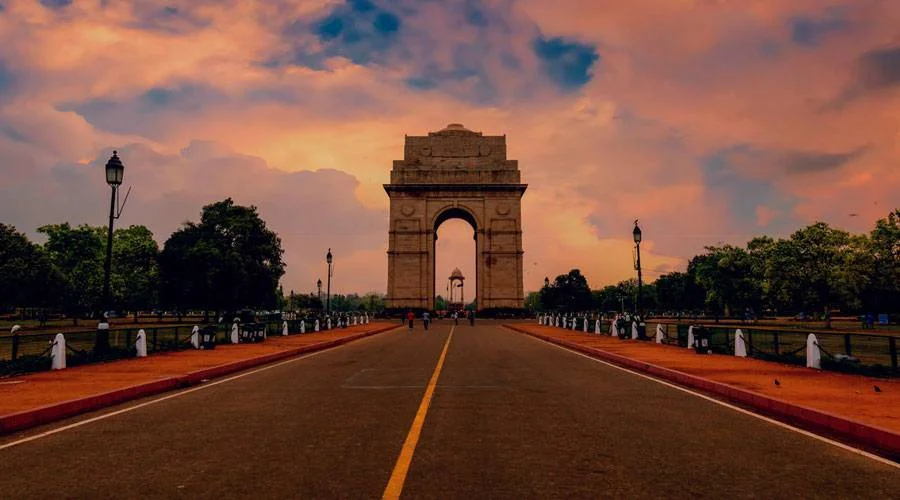
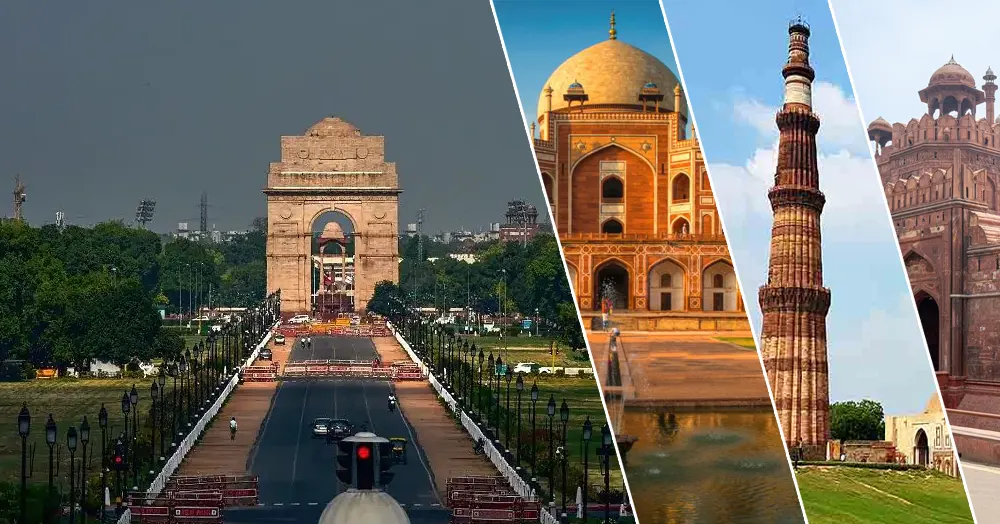
- India Gate
- Distance: 2 km
- Description: A war memorial honoring Indian soldiers who died during World War I. Surrounded by lush lawns, it is perfect for a serene evening stroll.
- Rajpath & Central Vista
- Distance: Adjacent to Rashtrapati Bhavan
- Description: The ceremonial boulevard of India, ideal for walking, photography, and witnessing parades during national events.
- National Museum
- Distance: 3.5 km
- Description: One of India’s largest museums, showcasing artifacts, ancient art, and historical collections spanning thousands of years.
- Parliament House
- Distance: 1.5 km
- Description: Iconic circular building of India’s legislative body; while entry is restricted, it’s a great sight from outside for history and architecture enthusiasts.
- Jantar Mantar
- Distance: 4 km
- Description: A historical astronomical observatory built in the 18th century with large-scale instruments for tracking celestial events.
- Connaught Place
- Distance: 5 km
- Description: The commercial hub of Delhi with shopping, dining, and entertainment options. A perfect spot to relax after exploring historical sites.
- Gurudwara Bangla Sahib
- Distance: 5 km
- Description: A famous Sikh temple known for its golden dome, spiritual ambiance, and community kitchen (langar).
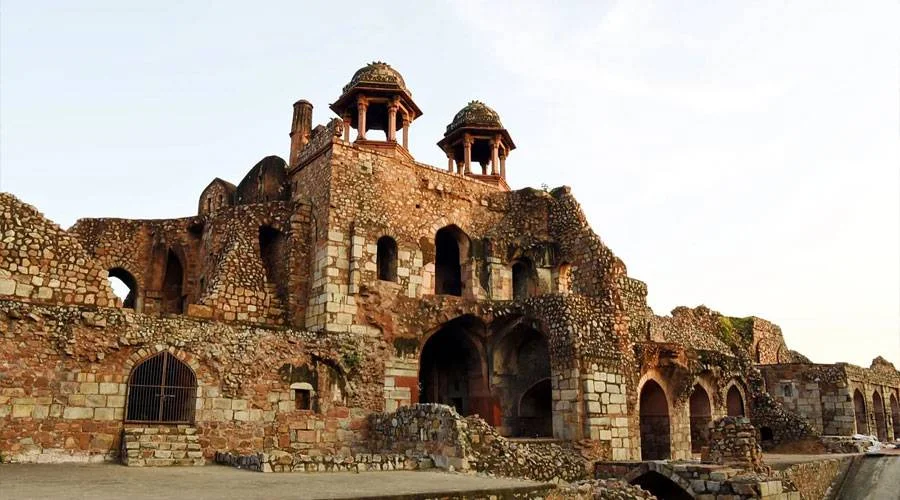
- Purana Qila (Old Fort)
- Distance: 4 km
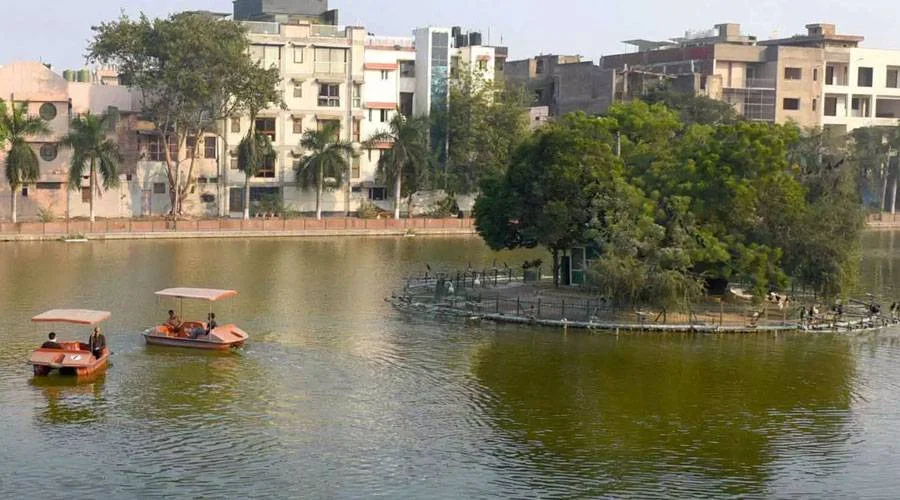
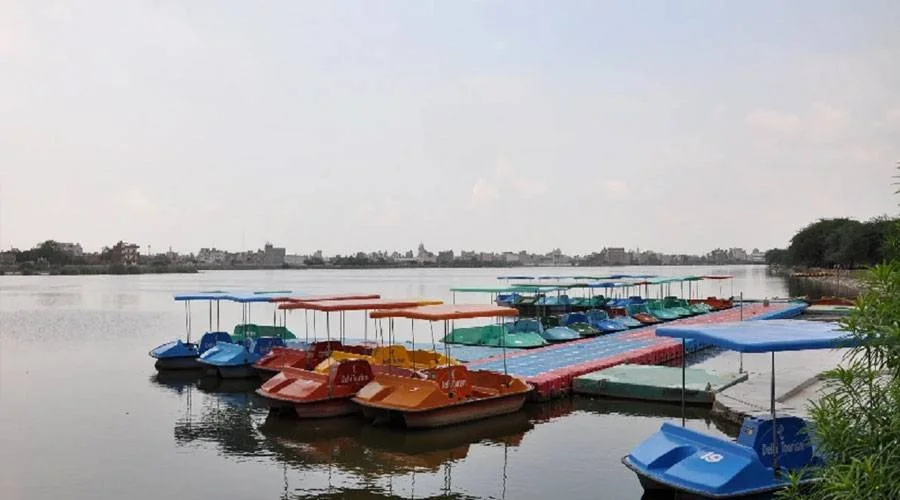
- Description: A 16th-century fort with Mughal architecture, boating facilities, and lush gardens.
Most attractions are within 5 km of Rashtrapati Bhavan, making it easy to explore multiple landmarks in a single day. Opt for early morning visits to avoid crowds, especially during weekends and public holidays.
Travel Tips
- Best Time to Visit: October to March for pleasant weather and garden blooms.
- Timings:
- Circuit 1: Thursday to Sunday
- Circuit 2: All days except Monday
- Circuit 3: Thursday to Sunday (August–March)
- Entry: Authorized visitors only; prior booking recommended.
- Nearby Attractions: India Gate, National Museum, Connaught Place, Parliament House.
Quick Facts
| Feature | Details |
|---|---|
| Location | Western end of Rajpath, New Delhi |
| Built | 1929 |
| Architects | Sir Edwin Lutyens, Herbert Baker |
| Estate Size | 330 acres |
| Rooms | 340 |
| Current President | Ram Nath Kovind |
| Visitor Circuits | Main Building, Museum Complex, Mughal Gardens |
| Opened to Public | 2012 |
A visit to Rashtrapati Bhavan is not just a tour; it is an experience of India’s political history, architectural brilliance, and cultural richness. From majestic halls to sprawling gardens, every corner narrates a story of India’s past and present. Whether you are an architecture enthusiast, a history buff, or simply a traveler seeking iconic landmarks, Rashtrapati Bhavan is a must-visit destination in New Delhi.