
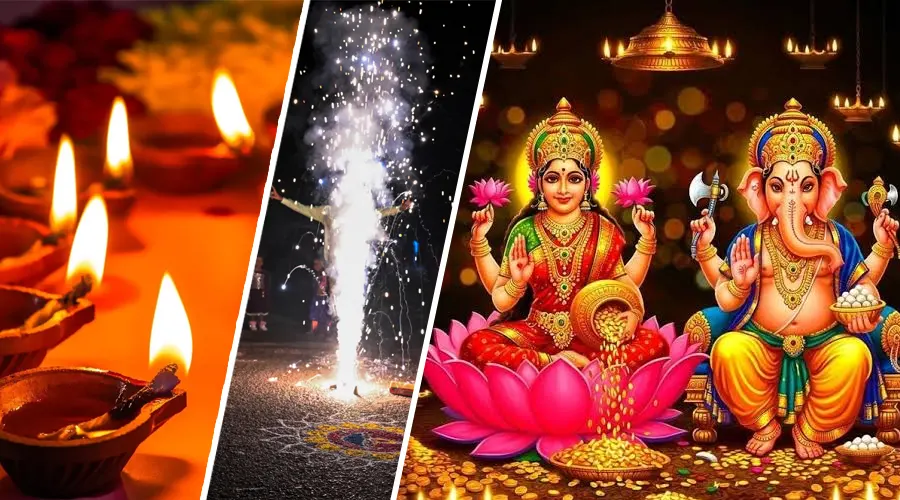
Diwali 2026: Date, Lakshmi Puja, Traditions & Celebrations
Diwali, also known as Deepavali, is one of India's most widely celebrated festivals. Known as the Festival of Lights, it brings together traditions of worship, family gatherings, festive food, decorations, gifts and community celebrations.
Across India, Diwali is celebrated in different ways. For some communities, it commemorates Lord Rama's return to Ayodhya after his victory over Ravana. In many homes, the festival is closely associated with Goddess Lakshmi, the deity of prosperity and good fortune. In South India, Diwali traditions are also connected with the victory of Lord Krishna over Narakasura.
For travellers, Diwali offers a wonderful opportunity to experience India's diverse culture, traditions, food, markets and beautifully illuminated cities.
What Is Diwali?
Diwali or Deepavali is a major Hindu festival celebrated with lamps, prayers, family gatherings, festive meals and cultural activities.
The word Deepavali is commonly understood as a row of lights. Homes, streets, temples and public spaces are decorated with diyas and lights, creating the distinctive atmosphere associated with the festival.
Although Diwali has strong religious significance, its celebrations also bring together cultural traditions that have developed differently across India's regions and communities.
Diwali 2026: Date and Quick Facts
Detail | Information |
Festival | Diwali / Deepavali |
Diwali Date | Sunday, November 8, 2026 |
Main Puja | Lakshmi Puja |
Significance | Festival of Lights |
Main Message | Victory of light over darkness |
New Delhi Lakshmi Puja Muhurat | 5:54 PM to 7:50 PM |
Diwali Day | Sunday |
Diwali 2026 will be celebrated on November 8, 2026. In New Delhi, the main Lakshmi Puja Muhurat is from 5:54 PM to 7:50 PM. Puja timings can vary by city, so travellers should check the local Panchang for their destination.
Why Is Diwali Celebrated?
Diwali has several important religious and cultural associations.
Lord Rama's Return to Ayodhya: One of the most widely known traditions connects Diwali with Lord Rama's return to Ayodhya after 14 years of exile and his victory over Ravana.
According to the traditional story, people welcomed Rama, Sita and Lakshmana by lighting rows of lamps.
Worship of Goddess Lakshmi: Lakshmi Puja is one of the central traditions of Diwali. Devotees worship Goddess Lakshmi and seek blessings for prosperity, happiness and abundance.
Homes are traditionally cleaned and decorated before the evening prayers.
Victory of Krishna Over Narakasura: In several parts of India, Diwali traditions are connected with Lord Krishna's victory over Narakasura. This association is particularly prominent in southern India.
These different traditions show why Diwali can have different meanings and customs across the country.
Diwali 2026 Festival Calendar
Diwali is part of a wider festive period that includes several important days.
| Festival | Date in 2026 | Significance |
| Dhanteras | Friday, November 6 | Worship, prosperity and traditional purchases |
| Naraka Chaturdashi | Sunday, November 8 | Associated with the defeat of Narakasura |
| Diwali & Lakshmi Puja | Sunday, November 8 | Main Festival of Lights |
| Govardhan Puja | Monday, November 9 | Associated with Lord Krishna and Govardhan |
| Bhai Dooj | Wednesday, November 11 | Celebration of the bond between brothers and sisters |
Festival dates and regional customs can differ, so travellers should confirm local observances before making travel plans.
Significance of Lakshmi Puja
Lakshmi Puja is one of the most important rituals performed during Diwali.
Families clean and decorate their homes before preparing a dedicated space for worship. Diyas, flowers, rangoli and other traditional decorations are commonly used.
Devotees worship Goddess Lakshmi along with other deities according to their family and regional traditions.
In New Delhi, the 2026 Lakshmi Puja Muhurat is 5:54 PM to 7:50 PM.
Diwali Traditions in India
Diwali traditions vary from one region to another, but several practices are widely associated with the festival.
- Lighting Diyas: Earthen diyas are placed around homes, entrances, balconies and courtyards. They represent light, positivity and the removal of darkness.
- Rangoli Decorations: Families create colourful rangoli designs at entrances using traditional patterns and decorative materials.
- Cleaning and Decorating Homes: Cleaning the home before Diwali is an important tradition in many communities and is often associated with welcoming prosperity and positive energy.
- Wearing New Clothes: Many families traditionally wear new or festive clothing during Diwali celebrations.
- Sharing Sweets and Gifts: Exchanging sweets and gifts is an important part of the social side of Diwali.
- Family Gatherings: Diwali brings families and friends together for meals, prayers and celebrations.
Diwali Celebrations Across India
One of the most fascinating things about Diwali is the way its traditions change across India.
Ayodhya, Uttar Pradesh: Ayodhya has a deep cultural connection with Lord Rama and is one of the most significant destinations for travellers interested in Rama-related Diwali traditions.
The city's temples, ghats and religious sites create a distinctive festive atmosphere.
Diwali experiences in Ayodhya include:
- Temple visits
- Devotional celebrations
- Illuminated ghats
- Cultural programmes
- Traditional decorations
- Ramayana-related heritage experiences
Varanasi, Uttar Pradesh: Varanasi combines Diwali traditions with its famous ghats and spiritual atmosphere.
Visitors can experience illuminated temples, decorated streets and special celebrations along the Ganga.
Highlights include:
- Ganga-side celebrations
- Temple visits
- Diyas and illuminated ghats
- Traditional markets
- Local festive food
Jaipur, Rajasthan: Jaipur is known for its beautifully illuminated markets and heritage buildings during Diwali.
The city's traditional architecture creates an impressive backdrop for lights, decorations and festive shopping.
Jaipur Diwali experiences include:
- Illuminated markets
- Heritage architecture
- Traditional shopping
- Rajasthani sweets
- Festive decorations
Delhi: Delhi offers a combination of traditional celebrations and modern city festivities.
Markets, residential neighbourhoods, temples and public spaces become lively during the festival period.
Diwali experiences in Delhi include:
- Traditional markets
- Temple celebrations
- Festive shopping
- Rangoli and diya decorations
- Family and community events
Amritsar, Punjab: Diwali in Amritsar is closely associated with the celebration at the Golden Temple, where the complex is beautifully illuminated.
The festival offers travellers an opportunity to experience the city's religious and cultural traditions.
Kolkata, West Bengal: In Kolkata, Diwali coincides with Kali Puja, making the festival experience distinct from many other parts of India.
Devotees worship Goddess Kali, while homes, temples and neighbourhoods are decorated with lamps and lights.
Diwali and Kali Puja
Diwali and Kali Puja take place around the same period, but the focus of worship differs by region.
In many parts of North and Western India, Lakshmi Puja is central to Diwali celebrations.
In West Bengal and some neighbouring regions, Kali Puja is a major part of the festival.
This regional diversity is one of the defining characteristics of Diwali in India.
Traditional Diwali Food
Food is an important part of the Diwali experience.
Families prepare and share a wide variety of sweets and savoury dishes. Recipes differ considerably from one state to another.
Popular festive foods may include:
- Laddoo
- Kaju katli
- Gulab jamun
- Jalebi
- Gujiya
- Chakli
- Namak pare
- Kachori
- Regional festive sweets
Travellers can also explore local Diwali specialities at markets and traditional sweet shops.
Diwali Shopping and Markets
Shopping is an important part of the festival for many families.
People purchase clothes, gifts, sweets, decorative items, diyas and other festive products.
Traditional markets can become especially lively in the days leading up to Diwali.
Travellers interested in local culture can explore these markets to experience traditional crafts, decorations and regional food.
Diwali Travel Tips
Planning ahead is particularly important if you are travelling during Diwali.
- Book Early: Hotels, trains and flights can become busy around the festival. Make your travel and accommodation arrangements in advance.
- Check Local Celebrations: Different cities have different Diwali programmes, pujas and cultural events. Check local schedules before visiting.
- Expect Crowds: Popular markets, temples and tourist areas can be extremely busy. Allow additional time for travel.
- Plan Evening Travel Carefully: The main Diwali celebrations take place in the evening. Traffic and road restrictions may affect travel in some cities.
- Respect Local Customs: Follow photography rules and local instructions at temples and religious places.
- Travel Responsibly: Avoid littering, reduce unnecessary plastic use and support local artisans and small businesses where possible.
Eco-Friendly Diwali
Diwali celebrations can be made more environmentally responsible without losing their traditional character.
Some simple choices include:
- Use traditional diyas instead of excessive disposable decorations
- Choose reusable decorations
- Avoid unnecessary plastic
- Dispose of waste responsibly
- Support local artisans
- Follow local regulations regarding fireworks
- Be considerate of children, elderly people, animals and others affected by noise
A responsible Diwali helps preserve the beauty of the festival and the places where it is celebrated.
Best Places to Experience Diwali in India
India offers many different Diwali experiences depending on what kind of celebration you want to see.
| Destination | Known For |
| Ayodhya | Rama-related traditions and illuminated ghats |
| Varanasi | Ganga, temples and festive lights |
| Jaipur | Illuminated markets and heritage architecture |
| Delhi | Markets, temples and community celebrations |
| Amritsar | Golden Temple celebrations |
| Kolkata | Kali Puja and festive decorations |
Each destination offers a different cultural perspective, making Diwali an excellent opportunity for festival-based travel.
Diwali as a Cultural Travel Experience
Diwali is more than a festival of lights. It brings together mythology, religion, food, crafts, architecture, music, shopping and community traditions.
A traveller visiting India during Diwali can experience everything from peaceful temple rituals to brightly illuminated markets and lively neighbourhood celebrations.
The most rewarding experiences often come from observing local traditions respectfully rather than simply visiting popular attractions.
Responsible Diwali Travel
Festival tourism can create additional pressure on popular destinations.
Travellers can contribute positively by using public transport where practical, avoiding litter, respecting religious spaces and supporting local businesses.
Choosing locally made decorations, handicrafts and food also helps keep traditional skills and businesses connected to the festival economy.
Diwali 2026: A Celebration of Light and Togetherness
Diwali continues to bring together families, communities and travellers through a shared celebration of light, hope and renewal.
From the diyas of homes and temples to illuminated streets, festive markets and traditional prayers, every region adds its own character to the festival.
For travellers, Diwali is an opportunity to experience India's living culture at its most colourful and welcoming.
Diwali 2026 will be celebrated on Sunday, November 8, with Lakshmi Puja forming a central part of the festival in many parts of India. In New Delhi, the main Lakshmi Puja Muhurat is 5:54 PM to 7:50 PM.
From Ayodhya and Varanasi to Jaipur, Delhi, Amritsar and Kolkata, Diwali offers many different cultural experiences across India.
Whether you travel for the spiritual atmosphere, illuminated heritage, local food or traditional celebrations, Diwali is a beautiful time to discover the diverse cultural traditions of India.
“दीपों की रोशनी, खुशियों की नई शुरुआत।”
Faq About Diwali 2026: Date, Lakshmi Puja, Traditions & Celebrations
Ans: Diwali 2026 will be celebrated on Sunday, November 8, 2026.
Ans: Diwali celebrates light over darkness and good over evil, with different regional traditions connecting the festival with Lord Rama, Goddess Lakshmi, Lord Krishna and other religious traditions.
Ans: In New Delhi, Lakshmi Puja Muhurat on November 8, 2026 is 5:54 PM to 7:50 PM. Timings vary by location.
Ans: Diwali is known as the Festival of Lights because homes, temples and public spaces are traditionally decorated with diyas and other lights.
Ans: The Diwali festive period includes Dhanteras, Naraka Chaturdashi, Diwali, Govardhan Puja and Bhai Dooj, although customs and dates can vary regionally.
Ans: Diwali is celebrated across India, with distinctive traditions in destinations such as Ayodhya, Varanasi, Jaipur, Delhi, Amritsar and Kolkata.
Ans: According to a widely known tradition, Diwali commemorates Lord Rama's return to Ayodhya after his exile and victory over Ravana.
Ans: Lakshmi Puja is a traditional Diwali worship ceremony dedicated to Goddess Lakshmi, who is associated with prosperity, happiness and good fortune.
Ans: In West Bengal, Diwali is closely associated with Kali Puja, during which Goddess Kali is worshipped with special rituals and decorations.
Ans: Yes. Diwali offers travellers an opportunity to experience India's festivals, heritage, food and local traditions, although popular destinations can be crowded during the festival period.
Comments (0)