Sri Digambar Jain Lal Mandir, Delhi
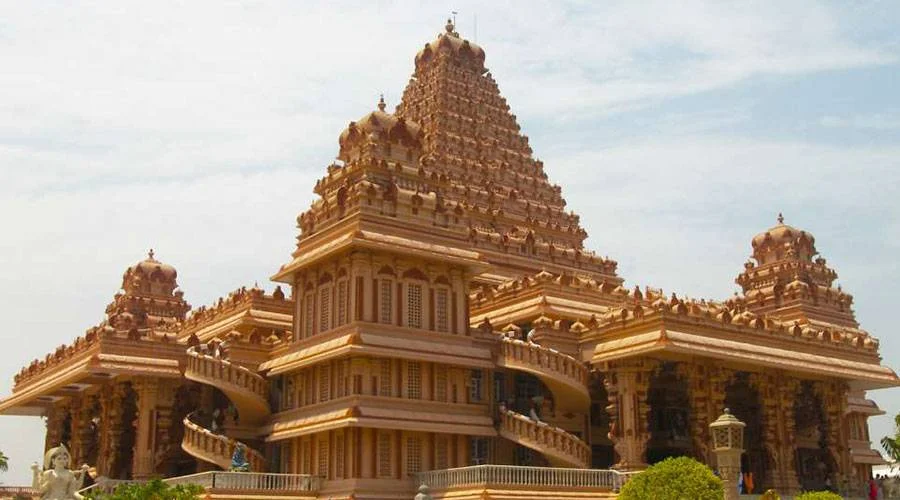
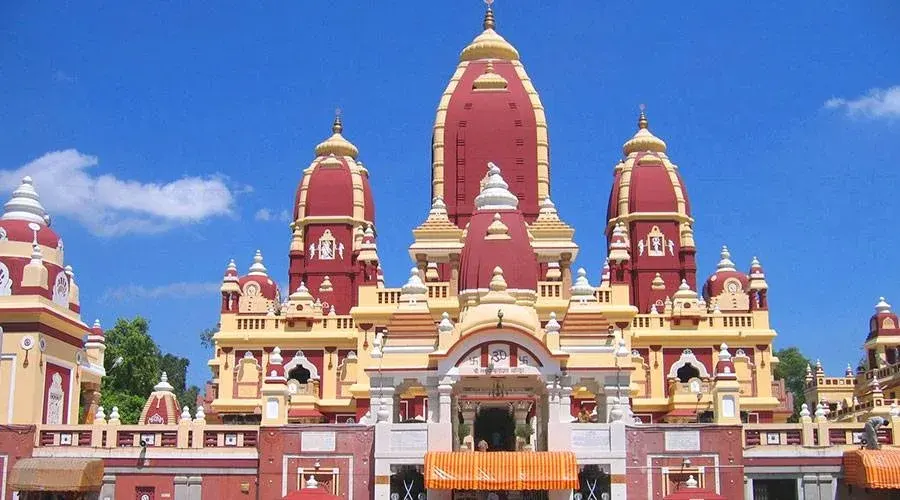
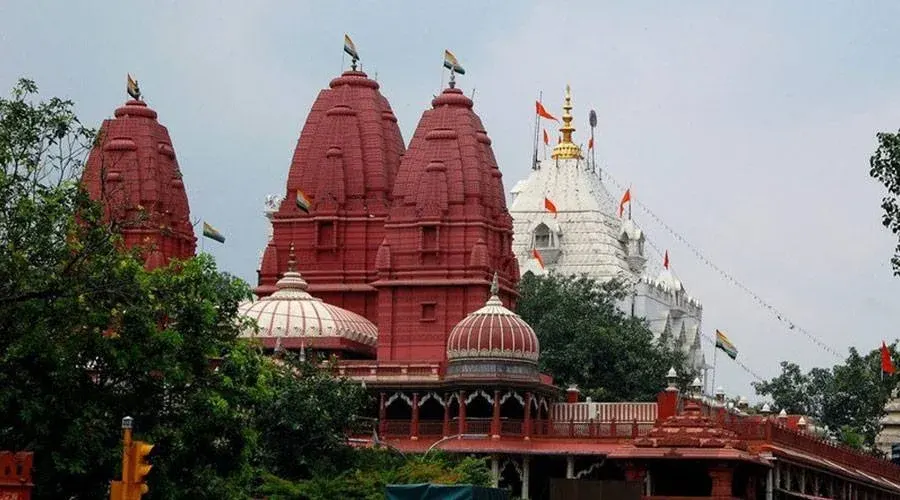
Sri Digambar Jain Lal Mandir is the best-known and the most ancient Jain temple in Delhi. Located in the Chandni Chowk area, in the vicinity of Red Fort, the striking building is made entirely out of red sandstone. Originally built in 1658, the temple underwent major modifications and alterations in the later years.
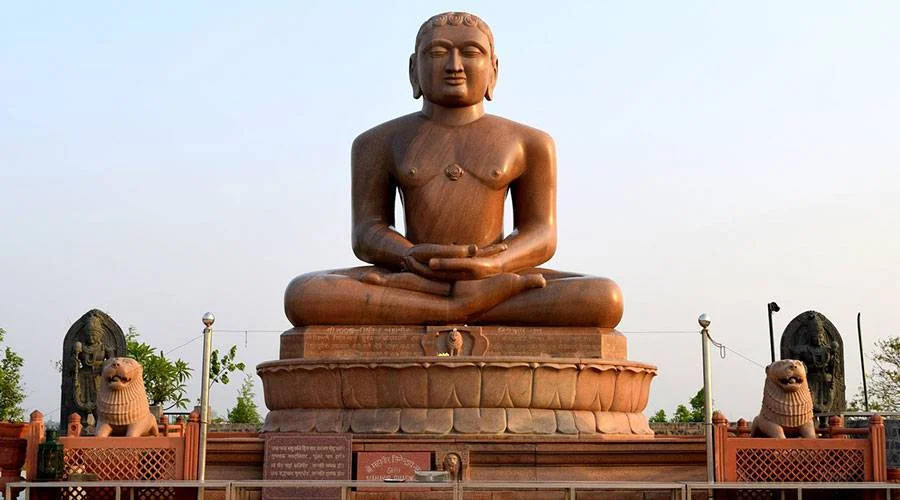
Popularly known as Lal Mandir aka ‘Red Temple’, the temple is dedicated to the 23rd Jain Tirthankara- Parshvanath. Besides the huge statue of Parshvanath, the temple also houses idols of Rishabhdev, Lord Mahavir, and several other deities; the main devotional area is however present on the first floor.
The shrine is famous in the city because of the massive avian veterinary hospital behind the main temple complex which is called Jain Birds Hospital. Inspired by Vardhman Mahavir’s message ‘live and let live’, the center comprises general wards and ICU and tends to birds and avian patients that need utmost care. Situated adjacent to the most chaotic area of Delhi, the temple is mostly popular for its striking architecture, beautiful carvings, pure gold artwork, and frescos. Paryushan, Samvatsari, Jnana Panchami, and Deepawali are the major festivals celebrated at the temple.
Why You Should Visit Lal Mandir
- Witness the devotional idols of Lord Parshvanath, Lord Mahavir, Rishabhdev, and other Tirthankaras
- Explore the Jain Birds Hospital, a unique center for avian care inspired by the Jain principle of Ahimsa (non-violence)
- Admire exquisite red sandstone architecture, frescoes, and gold artwork
- Experience spiritual peace and participate in daily rituals
The temple also hosts major Jain festivals, including Paryushan, Samvatsari, Jnana Panchami, and Deepawali, drawing devotees from all over the country.
History of Lal Mandir
Built in 1658 during the Mughal era, Lal Mandir has remained a symbol of Jain faith and culture in Delhi for centuries. It was established to honor Lord Parshvanath, the 23rd Tirthankara, and welcomes people of all religions to pray, meditate, and experience spiritual tranquility.
A distinctive feature of the temple is the Jain Birds Hospital located behind the main complex. Inspired by Vardhman Mahavir’s teachings of compassion, the hospital has general wards and ICU to treat injured and sick birds. It is one of the largest bird hospitals in India and a unique attraction for visitors.
Architecture of Lal Mandir
The temple’s architecture reflects a mix of Mughal and traditional Jain styles:
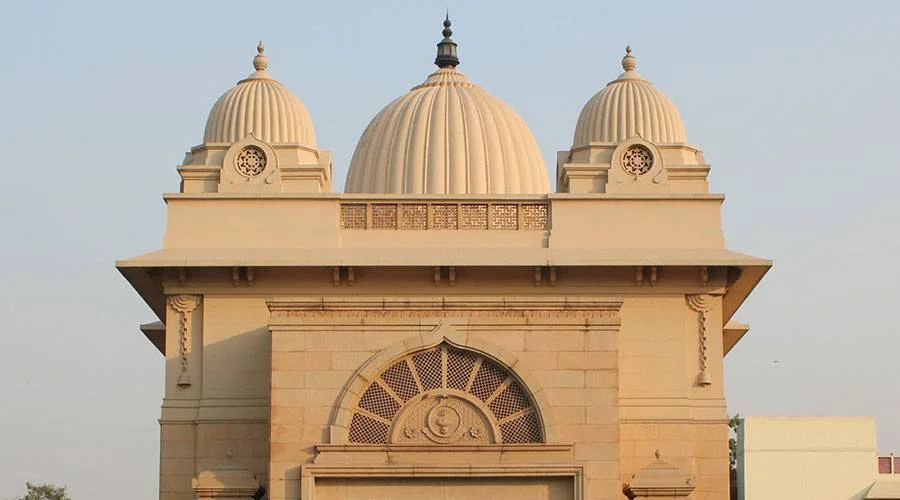
- Main Temple: Constructed entirely in red sandstone, featuring three masonry peaks in bright red and a Mughal-era dome with a spire
- Two Floors:
- Lower Floor: Administrative office, publication center, and shoe house
- First Floor: Main chambers housing idols of Parshvanath, Mahavir, Rishabhdev, and other deities for worship
- Artwork: Intricate carvings, frescoes, and pure gold embellishments accentuate the temple’s grandeur
The temple is an architectural delight with its vibrant red facade, carved pillars, and serene interior spaces, making it a must-visit for photography and history enthusiasts.
Nearby Attractions
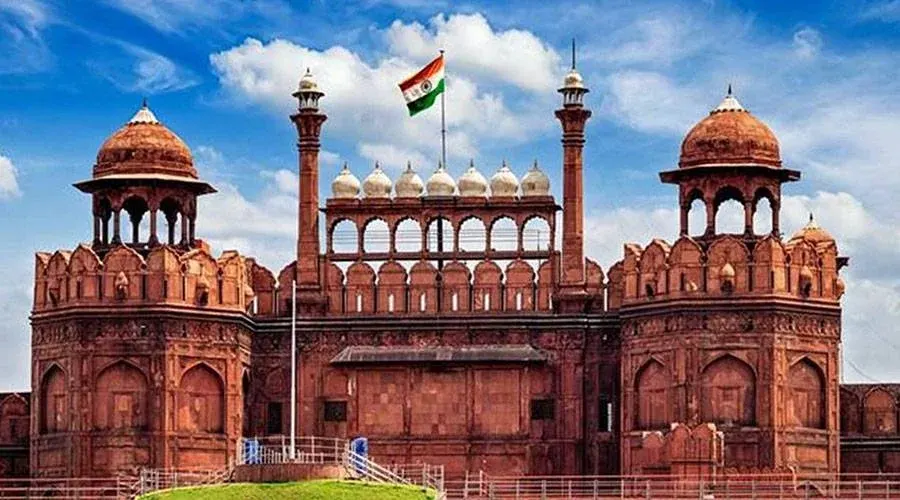
- Red Fort: UNESCO World Heritage Site, 0.5 km
- Chandni Chowk Market: Historic marketplace, 0.2 km
- Jama Masjid: Iconic mosque, 1 km
- Raj Ghat: Memorial of Mahatma Gandhi, 5 km
Quick Facts – Lal Mandir Delhi
| Feature | Details |
|---|---|
| Location | Chandni Chowk, Near Red Fort, Delhi |
| Established | 1658 |
| Dedicated To | Lord Parshvanath (23rd Jain Tirthankara) |
| Architecture Style | Red Sandstone, Mughal & Jain style |
| Famous For | Jain Birds Hospital, Festivals, Carvings, Idols |
| Main Idols | Parshvanath, Mahavir, Rishabhdev |
| Festivals | Paryushan, Samvatsari, Jnana Panchami, Deepawali |
| Nearest Metro | Chandni Chowk Metro Station |
| Entry Fee | Free |
| Best Time to Visit | Morning for worship, evenings for photography and sightseeing |
Lal Mandir Delhi stands as a timeless symbol of Jain spirituality and heritage. With its historic red sandstone architecture, sacred idols, and unique Jain Birds Hospital, it offers a perfect blend of devotion, history, and culture. Visiting Lal Mandir provides a peaceful retreat amid the bustling streets of Chandni Chowk, making it a must-visit for pilgrims, history lovers, and tourists alike.