
Dev Deepawali 2026 in Varanasi: Dates, Traditions, Ghats and Travel Tips
“दीपों से जगमग काशी का हर घाट, गंगा की आरती और आस्था की अनमोल सौगात।”
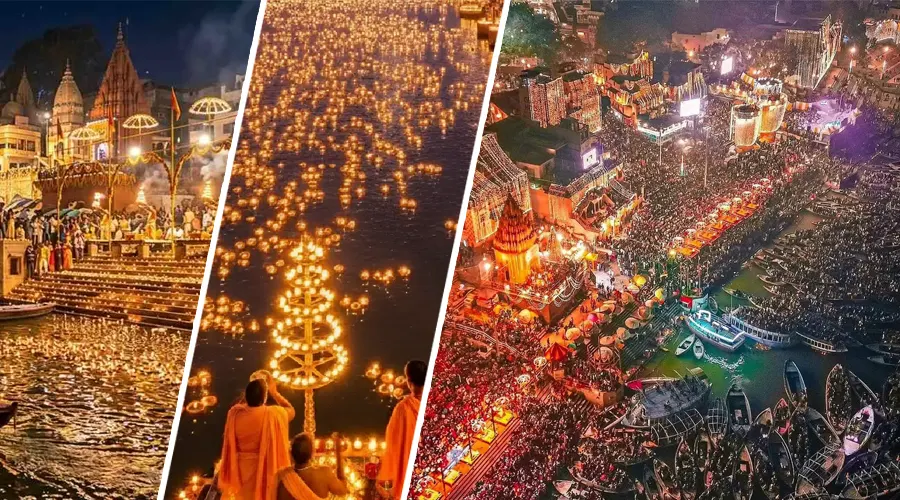
Dev Deepawali is one of the most spectacular religious and cultural celebrations in India. Every year, the ancient city of Varanasi comes alive with thousands of glowing earthen lamps, devotional music, sacred rituals and the grand Ganga Aarti. The sight of illuminated ghats along the holy River Ganga creates an unforgettable atmosphere of faith and celebration.
Often called the Diwali of the Gods, Dev Deepawali is celebrated on Kartik Purnima, fifteen days after Diwali. According to Hindu belief, the gods descend to Earth on this auspicious occasion to bathe in the sacred Ganga. The festival is also associated with Lord Shiva's victory over the demon Tripurasura.
Varanasi, also known as Kashi and Banaras, is the heart of Dev Deepawali celebrations. Devotees and travellers from across India and abroad visit the city to witness its illuminated riverfront, participate in religious ceremonies and experience its rich spiritual heritage.
If you are planning to visit Varanasi during Dev Deepawali 2026, this article covers the festival date, religious significance, famous ghats, celebrations, travel tips and places to explore.
Dev Deepawali 2026 Date and Timings
Dev Deepawali 2026 will be celebrated on Tuesday, November 24, in Varanasi, Uttar Pradesh. The festival coincides with Kartik Purnima, the full moon day of the Hindu lunar month of Kartik.
| Event | Date and details |
| Dev Deepawali 2026 | Tuesday, November 24 |
| Main celebration | Evening of November 24 |
| Traditional observance | Kartik Purnima |
| Location | Varanasi, Uttar Pradesh |
| Deepdaan and Ganga Aarti | Evening, subject to local arrangements |
According to Drik Panchang, the Pradoshkal Dev Deepawali muhurat in Varanasi is from approximately 5:08 PM to 7:47 PM on November 24, 2026. Actual event schedules and access arrangements may vary. Check local announcements before your visit.
What Is Dev Deepawali?
Dev Deepawali is a Hindu festival celebrated with particular enthusiasm in Varanasi. The name combines the words Dev, meaning gods or deities, and Deepawali, meaning a festival of lamps.
Unlike the main Diwali festival, which is associated with several traditions, including the return of Lord Rama to Ayodhya, Dev Deepawali takes place on Kartik Purnima. It has its own religious significance and distinctive celebrations.
On this occasion, devotees light earthen lamps, perform Deepdaan, offer prayers to the River Ganga and participate in religious ceremonies. The ghats, temples and riverfront areas become illuminated, creating a striking view after sunset.
The festival combines devotion, mythology, community participation and the cultural heritage of Varanasi. It is also an important occasion for religious tourism, attracting visitors who wish to experience the spiritual traditions of Kashi.
Why Is Dev Deepawali Celebrated?
Dev Deepawali is celebrated to mark Kartik Purnima and honour important events in Hindu religious tradition.
One widely followed belief holds that the gods descend to Earth on this full moon night to bathe in the River Ganga. Devotees light lamps and offer prayers to welcome the divine presence and seek blessings.
Another important tradition connects the festival with Tripurari Purnima, commemorating Lord Shiva's victory over Tripurasura, a demon associated with three fortified cities. According to Hindu mythology, Shiva destroyed these cities and restored cosmic order. This victory is celebrated as a triumph of good over evil.
The festival also reflects the spiritual importance of the River Ganga. Lighting diyas and performing Deepdaan express gratitude, devotion and hope for peace and prosperity.
For the people of Varanasi, Dev Deepawali is more than a single evening of celebration. It is a powerful expression of the city's religious identity, traditional practices and enduring cultural heritage.
The Religious Significance of Dev Deepawali
Dev Deepawali holds a special place in Hindu traditions because it brings together the worship of Lord Shiva, reverence for the River Ganga and the spiritual importance of Kartik Purnima.
1. Lord Shiva and the Victory Over Tripurasura
According to Hindu mythology, Lord Shiva defeated Tripurasura, marking the victory of divine power over evil. This story gives Dev Deepawali its association with Tripurari Purnima.
Devotees remember this victory through prayers and religious observances, reflecting on the importance of righteousness and the restoration of balance.
2. Worship of the River Ganga
The River Ganga is revered as a sacred river in Hinduism. On Kartik Purnima, many devotees take a holy dip, offer prayers and light lamps along the riverbanks.
During Dev Deepawali, the illuminated ghats provide a beautiful setting for these traditional practices. The festival reinforces the cultural and spiritual connection between Varanasi and the Ganga.
3. The Symbolism of Earthen Lamps
Diyas are central to the celebration. Their light symbolises hope, devotion and the victory of light over darkness.
Thousands of lamps placed along the ghats transform the riverfront into a luminous landscape. For devotees, lighting a diya is also an expression of prayer and gratitude.
4. Kartik Purnima and Spiritual Observance
Kartik Purnima is considered an auspicious day in Hindu tradition. Devotees observe religious rituals, visit temples and participate in charitable activities.
In Varanasi, these practices combine with the grand evening celebrations of Dev Deepawali, making the day especially significant for pilgrims and visitors.
How Is Dev Deepawali Celebrated in Varanasi?
The celebrations begin with religious activities and continue into the evening, when the ghats become the centre of attention.
Lighting of Diyas Across the Ghats
One of the most recognisable features of Dev Deepawali is the lighting of earthen lamps along the riverfront. Volunteers, local residents, religious organisations and devotees participate in decorating designated areas.
As dusk approaches, rows of lamps illuminate the steps, temples and river-facing buildings. Their reflections on the Ganga create one of the most memorable sights in Varanasi.
The scale of the illumination varies each year according to local arrangements, but the atmosphere remains deeply connected to devotion and community participation.
Grand Ganga Aarti
The Ganga Aarti is an important part of Varanasi's religious life and a major attraction during Dev Deepawali.
Priests perform the ceremony using lamps, incense and traditional ritual objects, accompanied by devotional chants and the sounds of bells and conch shells.
Dashashwamedh Ghat is particularly popular for witnessing the evening Aarti. Visitors should arrive well in advance because the area can become extremely crowded during the festival.
Deepdaan
Deepdaan is the traditional offering of lamps as an act of devotion. During Dev Deepawali, devotees light diyas and place them at designated locations along the ghats or participate in other locally permitted forms of lamp offering.
The practice expresses faith, gratitude and prayers for well-being. Visitors should follow local instructions and avoid placing materials in the river where they could cause pollution.
Cultural Programmes
Dev Deepawali may also feature classical music, dance performances, devotional singing and other cultural programmes organised around the city.
These events highlight the artistic heritage of Varanasi, which has long been associated with music, spirituality, literature and traditional crafts. The programme schedule can change each year, so visitors should check current announcements.
Boat Rides on the Ganga
A boat ride can offer a panoramic view of the illuminated riverfront. From the water, visitors may see rows of lamps extending along the ghats, with temples and historic buildings forming the backdrop.
Boat availability, routes, prices and boarding arrangements vary. During Dev Deepawali, demand can be high, so book through a reputable operator and follow all safety instructions.
Best Ghats to Visit During Dev Deepawali 2026
Varanasi has numerous historic ghats along the River Ganga. Each has its own character, religious associations and views of the riverfront.
1. Dashashwamedh Ghat
Dashashwamedh Ghat is among the best-known ghats in Varanasi. It is famous for its evening Ganga Aarti and attracts large numbers of pilgrims and tourists throughout the year.
During Dev Deepawali, the surrounding riverfront becomes a major focus of the celebrations. Visitors can experience devotional ceremonies and the festive atmosphere, although crowd levels can be very high.
Best for: Ganga Aarti, religious ceremonies and the main festival atmosphere.
2. Assi Ghat
Located towards the southern end of the main riverfront, Assi Ghat is a popular destination for pilgrims, students and travellers.
The ghat is known for its morning rituals, cultural activities and views of the Ganga. During Dev Deepawali, it offers another perspective on the city's celebrations.
Best for: Riverfront views, cultural experiences and exploring southern Varanasi.
3. Rajendra Prasad Ghat
Situated near Dashashwamedh Ghat, Rajendra Prasad Ghat is part of the busy central riverfront.
Its location makes it useful for visitors exploring the historic ghats and nearby religious landmarks. Access and viewing conditions during Dev Deepawali depend on local crowd-management arrangements.
Best for: Exploring the central ghats and experiencing the festival's atmosphere.
4. Manikarnika Ghat
Manikarnika Ghat is one of Varanasi's most significant cremation ghats and is associated with Hindu beliefs about death, liberation and the cycle of life.
It is an active sacred site rather than a conventional tourist attraction. Visitors should maintain a respectful distance, avoid intrusive photography and follow local customs.
Best for: Understanding the religious and philosophical traditions of Varanasi, with appropriate respect for ongoing rites.
5. Panchganga Ghat
Panchganga Ghat is an important historic and religious site in Varanasi. It is associated with traditional beliefs about the confluence of sacred rivers.
The ghat offers a quieter opportunity to appreciate the city's religious architecture and heritage, depending on the crowd situation during the festival.
Best for: Religious heritage and exploring Varanasi's historic riverfront.
Travel tip: You may not be able to visit every major ghat on Dev Deepawali evening. Choose one main viewing area, check local access restrictions and allow plenty of time to move through the crowds.
Best Places to Visit in Varanasi During Dev Deepawali
If you are travelling to Varanasi for the festival, consider extending your trip to explore the city's temples, heritage landmarks and nearby attractions.
Kashi Vishwanath Temple
Kashi Vishwanath Temple is one of the most revered temples dedicated to Lord Shiva. It is an important pilgrimage destination and a central part of Varanasi's spiritual identity.
The temple area can be exceptionally busy during major festivals. Check official entry arrangements, security rules and any restrictions before visiting.
Bharat Mata Temple
Bharat Mata Temple is known for its distinctive representation of India through a relief map rather than a conventional deity image. It offers a different perspective on the country's cultural and national heritage.
Tulsi Manas Temple
Tulsi Manas Temple is associated with the poet-saint Tulsidas and the Ramcharitmanas. It is a worthwhile stop for visitors interested in devotional literature and the cultural history of Varanasi.
Sarnath
Located near Varanasi, Sarnath is an important Buddhist pilgrimage site. It is associated with the Buddha's first sermon after attaining enlightenment.
Visitors can explore archaeological remains, Buddhist monuments and museums, subject to opening hours and local arrangements.
Ramnagar Fort
Situated across the Ganga from the main city, Ramnagar Fort is a historic complex associated with the former rulers of Varanasi. Its architecture and collections offer an additional perspective on the region's history.
Check opening times and transport arrangements before adding it to your itinerary.
How to Reach Varanasi for Dev Deepawali 2026
Varanasi is connected to major Indian cities by air, rail and road. However, the festival attracts large crowds, so it is important to plan your arrival and local transport in advance.
By Air
Lal Bahadur Shastri International Airport serves Varanasi. Travellers can check available flights from their departure city and arrange transport to their accommodation.
Journey times between the airport and the city depend on traffic and the location of your hotel. Allow extra time during the festival period.
By Train
Varanasi is served by several railway stations, including Varanasi Junction, Banaras and other stations in the wider urban area.
Rail services connect the city with many major destinations. Book tickets early and confirm which station is most convenient for your accommodation.
By Road
Varanasi is connected to nearby cities and other parts of Uttar Pradesh and neighbouring states through road networks.
On Dev Deepawali evening, traffic diversions, restricted vehicle access and crowded approach roads may affect travel. Follow instructions from local authorities rather than relying on normal journey estimates.
Local Transport
Auto-rickshaws, taxis, cycle-rickshaws and other local transport options are commonly used in Varanasi. During the festival, vehicles may not be allowed close to certain ghats.
Ask your hotel about the nearest permitted drop-off point and be prepared to walk to your chosen viewing area.
Travel Tips for Dev Deepawali 2026
Dev Deepawali is one of the busiest festival occasions in Varanasi. Proper planning can make the experience more comfortable and help you avoid unnecessary delays.
- Book accommodation early: Hotels near the main ghats may fill up well in advance.
- Plan your arrival: Consider reaching Varanasi a day or two before the festival if your schedule allows.
- Choose your ghat beforehand: Select a main viewing area rather than trying to cover the entire riverfront in one evening.
- Arrive early: Crowds increase as sunset approaches. Leave enough time to reach your viewing spot.
- Check traffic restrictions: Local authorities may introduce diversions and pedestrian-only zones.
- Confirm boat arrangements: Use reputable operators and verify boarding points, timings, safety equipment and prices.
- Keep essentials with you: Carry a charged phone, identification, some drinking water and any necessary medication.
- Set a meeting point: If travelling with family or friends, agree on a meeting location in case you become separated.
- Respect religious customs: Ask permission before photographing people and avoid obstructing ceremonies.
- Follow safety instructions: Stay behind barriers, avoid overcrowded steps and follow directions from police and event staff.
What to Wear and Carry During Dev Deepawali
November evenings in Varanasi can feel cool, particularly near the river. Comfortable clothing and suitable footwear will help you move through crowded streets and ghat steps.
Consider carrying:
- Comfortable walking shoes or sandals with good grip.
- A light jacket or warm layer for the evening.
- A small bag for personal essentials.
- A fully charged phone and a power bank.
- Drinking water and any essential medication.
- Cash for small purchases, while keeping valuables secure.
Avoid carrying unnecessary luggage. Large bags may make movement through crowded areas difficult and could be subject to security restrictions.
Food to Try During Your Varanasi Visit
A trip to Varanasi also offers an opportunity to explore the city's distinctive food culture.
Visitors may want to try:
- Kachori sabzi: A popular breakfast featuring fried kachori served with spicy potato curry.
- Banarasi tamatar chaat: A local street-food preparation made with tomatoes, spices and other ingredients.
- Malaiyyo: A seasonal milk-based delicacy associated with the cooler months in Varanasi.
- Banarasi paan: A well-known local speciality traditionally enjoyed after meals.
- Lassi and sweets: Local shops offer a variety of drinks and traditional sweets.
Choose clean, busy food establishments, drink safe water and be mindful of food hygiene, particularly when travelling during crowded events.
Eco-Friendly Ways to Celebrate Dev Deepawali
The River Ganga is central to the religious and cultural identity of Varanasi. Keeping its banks and water clean is essential to preserving the beauty and significance of Dev Deepawali.
Visitors and local communities can support a cleaner celebration by following a few simple practices:
- Avoid throwing plastic, food packaging or other waste into the river.
- Use designated bins and follow local waste-disposal instructions.
- Choose traditional earthen lamps where appropriate.
- Avoid releasing non-biodegradable decorations into the water.
- Follow designated arrangements for Deepdaan and the disposal of ritual offerings.
- Respect restricted areas and do not disturb local residents or religious ceremonies.
- Support responsible tourism operators who follow safety and environmental guidelines.
A sustainable approach helps protect the riverfront and ensures that future generations can experience the festival's cultural beauty.
Why Dev Deepawali Is Important for Indian Cultural Tourism
Dev Deepawali demonstrates how India's living traditions continue to shape its cities, communities and visitor experiences.
Varanasi is known for its temples, ancient streets, religious institutions, music and relationship with the Ganga. During Dev Deepawali, these elements come together in a celebration that connects mythology, ritual and public participation.
The festival also creates opportunities for travellers to learn about local customs, traditional art forms and the religious importance of the ghats. It encourages visitors to explore Varanasi beyond its well-known landmarks and appreciate its role in India's cultural heritage.
Responsible tourism is particularly important during such a large event. Respect for religious practices, local communities, safety arrangements and the environment helps ensure that the festival remains meaningful for residents and visitors alike.
Dev Deepawali 2026 will be celebrated in Varanasi on Tuesday, November 24. The festival's illuminated ghats, traditional Deepdaan, Ganga Aarti and religious observances make it one of the most memorable cultural events in India.
From Dashashwamedh Ghat and Assi Ghat to the temples and heritage landmarks of Kashi, the festival offers visitors a chance to experience the spiritual and cultural richness of Varanasi.
Whether you are travelling for religious reasons, cultural exploration or photography, plan your visit early, follow local safety instructions and respect the traditions of the city.
Dev Deepawali is not simply a festival of lamps. It is a celebration of faith, heritage and the enduring bond between Varanasi and the sacred River Ganga.
Faq About Dev Deepawali 2026 in Varanasi: Dates, Traditions, Ghats and Travel Tips
Ans: Dev Deepawali will be celebrated on Tuesday, November 24, 2026, in Varanasi. It falls on Kartik Purnima, the full moon day of the Hindu lunar month of Kartik.
Ans: According to Hindu belief, the gods descend to Earth on Kartik Purnima to bathe in the sacred River Ganga. This belief gives the festival its popular name, the Diwali of the Gods.
Ans: Varanasi is one of Hinduism's most important sacred cities and has a long-standing spiritual connection with Lord Shiva and the River Ganga. The city's historic ghats have become the centre of Dev Deepawali celebrations.
Ans: The festival is associated with Kartik Purnima, the worship of the River Ganga and Lord Shiva's victory over Tripurasura. It symbolises devotion, spiritual renewal and the victory of good over evil.
Ans: Dashashwamedh Ghat, Assi Ghat, Rajendra Prasad Ghat and Panchganga Ghat are among the ghats visitors may consider. Access and crowd restrictions can vary during the festival.
Ans: The main celebrations take place in the evening as lamps are lit and religious ceremonies begin. The Pradoshkal muhurat listed for Varanasi in 2026 is approximately 5:08 PM to 7:47 PM. Event timings may differ, so check local announcements.
Ans: Boat rides may be available, subject to local arrangements, safety rules and demand. Book through a reputable operator, confirm the boarding point and follow all instructions.
Ans: A stay of two to three days can allow time to explore the ghats, attend festival celebrations and visit major temples and heritage sites. Add extra time if you plan to visit Sarnath or other nearby attractions.
Ans: Varanasi can be reached by air through Lal Bahadur Shastri International Airport, by train through its railway stations and by road from nearby cities. Book transport early because demand is high during the festival.
Ans: Families can experience the festival together, but the large crowds require careful planning. Choose accessible viewing areas, supervise children closely, establish a meeting point and follow local safety instructions.
Comments (0)