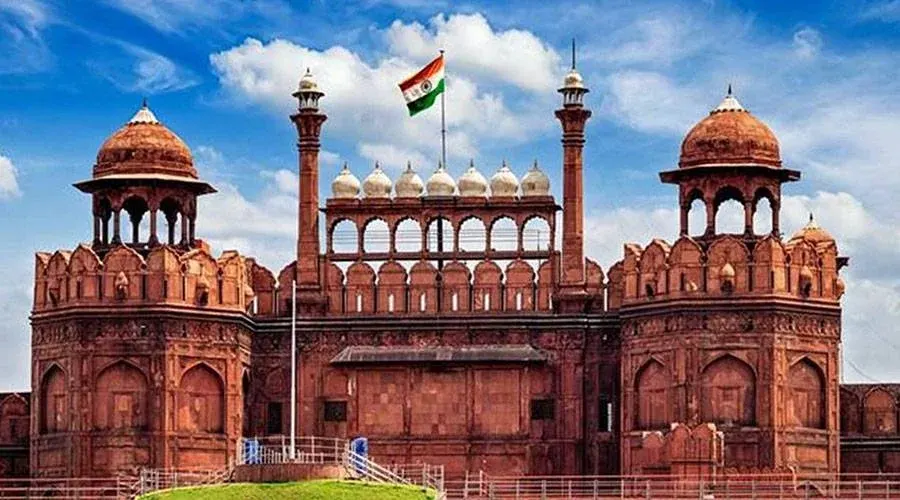
Red Fort, Delhi
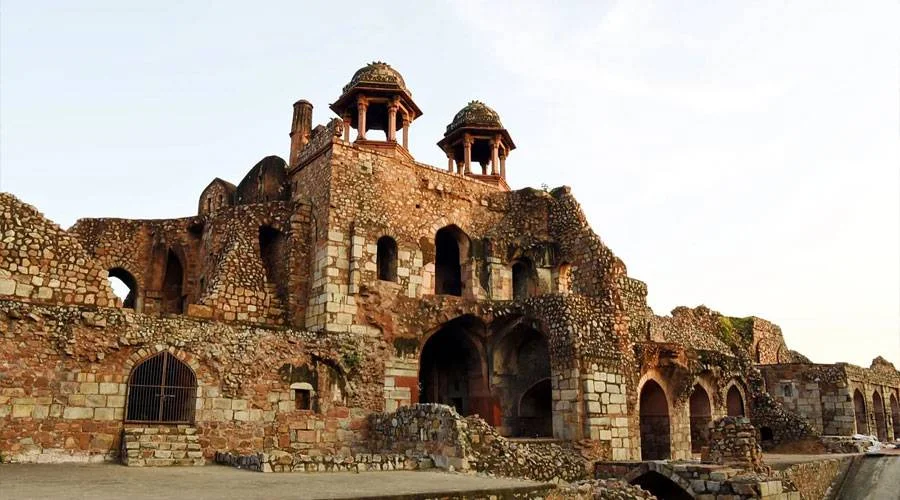
The Red Fort is a historical fortification in the old Delhi area. Shah Jahan constructed it in the year 1639 as a result of a capital shift from Agra to Delhi. Used as the main residence of the emperors of the Mughal dynasty, this imposing piece of architecture derives its name from its impregnable red sandstone walls. In addition to accommodating the emperors and their households, it was the ceremonial and political center of the Mughal state and the setting for events critically impacting the region.
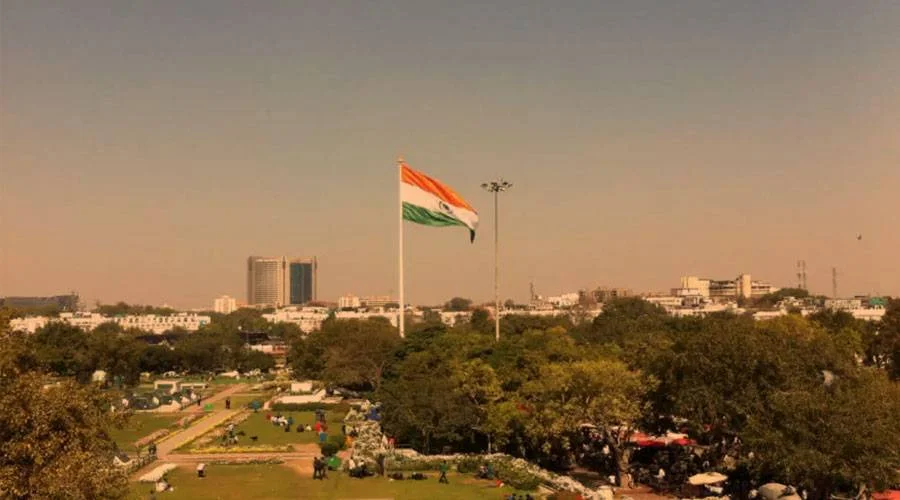
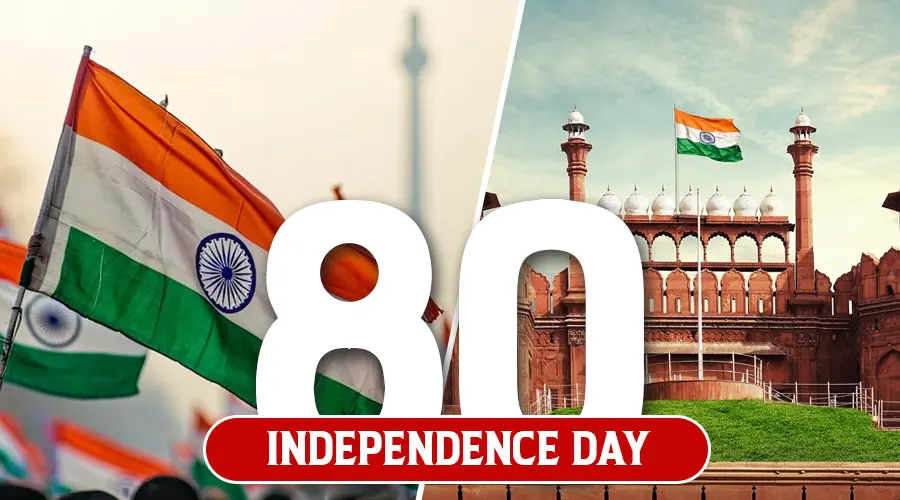
Today, this monument is home to several museums that have an assortment of precious artifacts on display. Every year, the Indian Prime Minister unfurls the national flag here on Independence Day. Formerly known as Quila-e-Mubarak or the Blessed Fort, the Red Fort lies along the banks of the river Yamuna, whose waters fed the moats surrounding the fort.
It was a part of the medieval city of Shahjahanabad, popularly known today as 'Old Delhi'. The entire fort complex is said to represent the architectural creativity and brilliance of Mughal architecture. With so much history and heritage associated with it, the Red Fort is one of the most popular monuments in India and a major tourist attraction in Delhi. It became a UNESCO world heritage site in 2007. The Archaeological Survey of India is at present responsible for the security and preservation of this magnificent monument.
History of Red Fort
The construction of Red Fort began in 1638 and was completed in 1648 under Shah Jahan, who shifted his capital from Agra to Delhi. Originally known as Qila-e-Mubarak (Blessed Fort), it formed the heart of Shahjahanabad (Old Delhi).
The fort witnessed many historical events:
- Aurangzeb (Shah Jahan’s son) added the Pearl Mosque (Moti Masjid).
- In 1739, Persian ruler Nadir Shah invaded and looted treasures including the Peacock Throne.
- The fort was plundered multiple times by Afghans, Marathas, and later occupied by the British after 1857 Revolt.
- The last Mughal emperor, Bahadur Shah Zafar, was exiled after the revolt.
- During British rule, several structures were demolished, but Lord Curzon (1899) restored parts of the fort.
- On 15th August 1947, Jawaharlal Nehru hoisted independent India’s first tricolor here.
Since then, the Red Fort remains a living symbol of India’s history and freedom struggle.
Architecture of Red Fort
The Red Fort architecture is a fine blend of Persian, Timurid, and Indian traditions, showcasing the Mughal grandeur.
Key architectural highlights include:
- Massive Sandstone Walls: Stretching over 2.5 km, with a height of up to 33 meters.
- Diwan-i-Aam (Hall of Public Audience) – A grand hall with nine arches where emperors addressed the public.
- Diwan-i-Khas (Hall of Private Audience) – Once housed the famous Peacock Throne.
- Naubat Khana (Drum House) – Entrance where musicians played ceremonial tunes.
- Mumtaz Mahal & Rang Mahal – Luxurious palaces, with Rang Mahal known for its painted interiors.
- Khas Mahal – Emperor’s private residence with chambers like Tasbih Khana (prayer room) and Khwabgah (sleeping chamber).
- Hammam (Royal Bath) – Decorated bathing chambers with intricate marble work.
- Hayat-Baksh-Bagh (Life-Giving Garden) – Mughal-style garden with pavilions and water channels.
The Red Fort also includes the Salimgarh Fort (1546 AD) within its complex.
Quick Facts – Red Fort Delhi
| Feature | Details |
|---|---|
| Location | Netaji Subhash Marg, Chandni Chowk, Old Delhi |
| District | Central Delhi |
| Built By | Mughal Emperor Shah Jahan |
| Construction Year | 1638 – 1648 |
| Material Used | Red Sandstone & Marble |
| UNESCO World Heritage | Since 2007 |
| Dedicated To | Mughal Residence & Governance |
| Entry Fee | Rs. 35 (Indians), Rs. 550 (Foreigners) |
| Timings | 9:30 AM – 4:30 PM (Closed on Mondays) |
| Best Time to Visit | October – March (Winter & Spring) |
| Nearest Metro | Chandni Chowk / Lal Qila Metro Station |
Festivals & Events at Red Fort
- Independence Day (15th August): National flag hoisting and PM’s address.
- Republic Day Parade (26th January): Celebrations start from Red Fort.
- Sound & Light Show: Evening show narrating Mughal history with lights and music.
Nearby Attractions to Red Fort Delhi
If you are visiting the Red Fort, don’t miss these nearby sites:
| Attraction | Distance from Red Fort |
|---|---|
| Jama Masjid | 1 km |
| Chandni Chowk Market | 500 m |
| Raj Ghat (Mahatma Gandhi Memorial) | 2 km |
| Gurudwara Sis Ganj Sahib | 1 km |
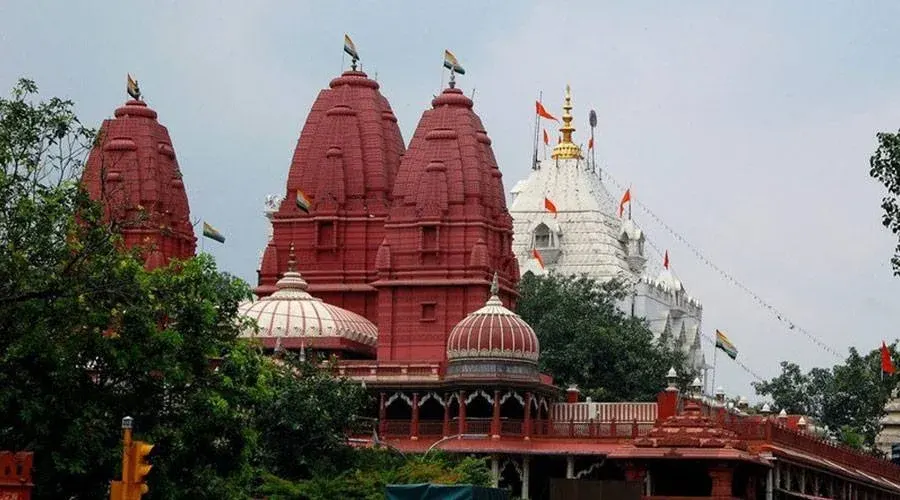
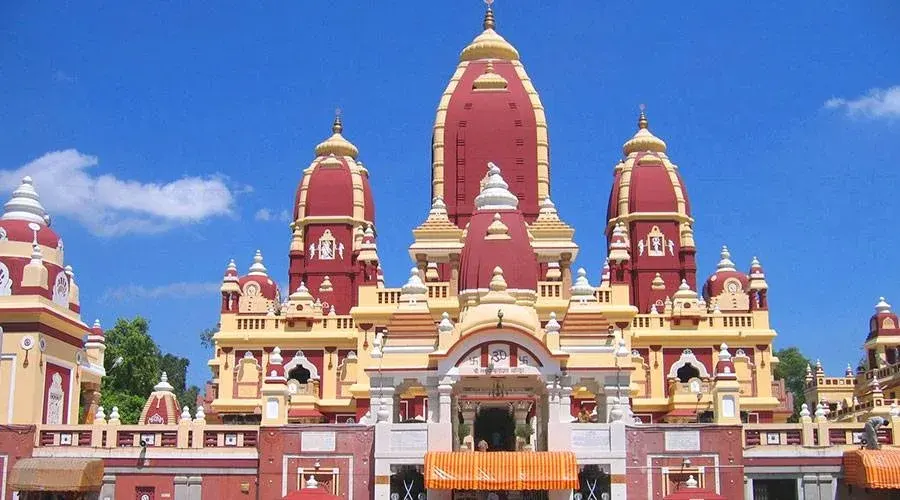
| Digambar Jain Lal Mandir | Opposite Red Fort |
| Fatehpuri Masjid | 1.5 km |
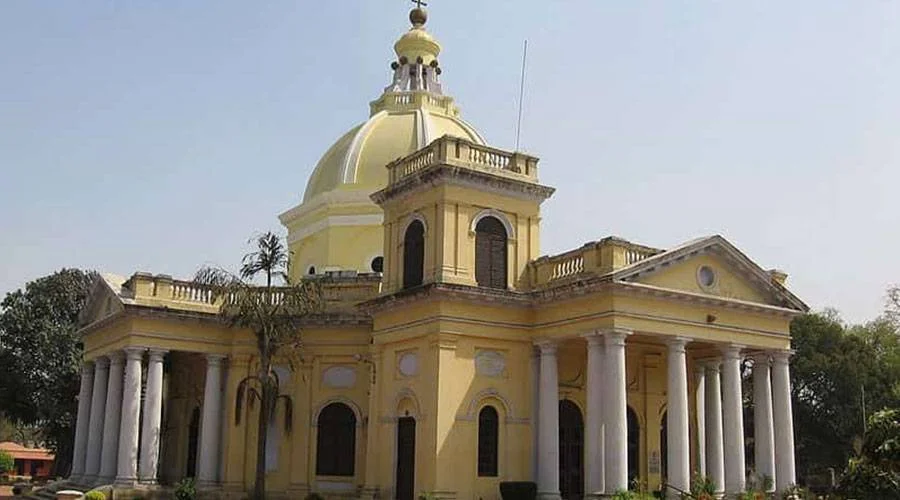
| St. James Church | 2.5 km |
Red Fort Museums – A Glimpse into India’s Glorious Past
One of the biggest attractions inside the Red Fort complex is its series of museums that showcase India’s rich history, art, and culture. Managed by the Archaeological Survey of India (ASI), these museums preserve priceless relics, manuscripts, artifacts, and exhibits that narrate the story of India’s past, from the Mughal era to the struggle for independence.
1. The Indian War Memorial Museum
Located in the Naubat Khana (Drum House), this museum highlights India’s military history. It showcases weapons, arms, costumes, and artifacts from the Mughal, Rajput, and British periods. The collection includes swords, daggers, spears, and even antique armor that reflect India’s rich martial heritage.
2. The Archaeological Museum
Housed inside the Mumtaz Mahal, this museum contains artifacts dating back to the Mughal era. Visitors can see rare manuscripts, miniature paintings, decorative art pieces, textiles, carpets, and everyday objects used by the royals. The collection provides deep insights into the lavish lifestyle of the Mughal emperors.
3. The Museum of India’s Struggle for Freedom
This museum is among the most popular inside the Red Fort. It displays photographs, newspaper clippings, personal belongings of freedom fighters, and rare documents related to India’s freedom movement. The highlight is the gallery dedicated to the 1857 First War of Independence and the later nationalist movements that eventually led to independence in 1947.
4. The Swatantrata Sangram Sangrahalaya (Museum of Freedom Movement)
Another section dedicated to the Indian Independence struggle, it presents paintings, sculptures, letters, and speeches of great leaders like Mahatma Gandhi, Subhas Chandra Bose, Jawaharlal Nehru, and Bhagat Singh. It gives visitors a chance to relive the sacrifices made for the nation’s freedom.
5. The Dr. B. R. Ambedkar Museum
This museum is focused on the life and work of Dr. B. R. Ambedkar, the chief architect of the Indian Constitution. It showcases his writings, photographs, and contributions toward social reform and equality.
6. The Netaji Subhas Chandra Bose Museum
Dedicated to the legendary freedom fighter, this museum exhibits his personal belongings, rare photographs, and documents highlighting his role in India’s independence, especially through the Indian National Army (INA).
The Red Fort of Delhi is not just a monument but a symbol of India’s cultural heritage, Mughal grandeur, and freedom struggle. With its rich history, stunning Mughal architecture, and national importance, it continues to be one of the most visited landmarks in India. Whether you are a history lover, architecture enthusiast, or a traveler exploring Delhi, the Red Fort is a must-visit destination.