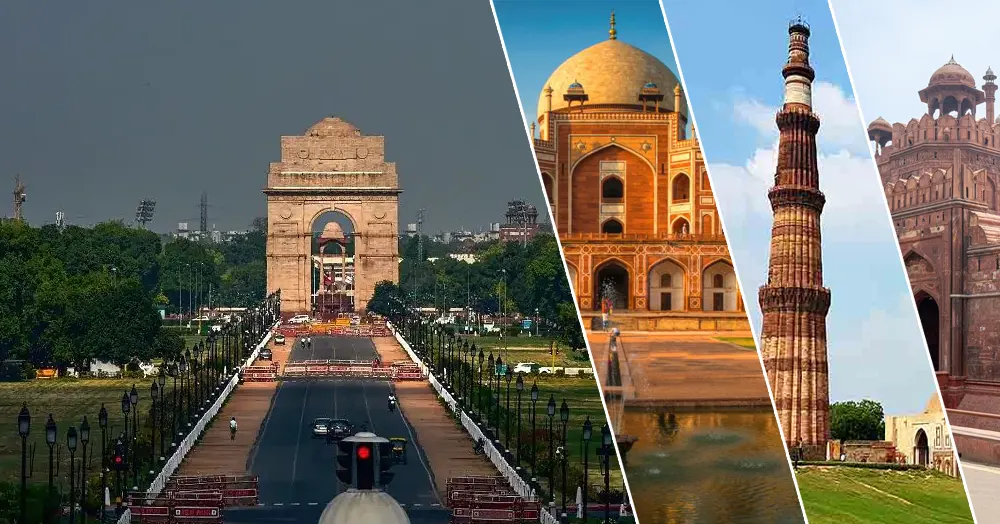
Rajpath, Delhi
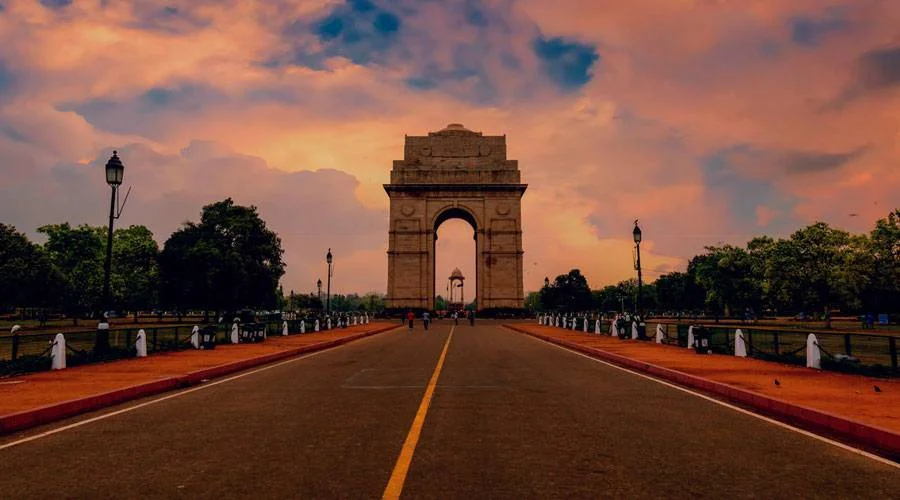
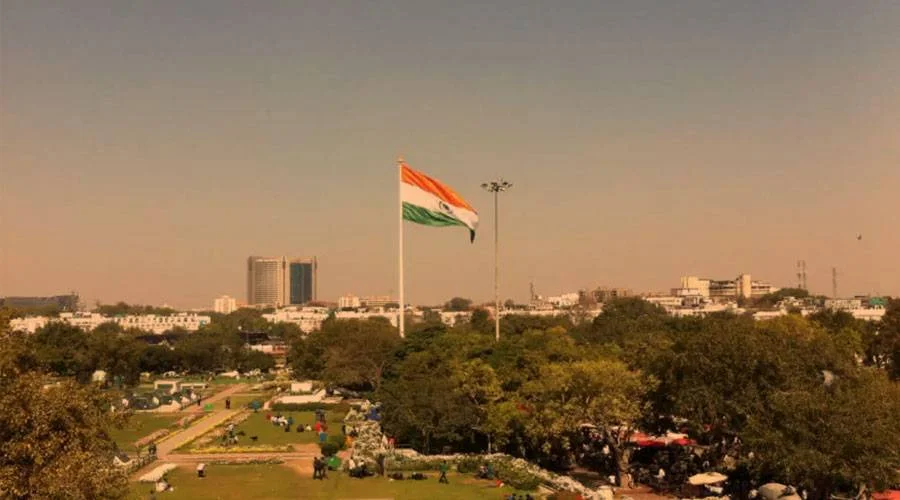
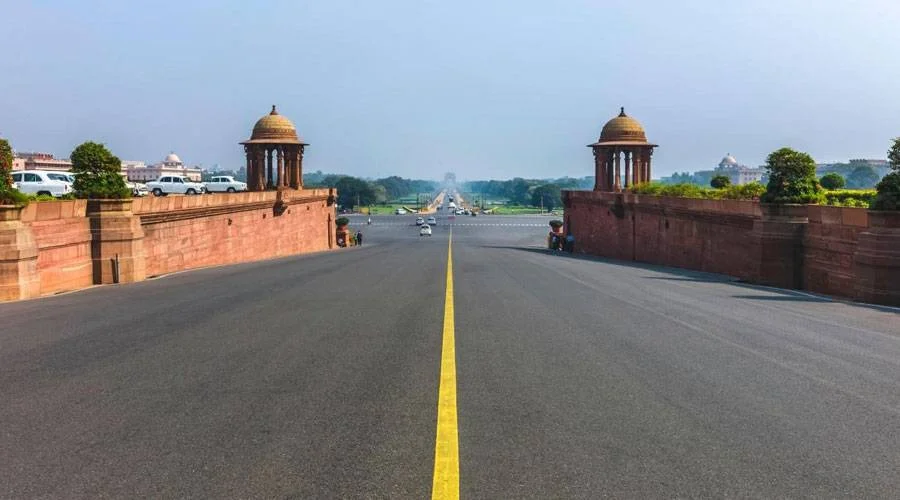
Rajpath, meaning the "King's Way," is one of the most iconic ceremonial avenues in New Delhi, India. Stretching from the majestic Rashtrapati Bhavan on Raisina Hill to the National Stadium, Rajpath passes through the famous Vijay Chowk and India Gate, creating a grand architectural and cultural corridor in the heart of the capital. Known as “The Royal Road,” this avenue is lined with lush gardens, tree rows, and elegant canals, offering a panoramic view of Lutyens’ Delhi.
Constructed by the visionary architect Sir Edwin Lutyens, Rajpath is not only a symbol of India's colonial heritage but also a hub of national celebrations and cultural events.
History of Rajpath
Rajpath was meticulously designed by Sir Edwin Lutyens, who played a pivotal role in planning New Delhi. The avenue was intended to provide an unhindered sightline from the Viceroy’s House (now Rashtrapati Bhavan) to the ceremonial spaces in the city.
Originally built during the British era, the avenue was designed to host grand parades, official ceremonies, and a direct view of the administrative buildings. Over time, Rajpath evolved into the stage for India’s Republic Day Parade, held annually on 26th January, showcasing the country's military strength, cultural heritage, and technological progress.
Architecture and Layout
Rajpath is a masterpiece of urban planning and colonial architecture. The avenue is flanked by the North and South Blocks of the Secretariat, with wide lanes, lush gardens, and decorative fountains. The symmetry, tree-lined boulevards, and open spaces make it an iconic representation of Lutyens’ vision for New Delhi.
The avenue’s design ensures a magnificent view of the Rashtrapati Bhavan, India Gate, and surrounding heritage buildings. It serves as a prime example of how architecture and urban planning can combine aesthetic beauty with functional civic space.
Key Attractions Along Rajpath
- Rashtrapati Bhavan: The official residence of the President of India and an architectural marvel.
- Vijay Chowk: A central ceremonial square hosting major national events.
- India Gate: The war memorial commemorating Indian soldiers who fought in World War I.
- National Stadium: The end point of the Rajpath stretch, used for sporting and ceremonial events.
- Lush Gardens and Canals: Perfect for leisurely walks and photography enthusiasts.
Things to Do
- Attend the Republic Day Parade: A spectacular annual event featuring military and cultural displays.
- Evening Strolls: Enjoy scenic gardens and illuminated landmarks.
- Photography Tours: Capture the grandeur of Lutyens’ Delhi and iconic architecture.
- Explore Nearby Museums: National Museum, National Gallery of Modern Art, and more.
- Visit Heritage Monuments: Connaught Place, Parliament House, and Jantar Mantar are nearby.
Cultural Significance
Rajpath is not just a road; it’s a cultural and political symbol. During major events like Independence Day and Republic Day, the avenue becomes the center of national pride. It also serves as a gathering point for citizens during ceremonial celebrations, marches, and public demonstrations.
Best Time to Visit
The ideal time to explore Rajpath is between October and March, when Delhi experiences cool and pleasant weather. January is especially popular due to the Republic Day Parade, offering visitors a glimpse of India’s military strength and cultural diversity.
How to Reach Rajpath
- By Air: Indira Gandhi International Airport is approximately 18 km away.
- By Metro: Central Secretariat and Udyog Bhavan stations are closest.
- By Road: Easily accessible via taxis, buses, or private cars from anywhere in Delhi.
Nearby Attractions
| Attraction | Distance | Highlights |
|---|---|---|
| Rashtrapati Bhavan | 0 km | Mughal Gardens, Presidential Museum |
| India Gate | 2 km | War Memorial, Evening Lighting |
| National Museum | 1.5 km | Indian History Exhibits |
| Parliament House | 1 km | Lutyens’ Architecture |
| Connaught Place | 3 km | Shopping, Cafes, Nightlife |
Travel Tips
- Carry a camera for scenic shots, especially of Rashtrapati Bhavan and India Gate.
- Security checks are mandatory near Rashtrapati Bhavan; carry valid ID.
- Visit early morning or late evening for cooler weather and fewer crowds.
- Join guided tours to understand the historical context and architecture.
Quick Facts about Rajpath
- Location: Central Delhi, India
- Length: Approximately 3 km (from Rashtrapati Bhavan to National Stadium)
- Architect: Sir Edwin Lutyens
- Significance: Ceremonial boulevard and site of the annual Republic Day Parade
- Also Known As: The Royal Road, King's Way
- Surrounding Landmarks: India Gate, Vijay Chowk, Rashtrapati Bhavan, Secretariat Buildings, National Stadium
- Gardens & Features: Lush green lawns, canals, rows of trees, fountains, and decorative pathways
- Cultural Importance: Showcases India’s military strength, rich heritage, and national celebrations
Rajpath is not just a road; it is a symbol of India’s rich heritage, architectural grandeur, and national pride. Stretching through the heart of Delhi, it offers visitors a chance to experience India’s historical essence, from the Rashtrapati Bhavan to India Gate. Whether witnessing the grandeur of the Republic Day Parade or enjoying the serene green surroundings, Rajpath remains a must-visit landmark for tourists and locals alike. Its combination of history, culture, and ceremonial significance makes it one of the most iconic avenues in India.