Rajghat, Delhi
Raj Ghat is one of Delhi's most revered historical landmarks, serving as the final resting place of Mahatma Gandhi, the Father of the Nation. Located on the banks of the Yamuna River, this serene memorial draws visitors from all over the world who come to pay homage to Gandhiji and other notable Indian leaders. The memorial’s simplicity reflects Gandhi’s philosophy of living a modest and purposeful life.
Apart from being a site of historical significance, Raj Ghat is also an oasis of greenery with beautifully landscaped gardens, pathways, and a peaceful environment that makes it a must-visit for tourists and locals alike.
History of Raj Ghat
Mohandas Karamchand Gandhi, popularly known as Mahatma Gandhi, was assassinated on 30th January 1948, and his cremation took place the following day near the Yamuna River. The exact location of his last rites is marked today by the simple yet powerful Raj Ghat memorial, designed to reflect Gandhiji’s principles of simplicity and humility.
The area was originally named after Raj Ghat Gate, an old gate in Shahjahanabad, Delhi. Over time, the location where Gandhiji’s memorial was constructed came to be known as Raj Ghat. The memorial later became the central area where the samadhis of several notable Indian leaders were built, including Jawaharlal Nehru, Indira Gandhi, Rajiv Gandhi, Lal Bahadur Shastri, Atal Bihari Vajpayee, and others.
Architecture and Design
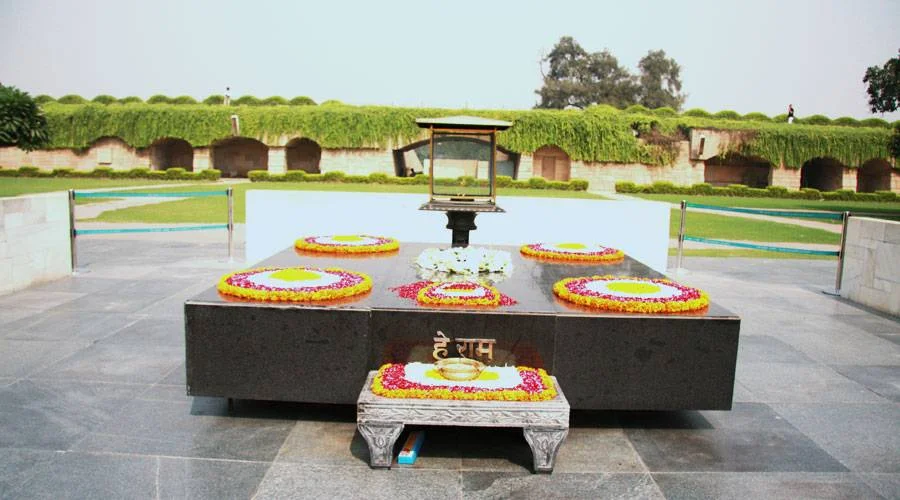
Raj Ghat features a black marble square platform marking the exact spot of Gandhi’s cremation. The words “Hey Ram”, the last words spoken by Gandhiji, are inscribed on the platform. Atop the marble platform burns an eternal flame, enclosed in a glass frame, symbolizing his everlasting legacy.
A stone pathway flanked by lush green lawns leads visitors to the memorial. The memorial is enclosed within a walled area and is surrounded by meticulously landscaped gardens. Several trees planted by world dignitaries such as Queen Elizabeth II, Ho Chi Minh, and Dwight D. Eisenhower add to the charm and significance of the gardens.
The memorial was designed by Vanu G. Bhuta, while the landscaping was done by Alick Percy-Lancaster, the last British national to serve as Superintendent of Horticultural Operations under the Government of India.
Gandhi Memorial Museum
The Gandhi Memorial Museum at Raj Ghat provides an insight into Gandhiji’s life, philosophy, and contributions to India’s freedom struggle. Visitors can explore photographs, sculptures, and exhibits detailing the Sarvodaya Movement.
- Timings: 9:30 AM – 5:30 PM (Closed on Thursdays)
- Special Film Shows: Sunday at 4 PM (Hindi) and 5 PM (English)
The museum complements the memorial by offering educational insights into the principles and ideals Gandhiji stood for, making it a must-visit for history enthusiasts.
Nearby Attractions
Raj Ghat is located in Central Delhi, making it easily accessible from many parts of the city. Nearby attractions include:
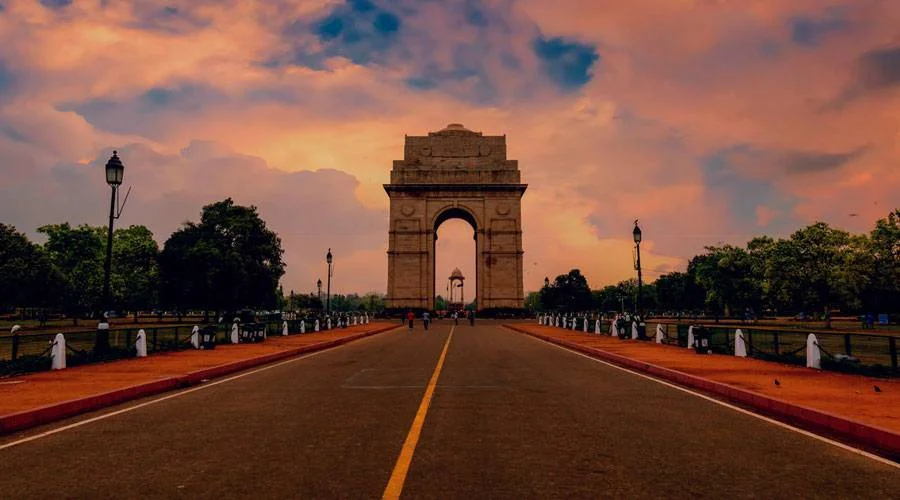
- India Gate – 5 km
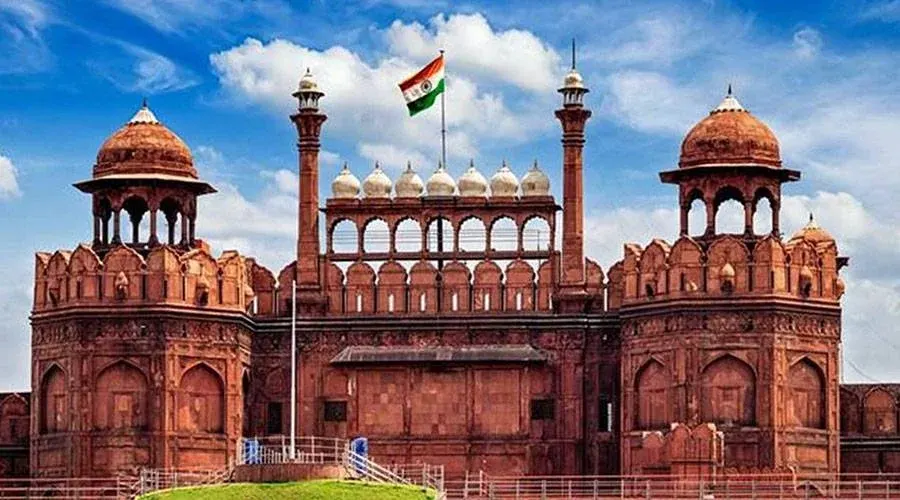
- Red Fort – 7 km
- Jama Masjid – 6 km
- Connaught Place – 6 km
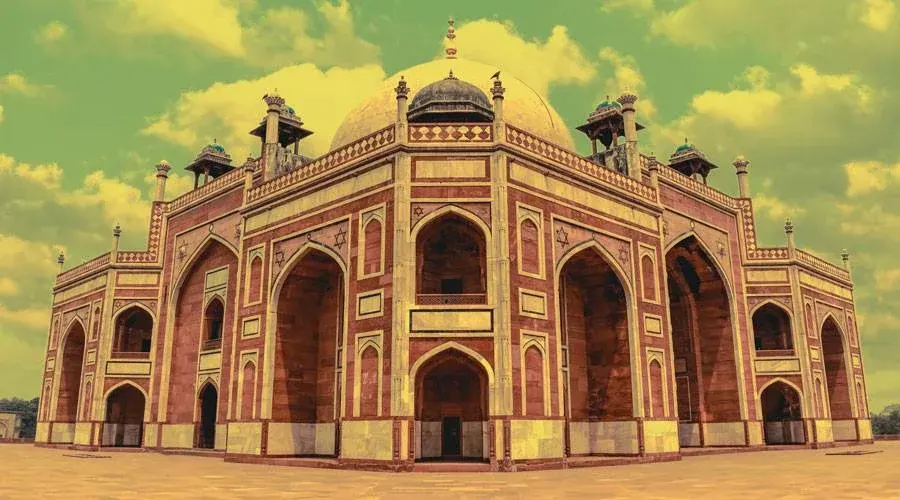
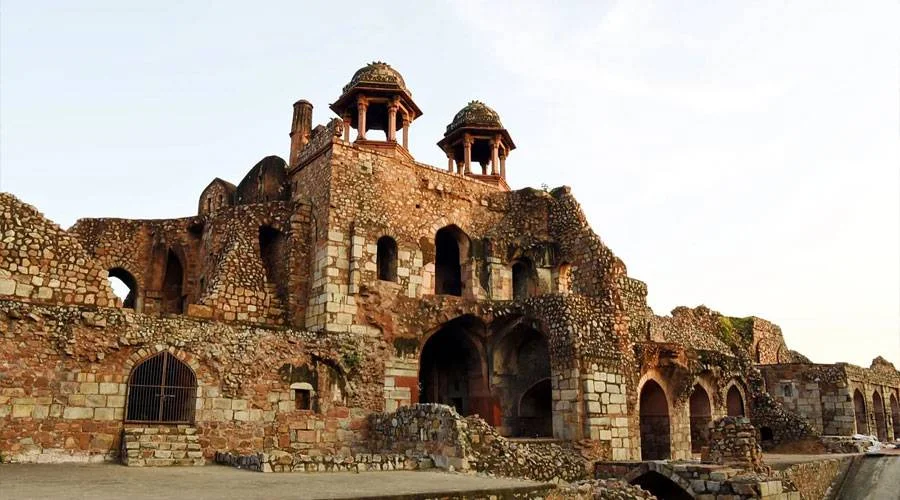
- Purana Qila (Old Fort) – 4 km
This central location allows tourists to combine a visit to Raj Ghat with other famous Delhi attractions for a full-day sightseeing experience.
Travel Tips for Visitors
- Best Time to Visit: October to March (pleasant weather and greenery in full bloom)
- Entry Fee: Free for the memorial; museum may have nominal charges
- Guidelines: Maintain silence and decorum; photography inside the memorial is restricted
- Transport: Easily accessible by taxi, metro (closest station: ITO/Indraprastha), and bus
Quick Facts about Raj Ghat
| Fact | Details |
|---|---|
| Location | Central Delhi, near Yamuna River |
| Established | 1948 |
| Built By | Government of India |
| Memorial Type | Black marble platform with eternal flame |
| Famous Visitors | Queen Elizabeth II, Ho Chi Minh, Dwight D. Eisenhower |
| Museum Timings | 9:30 AM – 5:30 PM (Closed Thursdays) |
Raj Ghat is not just a memorial; it is a celebration of the life and legacy of Mahatma Gandhi and other eminent Indian leaders. The combination of historical significance, serene gardens, and educational exhibits makes it an essential stop for anyone visiting Delhi. Whether you are a history enthusiast, a student, or a traveler seeking tranquility amidst the bustling city, Raj Ghat offers a reflective experience unlike any other.