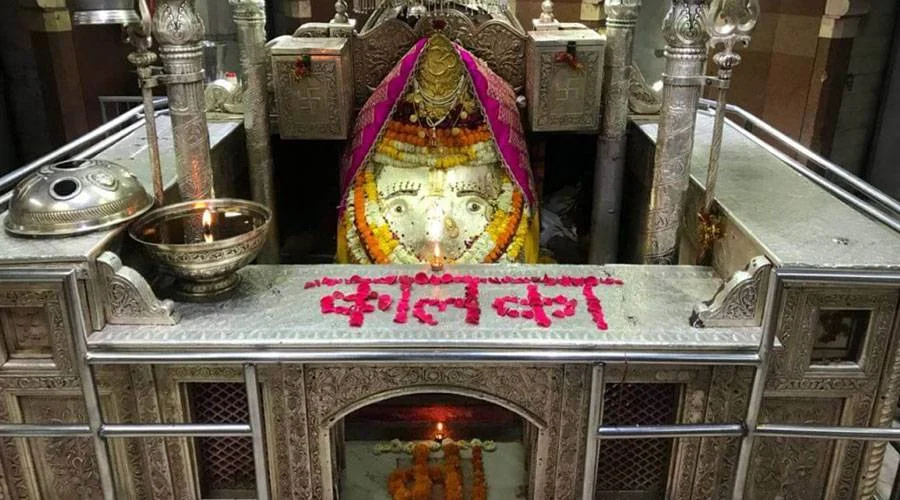
Shri Kalkaji Mandir, Delhi
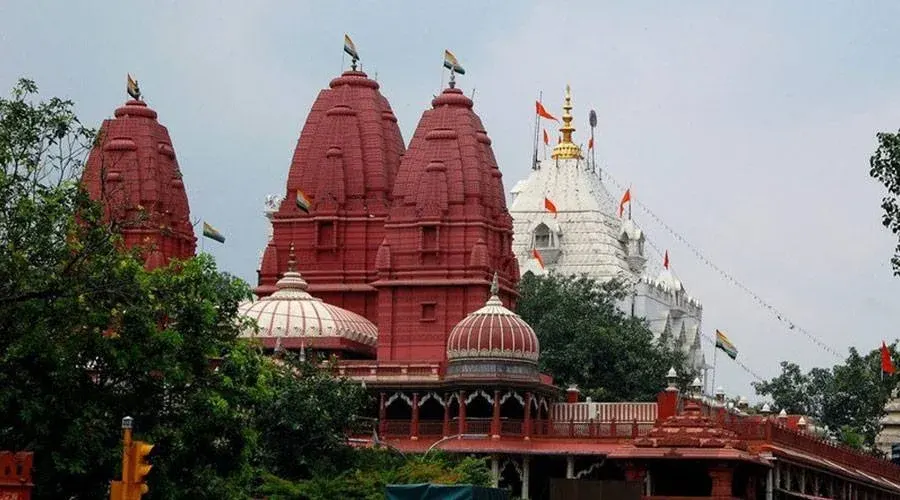
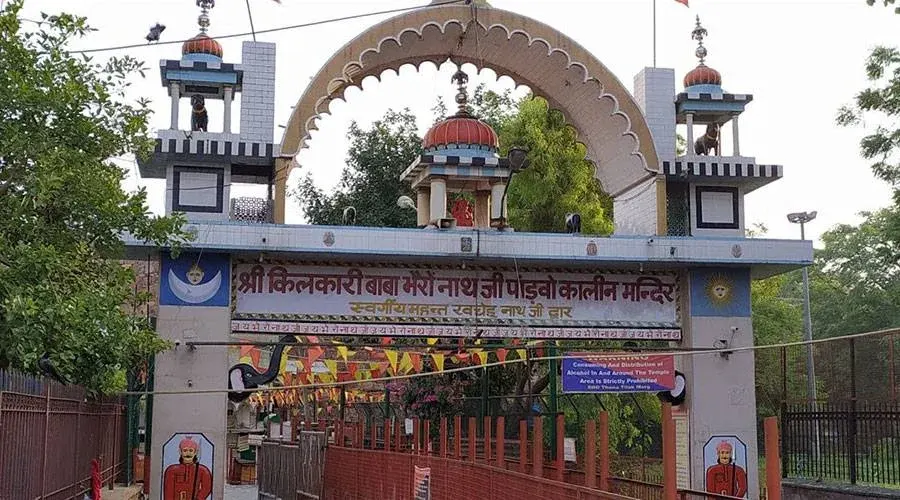
Perhaps, one of the busiest Hindu temples in Delhi, Shri Kalkaji Mandir is dedicated to Goddess Kali, another form of Maa Aadi Shakti. This temple is also touted as Jayanti Peetha or Manokamna Siddha Peetha; the term manokamna means desire, Siddha means accomplishment and peetha refers to a shrine.
Therefore, it is said that Goddess Kali fulfills the desires and wishes of the devotees who come here to offer their prayers with a pure heart and true soul. Not just this, the temple traces its history from Satya Yuga (an ancient Hindu era) and is believed to be one of the oldest Maa Kali temples in India. This fact also makes it one of the major tourist attractions in Delhi. Throughout the year, you can witness a large gathering of devotees, especially on Saturdays.
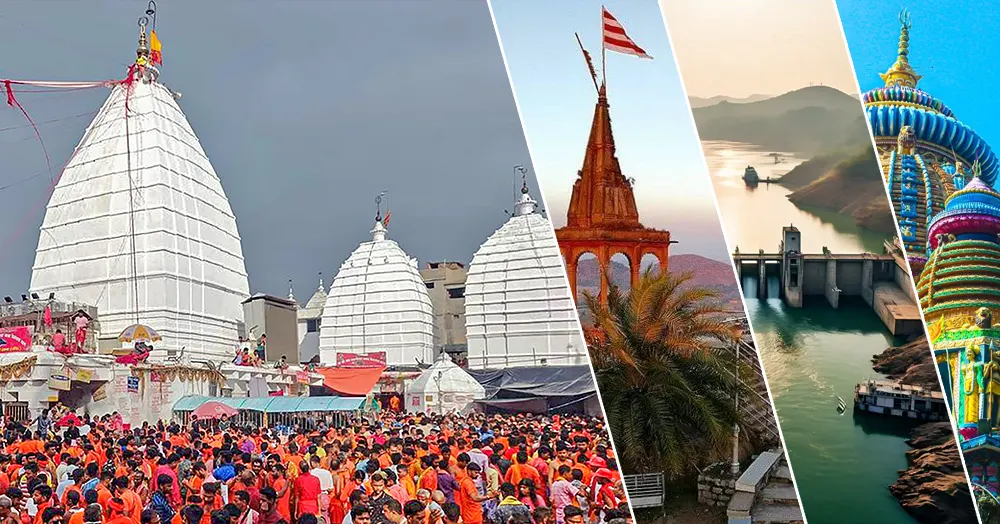
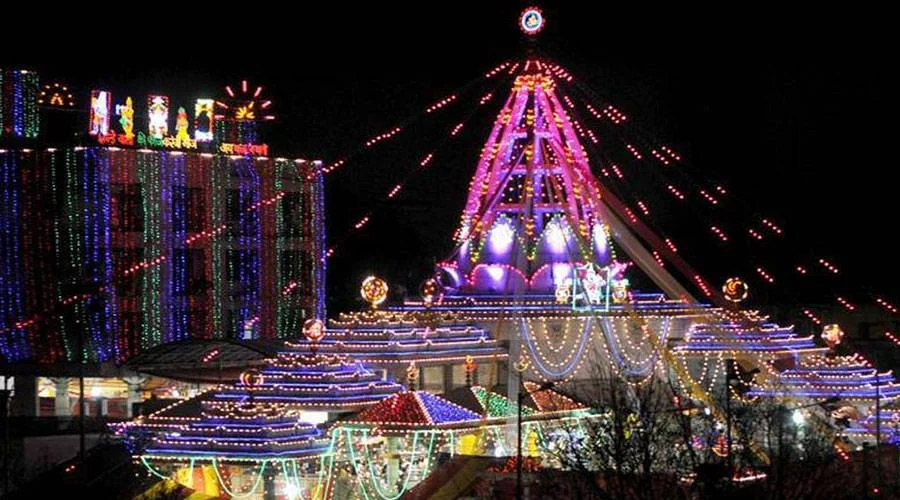
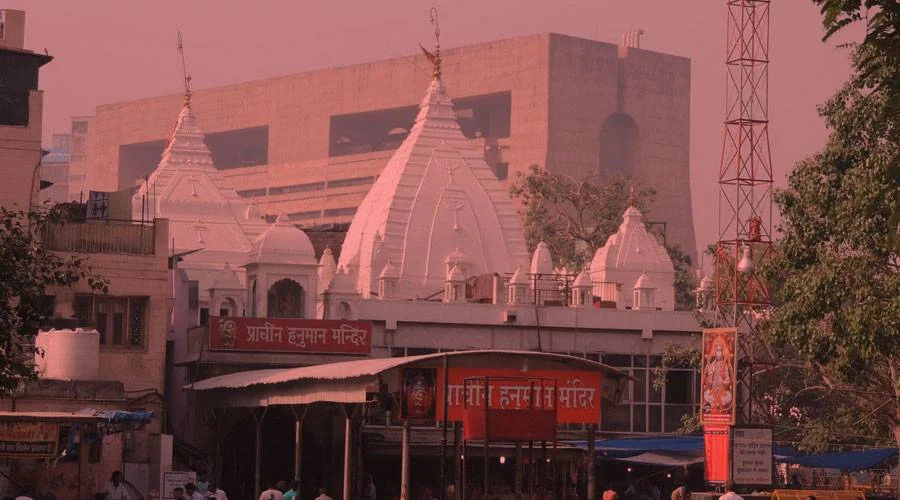
The festival of Navratri also marks a significant footfall of devotees who come here to perform pilgrimage from far and wide. During this time, a large fair is also organized at the temple which thronged with devotees. Moreover, on the way towards the temple, you can find several vendors selling prasad (holy offering), religious items, and even sweets.
The bustling view outside the temple is so surreal that it will automatically give you a feeling of spirituality, right from the lane of the temple. Another belief states that the image of Goddess Kali at Kalkaji Mandir is a self-manifested one, and thus, the temple is considered as one of the highly revered shrines in Delhi. Furthermore, various religious activities like marriages and the offering of hair are performed at the temple.
History of Shri Kalkaji Mandir
The origins of Kalkaji Mandir date back to Satya Yuga, making it one of the oldest Maa Kali temples in India. Legends state that both the Pandavas and Kauravas worshipped here during the Mahabharata era.
The first formal construction of the shrine was carried out in 1734, and over centuries, it underwent several renovations. Raja Kedarnath made significant changes in the 19th century, while the current structure was largely shaped during the 20th century through donations from devotees.
The Mythological Legend
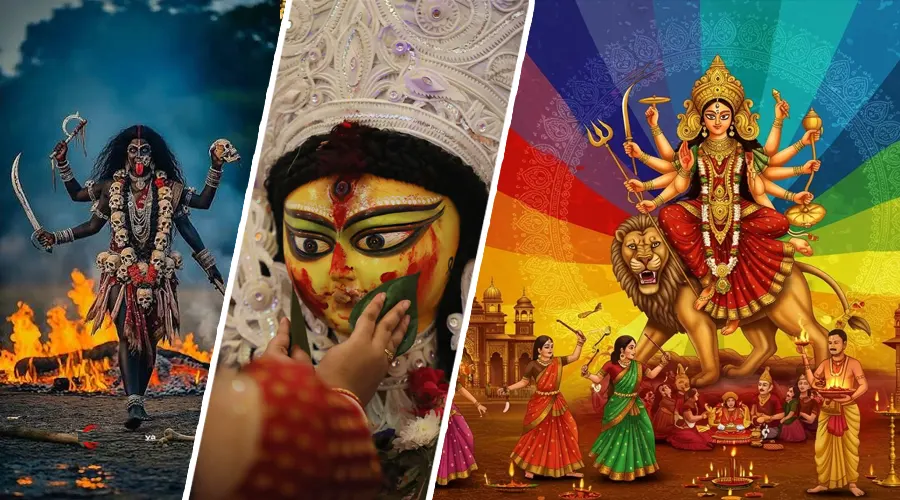
According to folklore, two demons once tormented the gods in the region. When they approached Goddess Parvati for help, she created Kaushki Devi to defeat them. However, when more demons rose from their spilled blood, Goddess Kali emerged from Kaushki Devi’s eyebrows and destroyed them, drinking their blood to prevent their revival.
It is believed that Goddess Kali manifested herself at this very spot, making Kalkaji Mandir a powerful seat of divine energy.
Architecture of Kalkaji Mandir
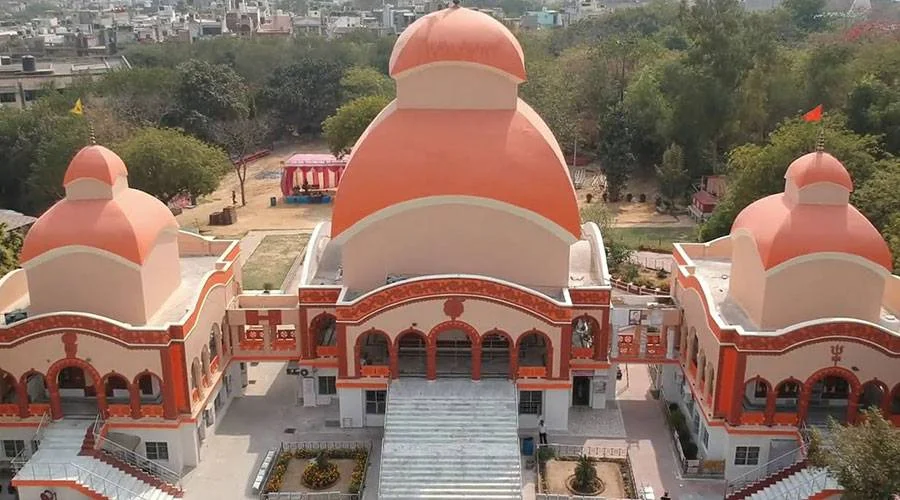
The present structure of Kalkaji Temple reflects a blend of simplicity and devotion:
- A 12-sided central chamber carved with marble, surrounded by verandahs.
- Built with black pumice stone and marble with brick-and-plaster masonry.
- A pyramidal tower (shikhara) rises above the sanctum.
- Several dharamshalas (rest houses) around the complex for devotees.
The idol of Goddess Kali is believed to be self-manifested (Swayambhu), adding to the temple’s spiritual aura.
Nearby Attractions
When visiting Shri Kalkaji Mandir, devotees and tourists can also explore these nearby places:
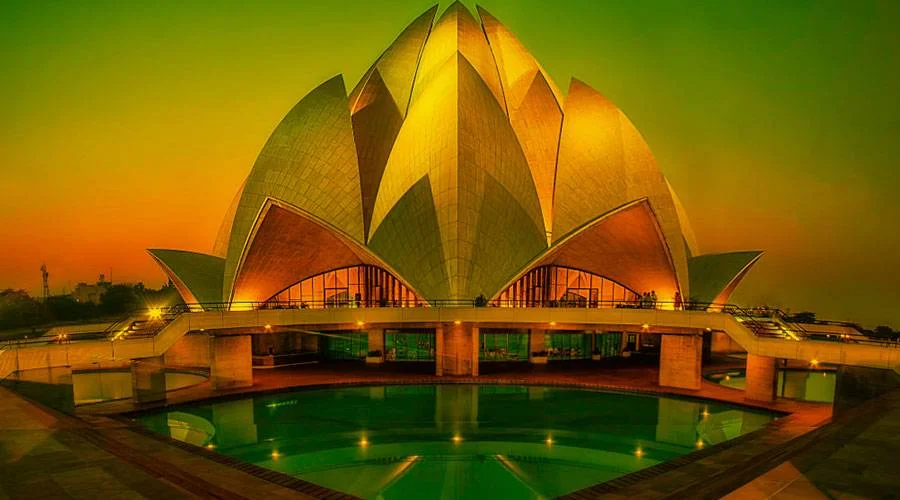
- Lotus Temple (1 km) – Iconic Bahai House of Worship shaped like a lotus.
- Nehru Place Market (1 km) – Famous hub for electronics and computer accessories.
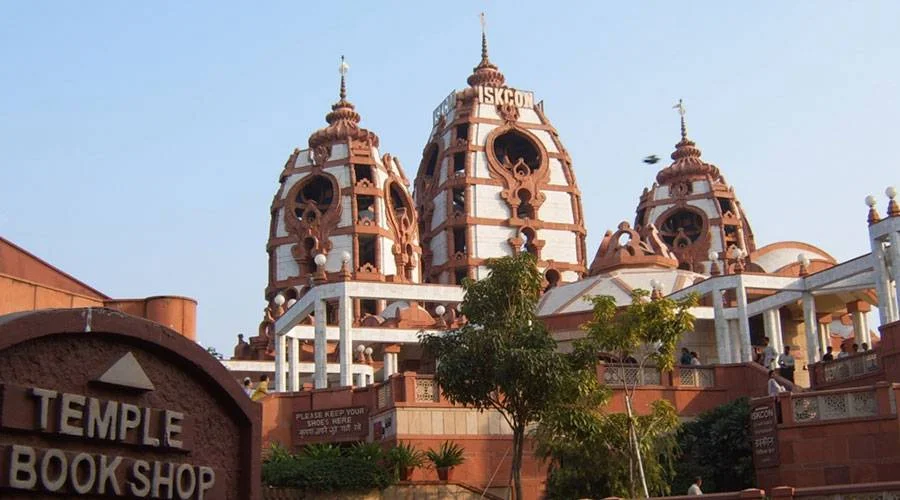
- ISKCON Temple (2 km) – A major Krishna temple known for evening aartis and spiritual shows.
- Astha Kunj Park (2 km) – A large green park ideal for relaxation.
- Kalkaji District Park (1.5 km) – Popular among locals for morning walks and peaceful surroundings.
Quick Facts – Shri Kalkaji Mandir Delhi
| Feature | Details |
|---|---|
| Location | Kalkaji, near Nehru Place, South East Delhi |
| District | South East Delhi |
| Dedicated To | Goddess Kali (Maa Aadi Shakti) |
| Year Established | Believed to be 3000+ years old; first construction in 1734 |
| Other Names | Jayanti Peetha, Manokamna Siddha Peetha |
| Special Rituals | Marriage ceremonies, mundan (hair offering), wish-fulfillment rituals |
| Major Festivals | Navratri, Saturdays |
| Entry Fee | Free (donations accepted) |
| Temple Timings | 4:00 AM – 11:30 PM (with breaks for rituals) |
| Best Time to Visit | During Navratri (March–April & September–October) |
| Nearest Metro | Kalkaji Mandir Metro Station (Violet Line & Magenta Line) |
Shri Kalkaji Mandir in Delhi stands as a timeless testimony to faith, devotion, and cultural heritage. Revered as one of the oldest Maa Kali temples in India, it attracts thousands of devotees daily, especially during Navratri. With its ancient history, divine legends, and vibrant surroundings, the temple offers a unique spiritual experience for both pilgrims and tourists. Whether you seek blessings, wish fulfillment, or simply a glimpse of Delhi’s sacred past, Kalkaji Mandir is a must-visit destination.