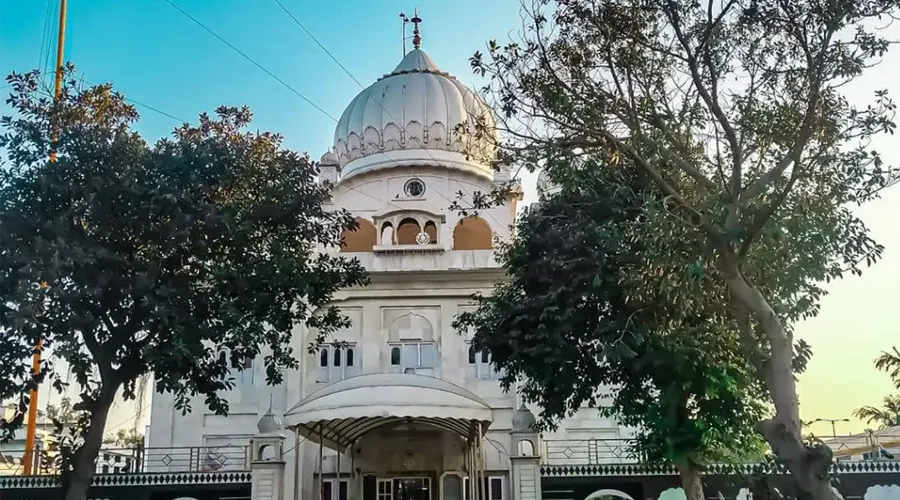
Majnu Ka Tilla Gurudwara
Gurudwara Majnu Ka Tila Sahib is one of the most historic Sikh shrines in Delhi, located opposite Timarpur Colony, along the serene banks of the River Yamuna. Dedicated to Guru Nanak Dev Ji, the founder of Sikhism, this Gurudwara is an important place of worship and a symbol of faith, devotion, and service. Its location beside the Yamuna offers breathtaking views, especially during sunrise and sunset, making it a peaceful retreat for devotees as well as photographers.
The site derives its name from an Iranian Sufi mystic named Abdulla, popularly called Majnu (meaning "mad in love"), whose unwavering devotion to God became legendary. It was here in 1505 that Majnu met Guru Nanak Dev Ji, a meeting that transformed his life and made the spot spiritually significant. Over the centuries, this site evolved into the present-day Majnu Ka Tila Gurudwara, which remains an enduring testimony of faith and unity.
Historical Significance of Majnu Ka Tila Gurudwara
The name "Majnu Ka Tila" literally means "the hillock of Majnu." During the reign of Sultan Sikandar Lodhi in the Delhi Sultanate (15th century), Abdulla (Majnu), a Sufi mystic from Iran, dedicated his life to serving people. He ferried people across the Yamuna River free of charge, seeing this act as service to God. His devotion earned him the name Majnu, after the legendary Persian lover who was consumed by love.
On 20th July 1505, Majnu met Guru Nanak Dev Ji during the Guru’s travels across India. Deeply moved by Guru Nanak’s teachings and divine presence, Majnu became his devoted follower. Guru Nanak stayed here till the end of July, blessing the place with his spiritual presence. Over time, this spot became a center of religious discourses between saints, yogis, Sufis, fakirs, and Guru Nanak himself.
Later, the Sixth Sikh Guru, Guru Har Gobind Sahib Ji, also stayed at this sacred site when Emperor Jehangir invited him to Delhi. The site grew in importance and a Gurudwara was established to commemorate Guru Nanak’s stay.
- In 1783, Sikh military leader Baghel Singh constructed the Majnu Ka Tila Gurudwara.
- In the 19th century, Maharaja Ranjit Singh, the Sikh emperor, donated the surrounding estate to support the Gurudwara.
- Today, it is recognized as one of the oldest Sikh shrines in Delhi.
Evolution of Majnu Ka Tila Area
Majnu Ka Tila is not only famous for the Gurudwara but also for its surrounding settlements. The area developed in phases:
- Early 1900s: Laborers working on the construction of New Delhi’s Central Secretariat buildings were settled here by the British.
- Post-independence (1958–59): The Land and Development Wing of the Urban Development Ministry allotted 925 residential plots in Aruna Nagar, resettling people from different parts of North Delhi.
- 1960s onwards: Tibetan refugees settled here after fleeing Tibet, leading to the development of the famous New Aruna Nagar Tibetan Colony.
- Recent decades: Two large hutment clusters (jhuggi-jhopari) developed on the periphery, making Majnu Ka Tila a vibrant mix of Sikh, Tibetan, and Indian cultures.
Architecture of Gurudwara Majnu Ka Tila
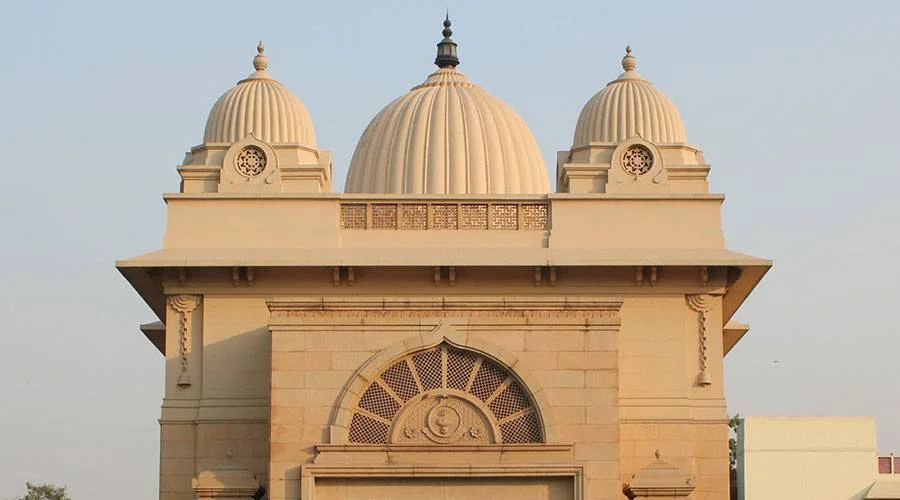
The Gurudwara Majnu Ka Tila Sahib is a small yet spiritually powerful complex, built primarily with white marble, which enhances its serene beauty.
Key Architectural & Religious Features:
- Main Shrine: Houses the Guru Granth Sahib Ji (holy scripture of Sikhism) where daily prayers and kirtans (devotional hymns) are performed.
- Sacred Pond (Sarovar): A small water body within the premises adds to the sanctity of the shrine.
- Langar Hall: A community kitchen where free food (Langar) is served to all visitors, regardless of caste, creed, or religion.
- Well Inside the Compound: An ancient well within the Gurudwara premises continues to hold historical and spiritual value.
- Marble Structure with Dome: The white marble walls and majestic dome give the Gurudwara a simple yet divine charm.
Festivals & Celebrations
The Gurudwara is a hub of spiritual and cultural celebrations, with the most prominent being:
- Baisakhi (Birth of Khalsa):
Every year on 13th or 14th April, the Gurudwara celebrates the festival of Baisakhi with grandeur. Baisakhi marks the founding of the Khalsa Panth by Guru Gobind Singh Ji on 30th March 1699. The word Khalsa, derived from the Arabic Khalis (meaning “pure”), represents baptized Sikhs dedicated to the Sikh faith.
On this day, the Gurudwara is beautifully decorated with lights, special prayers are held, and a grand Langar is organized for devotees and visitors alike. - Gurpurabs:
The birth anniversaries of Sikh Gurus, especially Guru Nanak Dev Ji and Guru Gobind Singh Ji, are celebrated with kirtans, prayers, and community feasts.
These celebrations highlight Sikhism’s core values of equality, service, and devotion.
Spiritual Experience at Majnu Ka Tila
Visiting Gurudwara Majnu Ka Tila Sahib is not just about history but also about experiencing peace and divinity. The calm Yamuna River flowing nearby, the soulful kirtans inside the shrine, and the warmth of Langar service together create an atmosphere of spiritual bliss.
It is also a place where people of different faiths come together, symbolizing Guru Nanak’s message of unity, humility, and universal brotherhood.
Quick Facts about Gurudwara Majnu Ka Tila Sahib:
| Feature | Details |
|---|---|
| Location | Opposite Timarpur Colony, North Delhi |
| Founded | 1783 by Baghel Singh |
| Dedicated To | Guru Nanak Dev Ji |
| Historical Event | Guru Nanak met Majnu (Abdulla) in July 1505 |
| Other Guru’s Visit | Guru Har Gobind Sahib Ji |
| Patronage | Estate donated by Maharaja Ranjit Singh |
| Architecture | White marble complex with dome, sarovar, and langar hall |
| Major Festival | Baisakhi (Khalsa Birth Anniversary) |
Gurudwara Majnu Ka Tila Sahib is more than just a historic shrine—it is a symbol of devotion, service, and spiritual enlightenment. From the humble prayers of a Sufi mystic Majnu to the blessings of Guru Nanak Dev Ji, and from the architectural contributions of Baghel Singh to the generosity of Maharaja Ranjit Singh, the site carries centuries of faith and cultural evolution.
Today, nestled along the Yamuna River, it remains a sacred haven for devotees and a reminder of Sikhism’s eternal values of equality, humility, and devotion to God.