
Dussehra 2026: Date, Significance, Ravan Dahan & Celebrations
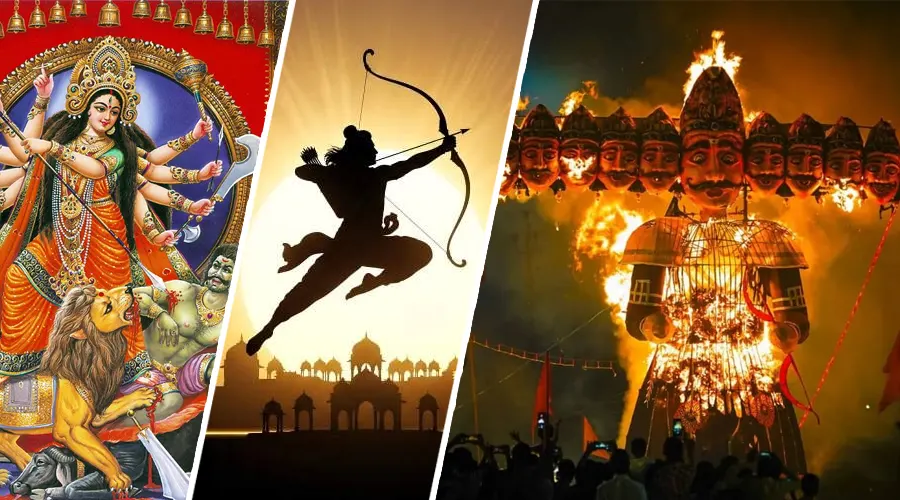
Dussehra, also known as Vijayadashami, is one of India's most widely celebrated festivals. It represents the triumph of good over evil and marks an important moment in the Hindu religious and cultural calendar.
Across India, Dussehra takes different forms. In northern India, huge effigies of Ravana are burned during Ravan Dahan, while cities such as Mysuru celebrate Dasara with grand processions and royal traditions. In several parts of the country, Vijayadashami is also associated with the victory of Goddess Durga over Mahishasura.
For travellers, Dussehra offers a fascinating opportunity to experience India's mythology, performing arts, religious traditions, fairs and community celebrations.
What Is Dussehra?
Dussehra is the culmination of the traditional ten-day period associated with Navratri and Vijayadashami. The festival is commonly connected with Lord Rama's victory over Ravana in the Ramayana.
The day also carries a different but equally important meaning in many eastern and northeastern parts of India, where it marks the victory of Goddess Durga over the buffalo demon Mahishasura.
Although the stories and customs vary from region to region, the central message remains the same: goodness, truth and righteousness ultimately overcome evil and injustice.
Why Is Dussehra Celebrated?
Dussehra is celebrated to commemorate important victories associated with Hindu mythology.
Victory of Lord Rama Over Ravana
According to the Ramayana, Lord Rama defeated Ravana after a great battle. Ravana is traditionally portrayed as a powerful ruler whose actions represented arrogance, desire and misuse of power.
The victory of Rama is therefore remembered as the triumph of righteousness over wrongdoing.
Victory of Goddess Durga Over Mahishasura
In another major tradition, Vijayadashami marks Goddess Durga's victory over Mahishasura.
This story celebrates the power of divine Shakti and the victory of good over destructive forces.
These two traditions give Dussehra a rich cultural identity that changes across different parts of India.
The Story Behind Ravan Dahan
One of the most recognisable traditions of Dussehra is Ravan Dahan, in which large effigies of Ravana are burned, often alongside those of Meghnad and Kumbhakarna.
The tradition symbolically represents the destruction of evil and negative qualities.
In many cities, Ravan Dahan takes place after days of Ramlila performances. Crowds gather in large open grounds to watch the final scenes of the Ramayana followed by the burning of the effigies.
The spectacle often includes fireworks, music, fairs and food stalls, making it both a religious and community event.
Ramlila and Dussehra Celebrations
Ramlila is a traditional theatrical presentation of episodes from the Ramayana. Performances may continue for several days before reaching their climax on Dussehra.
Actors portray characters such as Rama, Sita, Lakshmana, Hanuman and Ravana, bringing the epic story to life for local audiences.
In many parts of North India, Ramlila is more than entertainment. It is a community tradition that brings together families, performers, artisans, religious groups and local residents.
Dussehra 2026: Date and Quick Facts
Detail | Information |
Festival | Dussehra / Vijayadashami |
Date | Tuesday, October 20, 2026 |
Significance | Victory of good over evil |
Major Tradition | Ravan Dahan and Ramlila |
Other Name | Vijayadashami / Dasara |
Main Deities | Lord Rama and Goddess Durga |
Delhi Vijay Muhurat | 1:59 PM to 2:45 PM |
Dussehra will be celebrated on Tuesday, October 20, 2026 across most of India. In Delhi, the Vijay Muhurat is calculated from 1:59 PM to 2:45 PM. Festival timings can vary by location, so travellers should check the local Panchang before planning religious activities.
Dussehra Rituals and Traditions
Dussehra customs differ across India, but several traditional practices are widely observed.
- Vijayadashami Puja: Devotees perform prayers and seek blessings for prosperity, success and a positive beginning.
- Shami Puja: The Shami tree has an important association with Vijayadashami in several traditions. Worshipping the tree is considered an auspicious practice.
- Aparajita Puja: Aparajita Puja is another traditional ritual associated with Vijayadashami and is performed in some regions during the afternoon period.
- Seema Avalanghan: The traditional practice of crossing boundaries, known as Seema Avalanghan or Seemollanghan, is observed in some communities and symbolises moving beyond limitations.
- Ayudha Puja: In parts of South India, Dussehra is associated with the worship of tools, instruments, vehicles and professional equipment. It reflects gratitude towards the objects and skills that support people's work.
Dussehra Celebrations Across India
India's diverse traditions make Dussehra particularly interesting for travellers. The same festival can look completely different from one state to another.
Delhi
Delhi is known for large Ramlila performances and public Ravan Dahan events.
Large grounds become gathering places for families and visitors, while markets and neighbourhoods take on a festive atmosphere.
Dussehra experiences in Delhi include:
- Large Ravan Dahan events
- Traditional Ramlila performances
- Festive fairs and food stalls
- Community celebrations
- Religious and cultural programmes
Ayodhya, Uttar Pradesh
Ayodhya has a special connection with Lord Rama and the Ramayana. Dussehra here carries strong religious significance and attracts pilgrims and visitors interested in the cultural traditions surrounding Lord Rama.
The city's temples, ghats and religious sites create a distinctive atmosphere during the festival period.
Why experience Dussehra in Ayodhya:
- Strong connection with Lord Rama
- Temple visits and devotional activities
- Ramayana-related cultural experiences
- Festive atmosphere around religious sites
- Opportunity to explore Ayodhya's heritage
Varanasi, Uttar Pradesh
Varanasi has a long association with religious traditions, classical culture and Ramlila performances.
The city's festive atmosphere becomes especially interesting when traditional performances, temples and the historic ghats come together.
Dussehra experiences in Varanasi:
- Traditional Ramlila
- Temple visits
- Cultural performances
- Festive markets
- Evening experiences around the ghats
Mysuru, Karnataka
Mysuru celebrates Dasara with a distinctive royal tradition. The famous Jumbo Savari procession is associated with Vijayadashami and features the image of Goddess Chamundeshwari carried in a decorated howdah.
The procession includes decorated elephants, music bands, cultural groups and traditional performances.
Mysuru Dasara highlights:
- Mysore Palace illumination
- Jumbo Savari procession
- Traditional music and dance
- Chamundeshwari worship
- Royal heritage and cultural programmes
Kullu, Himachal Pradesh
Kullu Dussehra is one of the most distinctive Dussehra celebrations in India. Unlike the traditional Ravan Dahan format found in many northern cities, the festival is strongly connected with local deities, processions and Himachali traditions.
The mountain setting adds another dimension to the experience, making Kullu particularly attractive for cultural travellers.
Kolkata, West Bengal
In West Bengal, Vijayadashami marks the concluding stage of Durga Puja. Devotees bid farewell to Goddess Durga before the idols are immersed according to local traditions.
The festival combines religious rituals, artistic pandals, music, food and community celebrations.
Durga Puja experiences include:
- Beautifully designed pandals
- Artistic Durga idols
- Traditional rituals
- Cultural performances
- Bengali festive food
- Immersion ceremonies
Dussehra and Durga Puja: What's the Difference?
Dussehra and Durga Puja overlap in the festival calendar but have different regional expressions.
In much of North India, Dussehra is strongly associated with Lord Rama's victory over Ravana and Ravan Dahan.
In West Bengal and several eastern regions, Vijayadashami is connected with the conclusion of Durga Puja and Goddess Durga's victory over Mahishasura.
Both traditions share the broader message of victory over evil while reflecting the cultural diversity of India.
Dussehra as a Cultural Festival
Dussehra is not limited to religious rituals. It also brings together theatre, music, traditional crafts, food, fairs and community gatherings.
Ramlila represents India's storytelling traditions, while Ravan Dahan creates a large public spectacle. In places such as Mysuru and Kullu, the festival becomes an important expression of regional heritage.
For travellers, this makes Dussehra an excellent time to experience India's living culture rather than simply visiting monuments and tourist attractions.
Best Places to Experience Dussehra in India
If you want to experience Dussehra through travel, different destinations offer different experiences.
| Destination | Best Known For |
| Delhi | Ramlila and Ravan Dahan |
| Ayodhya | Lord Rama and Ramayana traditions |
| Varanasi | Ramlila and religious culture |
| Mysuru | Royal Dasara and Jumbo Savari |
| Kullu | Traditional Himachali Dussehra |
| Kolkata | Durga Puja and Vijayadashami |
| Kota | Large-scale Dussehra celebrations |
The best destination depends on what you want to experience. Delhi and Ayodhya are ideal for Rama-related traditions, Mysuru is excellent for heritage and royal celebrations, while Kolkata offers a different perspective through Durga Puja.
Travel Tips for Dussehra 2026
If you are planning a Dussehra trip, some advance preparation can make the experience much easier.
Book Early
Popular destinations can become crowded during the festival. Book hotels and transportation well in advance.
Check Local Event Schedules
Ramlila performances, Ravan Dahan events and processions may take place at different times and locations.
Expect Large Crowds
Major celebrations can attract thousands of visitors. Allow extra travel time and keep your belongings secure.
Follow Local Rules
Follow instructions at temples, festival grounds and public events. Photography may be restricted in certain religious spaces.
Choose Your Location Carefully
If you are attending Ravan Dahan, reach the venue early and identify entry, exit and transport points before the event begins.
Travel Responsibly
Avoid littering, reduce single-use plastic and respect local communities and religious traditions.
What to Eat During Dussehra
Dussehra is also a time when families and communities come together over festive food.
Food traditions vary considerably by region. Depending on where you travel, you may find:
- Traditional sweets
- Kachori and samosa
- Jalebi
- Puri and seasonal vegetable dishes
- Regional festive thalis
- Bengali sweets in Kolkata
- Himachali dishes in Kullu
- South Indian festive meals in Karnataka
Trying local food can be an important part of experiencing Dussehra through travel.
Dussehra and the Spirit of Community
One of the most meaningful aspects of Dussehra is its ability to bring communities together.
From children watching Ramlila to families attending Ravan Dahan and local artisans creating festival decorations, countless people contribute to the celebrations.
The festival creates shared public spaces where traditions, stories and cultural practices are passed from one generation to another.
Eco-Friendly Dussehra Celebrations
Large public celebrations can create considerable waste, particularly through plastic decorations, fireworks and disposable materials.
A more responsible celebration can include:
- Using recyclable decorations
- Avoiding unnecessary plastic
- Choosing community events over excessive private displays
- Disposing of waste properly
- Supporting local artisans and small businesses
- Following local environmental and safety regulations
Celebrating responsibly helps protect the cultural and natural environments that make India's festivals special.
Dussehra 2026 for Travellers: Where Should You Go?
Your choice of destination should depend on the experience you want.
- For Ravan Dahan: Delhi and other North Indian cities offer large public celebrations.
- For Lord Rama traditions: Ayodhya is one of the most meaningful destinations.
- For royal heritage: Mysuru offers a spectacular Dasara experience.
- For mountain culture: Kullu combines Dussehra with the landscapes and traditions of Himachal Pradesh.
- For Durga Puja: Kolkata offers one of India's most distinctive Vijayadashami experiences.
This variety makes Dussehra particularly appealing to travellers who want to combine culture, history and local experiences.
Dussehra 2026: A Celebration of Good Over Evil
Dussehra carries a simple but powerful message: good ultimately triumphs over evil.
Whether it is remembered through the story of Lord Rama and Ravana, Goddess Durga and Mahishasura, traditional Ramlila, a grand procession or a community celebration, the festival continues to connect India's ancient stories with modern life.
For travellers, Dussehra is an opportunity to see these traditions in their living form and understand how differently the same festival is celebrated across the country.
Dussehra 2026 will be celebrated on October 20, marking Vijayadashami and the enduring message of the victory of good over evil. From Ravan Dahan and Ramlila to Mysuru Dasara and Durga Puja traditions, the festival takes many forms across India.
For travellers, Dussehra is more than a festival date. It is an opportunity to experience India's mythology, heritage, performing arts, food and community traditions in a uniquely local way.
“सत्य की जीत, अधर्म का अंत।”
Faq About Dussehra 2026: Date, Significance, Ravan Dahan & Celebrations
Ans: Dussehra 2026 will be celebrated on October 20, 2026 (Tuesday) across most parts of India.
Ans: Dussehra 2026 marks the victory of good over evil and is traditionally associated with Lord Rama's victory over Ravana.
Ans: Dussehra is celebrated to commemorate the victory of Lord Rama over Ravana and, in eastern India, Goddess Durga's victory over Mahishasura.
Ans: Yes. Dussehra and Vijayadashami are commonly used names for the same festival, although celebrations differ across regions.
Ans: Ravan Dahan will traditionally take place on October 20, 2026, on Vijayadashami. Exact event timings vary by location.
Ans: Delhi, Ayodhya, Varanasi, Mysuru, Kullu and Kolkata are among the best places to experience different Dussehra and Vijayadashami traditions.
Ans: Dussehra in North India is mainly associated with Rama's victory over Ravana, while Vijayadashami in West Bengal marks the conclusion of Durga Puja and Goddess Durga's victory over Mahishasura.
Ans: Ramlila is a traditional theatrical performance based on the Ramayana, depicting the life and victory of Lord Rama.
Ans: Mysuru Dasara is famous for its royal celebrations, illuminated Mysore Palace, cultural programmes and the Jumbo Savari procession.
Ans: Yes. Dussehra is a great time for cultural and religious travel in India, but popular destinations can be crowded, so advance booking is recommended.
Comments (0)