Bala Sahib Gurudwara
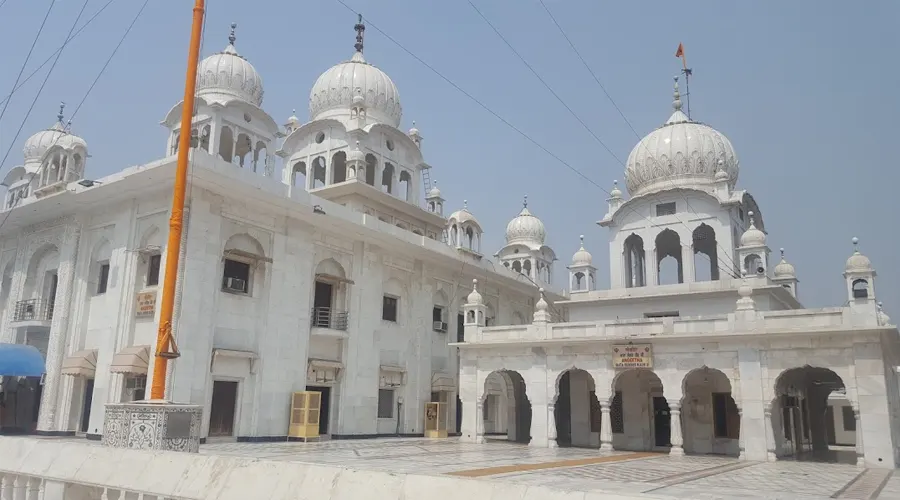
Gurdwara Bala Sahib is a historic and revered Sikh shrine in Delhi, located on the crematory grounds associated with Guru Harkrishan Sahib Ji, the eighth Sikh Guru, and Mata Sundri, the wife of Guru Gobind Singh Ji. This Gurdwara stands on the banks of the River Yamuna and is recognized for its spiritual significance, historic value, and charitable legacy.
Guru Harkrishan Sahib Ji, who became a Guru at the age of 5 following the succession of his father, Guru Har Rai Ji, is celebrated for his miraculous healing touch. He cured sufferers of cholera and smallpox, earning the love and devotion of countless followers in Delhi during his brief stay.
Historical Significance
Gurdwara Bala Sahib is one of Delhi’s most important Sikh shrines, ranking alongside Gurdwara Sis Ganj and Gurdwara Bangla Sahib in spiritual prominence.
- The Gurdwara is closely associated with Guru Harkrishan Sahib Ji, who resided in Delhi as a guest of Raja Jai Singh. During his stay, he cured hundreds of people suffering from serious illnesses, spreading hope, peace, and compassion.
- Guru Harkrishan Sahib Ji’s presence was a source of solace and spiritual guidance for both Sikhs and non-Sikhs. His selfless service and miraculous healing earned him great respect among Muslims, Hindus, and Sikhs alike.
- Unfortunately, after contracting smallpox himself, Guru Harkrishan Sahib Ji passed away on March 30, 1684, leaving behind a legacy of compassion and devotion.
- The site where he was cremated later became the foundation of Gurdwara Bala Sahib.
In addition, the shrine also commemorates Mata Sundri and Mata Sahib Kaur, who were cremated here, further enhancing its sacred importance.
Architecture
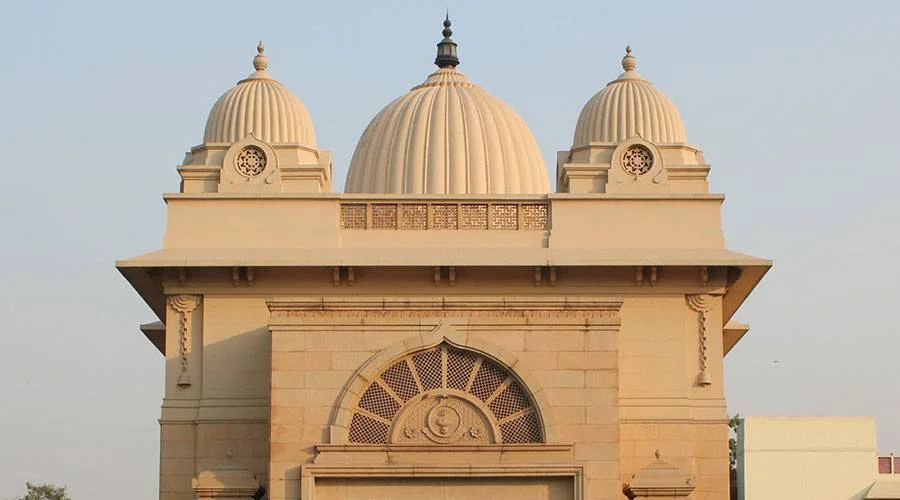
Gurdwara Bala Sahib features both old and new structures standing side by side:
- New Building: Completed in 1957-58, it includes a spacious hall for congregational prayers and kirtans.
- Samadhis:
- Mata Sahib Kaur’s samadhi is a small marble room inside the main hall.
- Mata Sundri’s samadhi is situated outside the new Gurdwara building.
- The Gurdwara’s design preserves the simplicity and serenity of traditional Sikh architecture while providing ample space for devotional gatherings.
Although originally on the bank of the Yamuna, the river’s course has changed over the centuries, placing the Gurdwara slightly away from the river today.
Spiritual Importance
Gurdwara Bala Sahib is a place of healing, prayer, and spiritual solace. Devotees visit to:
- Seek blessings from Guru Harkrishan Sahib Ji.
- Participate in kirtans and Langar (community kitchen).
- Pay respects at the samadhis of Mata Sundri and Mata Sahib Kaur.
The shrine continues to symbolize selfless service, compassion, and devotion to humanity, reflecting the teachings of the Sikh Gurus.
Quick Facts about Gurdwara Bala Sahib
| Feature | Details |
|---|---|
| Location | Ring Road, near Maharani Bagh, Delhi |
| Associated Gurus | Guru Harkrishan Sahib Ji |
| Other Notable Figures | Mata Sundri & Mata Sahib Kaur |
| Historical Event | Healing devotees of cholera & smallpox |
| Year of New Building Completion | 1957-58 |
| Architectural Features | Old and new structures, marble samadhis, prayer hall |
| Facilities | Congregational hall, Langar, spiritual gatherings |
Gurdwara Bala Sahib is a historic and spiritual landmark in Delhi, preserving the memory of Guru Harkrishan Sahib Ji’s compassion and service. The Gurdwara not only commemorates the healing miracles of the eighth Guru but also honors the lives of Mata Sundri and Mata Sahib Kaur, making it an enduring symbol of Sikh devotion and humanity.