Siri Fort, Delhi
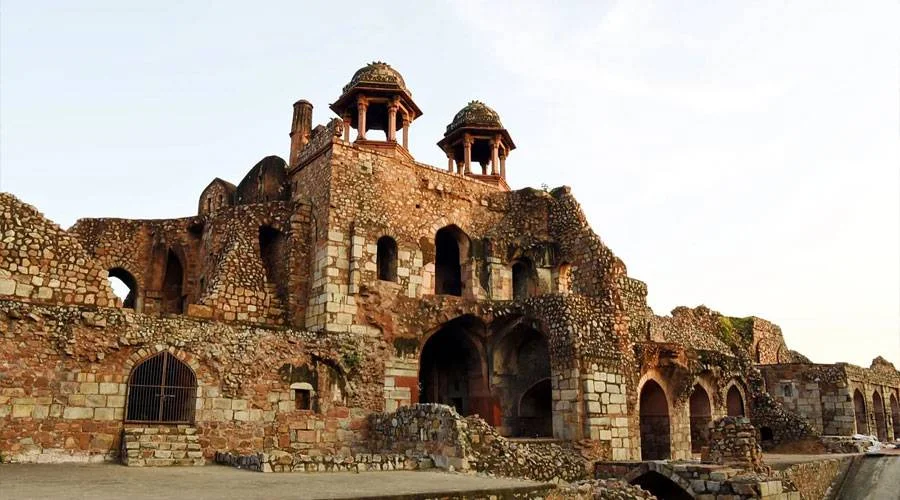
Siri Fort is among the many renowned monuments of heritage and culture, situated in New Delhi. Located between Hauz Khas on the east and Mehrauli in the north, the construction of the fort is believed to have begun in 1303, during the reign of Alauddin Khilji.
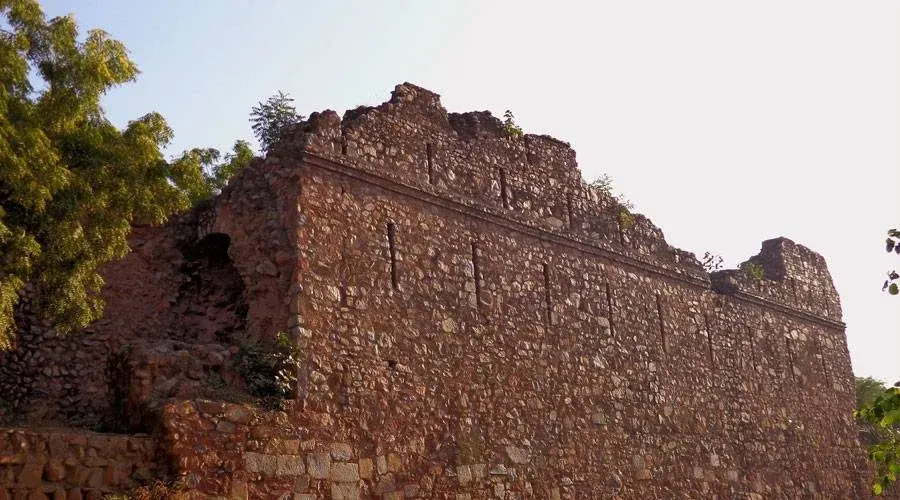
The fort was only a part of the strategic city of Siri which was the second of the seven cities built during the time, by the Turks of the Delhi Sultanate. However, as of now, only a few remnants of the same can be seen in the form of fort ruins; but the majestic architecture and the historical relevance still draws hordes of tourists to visit it.
History of Siri Fort
Alauddin Khilji laid the foundation of the second city of Delhi- Siri, during 1297 and 1307. The construction of Siri fort was started in 1303 and it was built to defend against the Mongol invasions. Other than the war, the fort also served as the central seat of power during Khilji’s campaigns. Later, the Seljuk dynasty sought refuge in the city of Siri, and hence, most of its architecture is inspired by the craftsmen of the Seljuk dynasty.
In 1306, Alauddin’s army defeated the Mongols at Amroha and it is believed that close to 8000 Mongol soldiers who died during the war were buried in the city of Siri. Before becoming a part of Delhi, Siri was also linked to Jahanpanah- the fourth medieval city among the seven, of Delhi Sultanate.
Architecture of Siri Fort
Siri Fort showcases the brilliant craftsmanship of the Seljuk-inspired architects of the 14th century. The fort originally had an oval plan with seven gates, though today only the South-Eastern gate remains. Some key architectural highlights include:
- Hazar Sutan (Palace of a Thousand Pillars): Once adorned with precious stones such as sapphires and lapis lazuli, and intricate naqqashi (craftsmanship) on its walls and ceilings.
- Hauz-e-Alai: A huge water reservoir built during Alauddin Khilji’s reign, now located in Hauz Khas.
- Walls and Ramparts: Built with the labor of 70,000 workers, showcasing the fort’s defensive strength.
The fort’s bastions, walls, and arched gateways reflect its grandeur, while the surrounding thick vegetation adds a sense of mystery and charm to the ruins.
Siri Fort Sports Complex
Next to Siri Fort is the Siri Fort Sports Complex, constructed in 1982 for the Asian Games. The complex is a modern addition to the historical site and includes:
- Courts for basketball, tennis, and badminton
- Cricket grounds and jogging tracks
- Large auditoriums, including the Siri Fort Auditorium, which hosts film festivals, live performances, and cultural events
Visitors can enjoy a blend of heritage exploration and recreational activities in this unique urban space.
Quick Facts About Siri Fort
- Location: South Delhi District, near Hauz Khas
- Built By: Alauddin Khilji (1303 CE)
- Historical Significance: Defensive fort against Mongol invasions, second city of Delhi
- Current Status: Mostly ruins, open to the public
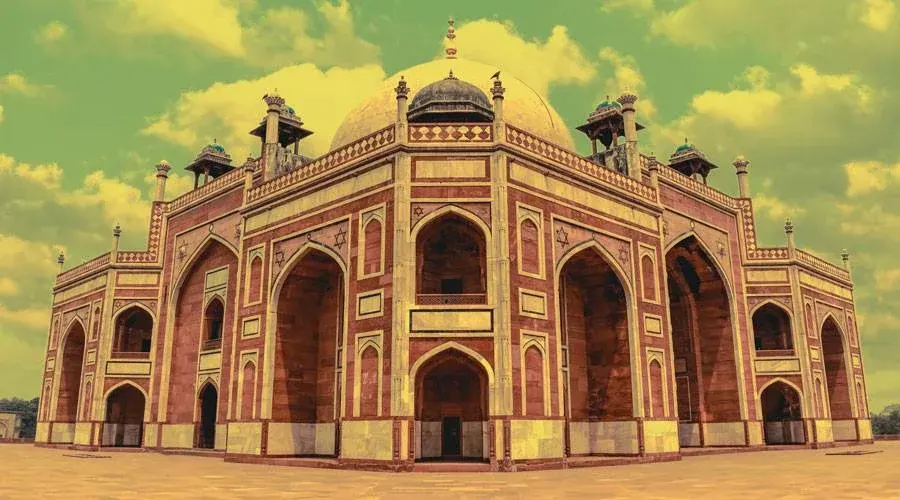
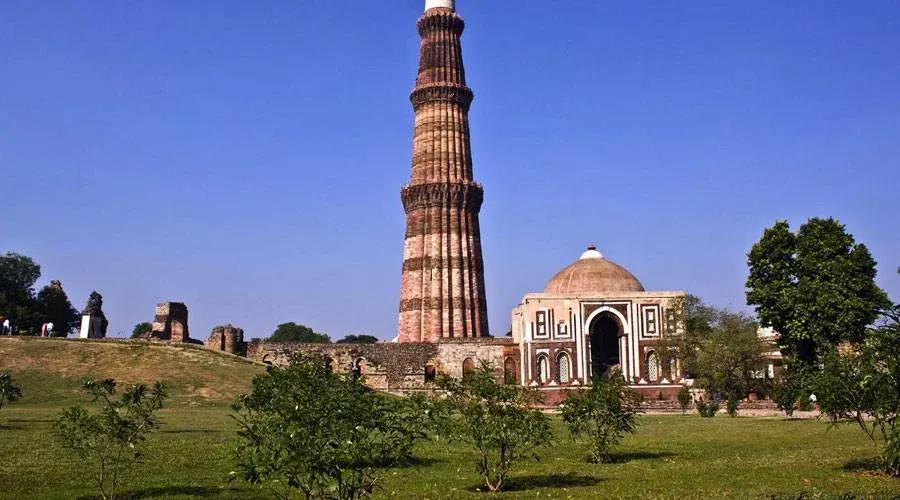
- Nearby Attractions: Hauz Khas Complex, Qutub Minar, Humayun’s Tomb, Lodhi Garden
- Best Time to Visit: October to March
- Entry Fee: Free
- Nearest Metro Station: Hauz Khas (Yellow Line)
Travel Tips for Visiting Siri Fort
- Wear Comfortable Shoes: The fort has uneven terrain and ruins, so walking-friendly shoes are recommended.
- Carry Water & Snacks: There are no major eateries inside the fort, though nearby Hauz Khas has cafes.
- Early Visit: Morning hours offer better lighting for photography and fewer crowds.
- Photography Tips: The ruins and surrounding greenery provide excellent natural framing; sunset offers warm light for pictures.
- Combine Sightseeing: Pair your visit with Hauz Khas Village, Deer Park, or Qutub Minar for a full day of exploration.
- Safety: Avoid climbing on unstable walls or ruins. Keep an eye on children.
- Guided Tours: Hiring a local guide or using an audio guide app can enrich your understanding of the fort’s history.
Things to Do at Siri Fort
- Explore the Ruins: Walk along the remaining walls, gates, and bastions for a feel of 14th-century Delhi.
- Photography: Capture the architectural details and greenery.
- Siri Fort Sports Complex: Enjoy modern recreational activities, from tennis to swimming.
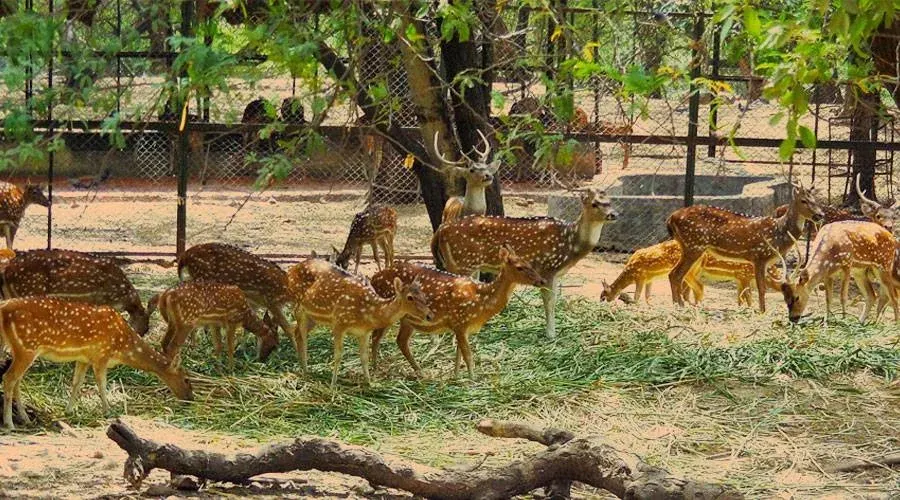
- Nearby Walks: Take a short trip to Deer Park or Hauz Khas Lake for a relaxing nature walk.
Nearby Attractions
| Attraction | Distance | Highlights |
|---|---|---|
| Hauz Khas Complex | 3 km | Medieval reservoir, art galleries, cafes, Deer Park |
| Qutub Minar | 7 km | UNESCO site, 73m minaret, historical gardens |
| Humayun’s Tomb | 8 km | Mughal architecture, UNESCO heritage site, gardens |
| Lodhi Garden | 10 km | Tombs, walking trails, picnic areas |
| Siri Fort Auditorium | 0 km | Cultural events, film festivals, live performances |
Transportation Options
- Metro: Hauz Khas (Yellow Line) is the closest station; easy access to South and Central Delhi.
- Bus: Regular DTC buses from major Delhi points.
- Taxi/Auto: Readily available; Uber/Ola recommended for convenience.
- Parking: Limited space near the sports complex; arrive early if driving.
Siri Fort, though mostly in ruins today, is a symbol of Delhi’s rich historical and architectural legacy. From its strategic military significance during Alauddin Khilji’s reign to the Seljuk-inspired architectural marvels, the fort remains a remarkable site for history buffs and tourists alike. Coupled with the modern facilities of the Siri Fort Sports Complex and proximity to other heritage sites, Siri Fort offers a unique blend of history, culture, and recreation, making it a must-visit destination in South Delhi.