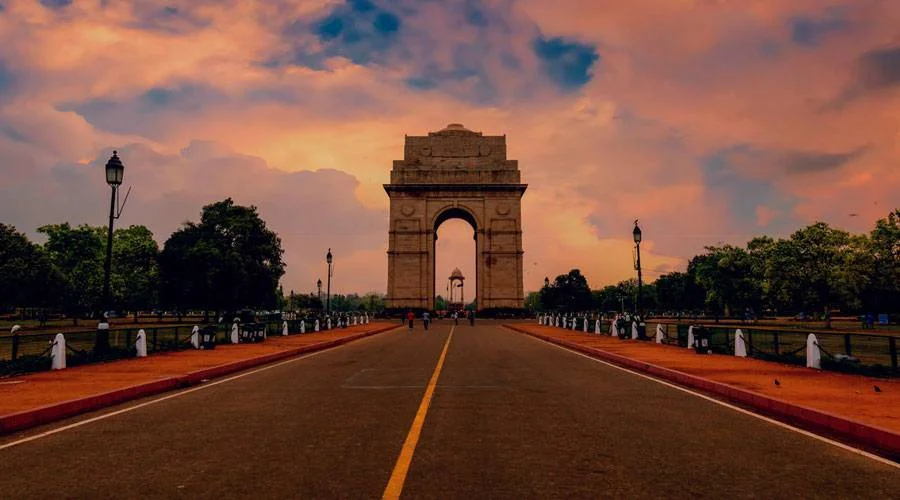
India Gate, Delhi
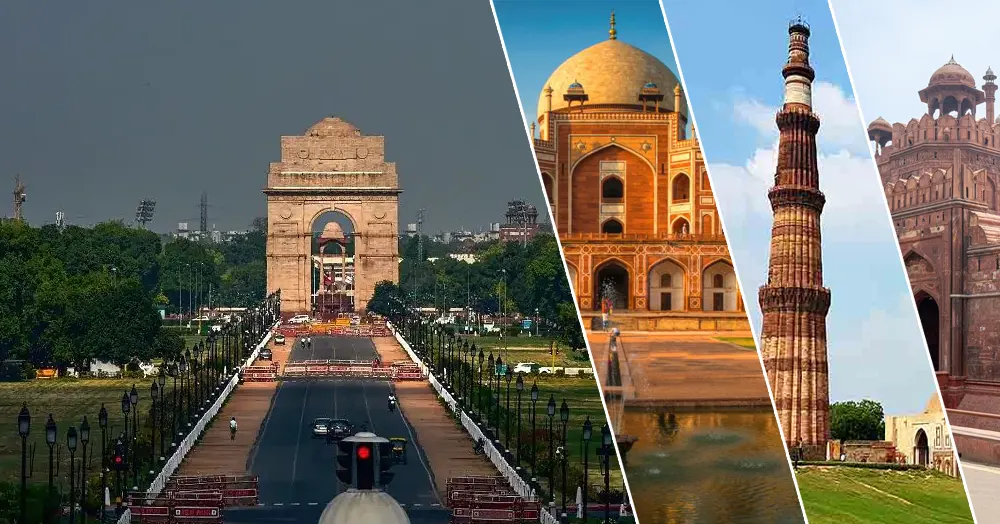
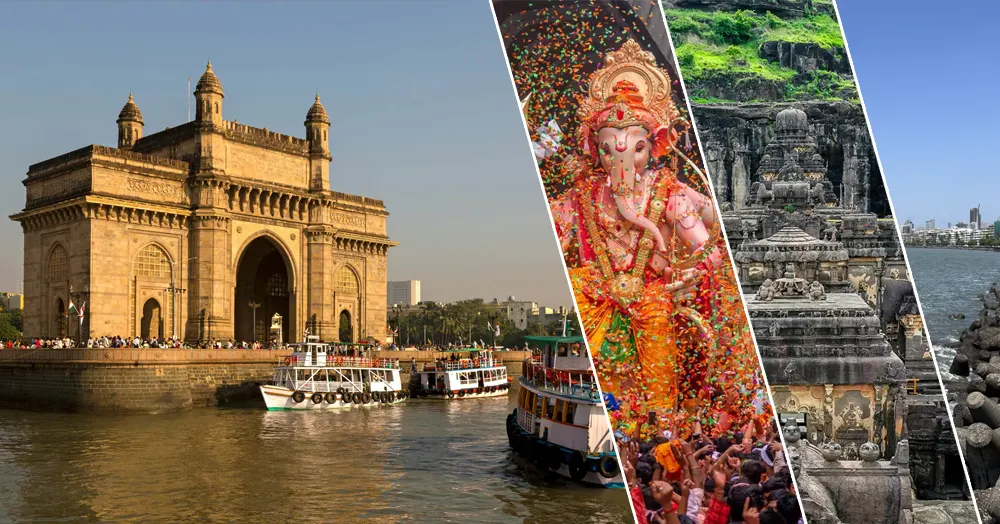
The All India War Memorial, popularly known as the India Gate, is located along the Rajpath in New Delhi. The imposing structure of India Gate is an awe-inspiring sight and is often compared to the Arc de Triomphe in France, the Gateway of India in Mumbai, and the Arch of Constantine in Rome. This 42-meter tall historical structure was designed by Sir Edwin Lutyens and is one of the largest war memorials in the country. India Gate is also famous for hosting the Republic Day Parade every year.
Dedicated to 82,000 Indian and British soldiers who died during the First World War and the Third Anglo-Afghan War, this monument has the names of 13,300 servicemen inscribed on its surface. The premises of India Gate also houses the Amar Jawan Jyoti, which is a kindled structure right underneath the archway. Owing to its rich historical background and astonishing architecture, India Gate has become one of the most popular picnic spots in the city.
History of India Gate
India Gate was commissioned by the Imperial War Graves Commission (IWGC) in 1917, with the aim of creating memorials for soldiers who lost their lives during the First World War. Designed by renowned English architect Sir Edwin Lutyens, the foundation stone was laid by the Duke of Connaught on 10th February 1921. After a decade of construction, the monument was officially inaugurated on 12th February 1931 by Viceroy Lord Irwin.
The structure commemorates over 82,000 Indian and British soldiers, with 13,300 names inscribed on its sandstone walls. In 1972, a new structure called Amar Jawan Jyoti (Flame of the Immortal Soldier) was added beneath the archway to honor soldiers who died in the Indo-Pakistan War of 1971, inaugurated by then Prime Minister Indira Gandhi.
Architecture of India Gate
India Gate is a prime example of triumphal arch architecture, designed as a secular war memorial with no religious symbolism. Sir Edwin Lutyens deliberately avoided any Asian motifs, opting instead for a classical European design.
- Height: 42 meters
- Width: 9.1 meters
- Material: Yellow and red sandstone from Bharatpur
The monument stands in the center of a hexagonal complex, surrounded by lush green lawns, making it a serene spot for visitors. Around 150 meters east of India Gate, there is a canopy built in 1936 to honor King George V, which originally housed his marble statue (now moved to Coronation Park).
The Amar Jawan Jyoti, situated beneath the arch, features:
- A marble pedestal with a cenotaph
- A reversed rifle capped with a soldier’s helmet
- Words ‘Amar Jawan’ inscribed on all four sides
- Eternal flames fueled by CNG
Things to Do at India Gate
- Evening Strolls: The beautifully landscaped lawns and pathways are perfect for relaxing walks.
- Photography: Iconic architecture and illuminated views at night make it a photographer’s paradise.
- Picnics: Families and tourists often enjoy evenings on the lawns.
- Street Food: Try local snacks like chaat, ice cream, and kulfi from nearby vendors.
- Light and Sound Shows: Occasionally hosted during national celebrations.
Nearby Attractions to India Gate
| Nearby Attraction | Distance from India Gate | Entry Fee | Best Time to Visit |
|---|---|---|---|
| Rashtrapati Bhavan | 2 km | Free (Guided tours may have fees) | October to March |
| Rajpath & Parliament House | 1 km | Free | October to March (evenings for lighting view) |
| National Museum | 2.5 km | ?20 (Indian Visitors), ?500 (Foreigners) | October to March |
| Jantar Mantar | 3 km | ?10 (Indian Visitors), ?200 (Foreigners) | October to March |
| Connaught Place | 4 km | Free | Evening time for shopping and dining |
| National Gallery of Modern Art | 3.5 km | ?20 (Indian Visitors), ?500 (Foreigners) | October to March |
| Agrasen ki Baoli | 2.8 km | Free | Morning & Late Afternoon |
| India Habitat Centre | 3 km | Free | Throughout the year |
| Nehru Park | 2 km | Free | October to March (best for walks & picnics) |
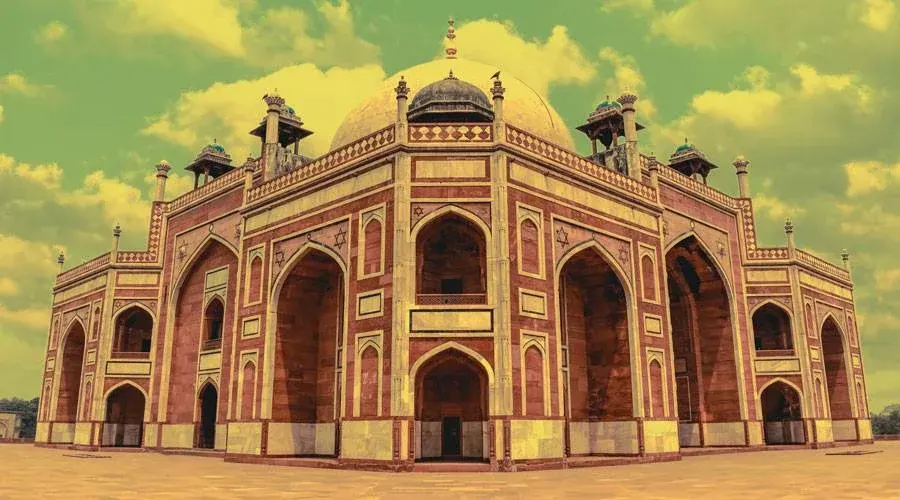
| Humayun’s Tomb | 5 km | ?40 (Indian Visitors), ?600 (Foreigners) | Early morning or late afternoon |
Visiting Information
- Location: Rajpath, South Delhi, Delhi, India
- Timings: Open 24 hours
- Entry Fee: Free
- Best Time to Visit: October to March (pleasant weather and clear skies)
- Nearby Attractions: Rashtrapati Bhavan, National War Memorial, Connaught Place, Parliament House, Rajpath Gardens
Travel Tips
- Visit during early mornings or evenings to avoid crowds.
- Carry water and wear comfortable shoes for walking around the lawns.
- Evening lights enhance photography opportunities.
- Be respectful of the Amar Jawan Jyoti and avoid crossing barriers.
- Combine your visit with a walk along Rajpath to see the National War Memorial.
Quick Facts about India Gate
| Feature | Details |
|---|---|
| Height | 42 meters |
| Architect | Sir Edwin Lutyens |
| Built | 1921–1931 |
| Material | Red & Yellow Sandstone |
| Memorial For | Soldiers of WWI & Third Anglo-Afghan War |
| Special Addition | Amar Jawan Jyoti (1972) |
| Location | Rajpath, South Delhi |
India Gate in Delhi stands as a majestic tribute to the bravery of Indian soldiers, blending historical significance with stunning architecture. Situated in the heart of the city, it attracts tourists and locals alike for its serene lawns, evening strolls, and cultural events. With nearby attractions, lively surroundings, and a glimpse into India’s rich past, India Gate remains an unmissable landmark that embodies both heritage and national pride.