Humayun's Tomb, Delhi
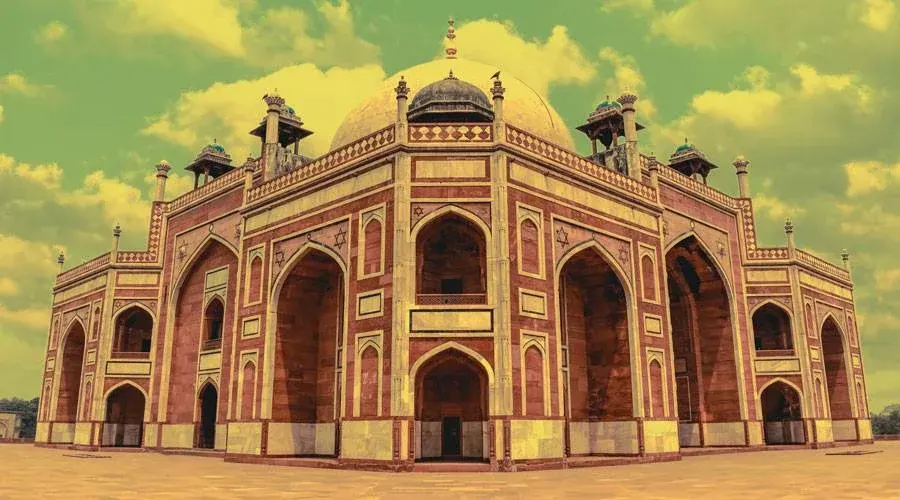
As the name suggests, Humayun's tomb is the final resting place of the Mughal Emperor Humayun. Located in the Nizamuddin East area of Delhi, it is the first garden-tomb in the Indian subcontinent. This splendid piece of architecture was commissioned for construction by Humayun's chief consort Empress Bega Begum in the year 1569-70 and is one of the very few structures that used red sandstone on such a massive scale at that time.
The design of Humayun's tomb is a typical Mughal architecture with Persian influences and was conceptualized by Persian architect Mirak Mirza Ghiyath. Owing to its magnificent design and illustrious history, Humayun's Tomb was featured on UNESCO's World Heritage List in the year 1993.
The architectural genius of Humayun's tomb is hard to miss. This magnificent tomb sits in the middle of a huge, ornate Mughal Garden and its beauty is only enhanced during the winter months. Situated on the banks of the River Yamuna, this mausoleum is also home to the remains of many other Mughals, including his wives, son, and descendants of the later Emperor Shah Jahan, as well as numerous other subsequent Mughals.
History of Humayun’s Tomb
After Emperor Humayun’s death in 1556, his wife, Empress Bega Begum, commissioned this grand tomb to honor his memory. The construction began nine years after his death and took nearly three years to complete, with Mirak Mirza Ghiyath as the principal architect and his son, Sayyed Muhammad ibn Mirak Ghiyathuddin, completing the work after his father’s death.
This tomb marked a departure from the modest mausoleum of Humayun’s father, Babur, and introduced the concept of the Persian-style Charbagh garden in India. During the Sepoy Mutiny of 1857, Mughal Emperor Bahadur Shah Zafar and his sons sought refuge here before being captured and exiled to Rangoon.
Architectural Highlights
Humayun’s Tomb stands at 47 meters and is the first Indian structure to incorporate a Persian double dome - 42.5 meters high—with the outer dome supporting the stunning marble exterior and the inner dome covering the central chamber. The structure features:
- Octagonal central chamber with Humayun’s cenotaph
- Double-storeyed gateways (16 meters high) to the south and west
- Intricate jaali (stone lattice) work and ornamental eaves
- Nai ka Gumbad, the tomb of Humayun’s favorite barber, showcasing red sandstone and marble craftsmanship
The tomb is surrounded by the Charbagh, a traditional Persian-style garden divided into four quadrants with walkways and water channels. Originally, the Yamuna river flowed alongside, adding to its scenic grandeur.
Visiting Humayun’s Tomb
Timings:
- Open daily: 6:00 AM – 6:00 PM
Entry Fees:
- Indian Citizens: ?40
- Foreign Tourists: ?600
Nearby Attractions
| Attraction | Distance | Entry Fee |
|---|---|---|
| Nizamuddin Dargah | 1 km | Free |
| Lodhi Gardens | 4 km | Free |
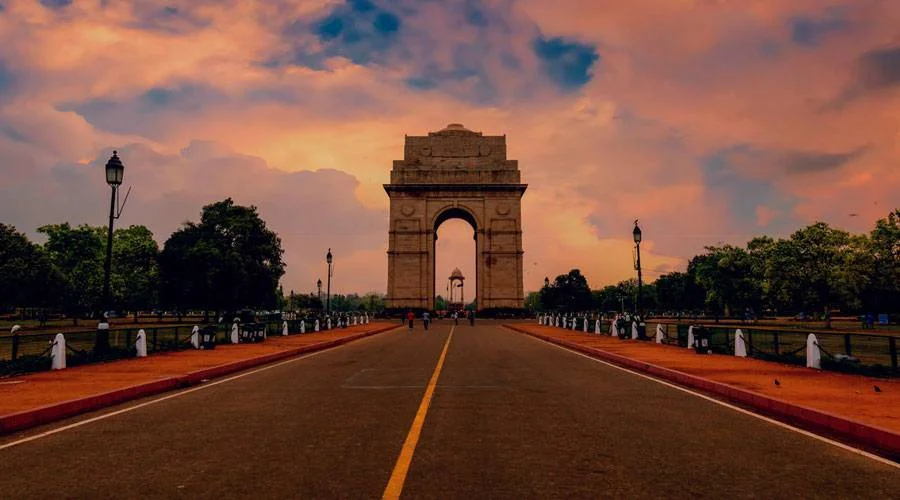
| India Gate | 5 km | Free |
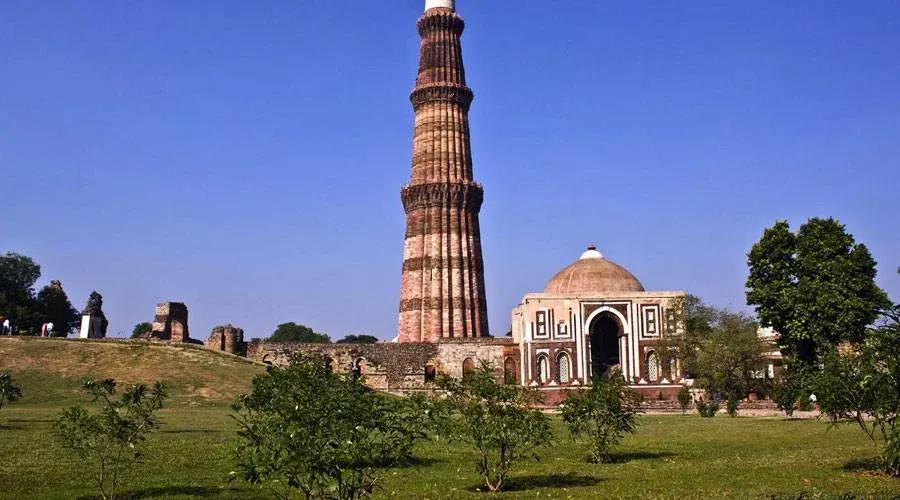
| Qutub Minar | 15 km | ?40 (Indians) / ?600 (Foreigners) |
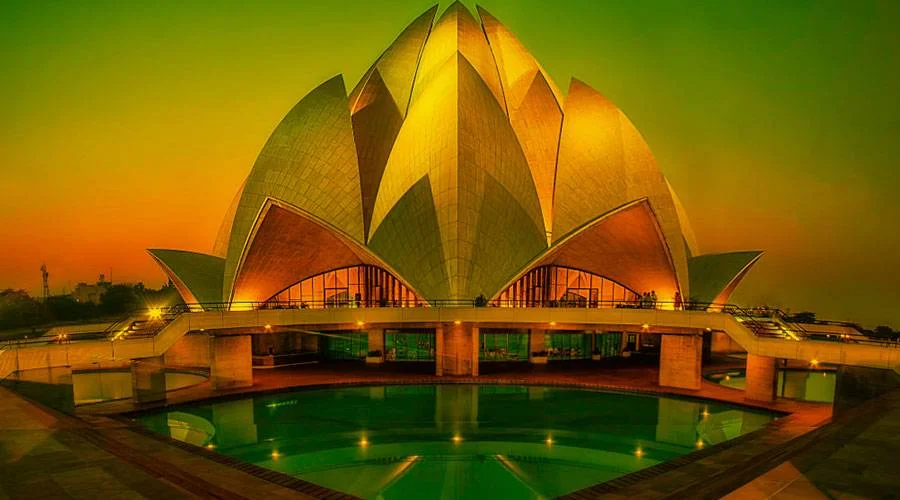
| Lotus Temple | 6 km | Free |
Things to Do
- Explore the intricate Mughal architecture and Persian design elements
- Walk through the Charbagh gardens and water channels
- Capture photography of red sandstone structures and domes
- Attend cultural events or weekend heritage walks organized in the area
Why Visit Humayun’s Tomb
Humayun’s Tomb is not just a monument, but a historical journey into Mughal Delhi. Its majestic architecture, serene gardens, and rich heritage make it a must-visit for anyone exploring Delhi. Whether you are a history buff, architecture enthusiast, or photographer, this UNESCO World Heritage Site leaves a lasting impression of India’s royal past.
Quick Facts – Humayun’s Tomb, Delhi
- Location: Nizamuddin East, New Delhi, Delhi, India
- District: South Delhi
- Built By: Empress Bega Begum (Haji Begum) in 1569-70
- Architect: Mirak Mirza Ghiyath (Afghanistan)
- Architectural Style: Mughal with Persian influence
- UNESCO World Heritage Site: Yes, since 1993
- Entry Fee: ?40 for Indians, ?600 for Foreigners
- Timings: 6:00 AM – 6:00 PM (Open daily)
- Best Time to Visit: October to March (pleasant weather and lush gardens)
- Nearby Metro Station: JLN Stadium (approx. 2.5 km)
Travel Tips for Visiting Humayun’s Tomb
- Best Time to Visit: Early morning or late afternoon to avoid crowds and capture stunning photographs in natural light.
- Footwear: Comfortable walking shoes are recommended for exploring the Charbagh garden.
- Photography: Professional photography may require prior permission. Drone photography is prohibited.
- Guides & Tours: Hiring a local guide or joining a heritage walk helps in understanding the history and architecture better.
- Food & Water: Carry water bottles; there are a few small kiosks nearby. Lunch can be planned at Khan Market or Nizamuddin area.
- Respect Sacred Spaces: Certain tombs and areas inside are restricted, so follow all signage.
Travel Tips & More
- How to Reach: Humayun’s Tomb is well connected by Delhi Metro (JLN Stadium Station) and buses. Taxis and ride-sharing apps are convenient.
- Nearby Amenities: Restrooms, small eateries, and souvenir shops are available.
- Suggested Duration: 2–3 hours for full exploration of the tomb, gardens, and nearby sites.
- Safety Tips: Keep an eye on personal belongings, especially in crowded tourist spots.
- Events: Occasionally hosts heritage walks, photography workshops, and cultural events.
Humayun’s Tomb stands as a symbol of Mughal grandeur and architectural brilliance. Combining history, culture, and art, it offers visitors a glimpse into India’s rich past while providing a serene retreat from the city’s hustle and bustle. Visiting this tomb is truly an unforgettable experience in New Delhi.