
Chhath Puja 2026: Dates, Traditions, Four-Day Rituals and Cultural Significance
“आस्था की रोशनी, सूर्य देव का आशीर्वाद और परिवार की खुशहाली, यही है छठ महापर्व की सच्ची भावना।”
Chhath Puja is one of the most sacred and culturally significant festivals of India, celebrated with deep devotion, discipline and gratitude towards the Sun God. The festival holds a special place in Bihar, Jharkhand, eastern Uttar Pradesh and parts of Nepal. Over the years, Chhath Puja has also become a major celebration in cities across India and among Indian communities living abroad.
Dedicated to Surya Dev, the Sun God, and Chhathi Maiya, Chhath Puja is a festival of faith, purity, nature and family well-being. Devotees observe traditional rituals, prepare special prasad, offer prayers near rivers and ponds, and worship both the setting and rising Sun.
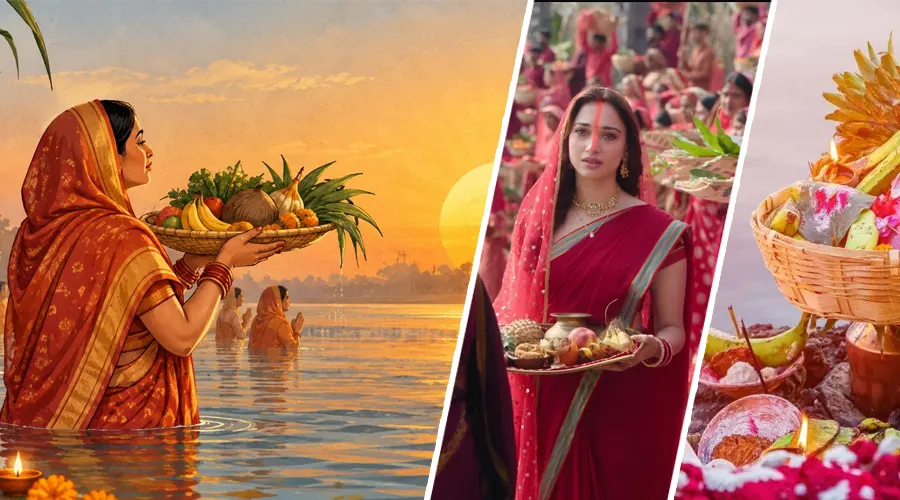
Chhath Puja is not only a religious occasion but also a beautiful expression of India's cultural heritage. The sight of devotees standing in rivers with bamboo baskets filled with fruits, sugarcane and traditional offerings creates a deeply spiritual atmosphere.
If you want to understand the dates, rituals, history and significance of Chhath Puja in 2026, here is everything you need to know about this remarkable festival.
Chhath Puja 2026 Dates and Calendar
Chhath Puja 2026 will begin on Friday, November 13, and conclude on Monday, November 16. The festival is observed over four days, with each day having its own rituals and spiritual importance.
|
Date |
Day |
Ritual |
|
November 13, 2026 |
Friday |
Nahay Khay |
|
November 14, 2026 |
Saturday |
Kharna |
|
November 15, 2026 |
Sunday |
Sandhya Arghya |
|
November 16, 2026 |
Monday |
Usha Arghya and Parana |
The main evening offering to the setting Sun will take place on November 15, while the final morning offering to the rising Sun will take place on November 16.
Sunrise and sunset timings vary by location, so devotees should check their local Panchang or a reliable regional calendar for the exact timings.
What Is Chhath Puja?
Chhath Puja is an ancient Hindu festival dedicated primarily to the worship of Surya Dev, the Sun God, and Chhathi Maiya. The Sun is regarded as a source of energy, light, life and nourishment. Through this festival, devotees express gratitude for the natural forces that sustain life on Earth.
The word Chhath is commonly associated with the sixth day of the lunar fortnight, when the principal evening worship takes place during the festival.
Unlike many festivals that focus mainly on temple worship, Chhath Puja is traditionally performed near natural water bodies such as rivers, ponds and lakes. Devotees stand in the water and offer Arghya to the setting and rising Sun.
The festival is known for its simplicity and strict observance. Cleanliness, self-discipline, devotion and the preparation of traditional offerings are central to the celebrations.
Why Is Chhath Puja Celebrated?
Chhath Puja is celebrated to express gratitude to the Sun God and seek blessings for health, prosperity, happiness and family well-being.
Many devotees observe the festival for the welfare of their children and loved ones. Some pray for the fulfilment of wishes, while others continue family traditions passed down through generations.
The festival also reflects the close relationship between human life and nature. The Sun provides essential energy, while water, soil, fruits and crops support life and agriculture. Chhath Puja honours these natural elements through prayers and offerings.
Its central values include:
- Gratitude towards nature: Offering prayers to the Sun as a source of life and energy.
- Family well-being: Seeking blessings for the health, happiness and prosperity of loved ones.
- Discipline and devotion: Following traditional rituals with sincerity and self-control.
- Community participation: Bringing families, neighbours and communities together.
- Respect for the environment: Performing worship in connection with rivers, ponds and other natural surroundings.
The Four Days of Chhath Puja 2026
Each day of Chhath Puja follows a distinct set of customs. Together, these rituals prepare devotees for the main offerings to the Sun God.
1. Nahay Khay: November 13, 2026
Nahay Khay marks the beginning of Chhath Puja. On this day, devotees take a ritual bath and prepare for the upcoming observances by maintaining cleanliness and following a simple, traditional routine.
In many households, special attention is given to cleaning the kitchen and preparing food in a pure and hygienic environment. The meal is generally prepared using traditional ingredients and is eaten according to family customs.
Common dishes include rice, chana dal and bottle gourd, also known as lauki. The exact menu may differ between households and regions.
Nahay Khay sets the tone for the festival by emphasising purity, preparation and devotion.
2. Kharna: November 14, 2026
Kharna is the second day of Chhath Puja. Devotees traditionally observe a fast during the day and perform worship in the evening.
A special prasad is prepared, often consisting of jaggery-based kheer, roti and other simple offerings. Recipes and customs vary across families and regions.
After the evening prayers, the devotee breaks the daytime fast by accepting the prasad. A prolonged fast, traditionally lasting around 36 hours without food or water, begins afterwards for those following the full observance. It continues through the main evening worship and concludes after the morning Arghya.
Kharna is an important part of the festival because it prepares devotees for the principal rituals of the following two days.
3. Sandhya Arghya: November 15, 2026
Sandhya Arghya is one of the most important moments of Chhath Puja. In the evening, devotees gather at riverbanks, ponds and designated water bodies to offer Arghya to the setting Sun.
Families carry bamboo baskets or traditional winnowing baskets containing fruits, sugarcane, thekua and other offerings. Devotees stand in the water, pray to Surya Dev and seek blessings for their families.
The atmosphere at Chhath ghats is often filled with devotional songs, traditional folk music, the glow of lamps and the sight of families participating together.
In cities such as Patna, Varanasi and other parts of Bihar and eastern Uttar Pradesh, the evening rituals can attract large gatherings of devotees.
Sandhya Arghya is especially meaningful because it honours the setting Sun, expressing gratitude for the energy and nourishment received throughout the day.
4. Usha Arghya and Parana: November 16, 2026
Usha Arghya marks the final day of Chhath Puja. Devotees gather before sunrise at riverbanks and other designated locations to offer prayers to the rising Sun.
The morning ritual symbolises hope, renewal and the beginning of a new day. Families bring their offerings and participate in the prayers as the first rays of sunlight appear.
After offering Arghya, devotees complete the traditional observance and break their fast through Parana, following their family customs and local religious practices.
Usha Arghya brings the four-day festival to a close, leaving devotees with a sense of peace, gratitude and spiritual fulfilment.
The Significance of Surya Dev and Chhathi Maiya
Surya Dev holds a special place in Hindu traditions as the source of light, energy and life. Worshipping the Sun during Chhath Puja represents gratitude for the natural forces that sustain living beings.
Chhathi Maiya is also deeply revered during the festival. Devotees seek her blessings for the well-being of children, family happiness and prosperity.
The combined worship of Surya Dev and Chhathi Maiya reflects the festival's emphasis on devotion, family values and the importance of nature.
One of the distinctive features of Chhath Puja is that devotees offer prayers to both the setting Sun and the rising Sun. This practice is widely understood as an expression of gratitude, humility and respect for the continuing cycle of life.
The Story and Traditional Beliefs Behind Chhath Puja
Chhath Puja is associated with several traditional beliefs and stories found in Hindu religious traditions and regional folklore. These stories have been passed down through generations and continue to inspire devotees.
One popular belief connects the festival with the worship of Surya Dev for health, strength and prosperity. Another tradition reveres Chhathi Maiya as a protective maternal figure who blesses children and families.
Some popular accounts also associate Sun worship with characters from the Mahabharata, including Karna, who is traditionally described as a devoted worshipper of Surya Dev. Other regional traditions connect the festival with the worship practices of ancient kings and sages.
The details of these stories vary, and they are best understood as part of the diverse religious and cultural traditions surrounding Chhath Puja.
Regardless of the story followed, the festival's central message remains consistent: live with gratitude, maintain discipline, respect nature and pray for the well-being of others.
Traditional Foods and Prasad of Chhath Puja
Food plays an important role in Chhath Puja. The preparation of prasad follows traditional customs, with cleanliness and simplicity receiving special attention.
Some of the most popular offerings include:
- Thekua: A traditional sweet made using wheat flour and jaggery or sugar, often shaped and fried or baked according to family tradition.
- Kasar: A traditional preparation commonly made using rice flour and jaggery, though recipes vary by region.
- Jaggery kheer: A sweet rice pudding prepared for Kharna in many households.
- Seasonal fruits: Bananas, apples, coconuts and other locally available fruits are commonly included in offerings.
- Sugarcane: A familiar part of Chhath offerings and decorations at many ghats.
- Coconut and other traditional items: Included according to regional and family customs.
The prasad is shared with family members, neighbours and other devotees. This sharing reflects the festival's spirit of generosity, unity and community.
How Chhath Puja Is Celebrated Across India
Although Chhath Puja is particularly associated with Bihar and eastern Uttar Pradesh, it is celebrated in many other parts of India.
Chhath Puja in Bihar
Bihar is one of the most prominent centres of Chhath Puja celebrations. Cities such as Patna and districts across the state witness extensive preparations at rivers, ponds and designated ghats.
Families clean their homes, prepare traditional prasad and participate in the evening and morning offerings. Folk songs and community gatherings add to the festival's cultural atmosphere.
Chhath Puja in Uttar Pradesh
Eastern Uttar Pradesh celebrates Chhath Puja with considerable devotion. Varanasi and other cities along the Ganga see devotees gathering near riverbanks for Sandhya Arghya and Usha Arghya.
The festival is also celebrated in many other parts of the state, especially among communities with family and cultural ties to Bihar and the Purvanchal region.
Chhath Puja in Jharkhand
In Jharkhand, devotees celebrate the festival at rivers, ponds and community water bodies. Ranchi and other towns witness traditional prayers, family gatherings and preparations of Chhath prasad.
The festival forms an important part of the state's cultural life, bringing together people from different communities.
Chhath Puja in Delhi and Other Cities
Chhath Puja is also widely observed in Delhi, Mumbai, Kolkata and other major Indian cities. Migrant families maintain their traditions by participating in community celebrations and organised worship at designated ghats.
These celebrations demonstrate how Chhath Puja has travelled beyond its traditional heartland while retaining its distinctive rituals and cultural identity.
Best Places to Experience Chhath Puja in India
For travellers interested in India's festivals and living traditions, Chhath Puja offers an opportunity to experience the country's spiritual and cultural heritage.
Some places worth considering include:
1. Patna, Bihar: Patna is known for its Chhath celebrations along the Ganga and at designated city ghats. The collective evening and morning prayers create a powerful cultural experience.
2. Varanasi, Uttar Pradesh: The ghats along the Ganga provide a distinctive setting for observing traditional Sun worship. Visitors can also explore the city's temples, heritage streets and cultural landmarks.
3. Deoghar, Jharkhand: Known for its religious significance, Deoghar can be included in a wider pilgrimage itinerary. Check local arrangements before planning a visit specifically for Chhath celebrations.
4. Ranchi, Jharkhand: Ranchi and nearby areas host community celebrations at local water bodies, allowing visitors to experience Chhath traditions beyond the major riverfront cities.
5. Kolkata, West Bengal: Chhath Puja is celebrated by many communities in Kolkata, with designated water bodies and organised gathering points serving as venues for the rituals.
Travel plans should be made in advance, as roads near popular ghats may be crowded and access may be restricted during the main rituals.
Travel Tips for Visiting Chhath Puja Ghats
If you plan to experience Chhath Puja as a visitor, a little preparation can make your trip more comfortable and respectful.
- Plan accommodation early: Hotels and transport may be in high demand in popular destinations during the festival.
- Reach the ghats early: Large gatherings are common during Sandhya Arghya and Usha Arghya.
- Respect religious practices: Keep a suitable distance from devotees performing rituals and follow local instructions.
- Avoid obstructing worship: Do not block access routes or enter designated ritual areas without permission.
- Keep the surroundings clean: Dispose of waste properly and avoid leaving plastic or food packaging near water bodies.
- Follow local safety arrangements: Water levels, temporary barriers and crowd-control instructions should be taken seriously.
- Ask before taking photographs: Be considerate when photographing devotees, particularly during prayers and personal religious moments.
Chhath Puja is a deeply personal and sacred occasion for many families. Respectful behaviour allows visitors to appreciate the celebration without disturbing its traditions.
Eco-Friendly Ways to Celebrate Chhath Puja
Chhath Puja has a close relationship with nature, making environmental responsibility an important part of its observance.
Families and communities can help protect the environment through simple actions:
- Use reusable bamboo baskets and traditional natural materials where practical.
- Avoid single-use plastic bags, cups and plates.
- Keep rivers, ponds and ghats free from litter.
- Dispose of flowers, food waste and other offerings according to local guidelines.
- Avoid using harmful chemicals or materials that can pollute water bodies.
- Follow designated arrangements for immersion and disposal of ritual items.
- Support community-led cleaning and waste-management initiatives.
A cleaner celebration helps preserve the natural surroundings that are central to Chhath Puja and protects these spaces for future generations.
Why Chhath Puja Is an Important Part of India's Cultural Heritage
Chhath Puja represents much more than a religious observance. It brings together generations through shared customs, traditional songs, food preparation and community participation.
For many families, the festival is a time to return to their hometowns, reconnect with relatives and pass cultural practices on to younger generations. Even people living far from their ancestral homes often find ways to observe the festival in their cities or communities abroad.
Its emphasis on discipline, gratitude, family well-being and respect for nature makes Chhath Puja an important part of India's living cultural heritage.
The festival also offers travellers an opportunity to understand regional traditions beyond monuments and historical sites. By observing the rituals respectfully, visitors can appreciate the role that faith, family and community continue to play in everyday life.
Chhath Puja 2026 will be celebrated from November 13 to November 16, with Sandhya Arghya on November 15 and Usha Arghya on November 16. The four-day festival honours Surya Dev and Chhathi Maiya through traditional rituals, fasting, prasad preparation and prayers offered at rivers and other water bodies.
From the devotion seen at Patna's ghats to celebrations in Varanasi, Jharkhand, Delhi and other cities, Chhath Puja reflects the richness of India's cultural and spiritual traditions.
Its message of gratitude, discipline, family well-being and respect for nature continues to inspire millions of devotees. Whether you celebrate the festival at home or experience it while travelling, Chhath Puja offers a meaningful glimpse into the enduring traditions of India.
Faq About Chhath Puja 2026: Dates, Traditions, Four-Day Rituals and Cultural Significance
Ans: Chhath Puja 2026 will begin on November 13 and conclude on November 16. The principal evening and morning offerings will take place on November 15 and November 16, respectively.
Ans: The four days are Nahay Khay on November 13, Kharna on November 14, Sandhya Arghya on November 15, and Usha Arghya on November 16.
Ans: Chhath Puja is celebrated to worship Surya Dev and Chhathi Maiya and to seek blessings for health, family well-being, happiness and prosperity.
Ans: Devotees primarily worship Surya Dev, the Sun God, and Chhathi Maiya, who is revered in traditional beliefs as a protective maternal figure.
Ans: Sandhya Arghya is the evening ritual in which devotees offer prayers and water to the setting Sun. In 2026, it will be observed on November 15.
Ans: Usha Arghya is the morning offering made to the rising Sun on the final day of Chhath Puja. In 2026, it will take place on November 16.
Ans: Thekua, jaggery kheer, seasonal fruits, sugarcane, coconut and other traditional offerings are commonly associated with Chhath Puja. The exact items vary by region and family.
Ans: Chhath Puja has deep cultural and religious roots in Bihar. It is widely observed through family traditions, community gatherings, folk songs and offerings made at rivers and designated ghats.
Ans: Patna, Varanasi, Ranchi, Deoghar and Kolkata are among the places where visitors can experience Chhath celebrations. Check local arrangements before travelling.
Ans: Avoid single-use plastics, keep water bodies clean, dispose of offerings responsibly and follow local waste-management guidelines. These practices help protect the environment while preserving the festival's traditions.
Comments (0)