
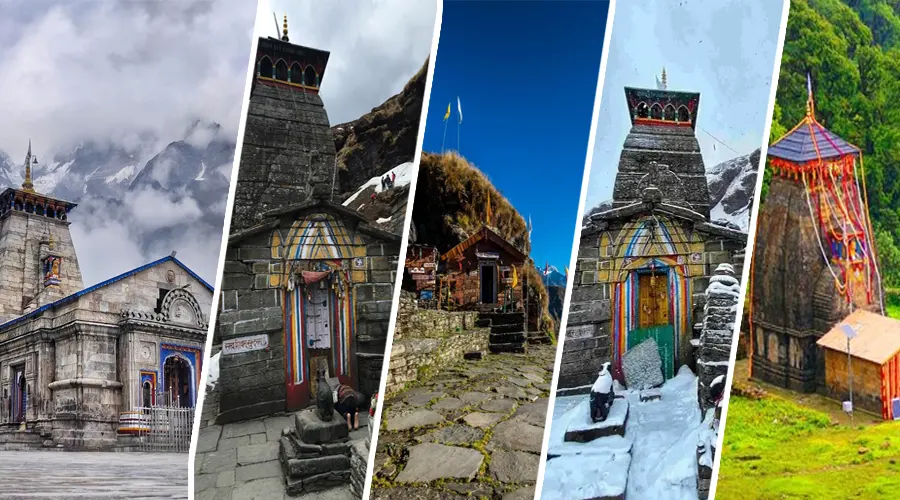
Panch Kedar Yatra: Complete Travel Guide, Route, Temples & Itinerary
The Panch Kedar Yatra is one of the most spiritual and adventurous pilgrimages in India, dedicated to Lord Shiva. Nestled in the Garhwal Himalayas of Uttarakhand, these five temples hold immense religious significance and are deeply connected to the legend of the Pandavas from the Mahabharata.
This journey is not just about devotion but also about trekking through breathtaking landscapes, dense forests, alpine meadows, and remote Himalayan villages.
Mythological Significance of Panch Kedar
According to Hindu mythology, after the great war of the Mahabharata, the Pandavas sought forgiveness from Lord Shiva for the sins committed during the battle. They believed only Lord Shiva could free them from their karmic burden.
However, Lord Shiva did not wish to forgive them easily and chose to avoid them. He took the form of a bull and hid in the Garhwal region of Uttarakhand, testing their devotion and determination.
When the Pandavas finally recognized him, Lord Shiva disappeared into the ground. His body parts reappeared at five different locations, which later became the sacred Panch Kedar temples worshipped by devotees.
Kedarnath Temple
Kedarnath Temple is the most prominent shrine among the Panch Kedar and holds immense significance for devotees of Lord Shiva. Located at an altitude of 3,583 meters in the Garhwal Himalayas, the temple stands near the Mandakini River and is surrounded by majestic snow-covered peaks. It represents the hump of Lord Shiva and is also a key part of the Char Dham Yatra, attracting lakhs of pilgrims every year.
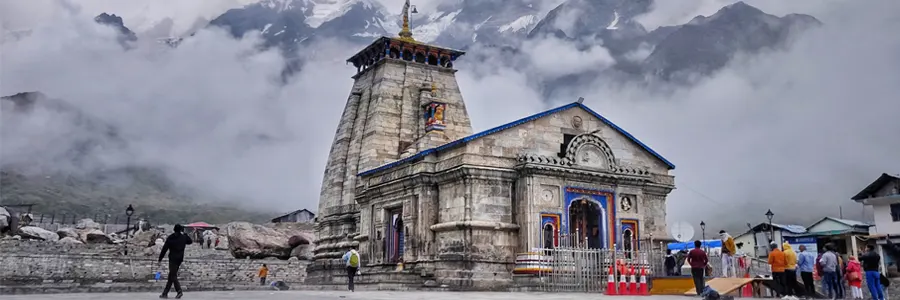
Reaching Kedarnath requires a 16 km trek from Gaurikund, making the journey both challenging and rewarding. The spiritual atmosphere, combined with breathtaking natural beauty, creates a deeply moving experience. The temple’s ancient stone architecture and its location amidst rugged mountains make it one of the most iconic pilgrimage destinations in India.
Tungnath Temple
Tungnath Temple is known as the highest Shiva temple in the world, situated at an altitude of approximately 3,680 meters. It is believed to be the place where the arms of Lord Shiva are worshipped. The temple is surrounded by stunning Himalayan views, making it a perfect destination for both spiritual seekers and trekking enthusiasts.
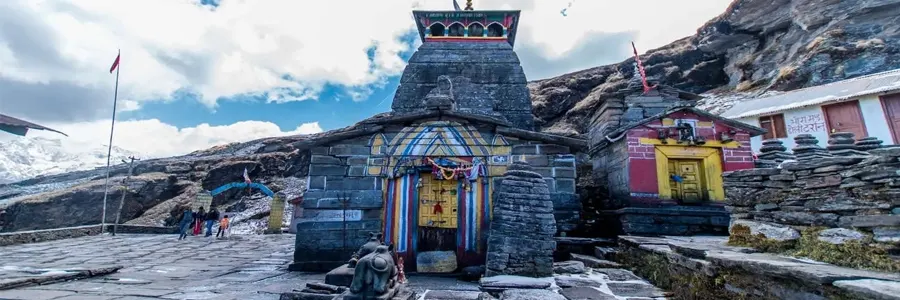
The trek to Tungnath begins from Chopta and is around 3.5 km long, making it one of the easiest treks among the Panch Kedar temples. Despite its accessibility, the temple offers a serene and peaceful environment. Many visitors also continue to Chandrashila peak for panoramic views of the Himalayas, adding an adventurous touch to the spiritual journey.
Rudranath Temple
Rudranath Temple is one of the most remote and spiritually intense temples of Panch Kedar, where the face of Lord Shiva is worshipped. Nestled at an altitude of around 3,600 meters, the temple is located inside a natural rock cave and is surrounded by dense forests, alpine meadows, and scenic landscapes.
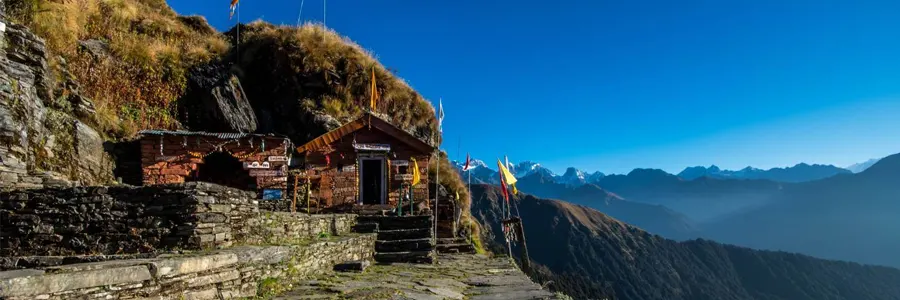
The journey to Rudranath is considered one of the toughest among all Panch Kedar treks, often requiring multiple days of hiking through rugged terrain. However, the peaceful environment, untouched natural beauty, and divine aura make the effort worthwhile. It is an ideal destination for those seeking solitude, spirituality, and a deeper connection with nature.
Madhyamaheshwar Temple
Madhyamaheshwar Temple is dedicated to the navel of Lord Shiva and is located at an altitude of about 3,289 meters. Surrounded by lush green meadows and towering Himalayan peaks, the temple offers a tranquil and scenic environment. The reflection of Chaukhamba peaks in nearby water bodies adds to its natural charm.
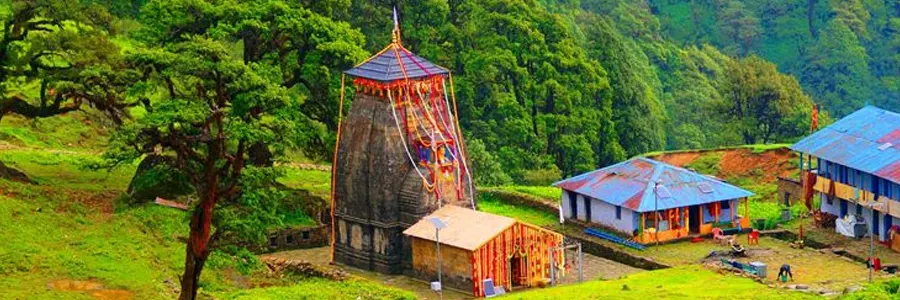
The trek to Madhyamaheshwar begins from Ransi village and is moderately challenging, passing through forests and traditional Himalayan villages. The peaceful surroundings and spiritual significance make it a rewarding experience for pilgrims. It is a perfect blend of devotion and nature, attracting both trekkers and spiritual travelers alike.
Kalpeshwar Temple
Kalpeshwar Temple is the only Panch Kedar shrine that remains open throughout the year and is dedicated to the hair (jata) of Lord Shiva. Located at a lower altitude of around 2,200 meters, the temple is situated inside a small cave, offering a peaceful and intimate spiritual experience.
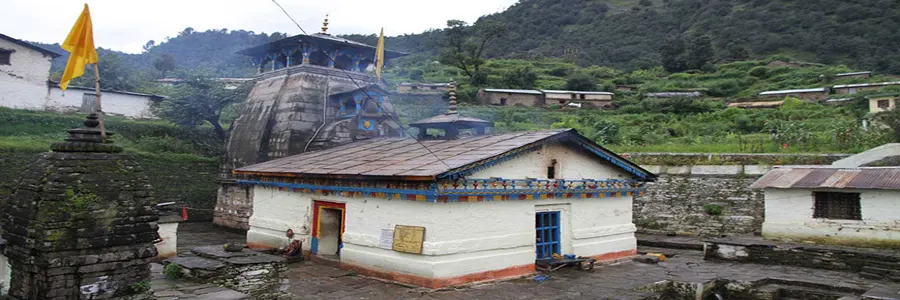
Unlike the other Panch Kedar temples, Kalpeshwar is easily accessible via a short and simple trek from Helang village. The route passes through beautiful valleys and terraced fields, making it a pleasant journey. Its accessibility and calm surroundings make it an ideal destination for those seeking a less crowded yet spiritually enriching experience.
List of Panch Kedar Temples
|
Temple Name |
Location |
Body Part of Shiva |
Altitude |
|
Kedarnath Temple |
Rudraprayag |
Hump |
3,583 m |
|
Tungnath Temple |
Rudraprayag |
Arms |
3,680 m |
|
Rudranath Temple |
Chamoli |
Face |
3,600 m |
|
Madhyamaheshwar Temple |
Rudraprayag |
Navel |
3,289 m |
|
Kalpeshwar Temple |
Chamoli |
Hair |
2,200 m |
Panch Kedar Yatra Route Map
Starting Point: Haridwar / Rishikesh
Route Flow:
Haridwar → Rishikesh → Guptkashi → Kedarnath → Ukhimath → Tungnath → Gopeshwar → Rudranath → Ransi → Madhyamaheshwar → Helang → Kalpeshwar
Detailed Panch Kedar Itinerary (10–12 Days)
Day 1: Haridwar to Guptkashi
- Distance: ~200 km
- Scenic drive along the Ganga river
- Overnight stay in Guptkashi
- Trek from Gaurikund (16 km)
- Visit Kedarnath Temple
- Return to Guptkashi
- Drive to Chopta (Mini Switzerland of India)
- Relax and acclimatize
- 3.5 km trek to Tungnath Temple
- Optional trek to Chandrashila summit
- Base: Sagar Village
- 20 km trek to Rudranath Temple
- Stay overnight near temple
- Base: Ransi Village
- Trek to Madhyamaheshwar Temple
- Enjoy stunning Himalayan views
- Easy trek from Helang
- Visit Kalpeshwar Temple
- Drive back to Rishikesh / Haridwar
Key Highlights
- Located in the Garhwal Himalayas of Uttarakhand
- Dedicated to Lord Shiva
- Includes moderate to challenging trekking routes
- Best Time: May–June & September–October
- Duration: 10–12 days for the full yatra
The Panch Kedar Yatra is a perfect blend of spiritual devotion and Himalayan adventure. Surrounded by serene landscapes, ancient temples, and untouched natural beauty, this journey offers a deeply peaceful and soul-enriching experience.
It is not just a pilgrimage but a path to self-discovery, where every step through the mountains brings you closer to nature, spirituality, and inner peace.
Best Time to Visit Panch Kedar
|
Season |
Details |
|
May – June |
Best time, clear weather |
|
July – August |
Monsoon (avoid landslides) |
|
September – October |
Ideal for trekking |
|
Winter |
Temples closed (except Kalpeshwar) |
- Trek through Himalayan trails
- Experience spiritual meditation in remote temples
- Explore Chopta meadows
- Capture Himalayan sunrise views
- Interact with local Garhwali culture
Travel Tips for Panch Kedar Yatra
- Prepare for high-altitude trekking
- Carry warm clothes even in summer
- Book stays in advance during peak season
- Keep cash (limited ATMs in remote areas)
- Travel with a guide for Rudranath trek
How to Reach Panch Kedar
By Air
- Nearest Airport: Jolly Grant Airport
- Located near Rishikesh (~250 km from Kedarnath)
By Train
- Nearest Railway Stations:
- Haridwar Railway Station
- Rishikesh Railway Station
By Road
- Well connected via buses and taxis from Delhi, Haridwar, and Rishikesh
The Panch Kedar Yatra is a perfect blend of spirituality, adventure, and natural beauty. From the divine aura of Kedarnath Temple to the peaceful surroundings of Kalpeshwar Temple, this journey offers a once-in-a-lifetime experience for every traveler and devotee.
Faq About Panch Kedar Yatra: Complete Travel Guide, Route, Temples & Itinerary
Ans: The best time is from May to June and September to October. During these months, the weather is pleasant and suitable for trekking. Monsoon season should be avoided due to landslides.
Ans: Panch Kedar Yatra is a sacred pilgrimage in Uttarakhand dedicated to Lord Shiva, covering five ancient temples—Kedarnath Temple, Tungnath Temple, Rudranath Temple, Madhyamaheshwar Temple, and Kalpeshwar Temple. It combines spirituality with trekking in the Himalayas.
Ans: Yes, the yatra involves moderate to challenging trekking, especially for Rudranath and Madhyamaheshwar. Proper physical fitness and preparation are essential for a safe and enjoyable journey.
Ans: Kalpeshwar Temple is the easiest to reach as it requires only a short and simple trek. It is also the only temple that remains open throughout the year.
Ans: Registration is mandatory for Kedarnath Temple as part of the Char Dham Yatra. For other temples, registration is generally not required, but it is advisable to check local guidelines before traveling.
Ans: The complete Panch Kedar Yatra usually takes around 10–12 days, depending on your pace, weather conditions, and route. Some travelers may extend the journey to 14 days for a more relaxed experience.
Ans: Beginners can attempt the yatra, but they should be physically prepared for long treks and high altitudes. Starting with easier treks like Tungnath can help build confidence.
Ans: Carry warm clothes, trekking shoes, rain gear, medicines, power banks, and essential documents. Weather in the Himalayas can change quickly, so proper gear is important.
Ans: Yes, the yatra is generally safe if you follow safety guidelines, travel with proper planning, and stay updated on weather conditions. Hiring a local guide for difficult treks is highly recommended.
Ans: Basic accommodation like guesthouses, lodges, and camps are available near most temples and trekking routes. However, facilities are limited in remote areas, so advance booking is recommended.
Comments (0)