
Badrinath Temple Uttarakhand: History, Darshan & Travel Guide
Have you ever wondered what makes Badrinath Temple one of the most sacred and spiritually powerful pilgrimage destinations in India?
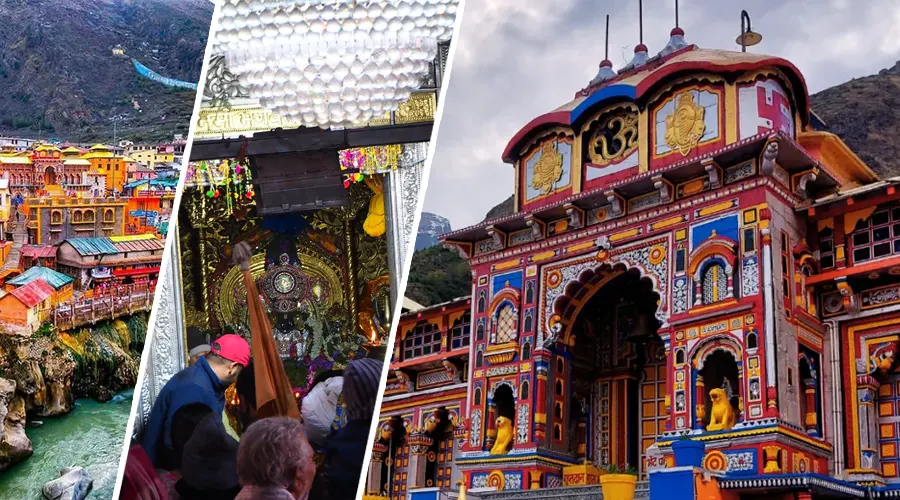
Badrinath Temple, popularly known as Badari Vishal, holds immense religious significance in Hinduism and forms an essential part of the revered Char Dham Yatra. Dedicated to Lord Vishnu, this holy shrine is nestled in the majestic Garhwal Himalayas along the serene banks of the Alaknanda River. Situated at an altitude of approximately 3,100 meters above sea level, the temple is surrounded by snow-capped peaks and divine natural beauty, creating a spiritually uplifting atmosphere for devotees and travelers alike.
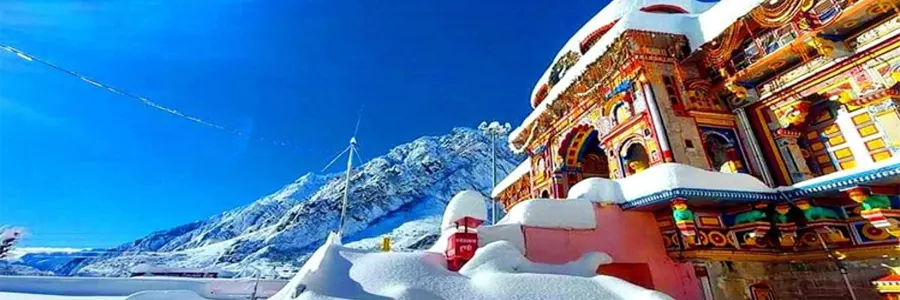
What makes Badrinath even more unique is its seasonal accessibility. Due to extreme weather conditions and heavy snowfall during winter, the temple remains open only for six months, from May to October. During this period, millions of pilgrims visit to seek blessings, making it one of the most important and spiritually rewarding journeys in India.
Mythology and History of Badrinath
The name “Badrinath” is derived from Badari, meaning wild berries, and is deeply connected to Hindu mythology. It is believed that Goddess Lakshmi took the form of a Badari tree to protect Lord Vishnu during his penance in the Himalayas. According to the Skanda Purana, the idol of Lord Vishnu was recovered from Narad Kund by Adi Shankaracharya and re-established in the 8th century.
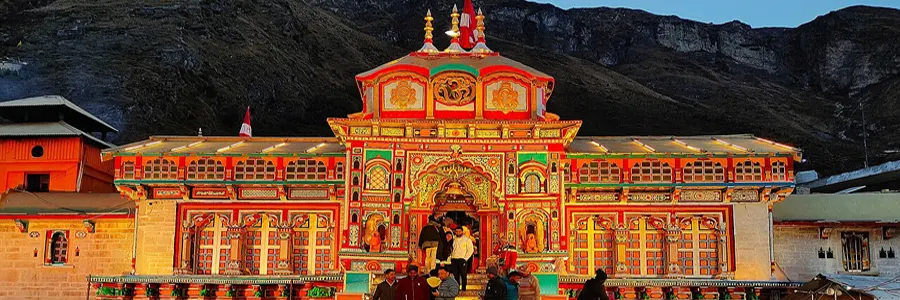
Badrinath, also known as Badari Vishal, is associated with sages like Narad and Kapila, and is linked to the Pandavas’ final journey to heaven, making it a highly sacred spiritual destination.
Spiritual Importance of Badrinath
- Associated with Nara and Narayana, forms of Lord Vishnu
- A meditation site for sages like Kapila Muni, Narad, and Kashyap
- Linked to the Pandavas’ final ascent to heaven (Swargarohini)
- Considered one of the holiest Vishnu temples in India
These mythological connections and historical significance make Badrinath not just a temple, but a timeless spiritual destination for seekers of peace and liberation.
Architecture of Badrinath Temple
The grand entrance of Badrinath Temple, known as the Singhdwar, is vibrant and visually captivating, reflecting traditional Himalayan architecture. The temple structure rises to about 50 feet in height and features a beautifully crafted façade. It is crowned with a small cupola and a gold-gilded roof, adding to its divine and majestic appearance.
Temple Structure
The temple is divided into three main sections:
- Garbha Griha (Sanctum Sanctorum)
Houses the main idol of Lord Badari Narayan along with other deities. - Darshan Mandap
Area where rituals and prayers are performed. - Sabha Mandap
A spacious hall where pilgrims gather before darshan.
At the entrance, you’ll find the idol of Garuda, the divine vehicle of Lord Vishnu, seated in a prayer posture facing the main deity.
Kedarnath Yatra 2026 – Opening Date, Registration, Route & Travel Tips
Idols and Spiritual Significance
The sanctum of Badrinath Temple is spiritually rich and houses around 15 sacred idols, each holding deep religious importance. The main idol of Lord Badari Narayan is beautifully carved from black Saligram stone and placed in a meditative posture, attracting millions of devotees every year. Key features include:
- Main Deity: Lord Badari Narayan (form of Lord Vishnu)
- Other Idols: Kuber (God of Wealth), Narad Rishi, Uddhava, Nar and Narayan
- Material: Idol made from sacred black Saligram stone
- Posture: Seated in Padmasana (meditative pose)
- Height: Approximately one meter tall
- Spiritual Meaning: Symbolizes peace, devotion, and enlightenment
These divine elements together make the temple a powerful spiritual center for seekers and pilgrims.
Char Dham Importance
Badrinath Temple is one of the four sacred pilgrimage sites that form the revered Char Dham Yatra, considered highly significant in Hinduism. Every year, millions of devotees undertake this spiritual journey to seek blessings and purification. The four holy shrines included in this yatra are:- Yamunotri Temple – The sacred source of the Yamuna River, dedicated to Goddess Yamuna and marking the beginning of the Char Dham journey.
- Gangotri Temple – The holy origin of the Ganga River, where devotees worship Goddess Ganga amidst the serene Himalayas.
- Kedarnath Temple – One of the twelve Jyotirlingas of Lord Shiva, known for its spiritual power and high-altitude location.
- Badrinath Temple – A revered shrine of Lord Vishnu and the final destination of the Char Dham Yatra.Together, these four destinations symbolize the ultimate spiritual journey in India.
Best Time to Visit Badrinath
The ideal time to visit Badrinath Temple is:
- May to June – Pleasant weather, best for pilgrimage
- September to October – Post-monsoon greenery and fewer crowds
Avoid July–August due to landslides and heavy rainfall.
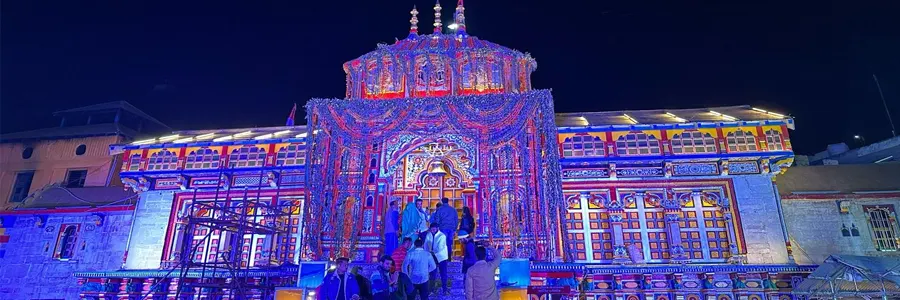
- Summer (May–June): Cool and pleasant (Ideal time)
- Monsoon (July–Sept): Rainy, risk of landslides
- Winter (Oct–April): Heavy snowfall, temple closed
Places to Visit Near Badrinath Temple
Near Badrinath Temple, several sacred rocks (Shilas) hold deep mythological and spiritual importance:
- Narad Shila – A holy rock where Narada is believed to have performed intense penance.
- Garud Shila – Associated with Garuda, who meditated here to become Lord Vishnu’s divine mount.
- Narsingh Shila – Linked to the fierce incarnation Narasimha after defeating the demon king Hiranyakashyap.
- Markandeya Shila – A sacred spot where Markandeya is believed to have meditated for spiritual knowledge.
- Varahi Shila – Connected to Varaha, symbolizing the rescue of Earth from the cosmic ocean.
These Shilas are considered powerful meditation spots and are an important part of the spiritual experience in Badrinath.
Kunds (Holy Water Springs)
- Tapt Kund – Natural hot water spring
- Narad Kund – Sacred bathing spot
Other Attractions
- Brahma Kapal – A sacred spot on the banks of the Alaknanda River where pilgrims perform ancestral rituals and offerings for departed souls.
- Sheshnetra – A naturally formed rock believed to bear the eye of Sheshnag, associated with Lord Vishnu’s divine presence.
- Panch Dhara – A group of five holy water streams, each with spiritual significance and believed to have purifying properties.
Accommodation in Badrinath
Pilgrims can choose from:
- Guest houses by temple committee
- Dharamshalas (budget stays)
- Private hotels
- Stay at Joshimath (45 km away)
Badrinath Darshan Timings
- Morning: 4:30 AM – 1:00 PM
- Evening: 4:00 PM – 9:00 PM
Tip: Evening darshan usually has less crowd.
Badrinath Yatra Registration
Registration is mandatory for all pilgrims planning to visit Badrinath Temple as part of the Char Dham Yatra. This system is implemented by the Uttarakhand government to manage crowd flow, ensure safety, and provide a smooth pilgrimage experience in the Himalayan region.
Online Registration Process
Online registration typically opens around March each year before the temple gates open. Pilgrims can register through the official Char Dham portal by entering personal details, selecting travel dates, and uploading necessary documents. It is strongly advised to complete registration early, as slots fill quickly during peak months.
Documents Required
You will need the following documents:
- Valid government-issued ID proof (Aadhaar Card, Passport, Voter ID, etc.)
- Recent passport-size photograph
- Basic travel details (visit date, route, etc.)
Offline Registration Options
Offline registration is available at key locations such as:
- Haridwar
- Rishikesh
These counters usually open 10–15 days before the travel date, but availability is limited, so online registration is the safer option.
Important Tips
- Register in advance to secure your preferred travel dates
- Carry a printed or digital copy of your registration confirmation
- Verify all details carefully before submission
- Follow official safety and travel guidelines
Completing your registration properly ensures a safe and hassle-free journey to Badrinath.
Essential Travel Tips for Badrinath Yatra
- Plan at least 7–10 days for a comfortable trip
- Carry warm clothes even in summer
- Avoid monsoon travel
- Book hotels in advance during peak season
- Consider VIP darshan for convenience
- Keep one extra day for rest or nearby exploration
Popular road routes include:
- Kedarnath → Badrinath (via Guptkashi, Joshimath)
- Haridwar/Rishikesh → Badrinath (via Devprayag, Rudraprayag)
- SBI ATM near temple
- Petrol pump near bus stand
- Food stalls and restaurants nearby
How to Reach Badrinath
By Air
Nearest airport: Jolly Grant Airport (314 km)
Regular flights from Delhi. Taxis available to Badrinath.
By Train
Nearest railway station: Rishikesh Railway Station (295 km)
Well-connected to major Indian cities.
By Road
Badrinath is accessible via NH-58 and connected to:
- Haridwar
- Rishikesh
- Dehradun
- Joshimath
Regular buses and taxis are available.
Badrinath Temple Quick Facts
|
Category |
Details |
|
Temple Name |
Badrinath Temple |
|
Also Known As |
Badari Vishal |
|
Location |
Chamoli district, Uttarakhand, India |
|
Altitude |
Approx. 3,100 meters above sea level |
|
River |
Alaknanda River |
|
Main Deity |
Lord Vishnu (Badari Narayan) |
|
Temple Type |
Hindu Pilgrimage Site (Char Dham) |
|
Established By |
Adi Shankaracharya |
|
Temple Opening Months |
May to October |
|
Closed During |
Winter (November to April due to snowfall) |
|
Best Time to Visit |
May–June, September–October |
|
Darshan Timings |
4:30 AM–1 PM & 4 PM–9 PM |
|
Nearest Airport |
Jolly Grant Airport |
|
Nearest Railway Station |
Rishikesh Railway Station |
|
Famous For |
Char Dham Yatra, Vishnu Temple, Himalayan Spiritual Journey |
|
Nearby Town |
Joshimath |
|
Special Attraction |
Tapt Kund (Hot Water Spring), Narad Kund |
|
Religious Importance |
One of the holiest Vishnu temples in India |
Badrinath Temple is not just a pilgrimage destination but a spiritual journey into the Himalayas. Surrounded by divine energy, mythological significance, and natural beauty, it offers an unforgettable experience for devotees and travelers alike.
Whether you seek spiritual enlightenment or Himalayan adventure, Badrinath stands as a must-visit destination in India.
Faq About Badrinath Temple Uttarakhand: History, Darshan & Travel Guide
Ans: The opening date of Badrinath Temple is usually announced on the auspicious occasion of Akshaya Tritiya. In most years, the temple opens between late April and early May and remains accessible until October or early November, depending on weather conditions.
Ans: The best time to visit is May–June and September–October when the weather is pleasant and roads are safer. Monsoon months (July–August) should be avoided due to landslides, while winter remains inaccessible because of heavy snowfall.
Ans: Yes, registration is compulsory for all pilgrims visiting Badrinath as part of the Char Dham Yatra. It helps authorities manage crowds and ensure safety. Both online and limited offline options are available.
Ans: You can register through the official Char Dham portal by providing your personal details, travel dates, ID proof, and photograph. It is recommended to register early as slots fill quickly during peak season.
Ans: Darshan timings are generally:Morning: 4:30 AM to 1:00 PMEvening: 4:00 PM to 9:00 PMEvening hours are usually less crowded compared to mornings.
Ans: Badrinath can be reached by air, train, and road:Nearest airport: Jolly Grant AirportNearest railway station: Rishikesh Railway StationWell-connected roads from Haridwar, Rishikesh, and Dehradun
Ans: Compared to Kedarnath Temple, the Badrinath Yatra is relatively easier as it is accessible by road. However, due to high altitude and weather conditions, basic fitness and acclimatization are recommended.
Ans: Yes, there are multiple accommodation options including guest houses, dharamshalas, and private hotels. Nearby Joshimath also offers good stay options for pilgrims.
Ans: Some popular attractions include Tapt Kund, Narad Kund, Brahma Kapal, Sheshnetra, and Panch Dhara, along with several sacred Shilas that hold mythological importance.
Ans: Badrinath Temple is one of the Char Dham pilgrimage sites and is dedicated to Lord Vishnu. It is believed to be a place of salvation and spiritual enlightenment, visited by sages and devotees for centuries, making it one of the holiest temples in India.
Comments (0)