
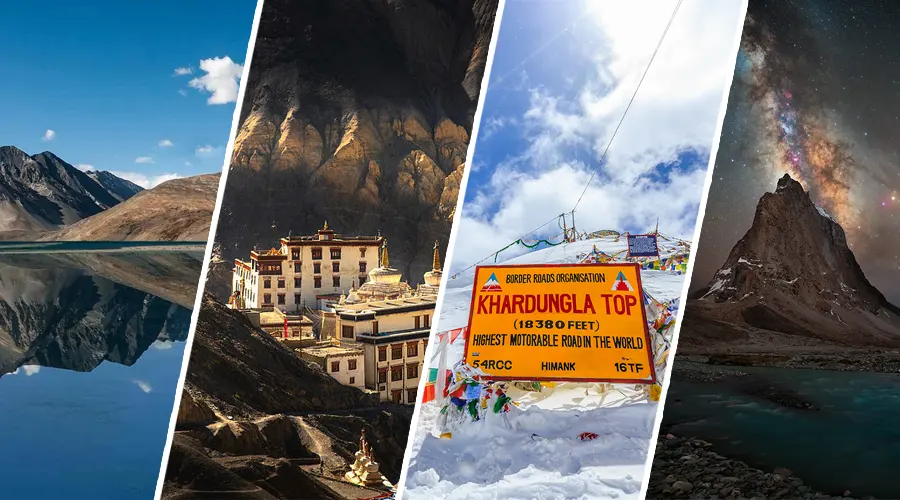
Ladakh Travel Guide 2026: Best Places, Itinerary, Budget and Travel Tips
Ladakh is one of the most breathtaking travel destinations in India, known for its dramatic landscapes, high mountain passes, and peaceful monasteries. Located in the northernmost region of the country, Ladakh offers a unique mix of adventure, culture, and natural beauty that is hard to find anywhere else. From snow-covered peaks to cold deserts and crystal-clear lakes, every part of Ladakh feels like a different world.
For travelers, Ladakh is not just a destination but an experience. Whether you are planning a bike trip, a road journey with friends, or a peaceful solo escape, Ladakh has something for everyone. The calm environment, fresh mountain air, and scenic beauty make it perfect for those who want to disconnect from city life and reconnect with nature.
About Ladakh – The Land of High Passes
Ladakh is often called the Land of High Passes because it is home to some of the highest motorable roads in the world. It lies between the Karakoram and Himalayan mountain ranges, offering stunning views at every turn. The region is known for its unique geography, where barren mountains meet blue lakes and ancient monasteries.
The culture of Ladakh is deeply influenced by Tibetan Buddhism. You will find colorful prayer flags, peaceful monasteries, and friendly locals who follow a simple lifestyle. The main town, Leh, acts as the base for most travelers and has all basic facilities including hotels, cafes, and markets.
Top Places to Visit in Ladakh
Leh Local Sightseeing:- Leh town has several attractions that you can explore while acclimatizing. Places like Shanti Stupa, Leh Palace, and local markets give you a glimpse of Ladakhi culture and history.
The markets in Leh are perfect for shopping souvenirs like handicrafts, woolen clothes, and prayer items. Cafes in Leh also offer delicious food and a relaxed vibe.
Pangong Lake:- Pangong Lake is one of the most famous attractions in Ladakh and is known for its stunning beauty. The lake stretches across India and China and is famous for changing colors throughout the day. Sometimes it looks deep blue, while at other times it appears green or turquoise.
Spending a night near Pangong Lake is a magical experience. The clear sky filled with stars and the peaceful environment make it unforgettable. It is also a popular spot for photography and camping.
Nubra Valley:- Nubra Valley is a unique destination where you can see sand dunes in the middle of mountains. It is located at a lower altitude compared to Leh, making it more comfortable for travelers. The valley is famous for its double-humped camels and beautiful landscapes.
Diskit Monastery, located in Nubra Valley, offers panoramic views and has a large statue of Buddha. The combination of desert, river, and mountains makes Nubra Valley one of the most interesting places in Ladakh.
Khardung La Pass:- Khardung La is one of the highest motorable passes in the world and a dream destination for bikers. Reaching the top gives a sense of achievement and offers breathtaking views of snow-covered mountains.
The road to Khardung La is an adventure in itself, with sharp turns and high altitude. It is an important route that connects Leh to Nubra Valley.
Hemis Monastery:- Hemis Monastery is one of the largest and most famous monasteries in Ladakh. It is known for its annual festival, where monks perform traditional mask dances.
The monastery reflects the spiritual side of Ladakh and offers a peaceful environment for visitors. The architecture and surroundings add to its charm.
Tso Moriri Lake:- Tso Moriri Lake is one of the most peaceful and less crowded lakes in Ladakh, making it an ideal destination for travelers who want to explore untouched natural beauty. Located at a higher altitude than Pangong Lake, it offers a calm and quiet environment away from heavy tourist crowds. The lake is surrounded by barren mountains and vast open landscapes that create a breathtaking view.
This lake is also a protected wetland and home to rare species of birds and wildlife. The clear skies, fresh mountain air, and tranquil surroundings make it perfect for relaxation, photography, and meditation. Spending time here allows travelers to truly disconnect from city life and experience the raw beauty of Ladakh.
Magnetic Hill:- Magnetic Hill is one of the most unique and mysterious attractions in Ladakh. It is famous for its optical illusion where vehicles appear to move uphill on their own without any engine power. This unusual phenomenon attracts tourists from all over the world and creates a fun and surprising experience.
Located on the Leh to Kargil highway, it is an easy stop during your road trip. The surrounding landscape of barren mountains and open roads enhances the overall experience. Visiting Magnetic Hill is not just about witnessing the illusion but also about enjoying the scenic beauty and capturing memorable moments.
Zanskar Valley:- Zanskar Valley is one of the most remote and adventurous regions in Ladakh, known for its rugged landscapes and untouched beauty. Surrounded by snow-covered mountains and deep gorges, the valley offers breathtaking views that attract adventure seekers and nature lovers alike.
It is especially famous for the Chadar Trek, where trekkers walk on the frozen Zanskar River during winter. Apart from trekking, the valley also offers insights into traditional Ladakhi culture, with small villages and ancient monasteries. Zanskar is perfect for those looking for offbeat travel experiences.
Lamayuru Monastery:- Lamayuru Monastery is one of the oldest monasteries in Ladakh and is known for its unique landscape, often called “Moonland.” The terrain around the monastery resembles the surface of the moon, making it visually distinct from other regions in Ladakh.
The monastery is an important spiritual center and hosts annual festivals that attract visitors from different parts of the world. Its peaceful surroundings and ancient architecture provide a deep spiritual experience, making it a must-visit for culture and history enthusiasts.
Alchi Monastery:- Alchi Monastery is one of the most historically significant monasteries in Ladakh, known for its ancient wall paintings and Indo-Tibetan architectural style. Unlike most monasteries built on hilltops, Alchi is located on flat land near the Indus River.
The monastery complex dates back to the 11th century and features detailed artwork and sculptures that reflect Ladakh’s rich cultural heritage. It offers a peaceful atmosphere where visitors can explore history, art, and spirituality together.
Hall of Fame Museum:- Hall of Fame Museum is a tribute to the bravery and sacrifices of Indian Army soldiers. Located near Leh, this museum showcases war history, weapons, and personal stories of soldiers who served in extreme conditions.
It also provides insights into the Kargil War and highlights the challenges faced by the army in high-altitude regions. The museum is both educational and emotional, leaving visitors with a deep sense of respect and pride.
Stok Palace:- Stok Palace is a historic palace that once served as the residence of the Ladakhi royal family. Today, it functions as a museum displaying royal artifacts, traditional costumes, and ancient items.
The palace is located in a scenic area surrounded by mountains, offering a peaceful environment. It provides visitors with an opportunity to explore Ladakh’s royal heritage and understand its historical significance.
Shey Palace and Monastery:- Shey Palace was once the summer capital of Ladakh and holds great historical and cultural importance. The palace complex includes a monastery with a large Buddha statue, which is one of its main attractions.
The location offers beautiful views of the surrounding landscapes, making it a peaceful place to visit. It is a perfect blend of history, spirituality, and scenic beauty, making it an important stop during Leh sightseeing.
10 Days Ladakh Itinerary
| Day | Route / Location | Key Highlights |
| Day 1 | Arrival in Leh | Rest, acclimatization |
| Day 2 | Leh Local Sightseeing | Shanti Stupa, Leh Palace, monasteries |
| Day 3 | Leh to Nubra Valley | Khardung La Pass, scenic drive |
| Day 4 | Nubra Valley | Hunder sand dunes, Diskit Monastery |
| Day 5 | Nubra to Pangong Lake | Shyok route, lake views |
| Day 6 | Pangong to Leh | Sunrise, return journey |
| Day 7 | Leh to Tso Moriri | High-altitude lake, peaceful landscapes |
| Day 8 | Tso Moriri to Leh | Scenic return, village views |
| Day 9 | Leh Leisure Day | Market, cafes, shopping |
| Day 10 | Departure | Return journey |
Day 1: Arrival in Leh
After arriving in Leh, the most important step is acclimatization. Due to the high altitude, your body needs time to adjust. Spend the entire day resting and avoid any physical activity. Keep yourself hydrated and eat light meals to help your body adapt smoothly.
Day 2: Leh Local Sightseeing
On this day, you can explore nearby attractions in Leh. Visit Shanti Stupa and Leh Palace for panoramic views of the city. You can also explore local monasteries and spend the evening at Leh market enjoying cafes and shopping. Keep the day relaxed and easy.
Day 3: Leh to Nubra Valley via Khardung La
This day is all about adventure. Travel from Leh to Nubra Valley via Khardung La Pass, one of the highest motorable roads in the world. The journey offers breathtaking mountain views. Upon reaching Nubra Valley, check into your hotel or camp and relax.
Day 4: Explore Nubra Valley
Explore the beauty of Nubra Valley by visiting the Hunder sand dunes, where you can enjoy a double-humped camel ride. Visit Diskit Monastery for stunning views of the valley. This day is perfect for enjoying nature and relaxing in a peaceful environment.
Day 5: Nubra Valley to Pangong Lake
Travel from Nubra Valley to Pangong Lake via the Shyok route. This route is slightly challenging but saves time and offers beautiful landscapes. Once you reach Pangong Lake, enjoy the sunset and stay overnight at a lakeside camp.
Day 6: Pangong Lake to Leh
Wake up early to witness the beautiful sunrise at Pangong Lake. After breakfast, begin your journey back to Leh. On the way, you can stop for photos and enjoy scenic views. After reaching Leh, take rest.
Day 7: Leh to Tso Moriri Lake
This day is dedicated to exploring an offbeat destination. Tso Moriri Lake is less crowded and more peaceful compared to Pangong. It is a high-altitude lake surrounded by untouched natural beauty, making it ideal for nature lovers.
Day 8: Tso Moriri to Leh
Enjoy the calm morning at Tso Moriri and then start your journey back to Leh. The route offers scenic landscapes and views of small villages. After reaching Leh, relax and unwind.
Day 9: Leh Leisure Day
This is a buffer and relaxation day. You can explore local markets, visit cafes, or do some last-minute shopping. Buy souvenirs like handicrafts, woolen items, and local products. This day gives a perfect ending to your trip.
Day 10: Departure
On the final day, depart from Leh with unforgettable memories of your Ladakh journey. Make sure to reach the airport on time if you have a flight.
Pro Tips
- Always keep one buffer day for weather changes
- Acclimatization is very important for a safe trip
- Tso Moriri can be skipped if you have limited time
Ladakh Trip Budget
The cost of a Ladakh trip depends on your travel style. A budget trip can cost around 15000 to 25000 per person. A mid-range trip may cost between 25000 to 40000, while a luxury trip can go above 50000.
Expenses mainly include transport, accommodation, food, and permits. Traveling in a group can reduce overall costs.
Best Time to Visit Ladakh
The ideal time to visit Ladakh is from May to September when the weather is pleasant, roads are open, and sightseeing is comfortable. Winter months from October to March are extremely cold with heavy snowfall, suitable only for experienced travelers.
• May to September: Best for travel and road trips
• October to March: Extreme cold and snowfall
• June to August: Peak tourist season
• Winter: Best for snow lovers and frozen landscapes
How to Reach Ladakh
Ladakh can be easily reached by air or road depending on your travel preference. Flights are the fastest option, while road trips offer a more adventurous and scenic experience.
• By Air: Leh Airport is well connected to major cities
• Manali to Leh: Adventure route with high passes
• Srinagar to Leh: Easier and more scenic route
• Buses and taxis available from nearby cities
Important Travel Tips
Traveling to Ladakh requires careful planning due to high altitude and limited resources. Following basic precautions can make your trip safe and comfortable.
• Take 1 day rest for acclimatization
• Stay hydrated and avoid alcohol initially
• Carry warm clothes in all seasons
• Keep cash as ATMs are limited
• Get Inner Line Permits for restricted areas
Packing List for Ladakh Trip
Packing properly is essential for a comfortable trip. Carry warm clothes including jackets, thermals, and gloves. Sunglasses are important to protect your eyes from strong sunlight at high altitudes.
Other essentials include sunscreen, medicines, power bank, and comfortable shoes. If you are planning a bike trip, do not forget safety gear.
Why Visit Ladakh
Ladakh offers a perfect mix of adventure, peace, and natural beauty. It is one of the few places where you can experience such diverse landscapes in a single trip. From high mountain passes to calm lakes and ancient monasteries, every moment in Ladakh feels special.
The simplicity of life, the beauty of nature, and the thrill of adventure make Ladakh a must-visit destination for every traveler.
Quick Overview of Ladakh
| Aspect | Details |
| Location | Ladakh (Union Territory, India) |
| Famous For | High mountain passes, lakes, monasteries |
| Main City | Leh |
| Best Time to Visit | May to September |
| Popular Lakes | Pangong Lake, Tso Moriri Lake |
| Famous Valley | Nubra Valley |
| Highest Pass | Khardung La |
| Culture | Tibetan Buddhist culture |
| Ideal Trip Duration | 7 to 10 days |
| Budget Range | ₹15,000 – ₹50,000+ per person |
Ladakh is more than just a travel destination. It is a place where nature, adventure, and spirituality come together to create a truly unforgettable experience. Whether you are looking for thrill, peace, or a break from routine life, Ladakh has everything you need.
If you are planning your next trip, Ladakh should definitely be on your list. With the right planning and preparation, your Ladakh journey can become one of the most memorable experiences of your life.
Faq About Ladakh Travel Guide 2026: Best Places, Itinerary, Budget and Travel Tips
Ans: The best time to visit Ladakh is from May to September when the weather is pleasant and roads are open. During this time, you can easily explore places like Pangong Lake and Nubra Valley. Winter months are extremely cold and suitable only for experienced travelers.
Ans: A minimum of 7 to 10 days is ideal to explore Ladakh properly. This duration allows you to visit major attractions like Leh, Nubra Valley, and Pangong Lake while also giving your body time to acclimatize.
Ans: Yes, Ladakh is generally safe for tourists. However, due to high altitude, travelers should take precautions like proper acclimatization and staying hydrated. Following basic travel guidelines ensures a safe and enjoyable trip.
Ans: The easiest way to reach Ladakh is by flight to Leh Airport. You can also travel by road via Manali-Leh or Srinagar-Leh routes, which offer scenic and adventurous journeys.
Ans: A budget trip to Ladakh can cost around ₹15,000 to ₹25,000 per person. A mid-range trip may cost ₹25,000 to ₹40,000, while a luxury trip can go above ₹50,000 depending on accommodation, transport, and activities.
Ans: Some must-visit places include Pangong Lake, Nubra Valley, Khardung La, and Hemis Monastery. Each place offers a unique experience.
Ans: Yes, Inner Line Permits are required for visiting certain areas like Nubra Valley and Pangong Lake. These permits can be obtained online or from Leh.
Ans: Yes, acclimatization is very important due to the high altitude of Ladakh. Travelers should rest for at least one day after reaching Leh to avoid altitude sickness and ensure a safe trip.
Ans: Yes, Ladakh can be visited in winter, but temperatures drop below freezing. It is suitable for experienced travelers who want to witness snowfall and frozen lakes like Pangong Lake in its frozen state.
Ans: Ladakh is famous for its breathtaking landscapes, high mountain passes, peaceful monasteries, and adventurous road trips. It offers a perfect mix of nature, culture, and thrill, making it one of the most unique destinations in India.
Comments (0)