Jim Corbett National Park, Uttarakhand
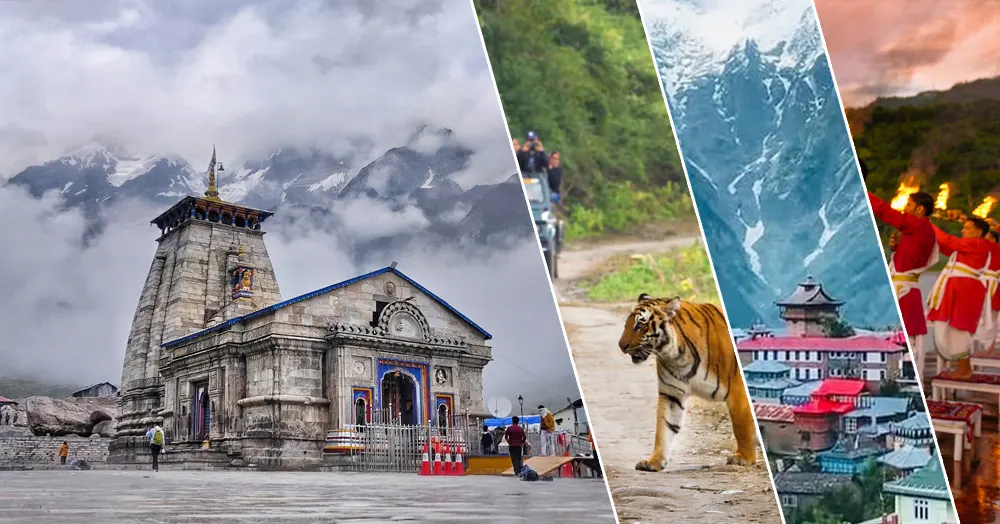
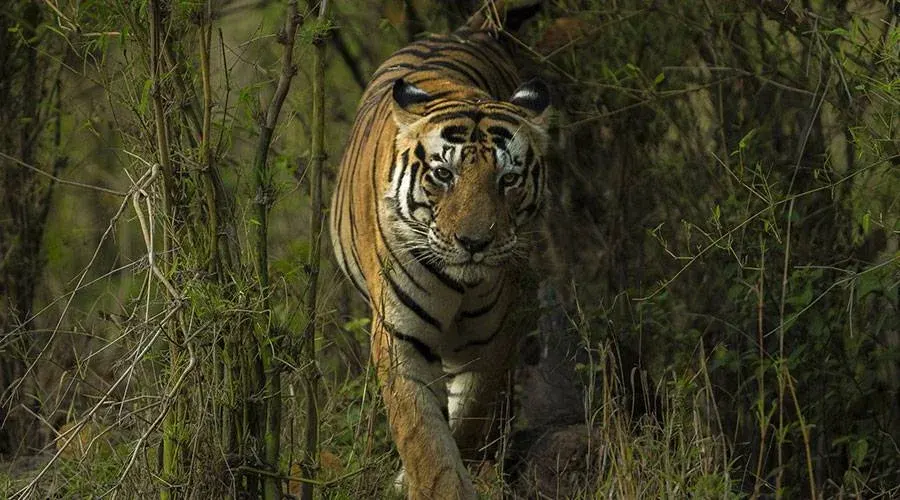
Jim Corbett National Park is the oldest national park in India known for housing the endangered Bengal tiger. Corbett National Park is part of the larger Corbett Tiger Reserve which is set amidst the foothills of the Himalayas in the Nainital district of Uttarakhand. It houses a variety of flora and fauna including rare ones such as tigers and is a treat for wildlife enthusiasts and photographers.
Famous for its wildlife safaris, Jim Corbett National Park is one of the few tiger reserves in India which allows overnight stays. Home to more than 650 species of rare and migratory birds, it is a haven for bird watchers. The most popular attraction at Corbett National Park is Dhikala, a forest lodge located on the border of Patil Dun Valley, which is known for its stunning location and rich wildlife.
The Jim Corbett National Park was established in 1936 as Hailey National Park and is named after Jim Corbett who is a famous hunter and naturalist. It was the first place where Project Tiger was launched in 1973. The park is spread over an area of more than 500 sq km and is divided into 5 zones: Bijrani, Dhikala, Jhirna, Domunda, and Sonanandi to promote tourism.
Permits are required for a specific zone and the safari is allowed only in that zone. Only 180 vehicles are allowed to enter the national park in a day. Jim Corbett National Park remains closed from July to October during the monsoons. However, Jhirna, Dhela, and Sitabani tourism zones remain open for tourists throughout the year.
Top Attractions & Features of Jim Corbett National Park
- Known for Bengal tiger sightings
- Jeep & Canter Safari experiences
- Dense forests, riverine belts & grasslands
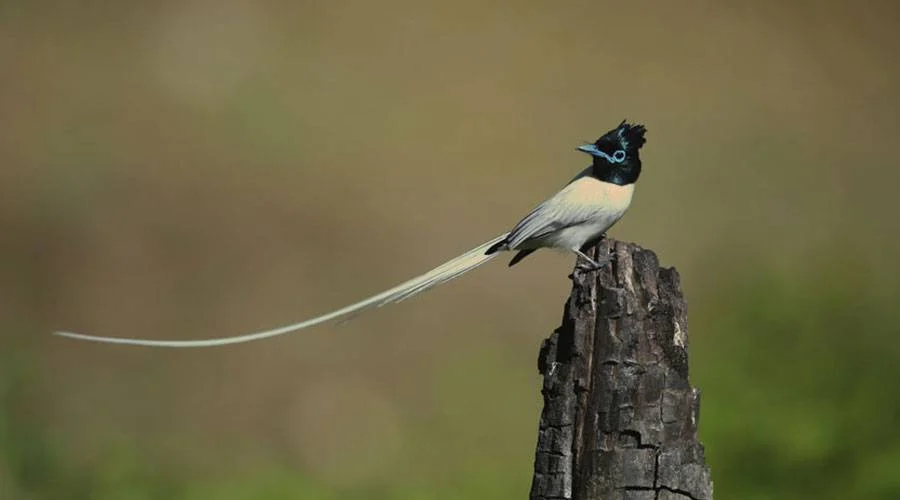
- Home to 650+ bird species – Birdwatchers’ paradise
- Forest lodges available for night stays
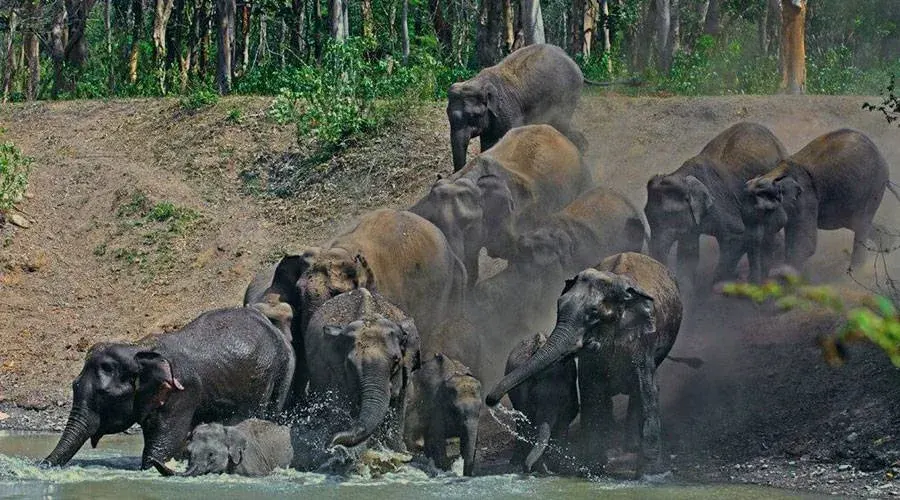
- Elephants, leopards & unique Himalayan wildlife
- Ramganga River, waterfalls & scenic viewpoints
Whether you’re a thrill seeker or nature lover, Corbett ensures unforgettable moments.
Safari Zones in Jim Corbett National Park
Safari ZoneKnown ForStatusDhikalaBest for tiger sightings + forest stayCore ZoneBijraniDense forest & adventure safariCore ZoneJhirnaWildlife view + remains open all yearCore ZoneDhelaBirdwatching & nature sceneryCore ZoneDurgadeviElephant sightings, hilly terrainCore ZoneSitabaniNature treks, templesBuffer Zone
Safari permit required for each zone separately.
History of Jim Corbett National Park
Jim Corbett National Park was established in 1936 with the sole purpose of protecting Bengal tigers and preserving the region’s magnificent biodiversity. Named after legendary conservationist Jim Corbett, who dedicated his life to protecting wildlife, the park continues to play a crucial role in India’s tiger conservation movement. In 1973, it became the first park under Project Tiger, and since then, it has remained a proud symbol of India’s wildlife protection efforts.
Wildlife in Jim Corbett National Park
Key species seen here include:
- Royal Bengal Tiger
- Asian Elephant
- Leopards & Civets
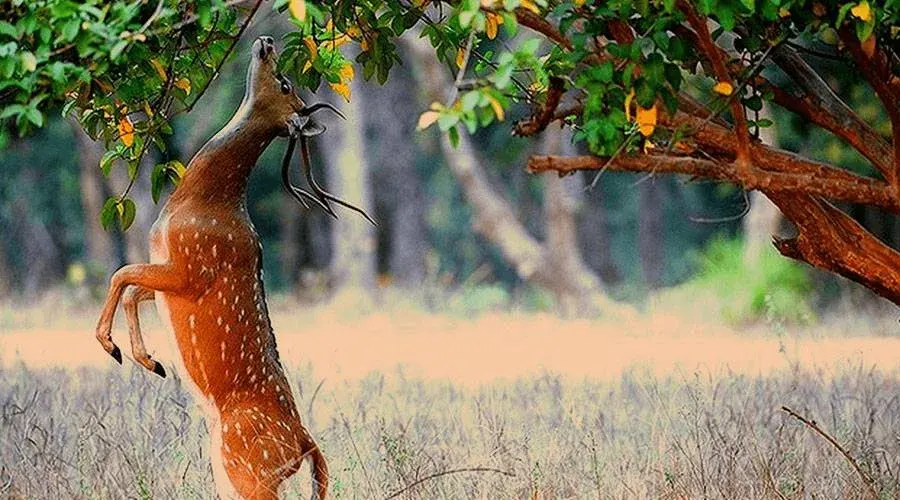
- Deer Species (Sambar, Chital, Hog Deer)
- Crocodiles, Gharials & Turtles
- Eagles, Hornbills & Exotic Migratory Birds
Every safari comes with a new thrilling experience!
Jeep & Canter Safari – Experience the Wild
Safari TypeSuitable ForNotesJeep SafariSmall groups, close encountersLimited availability, must book earlyCanter SafariLarger groupsBest option for Dhikala Zone exploration
Best time for tiger sightings - Summer months (Mar–Jun)
Accommodation & Food Options
- Government and private resorts at Dhikala, Bijrani, Jhirna & Ramnagar
- Forest Rest Houses (advance permit needed)
- Only vegetarian food is available inside forest zones
Travel Tips for Jim Corbett Safari
- Book safari & stay 30–45 days in advance
- Wear neutral/earth-tone clothes during safari
- Carry warm layers in winter mornings
- Do not feed or disturb wildlife
- Carry binoculars & camera for best experience
- Follow forest safety instructions strictly
How to Reach Jim Corbett National Park
RouteDistanceDelhi - Corbett250 kmHaridwar - Corbett140 kmDehradun - Corbett180 kmNainital - Corbett70 km
Nearest Railway Station: Ramnagar
Nearest Airport: Pantnagar Airport (80 km)
Well connected via road with buses & taxis available.
Best Time to Visit Jim Corbett
SeasonExperienceOct – Feb (Winter)Ideal for bird watching & pleasant climateMar – Jun (Summer)High tiger sighting chancesJul – Sep (Monsoon)Most zones are closed due to rain
Jhirna, Dhela & Sitabani zones remain open all year.
Nearby Attractions
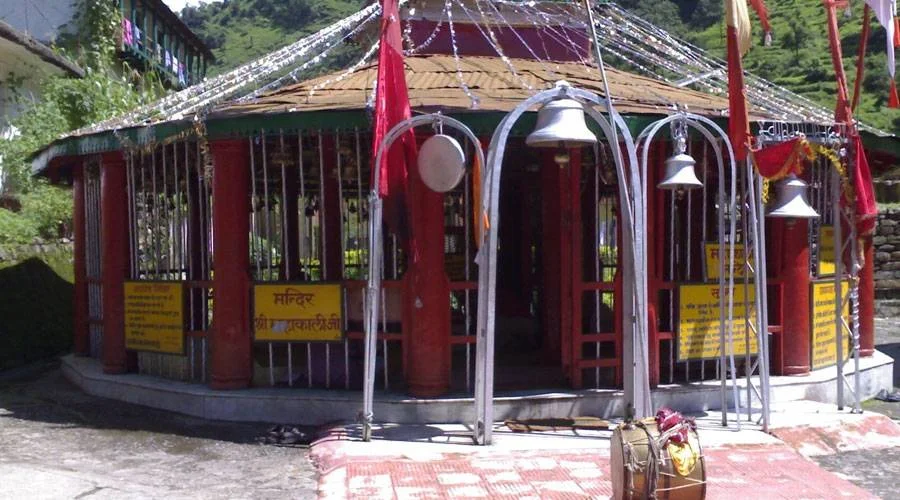
- Garjiya Devi Temple
- Corbett Museum (Kaladhungi)
- Corbett Waterfall
- Sitabani Forest & Temple
- Ramnagar Town Market
Perfect for weekend getaways and nature walks.
Quick Facts – Jim Corbett National Park
| Fact | Details |
|---|---|
| State | Uttarakhand |
| District | Nainital |
| Area | 520 sq. km |
| Famous For | Bengal Tiger Conservation |
| Founded | 1936 |
| Project Tiger Launch Site | Yes |
| Safari Timings | Vary by zone & season |
| Entry Fee | Permit required |
Jim Corbett National Park is India’s ultimate wildlife adventure destination combining thrilling tiger safaris, breathtaking Himalayan landscapes, and the rare experience of staying inside the forest. Whether you visit for photography, relaxation, or a deep jungle adventure, Corbett promises memories that last a lifetime.