Vaishno Devi Mandir, Jammu And Kashmir
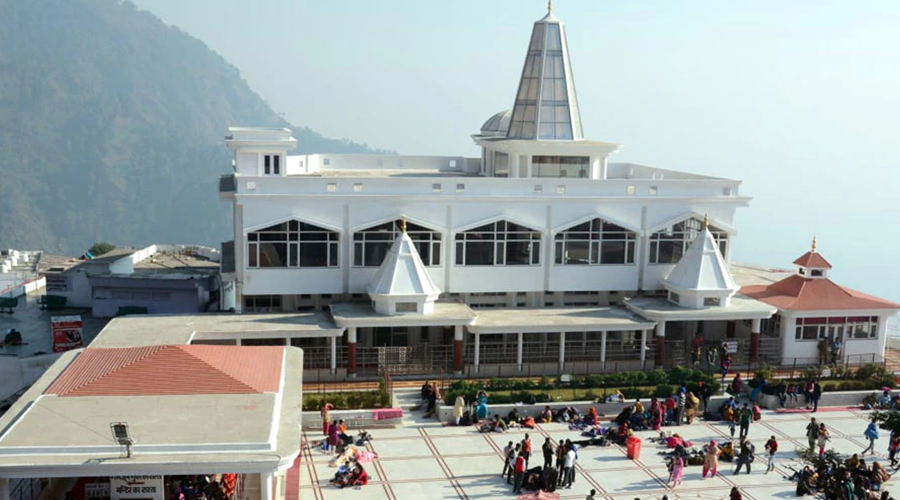
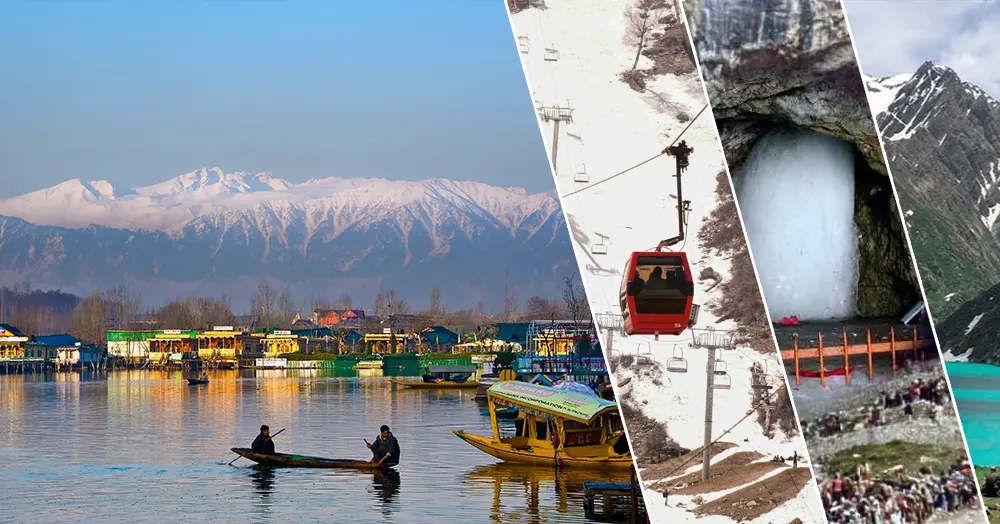
The Vaishno Devi Mandir is one of the holiest Hindu pilgrimage sites in India. Dedicated to Mata Vaishno Devi, also lovingly known as Mata Rani or Trikuta Mata, this sacred cave shrine attracts millions of devotees every year from across the world.
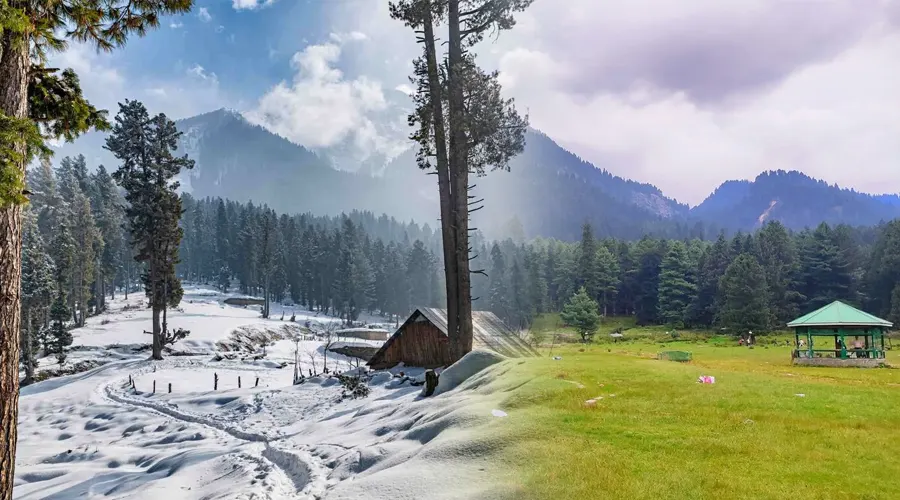
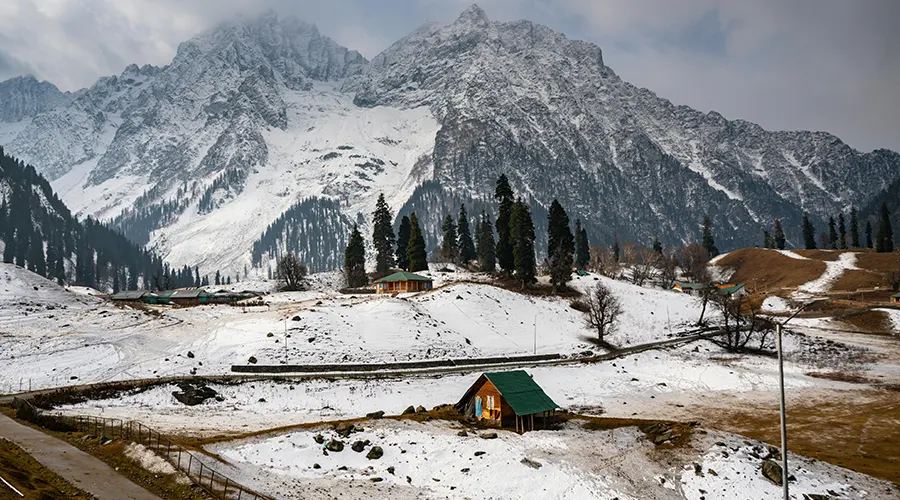
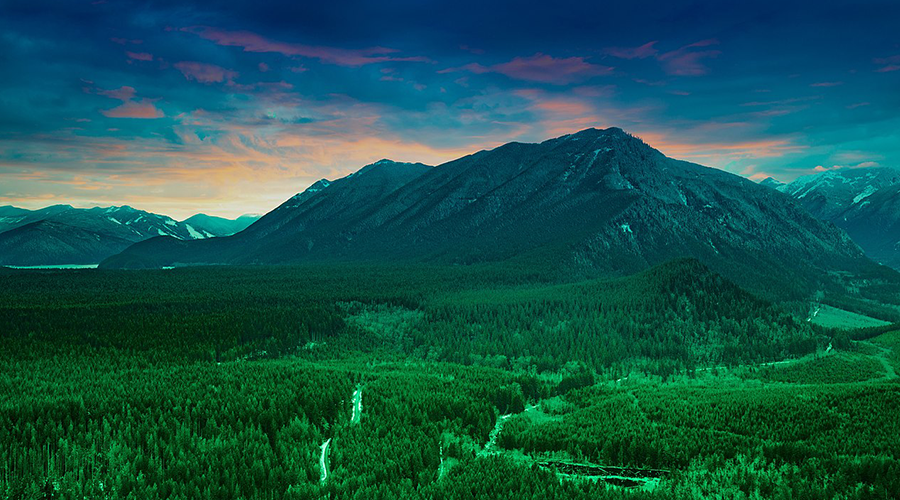
Located at an altitude of around 5,200 feet, the pilgrimage to Vaishno Devi involves a scenic yet spiritually uplifting 13 km trek from Katra. Surrounded by snow-kissed Himalayan peaks, lush forests, and breathtaking valleys, the journey is believed to be as divine as the destination itself.
History of Vaishno Devi Temple, Jammu & Kashmir
According to sacred legends, the holy cave of Mata Vaishno Devi was discovered by a devoted priest named Pandit Sridhar. Mata Vaishnavi appeared in his dreams and guided him toward her divine abode in the Trikuta Hills. Following her instructions, Pandit Sridhar found the cave and was blessed by the Goddess with four sons and the responsibility of being the shrine's caretaker.
The Shri Mata Vaishno Devi Shrine Board was constituted in 1986 to manage temple affairs and pilgrim services. Since then, the shrine has been administered professionally, providing modern amenities while preserving its spiritual traditions.
Religious and Spiritual Significance
Mata Vaishno Devi is believed to be a manifestation of:
- Maha Kali (Power)
- Maha Lakshmi (Wealth)
- Maha Saraswati (Wisdom)
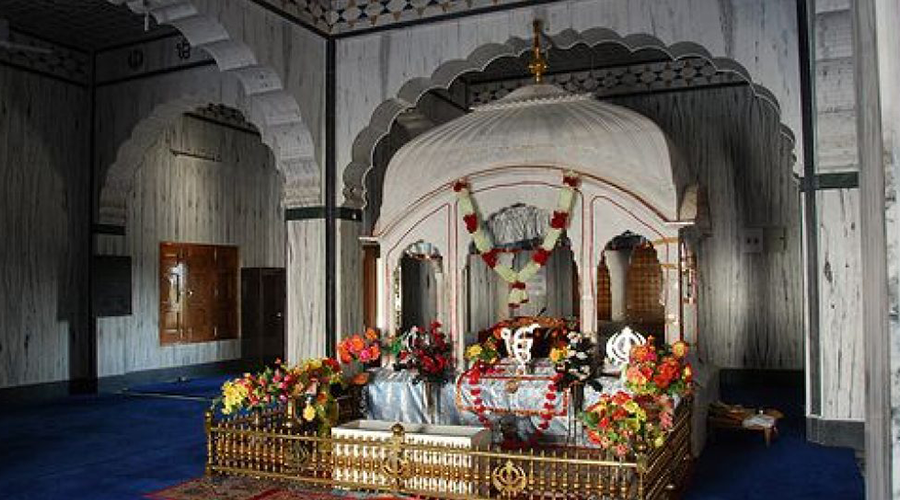
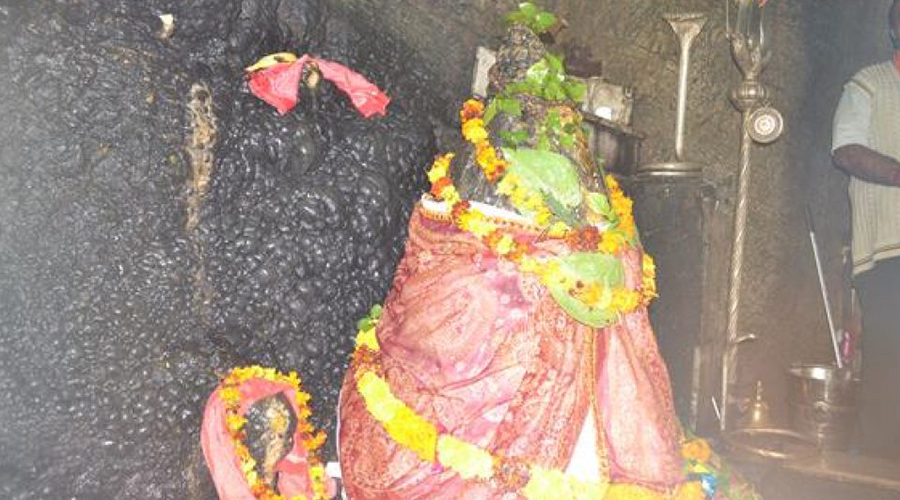
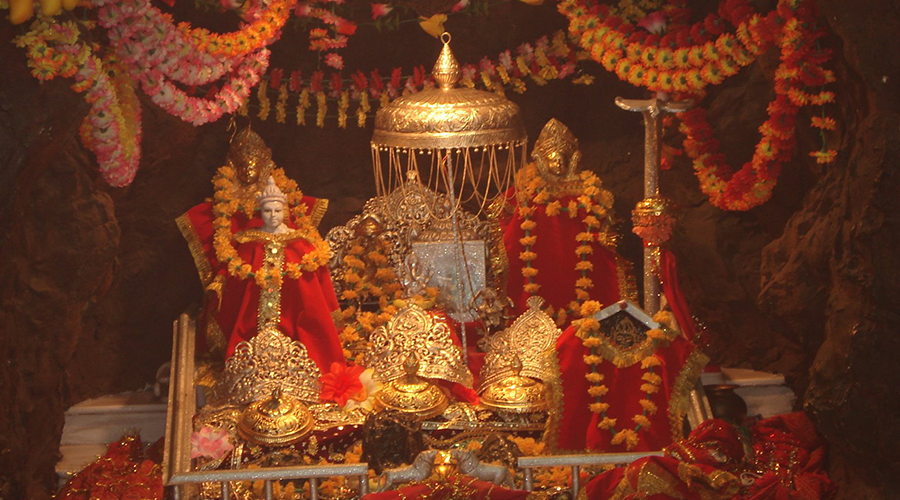
Inside the holy cave, devotees worship three natural pindis symbolizing the three forms of the Goddess. It is believed that Mata herself calls her devotees. The popular saying “Mata Bulati Hai” reflects the faith that one cannot reach Vaishno Devi without her divine blessing.
Architecture of Vaishno Devi Temple Katra
The Vaishno Devi Mandir is a naturally formed cave shrine rather than a constructed temple, making it spiritually and structurally unique. The cave contains three rock formations known as Pindis, symbolizing Mata Mahakali, Mahalakshmi, and Mahasaraswati.
Unlike traditional stone temples, the architecture is entirely natural, with limestone formations inside the cave forming the sacred sanctum. Entry and exit tunnels have been carefully carved without disturbing the natural structure.
The main sanctum is minimalistic, silent, and sacred, allowing devotees to focus entirely on spiritual connection rather than architectural luxury.
Lighting systems, tiled walkways, and controlled queue zones have been modernized by the Shrine Board while preserving the original spiritual essence.
Trek Route and Yatra Experience
The yatra begins from Katra, the base camp. Devotees cover a distance of about 13 km to reach the Bhawan via:
- Banganga
- Charan Paduka
- Ardhkuwari
- Sanjichhat
Facilities along the yatra route include:
- Medical aid centers
- Rest shelters
- Drinking water units
- Food stalls
- Pony, palki, and battery car services
For those unable to trek, helicopter services are available from Katra to Sanjichhat.
Temple Timings
DetailInformationDarshan Time24 hoursAartiMorning & EveningYatra RegistrationMandatoryEntry FeeFreeCrowd LevelHigh throughout year
Accommodation of Vaishno Devi Temple, Jammu & Kashmir
Pilgrims can stay at:
- Shrine Board guesthouses
- Budget lodges in Katra
- Luxury hotels
- Dharamshalas near Bhawan
Bookings can be made online through Shrine Board.
Travel Tips
- Book yatra registration before arrival
- Start trek early morning
- Keep warm clothes
- Avoid heavy bags
- Stay hydrated
- Elderly devotees should use helicopter or palki services
- Follow shrine instructions strictly
Best Time to Visit Vaishno Devi
SeasonExperienceMarch to OctoberBest weather & smooth yatraNavratriDivine celebrationsWinter (Nov–Feb)Heavy snowfall possibleMonsoonRisky trekking conditions
Nearby Attractions
- Ardhkuwari Cave – Sacred womb-shaped cave where Mata meditated for 9 months.
- Bhairavnath Temple – Completion point of Vaishno Devi Yatra.
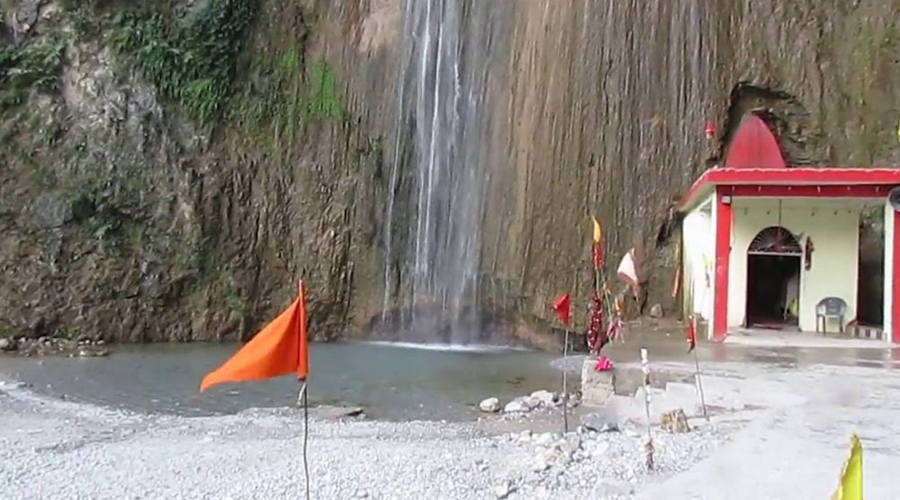
- Banganga River – Holy bathing spot where Mata quenched her thirst.
- Charan Paduka – Footprint of Mata Vaishno Devi on stone.
- Sanjichhat – Highest point on the yatra route with helicopter access.
- Katra Market – Local shopping and food center for pilgrims.
Quick Facts about Vaishno Devi Mandir
| Detail | Information |
|---|---|
| Temple Name | Vaishno Devi Mandir |
| Popular Names | Mata Rani, Trikuta Mata |
| Location | Trikuta Mountains |
| District | Reasi District |
| State / UT | Jammu & Kashmir |
| Deity | Goddess Vaishno Devi |
| Base Camp | Katra |
| Trek Distance | Approx. 13 km |
| Altitude | Around 5,200 feet |
| Temple Type | Natural cave shrine |
| Main Worship Form | Three Pindis (Kali, Lakshmi, Saraswati) |
| Darshan Hours | 24 Hours |
| Entry Fee | Free |
| Yatra Registration | Mandatory |
| Best Time | March to October |
| Major Festival | Navratri |
| Nearest Railway Station | Katra Railway Station |
| Nearest Airport | Jammu Airport |
| Special Belief | "Mata Bulati Hai" |
| Annual Visitors | Over 80 lakh |
| Helicopter Service | From Katra to Sanjichhat |
How to Reach Vaishno Devi Mandir
By Road
Katra is well connected via bus/taxi from Jammu.
By Train
Nearest station: Shri Mata Vaishno Devi Katra Railway Station
By Air
Nearest airport: Jammu Airport (approx. 50 km)
Vaishno Devi Mandir is more than just a pilgrimage, it is a spiritual awakening. The strenuous trek, mesmerizing natural beauty, and powerful divine presence make this journey life-changing for millions. Every visit refreshes the soul, strengthens faith, and fills the heart with peace.