
Mukti Bhawan: The Sacred Death Hotel of Varanasi Where Souls Seek Moksha
As a traveler deeply fascinated by India’s spiritual heart, my recent journey to Varanasi was transformative. Varanasi – the city of ghats, temples, and eternal chants of “Har Har Mahadev” – is where life meets death in the most profound way. But nothing prepared me for what I discovered inside a small, aged building tucked away from the bustling ghats: Mukti Bhawan, famously known as the “Death Hotel” of Varanasi.
This is no ordinary hotel. It’s a place where people come not to rest before exploring the city, but to leave the world in peace, in hope of attaining moksha – liberation from the cycle of birth and death.
What is Mukti Bhawan?
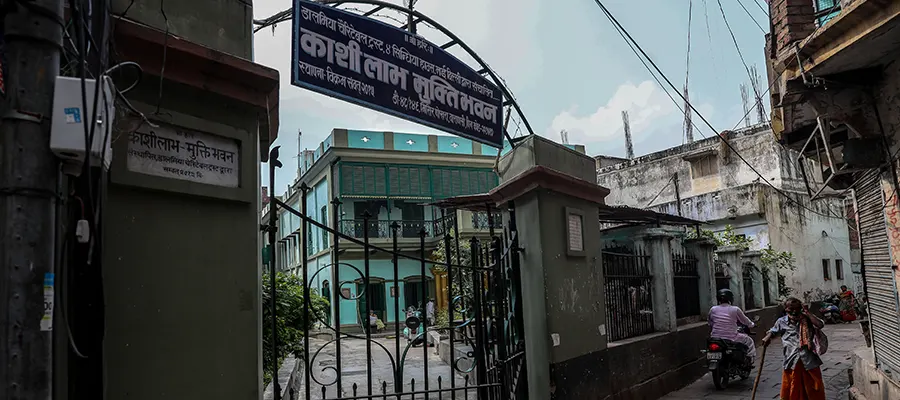
Mukti Bhawan, officially known as Kashi Labh Mukti Bhawan, is a guesthouse in Varanasi that has gained global attention for its unusual purpose — it is a place where terminally ill or elderly Hindus check in to die. The belief is rooted in ancient Hindu philosophy: dying in Varanasi grants salvation (moksha), freeing one from the cycle of reincarnation.

Built in 1958 and managed by the Dalmia Trust, Mukti Bhawan is one of the few places in the world where death is not feared, but welcomed with spiritual readiness.
Why Do People Come Here to Die?
In Hinduism, Kashi (Varanasi) is regarded as the holiest city where even death is considered auspicious. The city is believed to be personally blessed by Lord Shiva, who whispers the Taraka Mantra (liberation chant) into the ears of the dying, granting them instant salvation.
People come to Mukti Bhawan because they believe that:
- Dying in Varanasi ensures liberation from the cycle of rebirth.
- Cremation on the ghats of the Ganges ensures purity of the soul.
- Their last days can be spent in peace, prayer, and divine surroundings.
The Rules of Mukti Bhawan
I spoke to the caretaker, Mr. Bhairav Nath Shukla, who has overseen this unique hospice for over four decades. He shared some fascinating details:
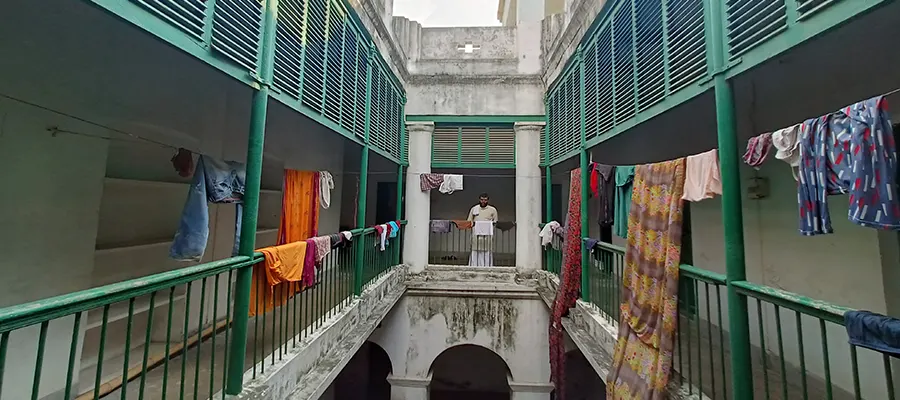
- Only 15 rooms are available at any time.
- The guest must be terminally ill or in advanced age.
- The stay is allowed for maximum 15 days.
- If no signs of imminent death appear within 15 days, the guest is politely asked to leave to make room for others.
This rule may sound harsh, but it's rooted in the demand and the sacred purpose of the place. The focus is to help those who are truly at the final stage of life.
Inside the Death Hotel
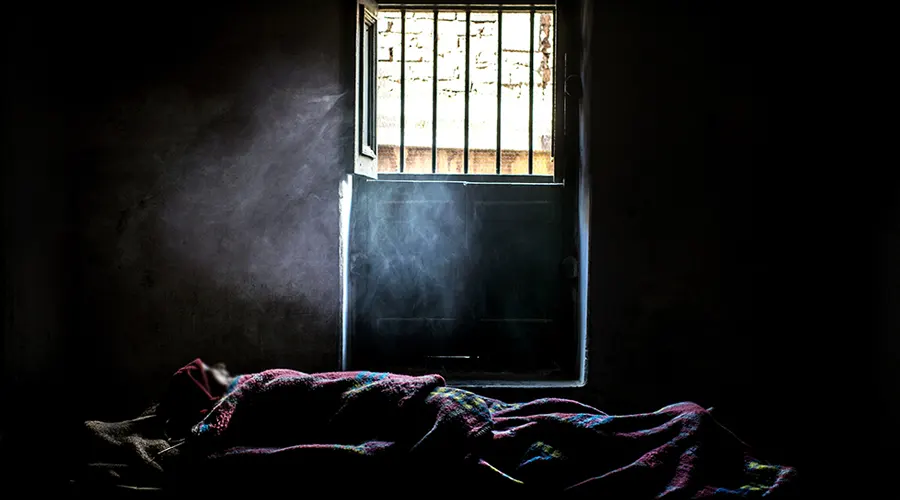
Contrary to what one might imagine, Mukti Bhawan is not a place of sorrow. Instead, it's tranquil, filled with soft chanting, flower offerings, and occasional temple bells. I met families sitting quietly beside their loved ones, reading the Bhagavad Gita, meditating, or simply holding hands in silence.
There's no fear or pain, just an atmosphere of acceptance, peace, and spiritual preparation. The staff are gentle and deeply respectful. Volunteers and priests often visit to offer prayers and help perform last rites.
The Emotional and Spiritual Impact
As a traveler witnessing this reality, I felt a mix of emotions — sadness, awe, humility, and profound respect. In the West, death is often hidden away, sanitized, and feared. But in Mukti Bhawan, death is seen as the final milestone of a sacred journey.
One elderly man I spoke with said, “I have lived my life. Now I wait here to be with Shiva. There is no sorrow in that.” His words stayed with me long after I left.
How to Visit Mukti Bhawan (Respectfully)
If you are curious and spiritually inclined, you can visit Mukti Bhawan, but only with respect and purpose. This is not a tourist spot. Do not photograph people or ceremonies. Speak softly, dress modestly, and if possible, make a small donation to the trust that runs the place.

Location: Kashi Labh Mukti Bhawan, Near Dashashwamedh Ghat, Varanasi, Uttar Pradesh
Entry: Not commercial; visit permitted respectfully
Contact: Managed by Dalmia Trust; can be contacted through local guides or temple associations.
Beyond Mukti Bhawan: Other Spiritual Places in Varanasi
- Manikarnika Ghat – The most sacred cremation ghat on the banks of the Ganga.
- Kashi Vishwanath Temple – One of the 12 Jyotirlingas of Lord Shiva.
- Dashashwamedh Ghat – Known for its mesmerizing Ganga Aarti.
- Sarnath – The place where Buddha gave his first sermon.
Final Thoughts
Visiting Mukti Bhawan changed the way I perceive life and death. In a world obsessed with avoiding mortality, Varanasi — and Mukti Bhawan — embrace it with grace and devotion. It is a reminder that life’s true journey ends not in fear, but in acceptance and peace.
If your travels ever bring you to Varanasi, take a moment to reflect on this unique spiritual tradition. Mukti Bhawan is not just a guesthouse — it is a threshold between the temporal and the eternal.
“In death, as in life, may there be peace.”
Faq About Mukti Bhawan: The Sacred Death Hotel of Varanasi Where Souls Seek Moksha
Ans: Mukti Bhawan, officially called Kashi Labh Mukti Bhawan, is a sacred guesthouse in Varanasi where terminally ill or elderly Hindus come to spend their final days, seeking moksha or liberation from the cycle of birth and death.
Ans: It is believed that dying in Varanasi grants immediate moksha. Many Hindus come to Mukti Bhawan in hopes of leaving the world peacefully in a spiritually blessed environment.
Ans: Mukti Bhawan was built in 1958 and is managed by the Dalmia Trust, which ensures its operations stay true to its spiritual mission.
Ans: There are only 15 rooms available at any time, reserved exclusively for people at the end of their life journey.
Ans: Guests must be terminally ill or elderly. The maximum stay is 15 days. If no signs of imminent death appear, the guest is respectfully asked to leave.
Ans: It is peaceful and spiritual — filled with chanting, prayers, and quiet meditation. Despite being associated with death, the place exudes tranquility and acceptance.
Ans: Mr. Bhairav Nath Shukla, the caretaker for over 40 years, along with a team of staff and volunteers, maintains the spiritual sanctity of the place.
Ans: While not a tourist attraction, spiritually respectful visitors may visit quietly. Photography and disruptive behavior are strictly discouraged.
Ans: It is located near Dashashwamedh Ghat in Varanasi, Uttar Pradesh, close to the sacred ghats along the Ganges.
Ans: Many visitors report a deep spiritual awakening, as the experience transforms their understanding of life and death into one of peace, acceptance, and humility.
Comments (0)