Delhi: A Dynamic Blend of Heritage, Power & Culture
Delhi, the capital city of India, is a vibrant blend of ancient heritage and modern lifestyle. Known as the “Heart of India,” it reflects centuries of history, culture, politics, and diversity all in one place. From majestic Mughal monuments to colonial architecture and modern skyscrapers, Delhi offers a unique travel experience.
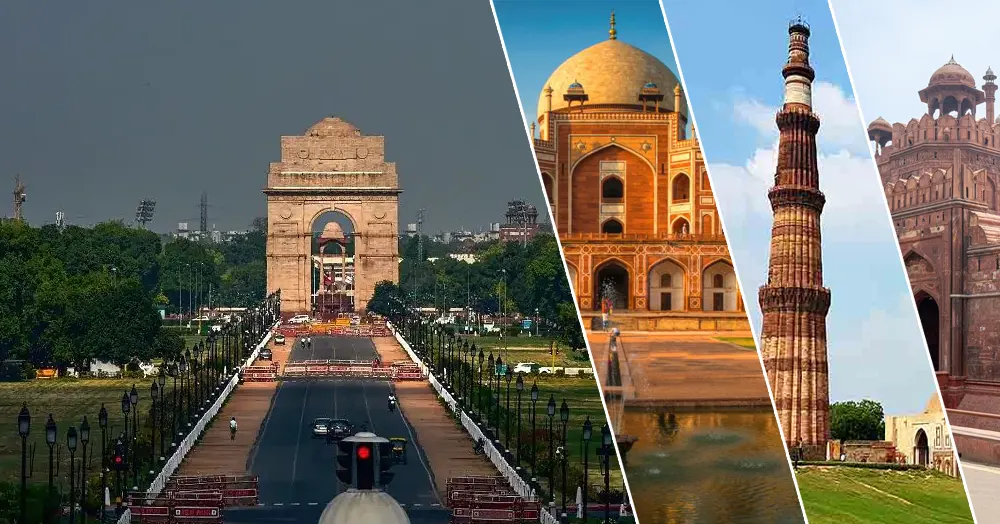
The city is home to iconic attractions like the Red Fort, Qutub Minar, India Gate, Lotus Temple, and Akshardham Temple. Along with its rich history, Delhi is also famous for its bustling markets, street food, and lively cultural atmosphere.
Whether you are a history lover, foodie, shopper, or cultural explorer, Delhi welcomes every traveler with unforgettable experiences, making it one of the most important destinations in India.
History of Delhi: A Journey Through Time
Delhi has a rich and layered history that spans thousands of years, making it one of the most historically significant cities in the world. It has served as the capital of powerful dynasties such as the Tomars, Delhi Sultanate rulers, Mughals, and the British Empire. Each era has left behind remarkable architectural, cultural, and historical landmarks that define the identity of modern Delhi.
Ancient and Mythological Era
Delhi’s earliest history is deeply connected with Indian mythology. It is believed to be the location of Indraprastha, the grand capital of the Pandavas from the Mahabharata. This ancient reference gives Delhi a sacred and legendary status in Indian tradition. Archaeological evidence also suggests early settlements along the Yamuna River, making it one of the oldest continuously inhabited regions in India.
Delhi Sultanate and Mughal Period
Delhi reached new heights during the rule of the Delhi Sultanate and later the Mughal Empire. This period transformed the city into a powerful political and cultural center. The Mughals introduced magnificent architecture, art, and urban planning that still defines Delhi’s skyline today.
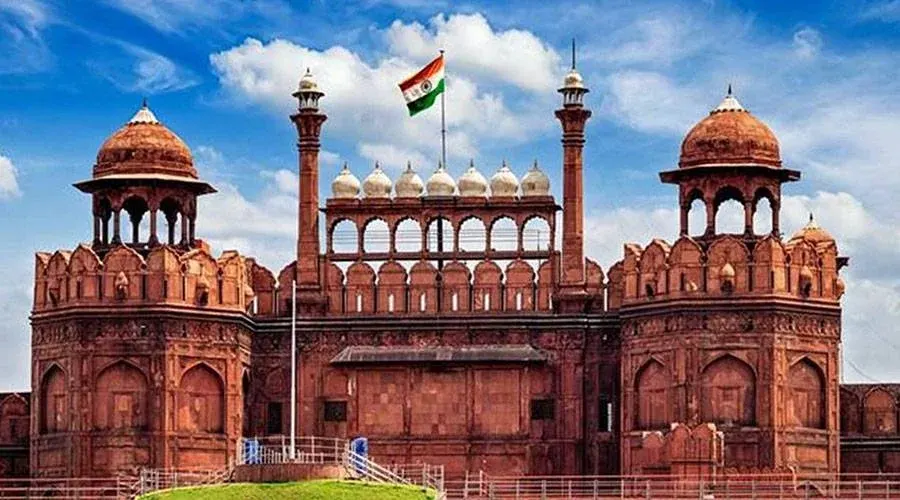
• Red Fort – symbol of Mughal power
• Jama Masjid – one of India’s largest mosques
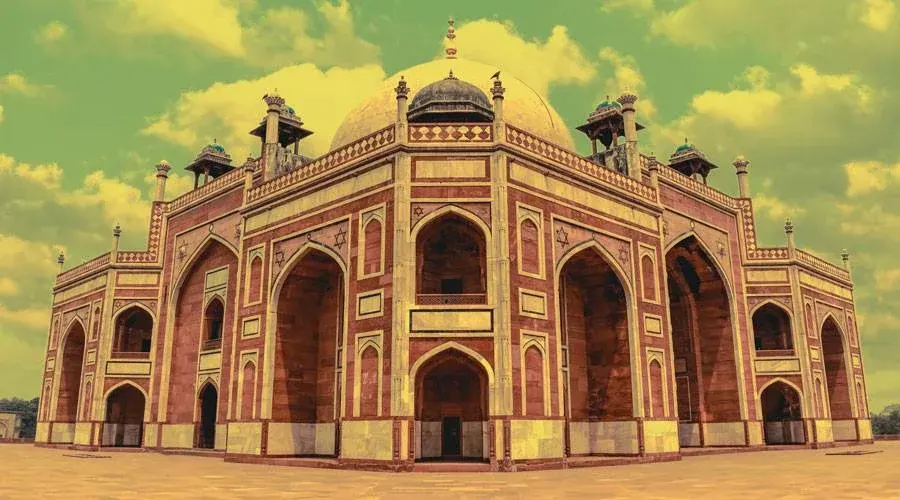
• Humayun’s Tomb – inspiration for the Taj Mahal
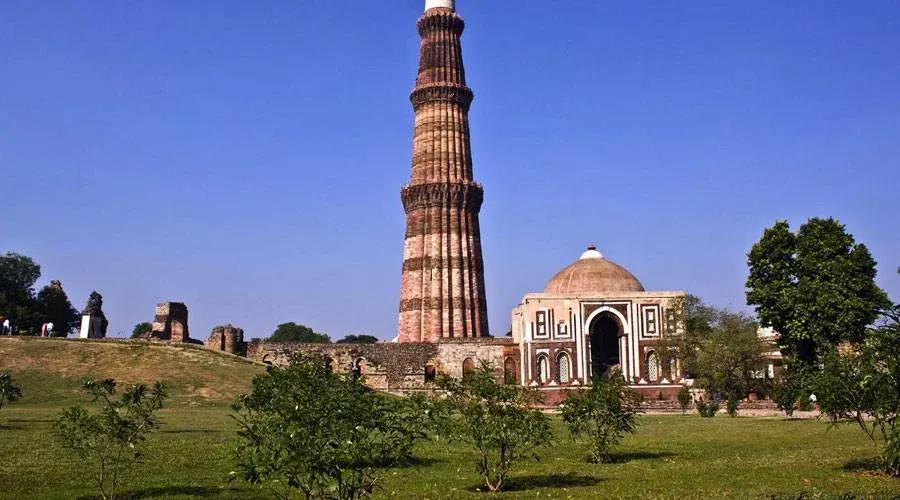
• Qutub Complex – Indo-Islamic architectural brilliance
This era made Delhi a global center of culture, trade, and governance.
British Colonial Era
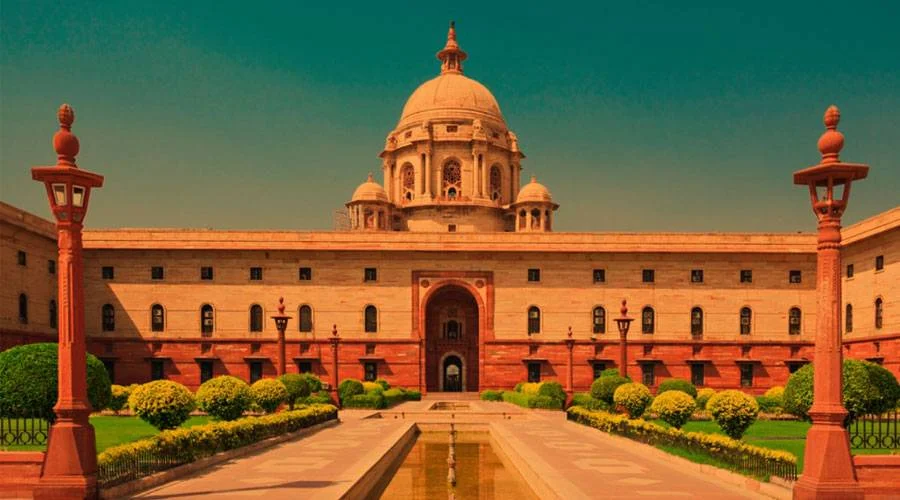
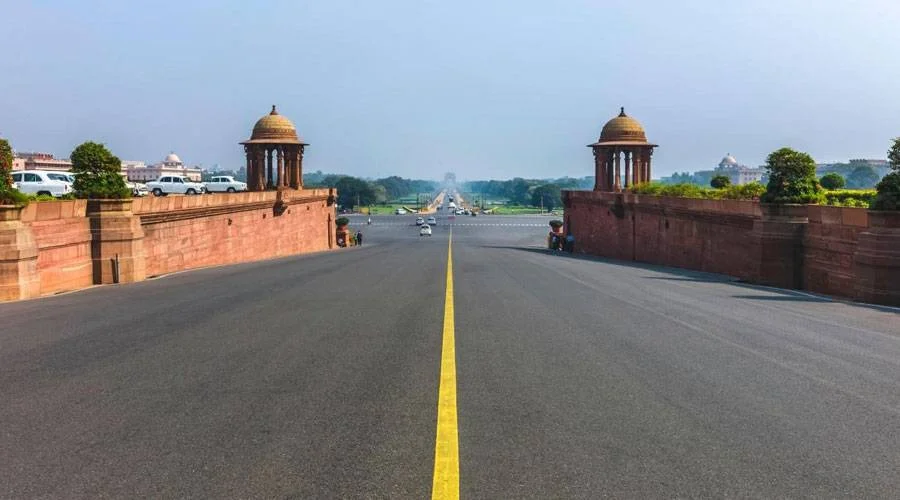
During British rule, Delhi underwent major urban transformation. In 1911, it was declared the capital of British India, replacing Kolkata. The British developed New Delhi with wide roads, administrative buildings, and iconic structures that reflected colonial architecture blended with Indian influences.
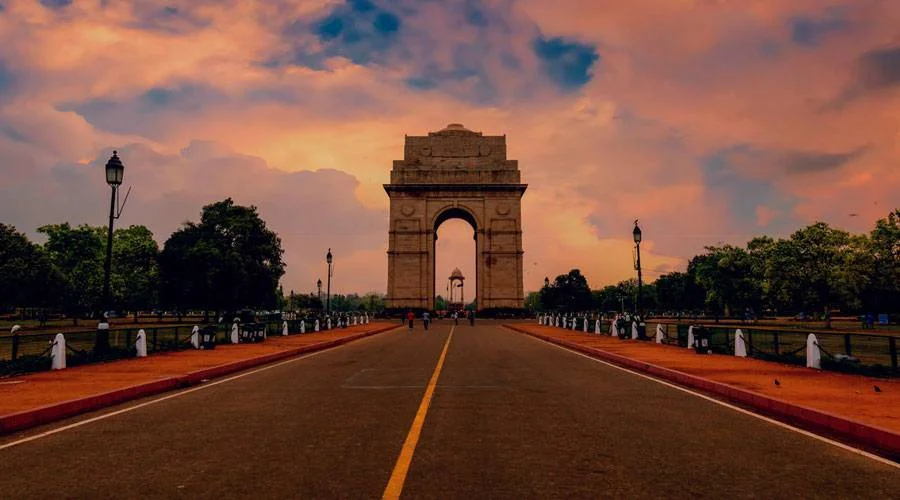
• India Gate – war memorial built in British era
• Rashtrapati Bhavan – former Viceroy’s House
• Wide boulevards and planned city structure
• Development of rail and communication networks
This period shaped Delhi into a modern administrative capital.
Modern Delhi
Today, Delhi is the heart of India, serving as the nation’s political, cultural, and economic center. It is a dynamic metropolis where ancient monuments stand beside modern skyscrapers, reflecting India’s journey from tradition to progress. Delhi is also a major hub for education, business, tourism, and international diplomacy.
The city represents India’s unity in diversity, blending multiple cultures, languages, and lifestyles into one vibrant capital.
Why Visit Delhi?
Delhi is a complete travel destination offering history, culture, food, and entertainment.
- Rich historical monuments and UNESCO sites
- World-famous street food and Mughlai cuisine
- Spiritual temples and religious diversity
- Vibrant markets and luxury shopping malls
- Cultural festivals, music, and arts
Top Tourist Places in Delhi
1. Red Fort – Symbol of Mughal Power
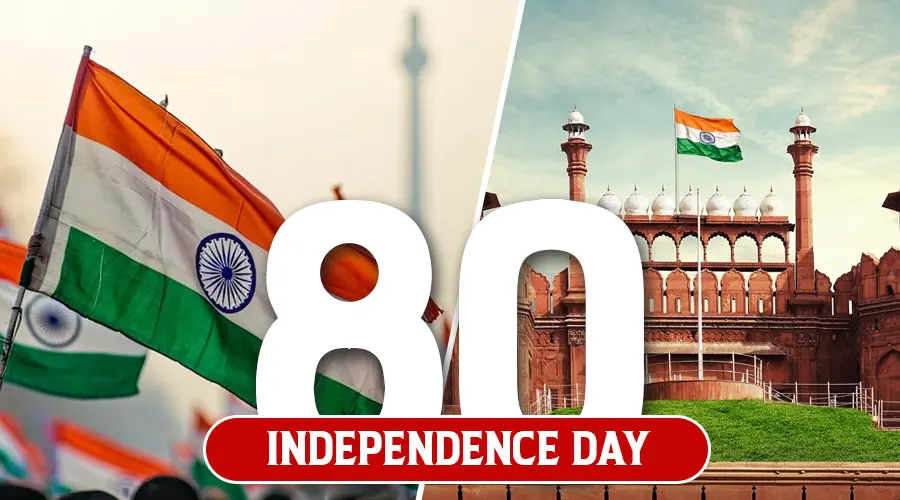
Red Fort is one of Delhi’s most iconic historical monuments built by Emperor Shah Jahan. It represents Mughal grandeur and India’s freedom history. The fort is made of red sandstone and attracts millions of tourists every year for its architecture, cultural importance, and light and sound show.
Highlights:
- UNESCO World Heritage Site
- Mughal red sandstone architecture
- Light and sound show
- Independence Day speech venue
2. Qutub Minar – Tallest Brick Minaret
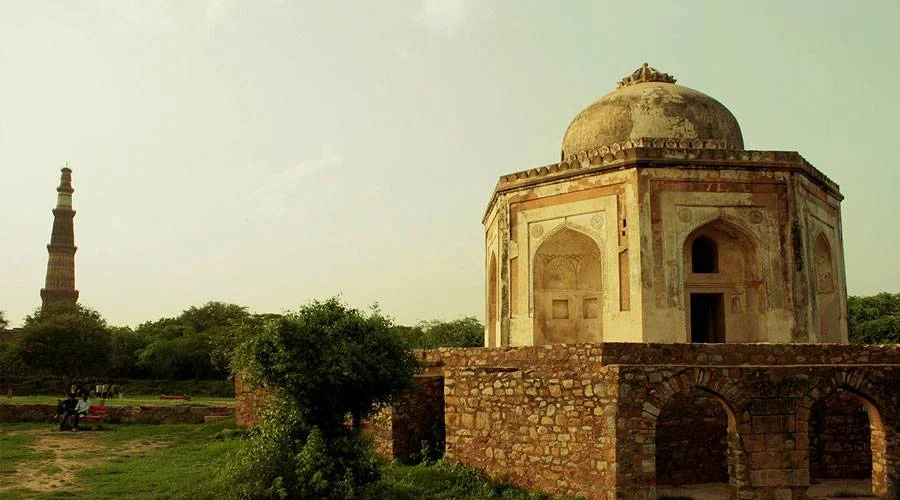
Qutub Minar is a 73-meter tall minaret and UNESCO World Heritage Site in Delhi. Built in Indo-Islamic style, it is surrounded by ancient ruins and historical structures. The site reflects Delhi’s early Islamic architecture and is one of the most visited tourist attractions in the capital.
Highlights:
- UNESCO World Heritage Site
- 73-meter tallest brick minaret
- Ancient inscriptions and ruins
- Scenic heritage complex
3. India Gate – War Memorial of India
India Gate is a famous national monument dedicated to Indian soldiers who lost their lives in World War I. Located in the heart of Delhi, it is beautifully lit at night and surrounded by gardens, making it a popular place for evening walks, relaxation, and family picnics.
Highlights:
- War memorial structure
- Beautiful night lighting
- Green lawns and gardens
- Popular picnic spot
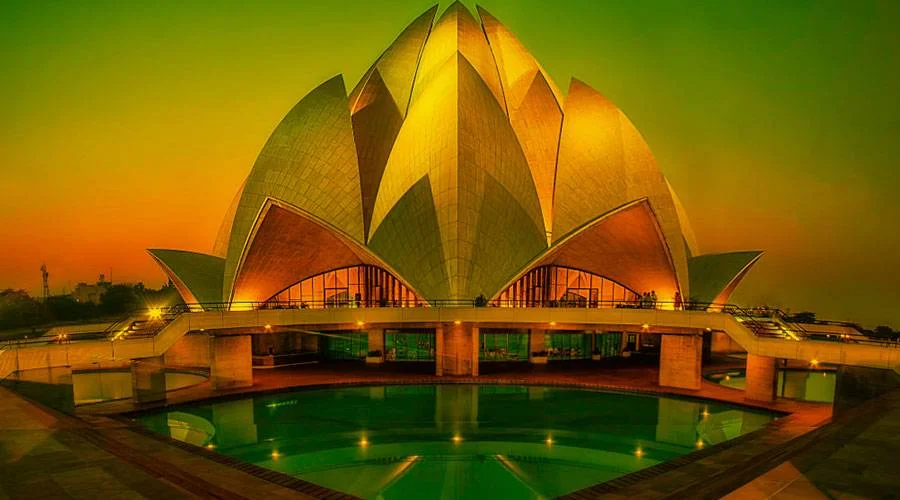
4. Lotus Temple – Peace & Meditation Center
Lotus Temple is a modern architectural marvel shaped like a blooming lotus flower. It is a peaceful place open to all religions, promoting unity and meditation. Visitors come here to enjoy silence, spirituality, and beautiful surroundings, making it one of Delhi’s most serene attractions.
Highlights:
- Lotus-shaped architecture
- Meditation and peace center
- Open to all religions
- Beautiful gardens
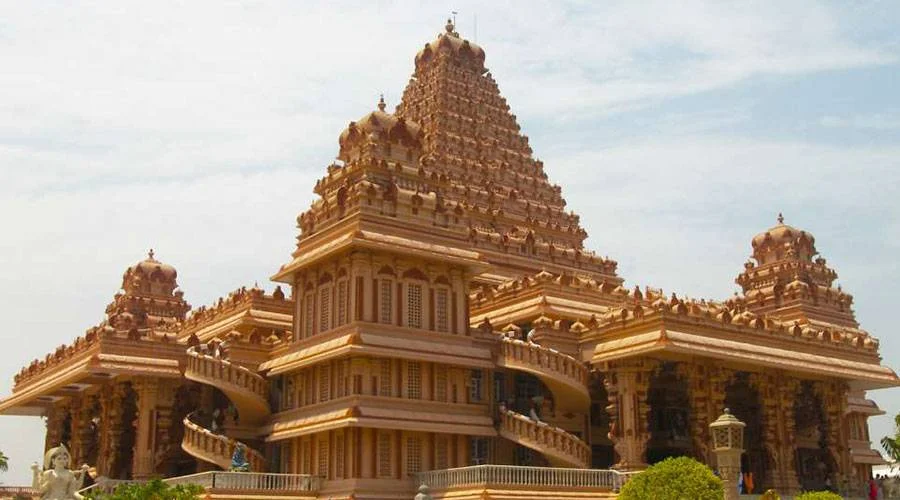
5. Akshardham Temple – Cultural Marvel
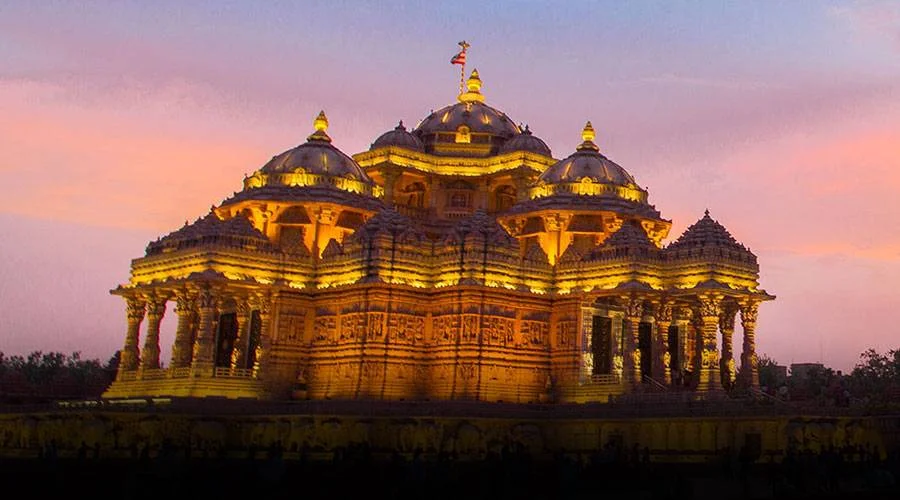
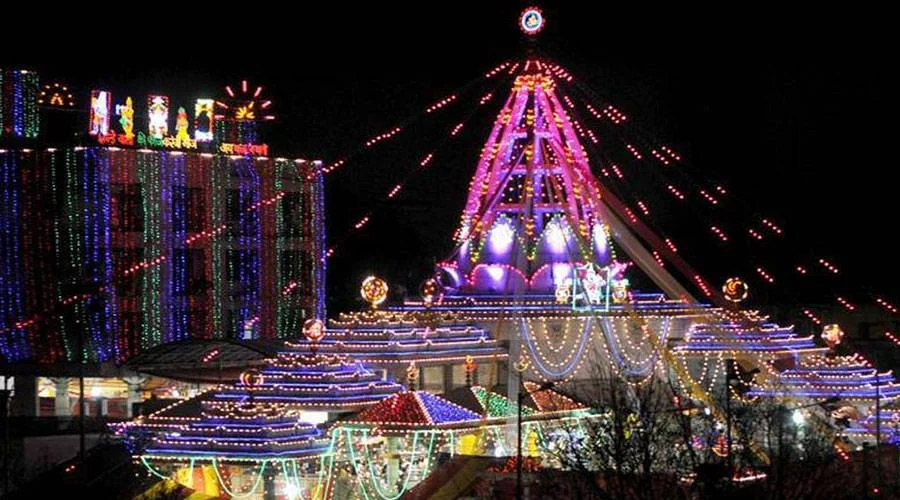
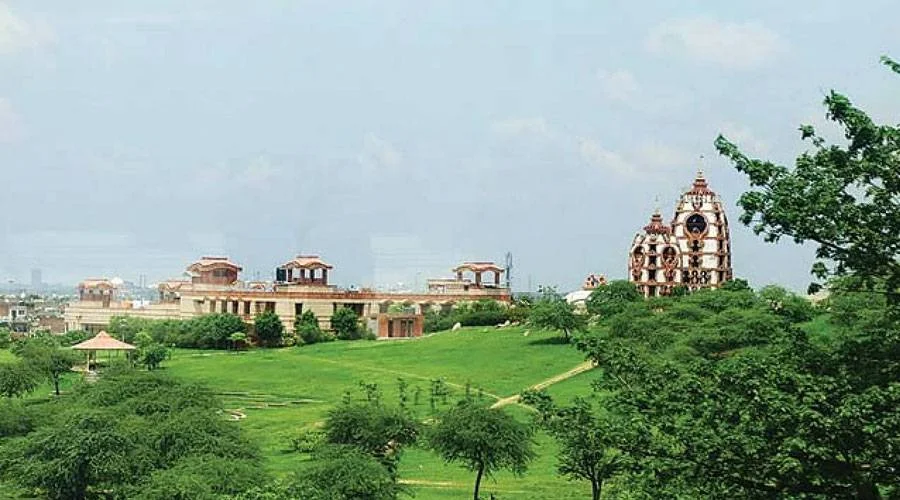
Akshardham Temple is one of the largest Hindu temples in the world, known for its intricate carvings and spiritual experience. The complex includes exhibitions, water shows, and cultural displays that showcase Indian traditions, spirituality, and heritage in a grand and visually stunning environment.
Highlights:
- Grand temple complex
- Light and water show
- Detailed stone carvings
- Spiritual experience
6. Humayun’s Tomb – Mughal Architectural Gem
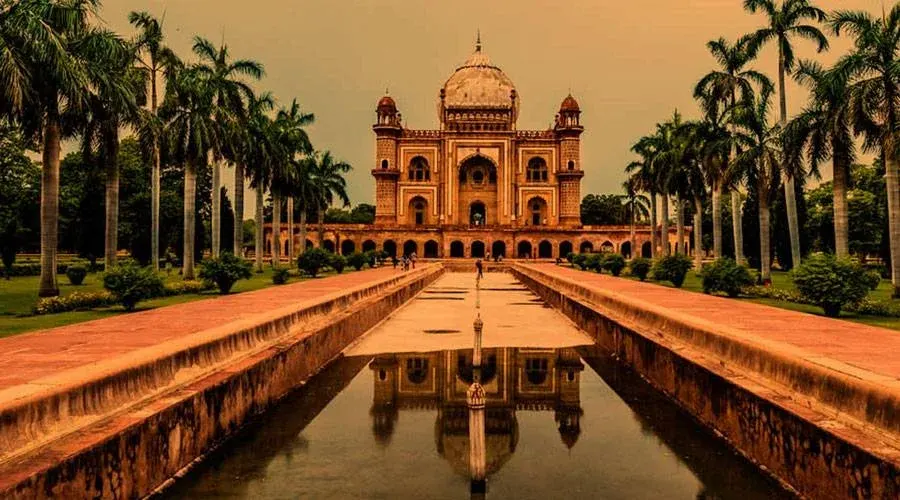
Humayun’s Tomb is a UNESCO World Heritage Site and one of the earliest examples of Mughal architecture in India. Surrounded by lush gardens, it inspired the design of the Taj Mahal. The structure is a beautiful blend of Persian and Indian architectural styles.
Highlights:
- UNESCO World Heritage Site
- Char Bagh gardens
- Mughal-Persian architecture
- Photography spot
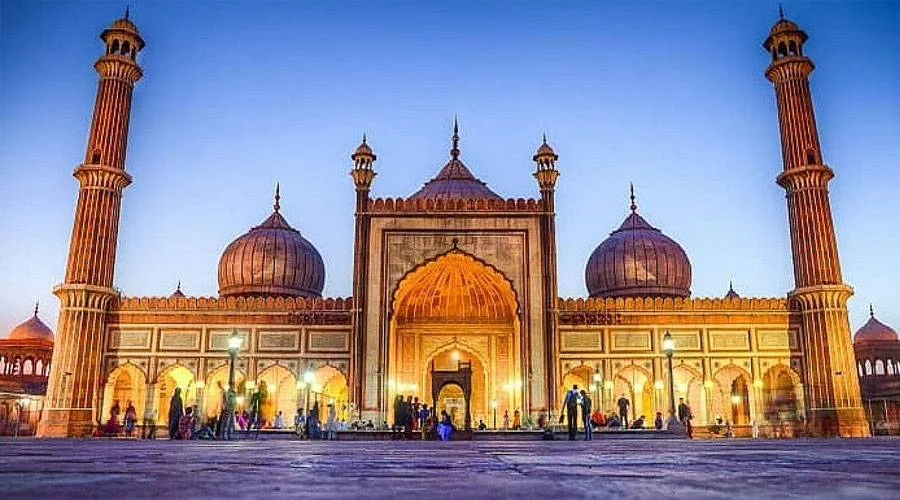
7. Jama Masjid – Largest Mosque in India
Jama Masjid is one of the largest mosques in India, built by Emperor Shah Jahan. It can accommodate thousands of worshippers at a time. The mosque is a masterpiece of Mughal architecture and is located near Chandni Chowk, making it a cultural and spiritual hub.
Highlights:
- Grand Mughal mosque
- Red sandstone and marble structure
- Large prayer capacity
- Near food streets
8. Purana Qila – Ancient Delhi Fort
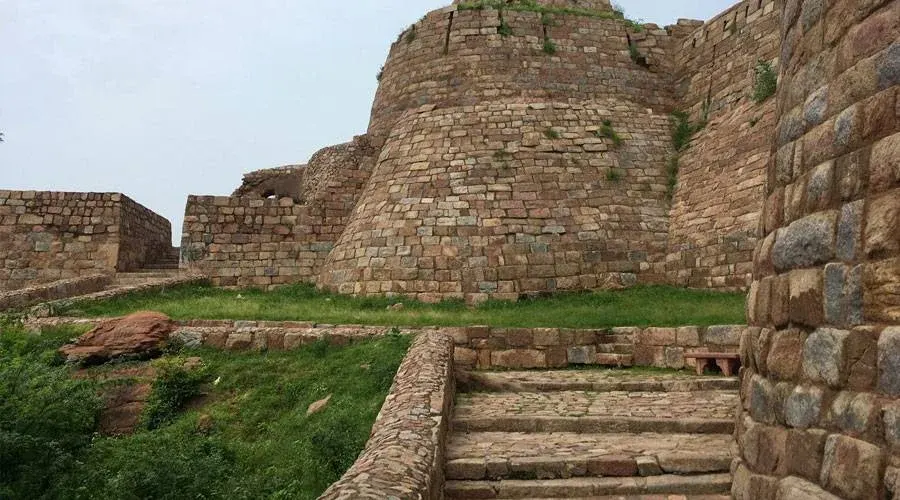
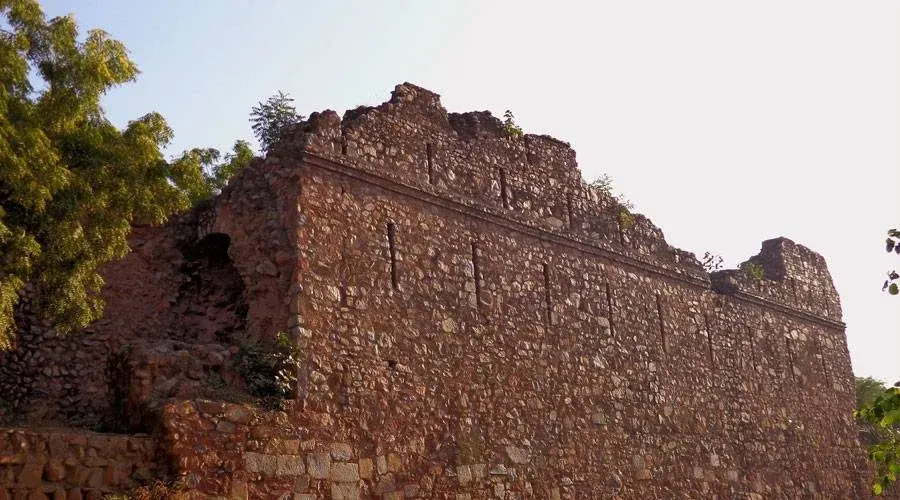
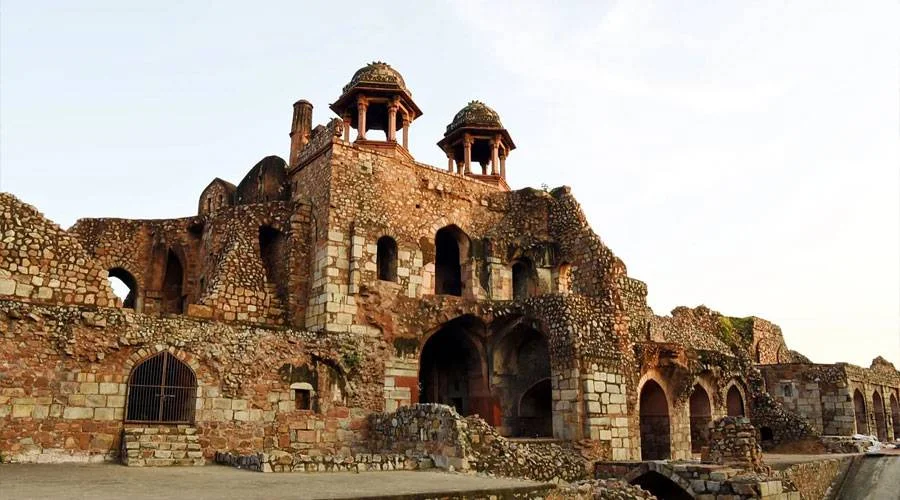
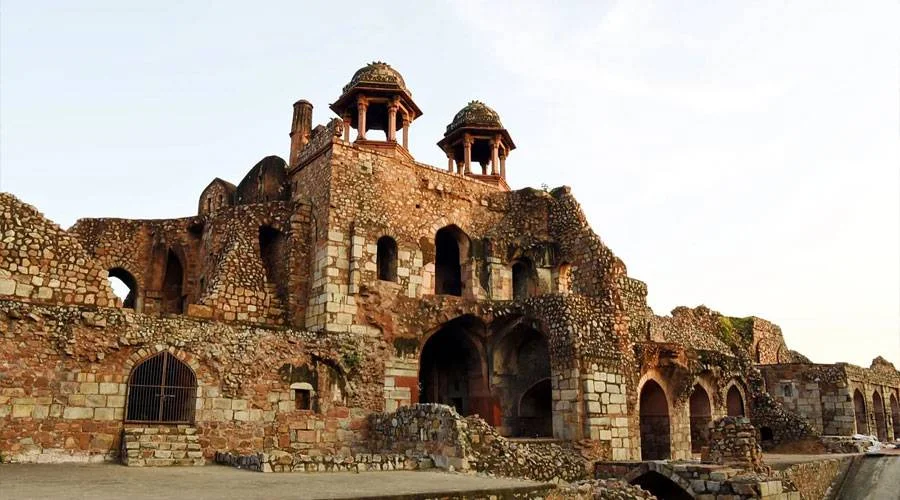
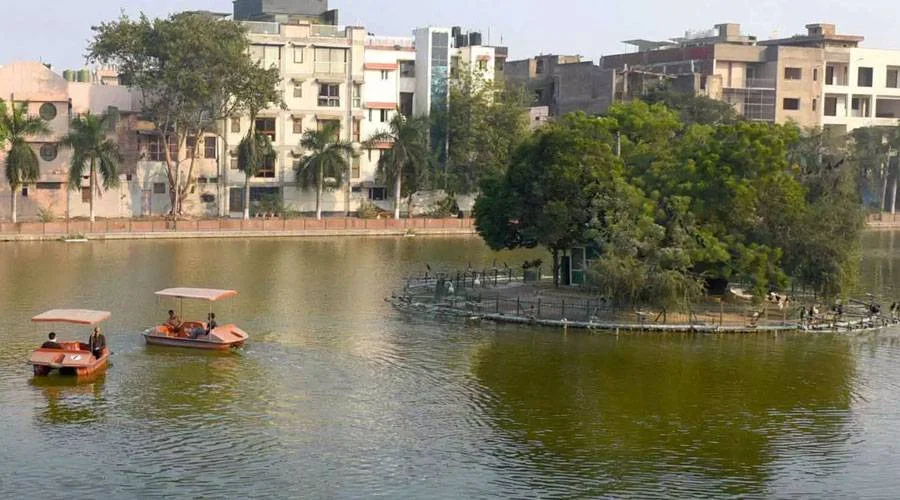
Purana Qila is one of the oldest forts in Delhi, believed to be linked to ancient Indraprastha. The fort reflects centuries of history and architecture. It has massive walls, a beautiful lake, and a peaceful environment, making it a great place for history lovers and explorers.
Highlights:
- Ancient fort structure
- Beautiful surrounding lake
- Light and sound show
- Historical importance
9. Lodhi Garden – Green Heritage Park
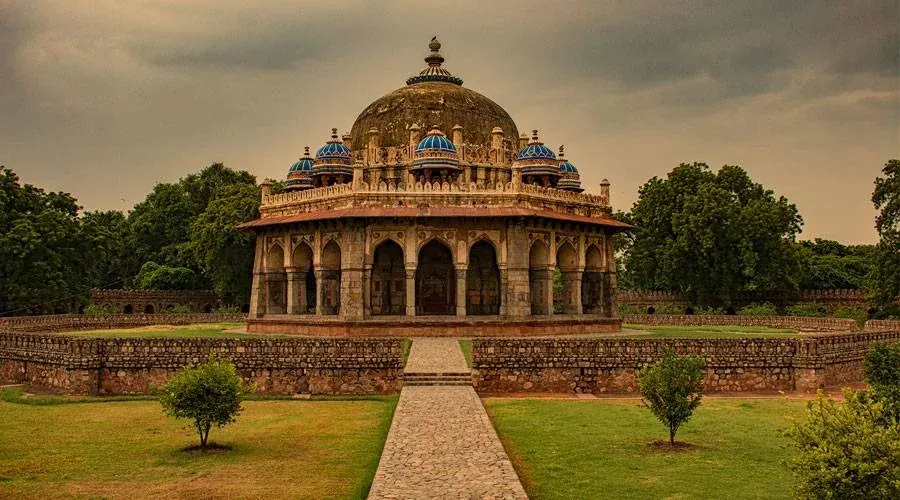
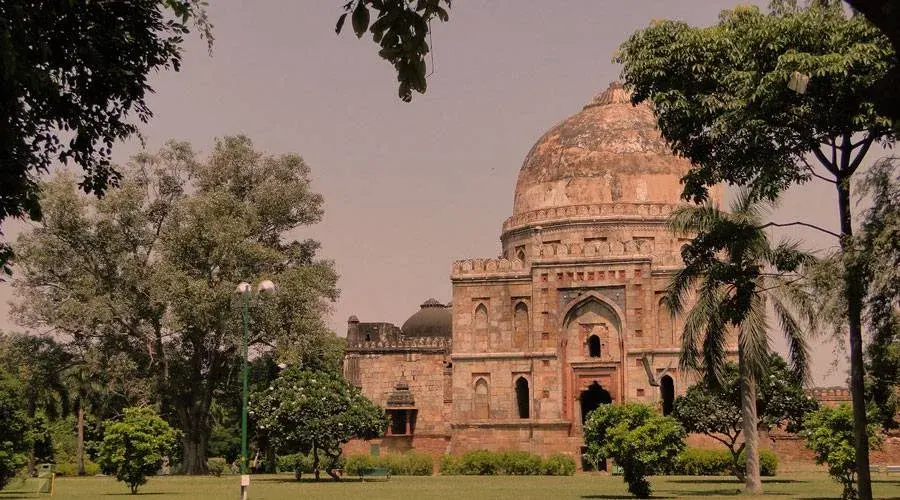
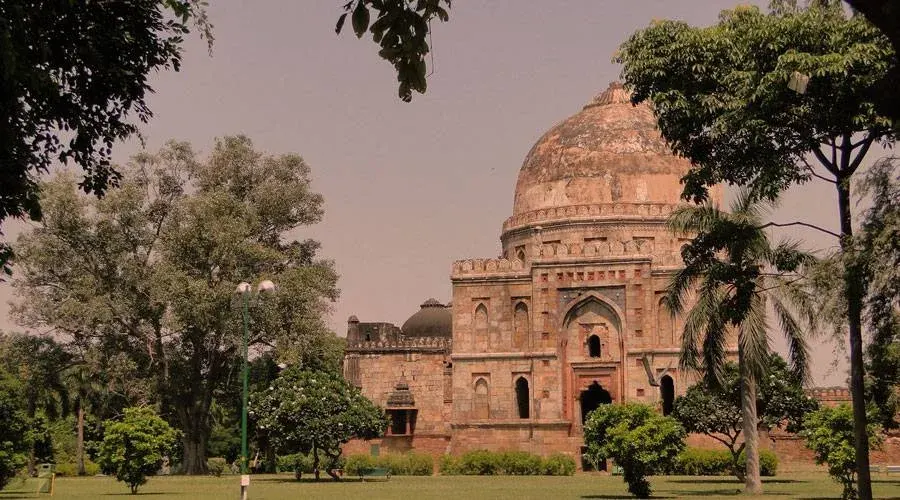
Lodhi Garden is a peaceful green park in Delhi filled with historical tombs from the Lodhi dynasty. It is a perfect place for morning walks, yoga, and relaxation. The combination of nature and history makes it a favorite spot for locals and tourists alike.
Highlights:
- Green landscaped gardens
- Historical tombs
- Yoga and jogging spot
- Photography location
10. Chandni Chowk – Shopping & Food Paradise
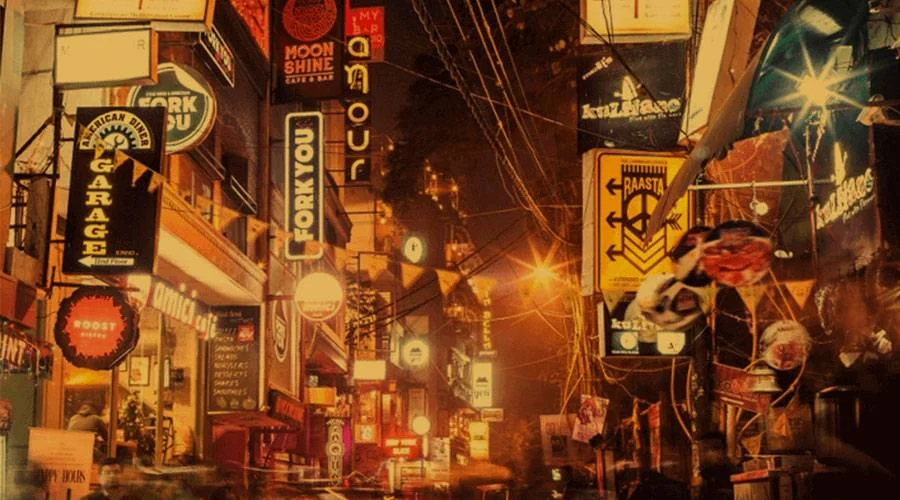
Chandni Chowk is one of the oldest and busiest markets in Delhi, known for its street food, shopping, and cultural chaos. From traditional clothes to delicious food like parathas and kebabs, it offers a true Old Delhi experience filled with colors, flavors, and heritage.
Highlights:
- Traditional market hub
- Famous street food
- Near Red Fort & Jama Masjid
- Old Delhi culture experience
Culture & Traditions of Delhi
Delhi is a cultural melting pot where people from all over India live together, creating a unique blend of traditions.
- Celebrates Diwali, Holi, Eid, Christmas, and more
- Classical music, qawwali nights, and theatre shows
- Art exhibitions and cultural fairs
- Multilingual and multicultural lifestyle
Famous Food of Delhi
Delhi is a paradise for food lovers, offering flavors from all over India.
- Chole Bhature – Spicy chickpeas served with deep-fried fluffy bread, a popular North Indian breakfast favorite.
- Butter Chicken – Creamy and rich Mughlai dish cooked in tomato-based gravy with tender chicken pieces.
- Momos – Steamed or fried dumplings filled with vegetables or meat, loved as a street snack.
- Kebabs – Juicy and flavorful grilled meat snacks like Seekh and Galouti kebabs.
- Parathas – Stuffed flatbreads from Chandni Chowk served with butter, curd, or pickle.
- Lassi – Thick and refreshing yogurt-based drink, perfect for cooling the body in summer.
Shopping in Delhi (Detailed Guide)
Delhi is one of India’s most exciting shopping destinations, offering a perfect mix of traditional bazaars, street markets, and modern shopping complexes. From ethnic wear and handicrafts to branded fashion and trendy accessories, Delhi has something for every budget and style. Shopping here is not just buying products, it is a cultural experience filled with bargaining, street food, and vibrant crowd energy.
Chandni Chowk – Traditional Shopping Hub
Chandni Chowk is one of the oldest and busiest markets in Delhi, known for its historical charm and traditional shopping experience. It is famous for wedding shopping, textiles, jewelry, spices, and street food. Narrow lanes are always crowded, but they offer some of the best wholesale prices in India.
Highlights:
- Bridal wear, sarees, and fabrics
- Gold and imitation jewelry
- Famous street food stalls
- Old Delhi heritage experience
Sarojini Nagar – Budget Fashion Market
Sarojini Nagar is a paradise for budget shoppers and fashion lovers. It is popular among students and young shoppers for trendy clothes at very low prices. Export surplus branded clothes are available here at bargain rates, making it one of the most visited markets in Delhi.
Highlights:
- Export surplus branded clothing
- Extremely affordable fashion deals
- Bags, shoes, and accessories
- Best place for bargaining
Dilli Haat – Handicrafts & Ethnic Market
Dilli Haat is a cultural shopping complex that represents India’s diversity. Each stall showcases handicrafts, handlooms, and traditional products from different Indian states. It also offers regional food stalls, making it a combination of shopping and cultural exploration.
Highlights:
- Handicrafts from all Indian states
- Handwoven textiles and artwork
- Regional Indian cuisine stalls
- Cultural festival atmosphere
Connaught Place – Branded Stores & Cafes
Connaught Place is a modern shopping and commercial hub of Delhi. It features international brands, restaurants, cafes, and bookstores. Its colonial-style architecture and central location make it a popular destination for both shopping and leisure activities.
Highlights:
- International and Indian branded stores
- Popular cafes and restaurants
- Colonial-style architecture
- Vibrant nightlife and hangout spot
Eco Tourism in Delhi
Eco tourism in Delhi is a growing travel trend that focuses on exploring nature, wildlife, and sustainable travel experiences within and around the capital city. Despite being a busy metropolitan hub, Delhi offers several green spaces, biodiversity parks, wetlands, and bird sanctuaries that provide a refreshing escape into nature for travelers and locals.
Delhi’s eco-tourism spots promote environmental awareness, wildlife conservation, and responsible travel. From peaceful bird sanctuaries to restored forest ecosystems and lakes, these places allow visitors to connect with nature while staying close to the city’s modern infrastructure.
Yamuna Biodiversity Park – Restored Natural Habitat
Yamuna Biodiversity Park is one of the best examples of eco-restoration in Delhi, developed to revive native plant and animal species of the Yamuna floodplains.
• Home to native trees, grasses, and wetland plants
• Over 200 species of birds and insects
• Divided into dry and wet zones for biodiversity study
• Nature trails and guided eco-walks
It is a perfect destination for students, researchers, and nature lovers.
Aravalli Biodiversity Park – Green Urban Forest
Aravalli Biodiversity Park is a restored forest area that recreates the natural ecosystem of the Aravalli hills.
• Native forest vegetation and wildlife habitat
• Birdwatching and butterfly spotting
• Walking and jogging trails
• Eco-education and awareness programs
This park offers a peaceful green escape from Delhi’s urban life.
Okhla Bird Sanctuary – Wetland Paradise
Okhla Bird Sanctuary, located on the Yamuna River, is a haven for migratory and resident birds.
• Over 300 bird species recorded
• Migratory birds from Central Asia and Europe
• Wetland ecosystem along the river
• Ideal for photography and birdwatching
It is one of the most important eco-tourism sites near Delhi NCR.
Sanjay Van – Urban Forest Experience
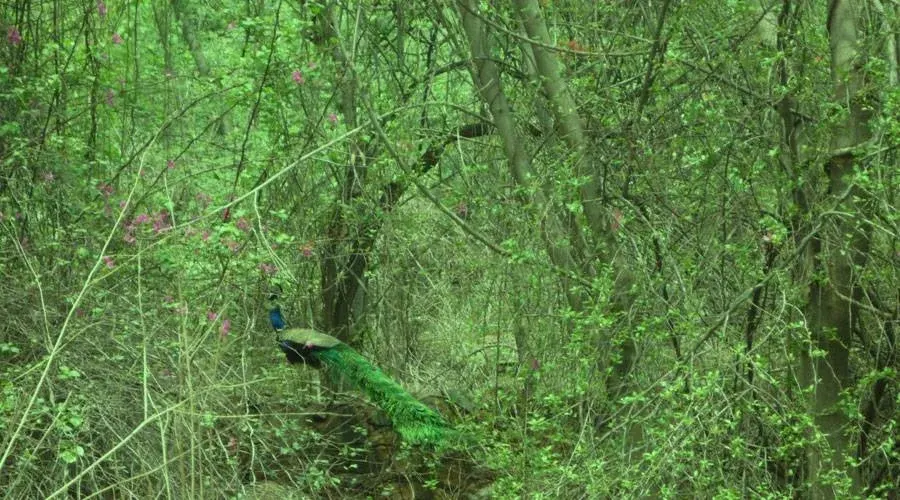
Sanjay Van is a large forest area near Mehrauli, offering a natural retreat inside the city.
• Dense forest with historical ruins
• Birds, peacocks, and small wildlife
• Walking and cycling trails
• Peaceful meditation and nature walks
It is ideal for morning walks, fitness, and relaxation.
Eco Tourism Importance in Delhi
Eco tourism in Delhi plays an important role in balancing urban development and environmental conservation.
• Promotes sustainable travel practices
• Protects green zones and biodiversity
• Supports wildlife conservation efforts
• Increases environmental awareness among visitors
Best Time for Eco Tourism in Delhi
• October to March – best weather for outdoor nature visits
• July to September – greenery and bird activity increases
• April to June – early morning visits recommended
Eco tourism in Delhi offers a refreshing contrast to the city’s fast-paced lifestyle, allowing travelers to experience nature, wildlife, and sustainability within an urban environment.
Festivals of Delhi
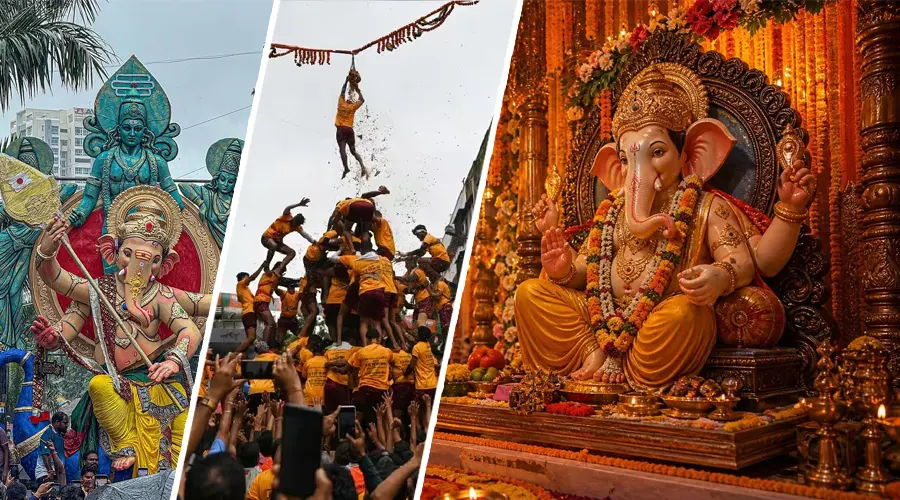
Delhi celebrates festivals with great enthusiasm and cultural diversity.
- Diwali – festival of lights
- Holi – festival of colors
- Eid-ul-Fitr – community celebrations
- Christmas – festive decorations
- Republic Day Parade – national pride event
Nearby Tourist Places from Delhi
| Destination | Distance | Highlights |
| Agra | 230 km | Taj Mahal, Agra Fort |
| Jaipur | 280 km | Hawa Mahal, Amer Fort |
| Mathura | 180 km | Krishna Janmabhoomi |
| Haridwar | 220 km | Ganga Aarti |
| Rishikesh | 240 km | Yoga & River rafting |
Best Time to Visit Delhi
The best time to visit Delhi is from October to March, when the weather is pleasant.
- Winter (Oct–Mar): Best for sightseeing
- Summer (Apr–Jun): Very hot
- Monsoon (Jul–Sep): Humid with rain
How to Reach Delhi
By Air
Indira Gandhi International Airport connects globally
By Train
- New Delhi Railway Station
- Old Delhi Railway Station
- Hazrat Nizamuddin Station
By Road
- Well-connected via NH-1, NH-8, NH-24
- Regular buses from nearby states
Travel Tips for Delhi
- Use Delhi Metro for fast travel
- Avoid crowded areas at night
- Carry water and light clothing in summer
- Try street food from hygienic places
- Keep belongings safe in markets
Quick Facts About Delhi
| Category | Details |
| Capital | New Delhi |
| Location | Northern India |
| Population | Over 20 million (approx.) |
| Formation | Union Territory (1956), NCT status (1991) |
| Famous For | Monuments, food, politics, culture |
| Heritage Sites | Red Fort, Qutub Minar, Humayun’s Tomb |
| Religion | Hinduism, Islam, Sikhism, Christianity |
| Official Language | Hindi, English, Urdu (widely used) |
| Climate | Extreme summers, cool winters, monsoon rains |
| Airport | Indira Gandhi International Airport |
| Railway | New Delhi, Old Delhi, Hazrat Nizamuddin |
| Transport | Delhi Metro (one of India’s largest networks) |
| Famous Food | Chole Bhature, Parathas, Kebabs, Butter Chicken |
| Festivals | Diwali, Holi, Eid, Christmas, Republic Day Parade |
| Nearby Places | Agra, Jaipur, Rishikesh, Mathura |
Delhi is truly a dynamic capital city where history, culture, politics, and modern lifestyle come together, making it one of the most important travel destinations in India.
Why Delhi Should Be on Your Travel Bucket List
Delhi is one of India’s most vibrant and historically rich destinations, where ancient heritage, Mughal grandeur, colonial architecture, modern skyscrapers, bustling markets, and diverse culture come together to create an unforgettable travel experience. As the capital of India, Delhi is truly the “Soul of the Nation,” attracting travelers from across the world.
Unlike many cities, Delhi offers a unique journey through time. From the majestic Red Fort and Qutub Minar that reflect Mughal glory, to India Gate that honors India’s heroes, and the serene Lotus Temple and grand Akshardham Temple, every landmark tells a powerful story. Old Delhi’s narrow lanes, street food, and Chandni Chowk market showcase its traditional charm, while New Delhi reflects modern India.
Whether you are a history enthusiast, foodie, photographer, culture lover, or explorer, Delhi offers a perfect blend of heritage, food, shopping, and modern lifestyle. From spicy street chaats to luxury malls and world-class monuments, Delhi promises a rich and unforgettable travel experience. Discover more incredible destinations with Explore Our India.
Faq About Delhi
Ans: The top tourist attractions in Delhi include Red Fort, Qutub Minar, India Gate, Lotus Temple, Akshardham Temple, and Humayun’s Tomb, each showcasing the city’s historical and architectural brilliance.
Ans: Ans: Delhi is most famous for its street food like Chole Bhature, Parathas from Chandni Chowk, Golgappe, Butter Chicken, and Kebabs — all must-tries for food lovers.
Ans: The best time to visit Delhi is from October to March when the weather is pleasant for sightseeing, and many festivals like Diwali, Christmas, and Republic Day are celebrated.
Ans: Yes, Delhi is generally safe for solo female travelers, especially in tourist areas. It's recommended to travel in groups at night and use trusted transport options.
Ans: Budget travel in Delhi is easy with options like the Delhi Metro, budget hotels, street food, and free entry to many historical sites and public parks.
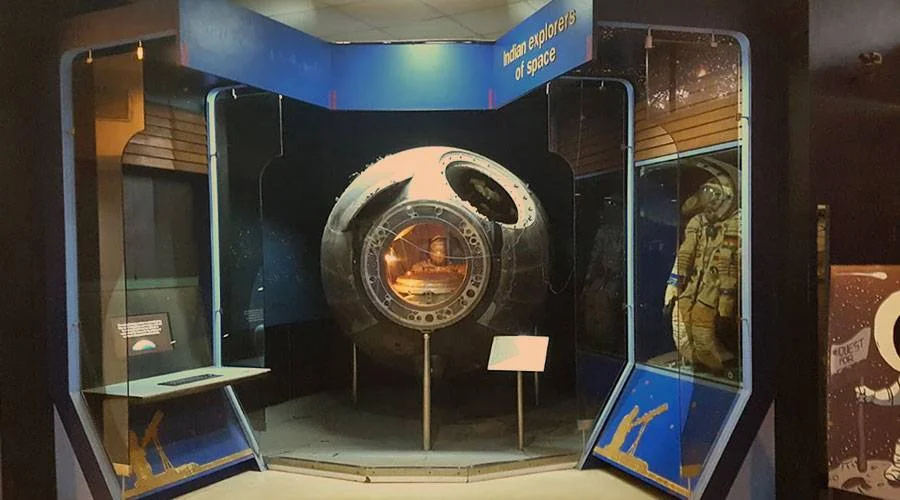
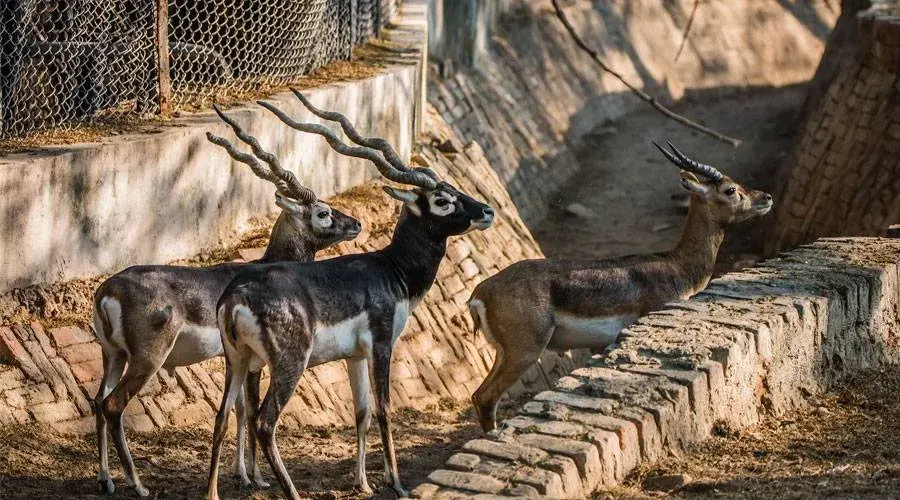
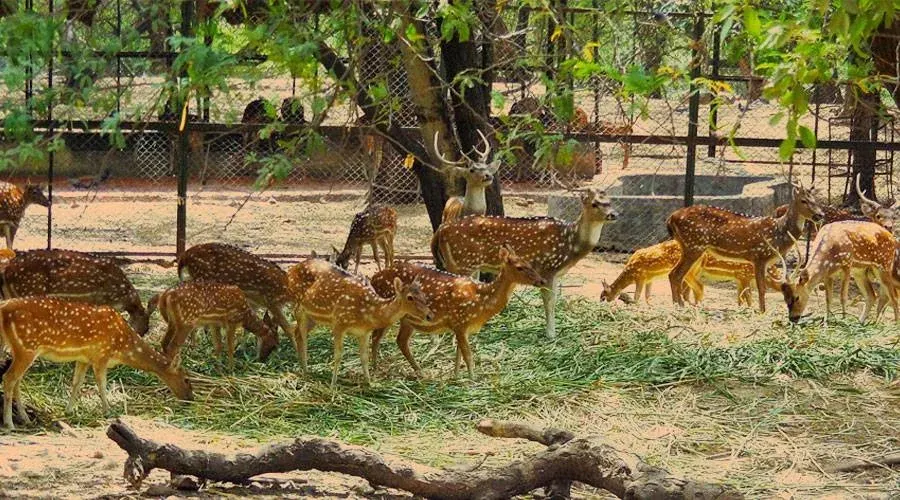
Ans: Family-friendly places in Delhi include the National Rail Museum, Akshardham Temple, Delhi Zoo, India Gate lawns, and the Science Museum, perfect for kids and adults alike.
Ans: Delhi is accessible by air via Indira Gandhi International Airport and by train through major stations like New Delhi (NDLS), Hazrat Nizamuddin (NZM), and Anand Vihar (ANVT).
Ans: Tourists love shopping in Delhi’s markets like Sarojini Nagar, Chandni Chowk, Lajpat Nagar, and Dilli Haat for clothes, handicrafts, spices, and souvenirs.
Ans: Delhi celebrates Diwali, Holi, Eid, Republic Day Parade, Christmas, and cultural events like the Qutub Festival and International Trade Fair.
Ans: Yes, popular weekend getaways near Delhi include Agra, Jaipur, Haridwar, Rishikesh, and Mathura — all under 300 km and perfect for a 1-2 day trip.