
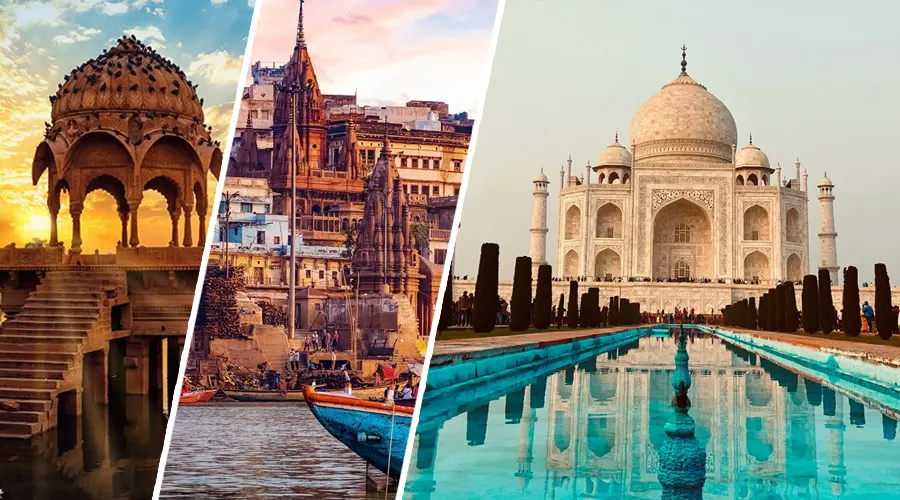
Best Places to Visit in India for First-Time Travelers
India is one of the world's most fascinating travel destinations, offering an extraordinary blend of ancient history, breathtaking landscapes, diverse cultures, vibrant festivals, and unforgettable culinary experiences.
Stretching from the snow-covered Himalayas in the north to the tropical beaches of the south, every region presents a completely different experience. Whether you're dreaming of exploring magnificent palaces, witnessing iconic landmarks like the Taj Mahal, relaxing on pristine beaches, spotting wildlife on a safari, or discovering centuries-old temples, India has something for every traveler.
For first-time visitors, choosing the right destinations can make the journey smoother and far more rewarding. This carefully curated list features the best places to visit in India for first-time travelers, helping you experience the country's rich heritage, natural beauty, and incredible diversity while creating memories that will last a lifetime.
Top 15 Best Places to Visit in India for First-Time Travelers
India is incredibly diverse, and every destination offers a unique perspective on the country's culture, history, and natural beauty. First-time travelers often wonder where to begin, as India has hundreds of remarkable places worth exploring.
The destinations listed below have been selected for their popularity, accessibility, safety, cultural significance, and unforgettable experiences. From the bustling streets of Delhi and the timeless beauty of the Taj Mahal to the tranquil backwaters of Kerala and the majestic mountains of Ladakh, these places showcase the very best of India.
Whether you're interested in heritage, spirituality, adventure, wildlife, beaches, or food, this list provides the perfect introduction to one of the world's most captivating travel destinations.
1. Delhi – India's Historic and Cultural Capital
Delhi is the ideal starting point for any first-time traveler visiting India. As the nation's capital, it perfectly combines centuries-old history with modern city life. Visitors can explore UNESCO World Heritage Sites such as the Red Fort, Qutub Minar, and Humayun's Tomb while experiencing vibrant markets like Chandni Chowk and Connaught Place.
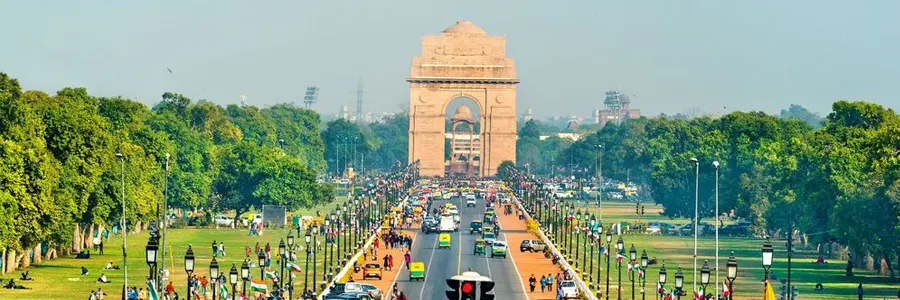
The city is also home to magnificent temples, museums, gardens, and world-class restaurants serving cuisines from every region of India. Thanks to excellent international flight connections, efficient metro services, and countless accommodation options, Delhi offers a comfortable introduction to India's rich cultural diversity and historical heritage.
2. Agra – Home of the Iconic Taj Mahal
Agra is one of India's most visited destinations and an essential stop for first-time travelers. The world-famous Taj Mahal, recognized as one of the Seven Wonders of the World, attracts millions of visitors each year with its breathtaking white marble architecture and timeless love story.
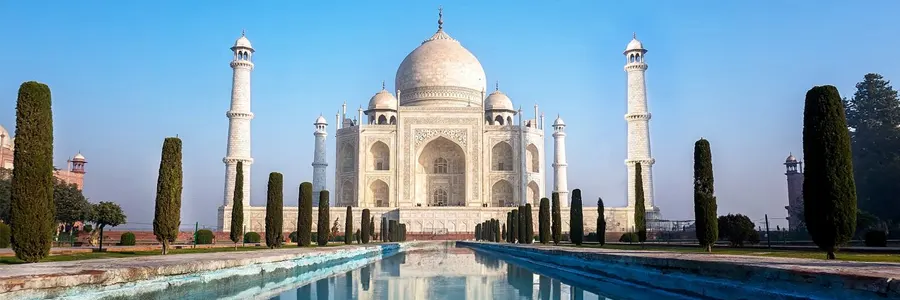
Beyond the Taj Mahal, Agra Fort and Fatehpur Sikri provide fascinating insights into the grandeur of the Mughal Empire. Conveniently connected to Delhi through the Yamuna Expressway and high-speed trains, Agra makes for an easy and unforgettable addition to any India itinerary.
3. Jaipur – The Royal Pink City
Known as the Pink City, Jaipur offers visitors an unforgettable glimpse into India's royal heritage. Magnificent forts, colorful palaces, bustling bazaars, and traditional Rajasthani culture make Jaipur one of the highlights of the famous Golden Triangle circuit.
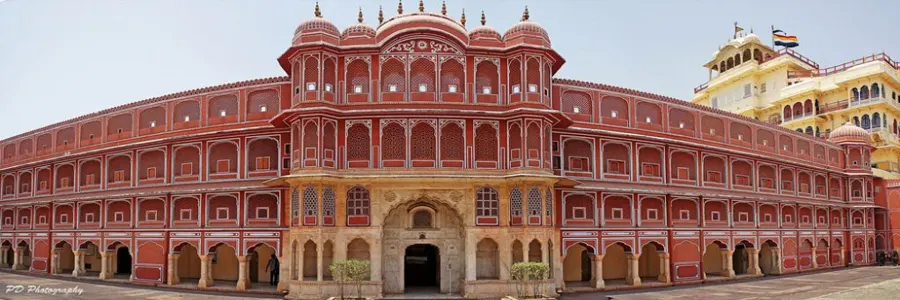
Attractions such as Amber Fort, City Palace, Hawa Mahal, and Jantar Mantar showcase remarkable architecture and centuries of history. Travelers can also enjoy authentic Rajasthani cuisine, shop for handcrafted textiles and jewelry, and experience warm local hospitality that makes Jaipur one of India's most welcoming destinations.
4. Varanasi – The Spiritual Heart of India
Varanasi is one of the world's oldest continuously inhabited cities and one of India's most spiritually significant destinations. Located on the banks of the sacred River Ganges, the city offers visitors a deeply immersive cultural experience.
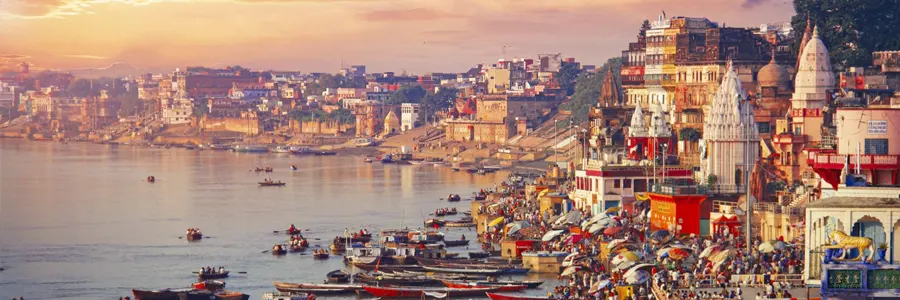
Watching the mesmerizing Ganga Aarti at Dashashwamedh Ghat, taking an early morning boat ride along the river, and exploring ancient temples provide unforgettable memories. Varanasi offers first-time visitors a unique opportunity to witness India's living traditions, spirituality, and cultural heritage unlike anywhere else in the world.
5. Rishikesh – The Yoga and Adventure Capital of India
Nestled in the foothills of the Himalayas along the sacred Ganges River, Rishikesh is one of India's most popular destinations for wellness, spirituality, and adventure. Known globally as the "Yoga Capital of the World," the city attracts travelers seeking yoga retreats, meditation programs, and holistic healing experiences.
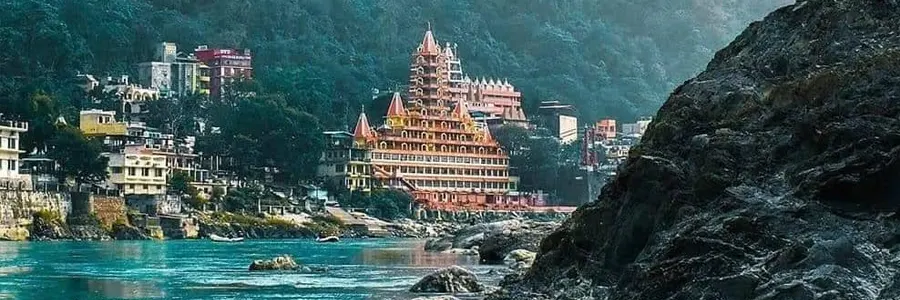
Beyond its spiritual charm, Rishikesh is also famous for white-water rafting, bungee jumping, riverside camping, trekking, and scenic Himalayan views. Visitors can witness the mesmerizing Ganga Aarti at Triveni Ghat, walk across the iconic Lakshman Jhula and Ram Jhula, and enjoy vibrant cafés overlooking the river. Whether you're looking for inner peace or thrilling outdoor adventures, Rishikesh offers an unforgettable introduction to India's diverse travel experiences.
6. Goa – India's Ultimate Beach Paradise
Goa is one of the most famous beach destinations in Asia and a favorite among international travelers visiting India for the first time. Located along the Arabian Sea, Goa is known for its golden beaches, Portuguese heritage, lively nightlife, delicious seafood, and relaxed coastal atmosphere. Popular beaches like Baga, Calangute, Anjuna, Palolem, and Vagator cater to every type of traveler, from party lovers to those seeking peaceful escapes.
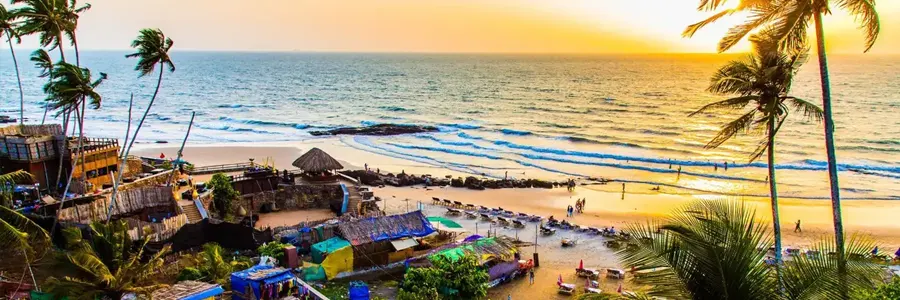
Visitors can also explore UNESCO-listed churches, colorful local markets, water sports, spice plantations, and scenic forts overlooking the coastline. Goa perfectly blends history, culture, adventure, and leisure, making it an essential destination for any first-time India itinerary.
7. Kerala – God's Own Country
Kerala is one of India's most beautiful states, celebrated for its tranquil backwaters, lush tea plantations, tropical beaches, wildlife sanctuaries, and Ayurvedic wellness traditions. Often called "God's Own Country," Kerala offers travelers a peaceful escape into nature. Cruising through the backwaters of Alleppey on a traditional houseboat, exploring the rolling hills of Munnar, relaxing on the beaches of Kovalam, and spotting elephants in Periyar National Park are among the region's most memorable experiences.
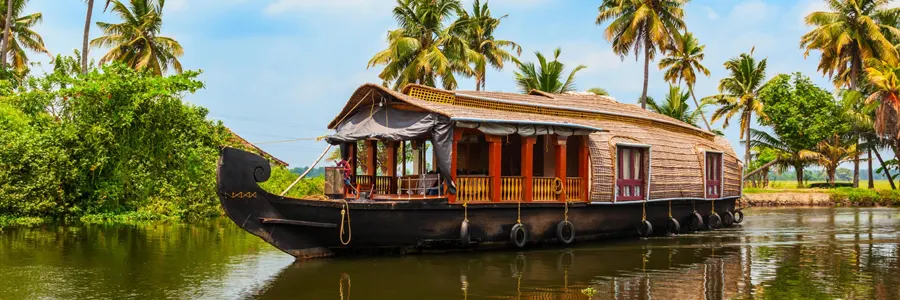
Kerala's rich culture, classical dance performances, flavorful cuisine, and warm hospitality make it one of the best destinations for couples, families, nature lovers, and wellness travelers visiting India for the first time.
8. Udaipur – The Romantic City of Lakes
Often referred to as the "City of Lakes," Udaipur is one of India's most elegant and picturesque destinations. Surrounded by the Aravalli Hills, the city is famous for its magnificent palaces, tranquil lakes, luxurious heritage hotels, and vibrant Rajasthani culture.
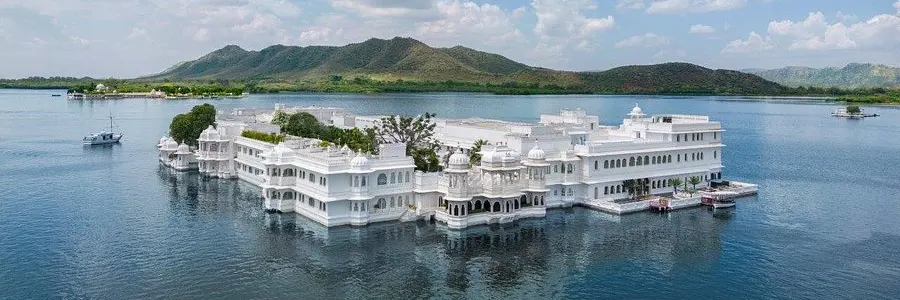
The stunning City Palace, Lake Pichola, Jag Mandir, Fateh Sagar Lake, and Saheliyon Ki Bari are among its top attractions. Visitors can enjoy sunset boat rides, traditional folk performances, local handicraft shopping, and authentic Rajasthani cuisine. Udaipur's romantic atmosphere, rich history, and breathtaking architecture make it one of the most rewarding destinations for first-time travelers exploring India.
9. Jammu & Kashmir – Heaven on Earth
Jammu & Kashmir is one of India's most breathtaking travel destinations, renowned for its snow-capped mountains, lush valleys, crystal-clear lakes, and unforgettable natural beauty. Often called "Heaven on Earth," the region offers an incredible mix of scenic landscapes, adventure, and cultural experiences.
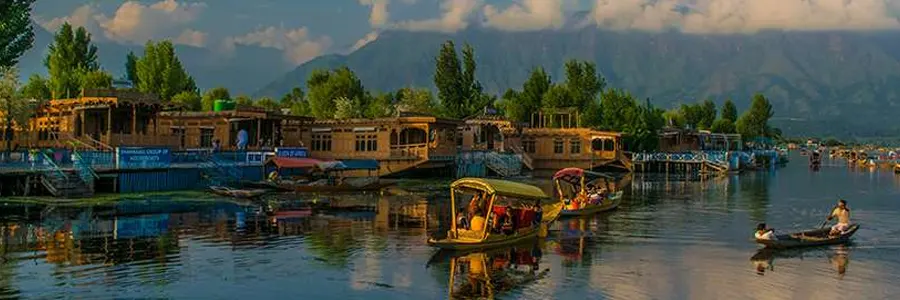
Visitors can stay in traditional houseboats on Dal Lake, enjoy Shikara rides in Srinagar, experience skiing and the famous Gondola ride in Gulmarg, explore the picturesque valleys of Pahalgam, and admire the stunning glaciers of Sonamarg. Throughout the year, Jammu & Kashmir transforms with the seasons, offering blooming gardens in spring, lush green meadows in summer, colorful landscapes in autumn, and magical snowfall in winter.
It is a dream destination for honeymooners, photographers, families, and nature enthusiasts from around the world.
10. Ladakh – The Land of High Passes
Ladakh is one of the most extraordinary destinations in India, attracting travelers with its dramatic mountain landscapes, crystal-clear lakes, ancient monasteries, and thrilling road journeys. Situated in the northern Himalayas, Ladakh is famous for iconic attractions such as Pangong Lake, Nubra Valley, Magnetic Hill, Khardung La Pass, and Hemis Monastery.
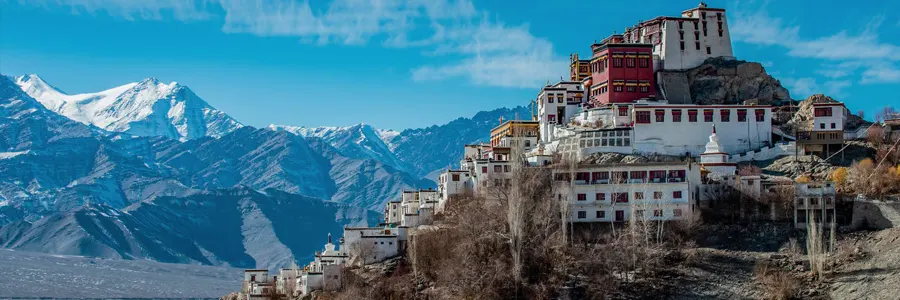
Adventure enthusiasts can enjoy trekking, river rafting, mountain biking, and one of the world's most scenic road trips. The region's unique Tibetan Buddhist culture, peaceful monasteries, colorful festivals, and breathtaking scenery make Ladakh a once-in-a-lifetime destination for first-time visitors seeking adventure, photography, and unforgettable Himalayan experiences.
11. Darjeeling – The Queen of the Himalayas
Nestled in the foothills of the Eastern Himalayas, Darjeeling is one of India's most charming hill stations, renowned for its breathtaking mountain views, world-famous tea gardens, and colonial heritage. The town offers spectacular sunrise views over Mount Kanchenjunga from Tiger Hill, while the UNESCO-listed Darjeeling Himalayan Railway, fondly known as the "Toy Train," provides a memorable journey through scenic landscapes.
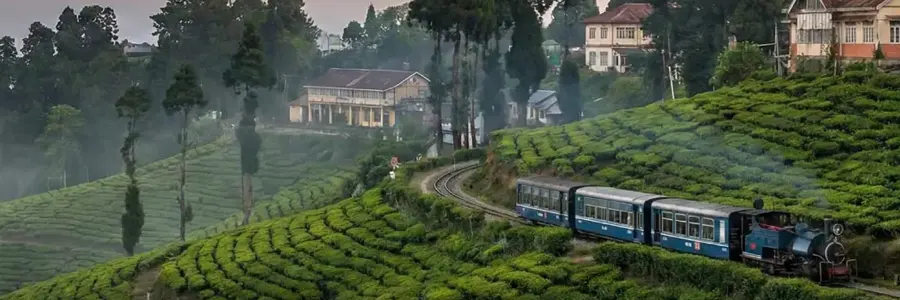
Visitors can stroll through lush tea estates, explore Buddhist monasteries, visit the Himalayan Mountaineering Institute, and enjoy authentic Tibetan cuisine. With its cool climate, peaceful atmosphere, and stunning natural beauty, Darjeeling is a perfect destination for first-time travelers seeking relaxation and mountain adventures.
12. Hampi – A UNESCO World Heritage Wonder
Hampi is one of India's most fascinating archaeological destinations and a paradise for history lovers. Once the magnificent capital of the Vijayanagara Empire, the city is now home to hundreds of beautifully preserved temples, royal complexes, ancient markets, and giant boulder-strewn landscapes.
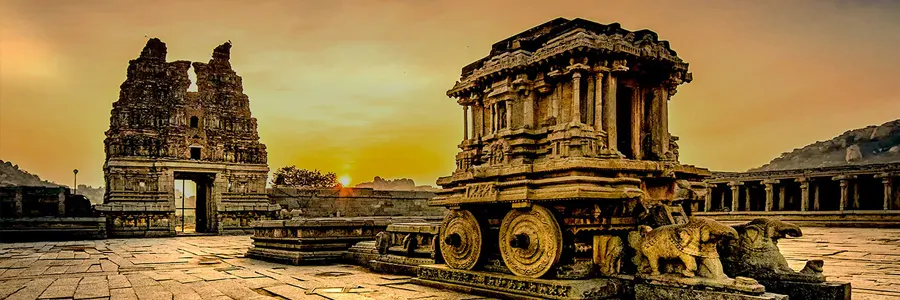
Visitors can explore iconic attractions such as the Virupaksha Temple, Vittala Temple, Stone Chariot, Lotus Mahal, and Elephant Stables while learning about one of South India's greatest civilizations. The unique combination of historical ruins, dramatic scenery, and cultural significance makes Hampi one of the most rewarding destinations for travelers interested in India's rich heritage.
13. Andaman & Nicobar Islands – India's Tropical Paradise
Located in the Bay of Bengal, the Andaman & Nicobar Islands are among India's most spectacular beach destinations. Famous for their turquoise waters, white sandy beaches, vibrant coral reefs, and lush tropical forests, these islands offer an unforgettable island getaway.
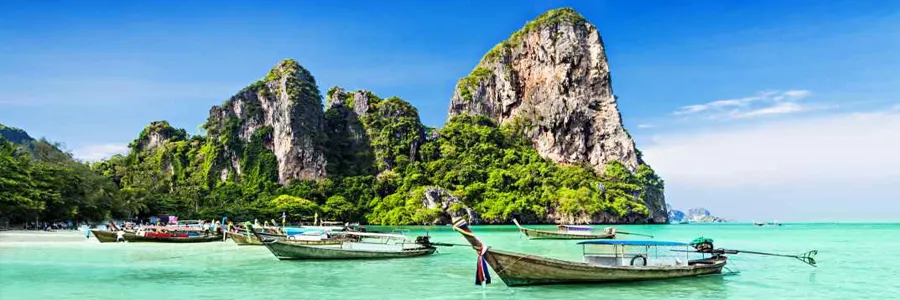
Radhanagar Beach on Havelock Island is frequently ranked among Asia's finest beaches, while activities such as snorkeling, scuba diving, kayaking, and glass-bottom boat rides allow visitors to explore the region's incredible marine life. History enthusiasts can also visit the historic Cellular Jail in Port Blair. For first-time travelers seeking pristine beaches, adventure, and relaxation, the Andaman Islands provide a truly world-class experience.
14. Ranthambore National Park – India's Premier Wildlife Destination
For wildlife enthusiasts, Ranthambore National Park is one of the best places in India to experience a jungle safari and observe the majestic Bengal tiger in its natural habitat. Located in Rajasthan, the park is home to a rich variety of wildlife, including leopards, sloth bears, crocodiles, deer, hyenas, and over 300 species of birds.
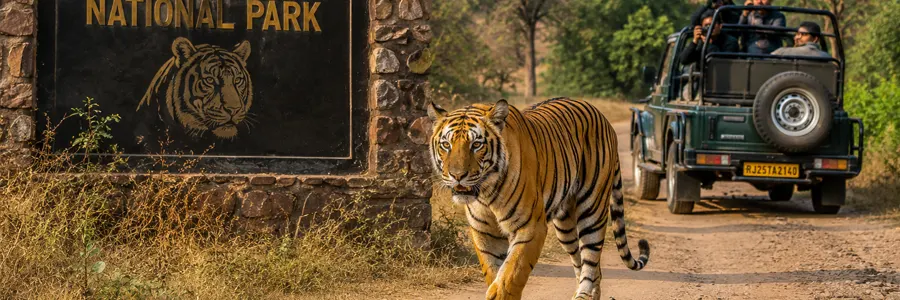
Jeep and canter safaris offer visitors an exciting opportunity to explore dense forests, lakes, and ancient ruins hidden within the park. Ranthambore Fort, a UNESCO World Heritage Site, further enhances the destination by combining wildlife, history, and breathtaking landscapes into one unforgettable experience.
15. Munnar – Kerala's Tea Garden Paradise
Munnar is one of South India's most beautiful hill stations, known for its endless tea plantations, mist-covered mountains, waterfalls, and pleasant climate throughout the year. Situated in Kerala's Western Ghats, Munnar offers visitors a refreshing escape into nature with attractions such as Eravikulam National Park, Mattupetty Dam, Tea Museum, Echo Point, and Top Station.
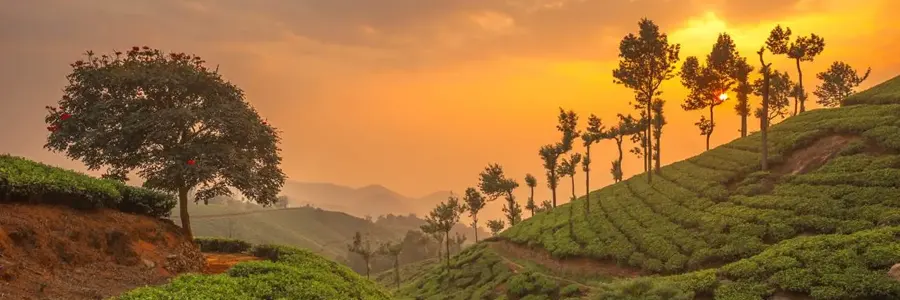
Travelers can enjoy scenic drives through rolling hills, wildlife spotting, plantation walks, and breathtaking viewpoints overlooking lush green valleys. Its peaceful atmosphere, cool weather, and picturesque landscapes make Munnar an ideal destination for honeymooners, families, photographers, and nature lovers visiting India for the first time.
Best Time to Visit India
The best time to visit India is October to March, when the weather is pleasant across most regions, making it ideal for sightseeing, cultural experiences, wildlife safaris, and beach vacations. However, India's diverse geography means the ideal travel season varies by destination.
The Himalayan regions are best explored during summer, while the monsoon transforms Kerala and the Western Ghats into lush green landscapes. Whether you're planning a heritage tour, a beach holiday, a mountain adventure, or a wildlife safari, choosing the right season ensures a comfortable and memorable travel experience.
| Season | Best States & Destinations | Why Visit |
|---|---|---|
| October – March (Winter) | Delhi, Rajasthan, Uttar Pradesh, Madhya Pradesh, Gujarat, Maharashtra, Goa, Kerala, Tamil Nadu, Karnataka, Odisha, West Bengal, Punjab, Haryana, Bihar, Sikkim, Andhra Pradesh, Telangana, Jammu & Kashmir | Pleasant weather, sightseeing, cultural festivals, heritage tours, wildlife safaris, desert experiences, and beach vacations. This is the best season to explore most parts of India. |
| April – June (Summer) | Uttarakhand, Himachal Pradesh, Jammu & Kashmir, Ladakh, Sikkim, Arunachal Pradesh, Meghalaya, Nagaland, Manipur, Mizoram, Tripura, Darjeeling (West Bengal), Munnar (Kerala), Ooty (Tamil Nadu), Coorg (Karnataka) | Ideal for hill stations, Himalayan adventures, trekking, camping, river rafting, tea gardens, and escaping the summer heat in India's mountainous regions. |
| July – September (Monsoon) | Kerala, Goa, Karnataka, Maharashtra, Meghalaya, Sikkim, Arunachal Pradesh, Assam, Nagaland, Mizoram, Tripura, Coorg, Munnar, Wayanad, Western Ghats | Perfect for lush green landscapes, waterfalls, monsoon road trips, Ayurvedic wellness retreats, nature photography, and experiencing India's vibrant monsoon beauty. |
If you're visiting India for the first time, plan your trip between October and March, as this season offers the most comfortable weather and allows you to explore nearly every major tourist destination across the country. If you prefer mountains and adventure, visit between April and June, while July to September is perfect for travelers who love greenery, waterfalls, and monsoon landscapes.
Why First-Time Travelers Should Visit India
India offers an unmatched diversity of experiences that few countries can rival. From the snow-covered Himalayas in the north to the tropical beaches of the south, every region presents a unique landscape, culture, language, cuisine, and tradition.
Travelers can witness centuries-old monuments, vibrant festivals, sacred rivers, bustling cities, peaceful villages, wildlife sanctuaries, and luxurious heritage hotels, all within one country. India is also known for its warm hospitality, rich history, colorful markets, world-renowned cuisine, and affordable travel options, making it suitable for backpackers, solo travelers, families, couples, and luxury tourists alike.
Whether you seek adventure, spirituality, cultural exploration, or relaxation, India promises unforgettable experiences that will leave you with lifelong memories.
Planning Your First Trip to India
Planning your first journey to India becomes much easier when you understand the best time to visit, estimated travel costs, transportation options, and accommodation choices. India has one of the world's largest transportation networks, with modern international airports, extensive railway connections, domestic flights, and well-developed highways linking major tourist destinations.
Travelers can choose from budget hostels and boutique hotels to luxury resorts, heritage palaces, eco-lodges, and homestays. Whether you're planning a two-week cultural tour, a Himalayan adventure, or a relaxing beach holiday, India offers travel experiences that suit every budget, interest, and travel style.
Travel Information – India
|
Travel Information |
Details |
|
Best Time to Visit |
October to March is the ideal time to visit most parts of India, offering pleasant weather for sightseeing, cultural tours, wildlife safaris, and beach holidays. Himalayan destinations are best explored from April to June, while monsoon lovers can enjoy Kerala's lush landscapes between June and September. |
|
Estimated Budget |
Budget travelers can comfortably explore India for US$30–60 per day, while mid-range travelers typically spend US$70–150 per day. Luxury vacations vary depending on destinations, hotels, and experiences. |
|
How to Reach |
India is well connected to the world through major international airports in Delhi, Mumbai, Bengaluru, Chennai, Hyderabad, Kolkata, Kochi, and Goa. Domestic flights, high-speed trains, buses, and highways make traveling between destinations convenient and efficient. |
|
Stay Options |
India offers a wide range of accommodations, including luxury hotels, heritage palaces, boutique resorts, beach villas, mountain lodges, eco-resorts, backpacker hostels, serviced apartments, and authentic homestays suitable for every budget and travel preference. |
Essential Travel Tips for First-Time Visitors to India
Traveling to India for the first time can be an exciting and rewarding experience with a little preparation. The country is incredibly diverse, offering different climates, cultures, languages, and traditions across every region.
Planning your itinerary wisely, respecting local customs, and staying informed about transportation and weather conditions will help ensure a smooth journey. Whether you're exploring bustling cities, relaxing on tropical beaches, trekking in the Himalayas, or visiting ancient temples, these essential travel tips will help you enjoy a safe, comfortable, and memorable trip.
- Apply for your Indian e-Visa well before your departure.
- Plan your trip between October and March for the most pleasant weather.
- Dress modestly when visiting temples, mosques, gurudwaras, and other religious sites.
- Carry bottled or filtered drinking water and stay hydrated.
- Use trusted taxi services or ride-hailing apps like Uber and Ola in major cities.
- Keep digital and printed copies of your passport, visa, and travel insurance.
- Carry a universal power adapter and a portable power bank.
- Inform your bank before using international debit or credit cards in India.
- Respect local traditions, cultural etiquette, and photography restrictions at religious sites.
- Try authentic regional cuisines while choosing hygienic restaurants and street food vendors.
India is a destination unlike any other, where every journey reveals a new story, culture, and landscape. From the timeless beauty of the Taj Mahal and the royal grandeur of Rajasthan to the tranquil backwaters of Kerala, the snow-covered Himalayas, and the golden beaches of Goa, every region offers experiences that leave lasting memories.
For first-time travelers, India provides the perfect balance of history, adventure, spirituality, wildlife, cuisine, and natural beauty. Whether you're planning a short vacation or a longer exploration, these carefully selected destinations offer an unforgettable introduction to one of the world's most diverse and fascinating countries. Start planning your Indian adventure today and discover why millions of travelers return to India time and again.
Faq About Best Places to Visit in India for First-Time Travelers
Ans: India offers countless incredible destinations for first-time visitors, but some of the most recommended places include Delhi, Agra, Jaipur, Goa, Kerala, Varanasi, Jammu & Kashmir, Ladakh, Udaipur, Darjeeling, Munnar, Hampi, Rishikesh, Andaman & Nicobar Islands, and Ranthambore National Park. These destinations provide a perfect mix of history, culture, nature, adventure, spirituality, and wildlife, making them ideal for experiencing India's incredible diversity.
Ans: The best time to visit India is between October and March, when the weather is pleasant across most regions. This season is perfect for sightseeing, wildlife safaris, beach vacations, cultural festivals, and heritage tours. Travelers planning Himalayan adventures can visit between April and June, while the monsoon season (July to September) is ideal for exploring Kerala, Meghalaya, and the Western Ghats.
Ans: A 10 to 15-day itinerary is recommended for first-time visitors. This allows enough time to explore iconic destinations such as Delhi, Agra, Jaipur, Goa, Kerala, or Varanasi at a comfortable pace. Travelers with three weeks or more can also include destinations like Ladakh, Kashmir, Rajasthan, or the Andaman Islands for a more comprehensive experience.
Ans: Yes, India is generally safe for tourists who follow basic travel precautions. Stay in reputable accommodations, use trusted transportation services, avoid isolated areas late at night, and respect local customs and traditions. Keeping copies of important documents, purchasing travel insurance, and staying aware of your surroundings will help ensure a safe and enjoyable journey.
Ans: Most foreign nationals require an Indian Visa or e-Visa before entering the country. India offers an easy online e-Visa system for citizens of many countries, allowing travel for tourism, business, and medical purposes. Before planning your trip, check the latest visa requirements based on your nationality and apply well in advance.
Ans: Some unforgettable experiences include watching the sunrise at the Taj Mahal, taking a Shikara ride on Dal Lake in Kashmir, attending the Ganga Aarti in Varanasi, staying on a houseboat in Kerala, exploring the royal forts of Jaipur, enjoying Goa's beaches, spotting tigers during a safari in Ranthambore, trekking in the Himalayas, and tasting authentic regional Indian cuisine.
Ans: India offers travel options for every budget. Backpackers can comfortably travel for US$30–60 per day, while mid-range travelers typically spend US$70–150 per day, including accommodation, transportation, food, and sightseeing. Luxury travelers can expect higher costs depending on their choice of hotels, experiences, and destinations.
Ans: Pack comfortable clothing suitable for the season, walking shoes, sunscreen, sunglasses, a reusable water bottle, personal medications, travel adapters, a power bank, and copies of your passport and visa. If visiting religious sites, carry modest clothing that covers your shoulders and knees. Travelers visiting Himalayan regions during winter should also pack warm jackets and thermal wear.
Ans: Couples often choose Udaipur, Goa, Kashmir, and Munnar, while adventure enthusiasts prefer Ladakh, Rishikesh, and Uttarakhand. Families enjoy Kerala, Jaipur, Agra, and the Andaman Islands, and history lovers explore Delhi, Hampi, Varanasi, and Rajasthan. Wildlife enthusiasts can visit Ranthambore, Jim Corbett, Kaziranga, and Bandhavgarh National Parks.
Ans: India is one of the world's most diverse countries, offering an extraordinary combination of ancient civilizations, UNESCO World Heritage Sites, majestic mountains, tropical beaches, deserts, wildlife, spiritual centers, colorful festivals, and world-famous cuisine. Every state has its own language, traditions, architecture, and landscapes, ensuring that every journey is unique. Whether you're seeking culture, adventure, luxury, wellness, or nature, India provides unforgettable experiences that keep travelers returning year after year.
Comments (0)