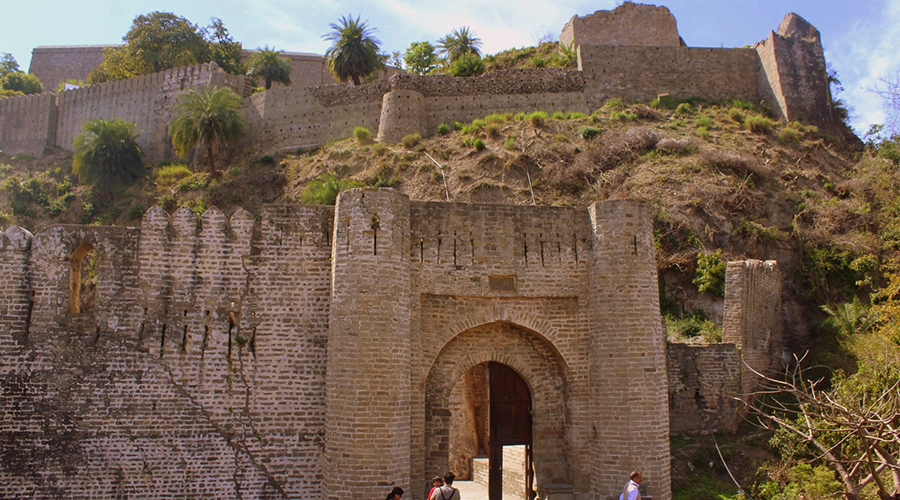
Kangra Fort, Himachal Pradesh
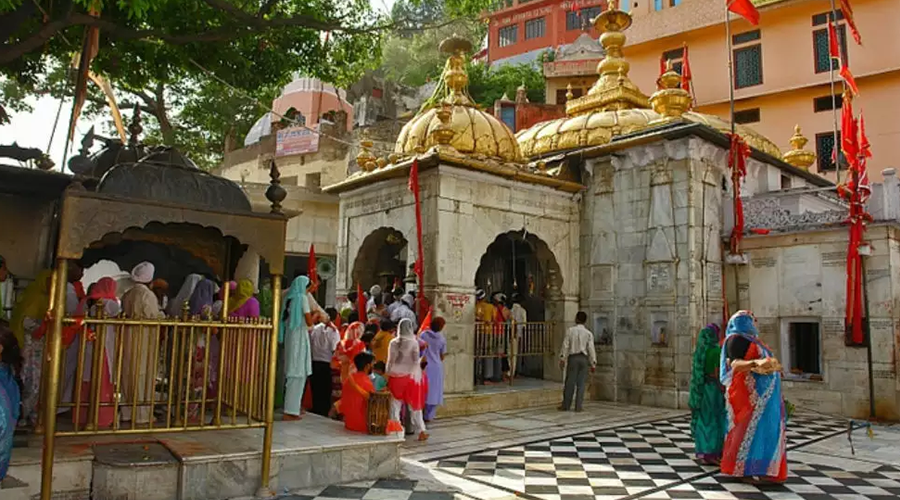
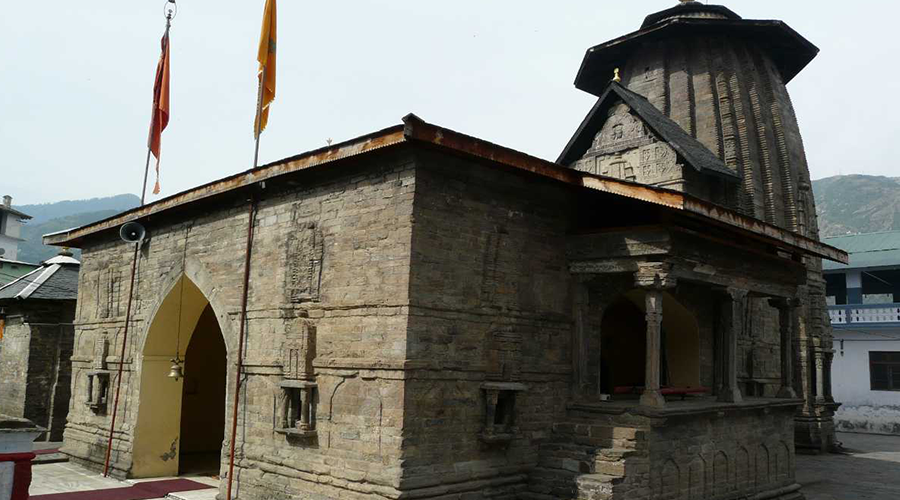
The Kangra Fort can be traced back to the Trigarta Kingdom, mentioned in the epic Mahabharata, and is one of the largest and oldest forts in India. The history of this fort is very interesting, especially the fact that so many big rulers were unable to conquer this fort. The fort consists of two very old temples; the Laxmi Narayan temple and the Ambika Mata Temple which holds a statue of Rishabnatha.
History of Kangra Fort, Himachal Pradesh
The history of Kangra Fort stretches back to the 4th century BCE, making it one of the earliest recorded forts in India. It was built by the Katoch Dynasty, one of the world’s oldest surviving royal lineages. This strategic fort became a symbol of prosperity, as Kangra was immensely rich in gold and valuable treasures stored in its temples.
Key historical highlights:
- 1009 CE – Mahmud of Ghazni invaded and plundered the fort’s wealth.
- 1620 CE – Mughal Emperor Jahangir captured it and appointed a governor.
- 1780s–1809 – Maharaja Ranjit Singh of Punjab took control.
- 1846 CE – After the Anglo-Sikh War, the British took over the fort.
- 1905 – A devastating Kangra earthquake damaged major structures.
Despite invasions, natural disasters, and battles - the fort still stands as a proud reminder of its glorious past.
Architecture of Kangra Fort
Spread over 4 km, Kangra Fort is protected by massive stone ramparts and high walls built to withstand attacks. Visitors enter through Ranjit Singh Gate, followed by Jahangiri Darwaza, and then Ahani & Amiri Darwaza, each built by different rulers of different eras.
Major architectural highlights include:
- Three ancient temples inside the fort
- Ambika Devi Temple
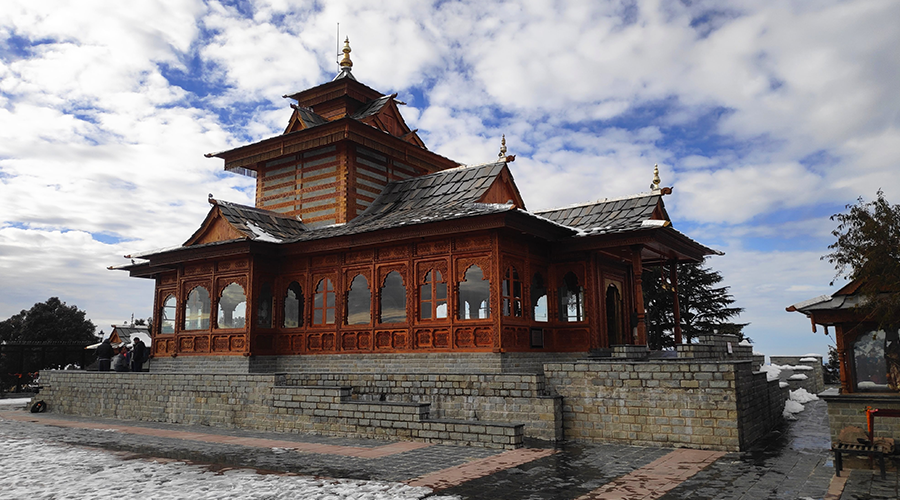
- Shitalamata Temple
- Lakshmi Narayan Temple
- A Jain temple with a sculpture of Lord Adinath
- Sheesh Mahal ruins & watchtower offering stunning valley views
- Narrow pathways leading to scenic vantage points
Every corner of the fort echoes its multi-dynasty influence and military excellence.
Why You Must Visit Kangra Fort
Kangra Fort is a rare blend of history, spirituality, and nature where ancient temples sit amid dramatic cliffs and river valleys. Whether you’re a culture lover, a trekking enthusiast, or someone who enjoys scenic photography, this place will leave you inspired.
Quick Facts – Kangra Fort
| Feature | Info |
|---|---|
| Location | Old Kangra, near Dharamshala, Himachal Pradesh |
| Built by | Katoch Dynasty |
| Estimated Age | Over 2,000 years |
| Best Time to Visit | Oct–June |
| Entry Fee | Approx. Rs. 25 (Indians), Rs. 300 (Foreigners) |
| Famous For | History, temples, architecture, mountain views |
Nearby Attractions of Kangra Fort, Himachal
You can explore more historic and spiritual places near Kangra Fort, making your trip even more memorable:
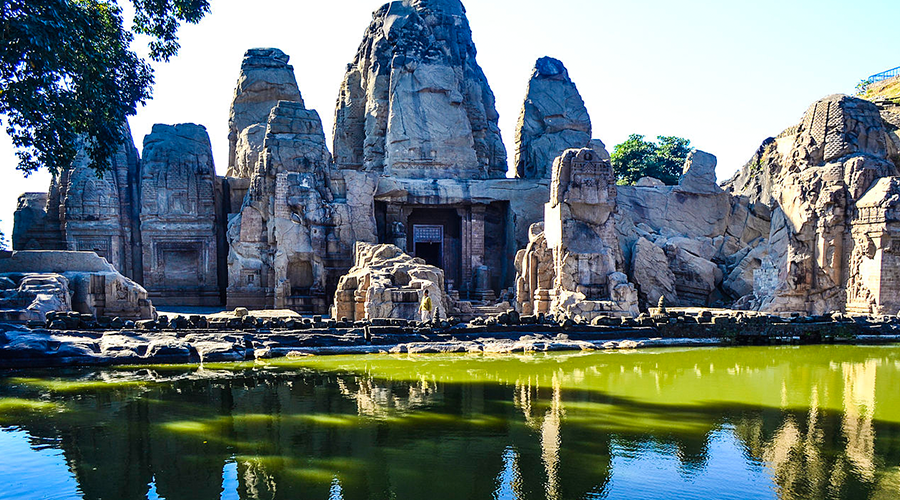
- Masroor Rock Cut Temple (32 km) – Known as the Ajanta of the Himalayas with monolithic rock-cut architecture.
- Kangra Art Museum (21 km) – Showcases traditional miniature paintings and artifacts of the region.
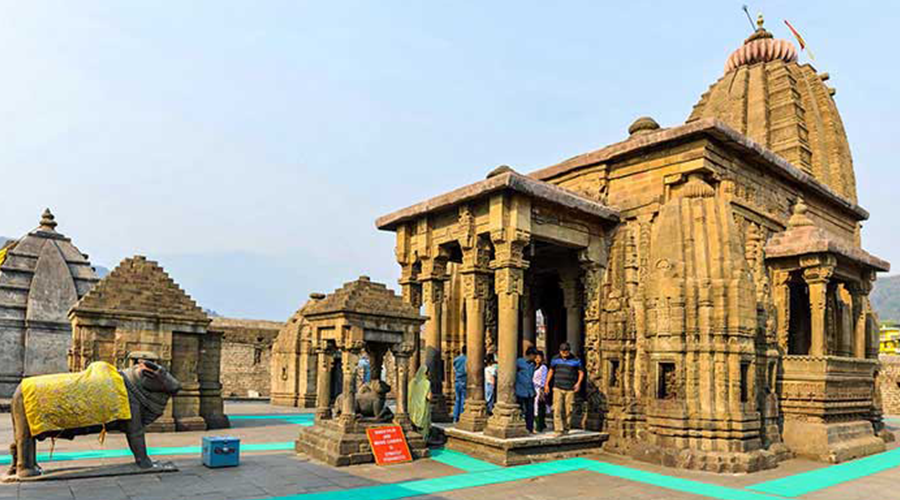
- Bajreshwari Devi Temple (4 km) – A major Shakti Peeth with fascinating mythology and a rich heritage.
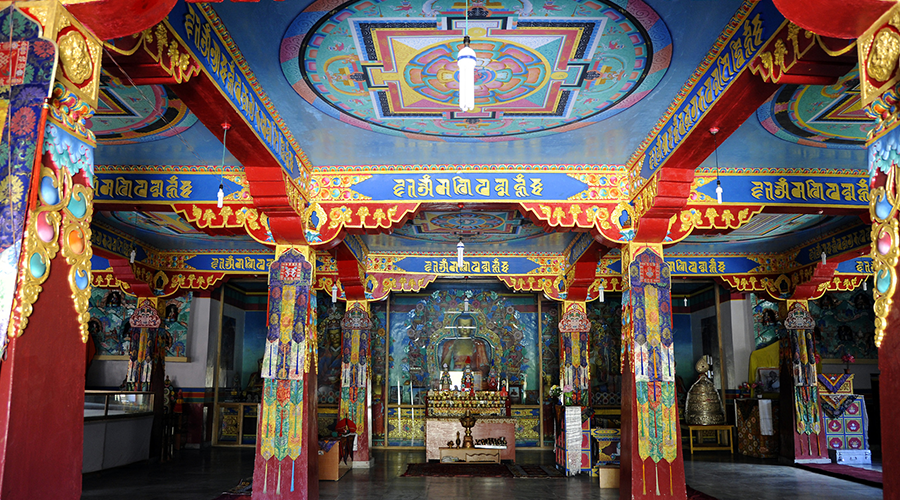
- Dharamshala & McLeodganj (20–25 km) – Home of the Dalai Lama, Tibetan monasteries, cafes & stunning views.
Best Time to Visit Kangra Fort, Himachal
- October to June is ideal - clear views, pleasant climate, great for sightseeing & photography.
- Summer (Mar–Jun): Comfortable weather, tourist season.
- Winter (Nov–Feb): Cold but stunning views of snow-covered peaks.
- Avoid Monsoon (Jul–Sept): Foggy climate and slippery trails.
How to Reach Kangra Fort
| Mode | Details |
|---|---|
| By Air | Nearest airport: Gaggal Airport (13 km) |
| By Train | Pathankot Railway Station (87 km) is the nearest major railhead |
| By Road | Well-connected by buses/taxis from Dharamshala (20 km), Kangra town (3 km), and Himachal cities |
Visitors can take a short scenic hike from the entrance parking area to the fort top.
Travel Tips for Visiting Kangra Fort
- Wear comfortable shoes – The fort requires walking uphill and climbing stairs.
- Visit early morning or late afternoon – Best lighting for photos and pleasant weather.
- Carry water & snacks – Limited shops near the entrance area.
- Avoid rainy season – Monsoon makes pathways slippery.
- Hire a local guide – To understand history better (Rs. 200–Rs. 400 approx.)
- Check timings before visiting – Usually 9 AM to 6 PM (may vary seasonally).
- Photography allowed – Bring a wide-angle lens for landscape shots.
- Maintain silence near temple areas – Respect local religious importance.
A little planning ensures you enjoy both the heritage and Himalayan beauty the fort offers.
Kangra Fort is not just an architectural marvel but a living chapter of Indian history. From ancient dynasties to Mughal rule and Sikh conquest, every stone narrates a story of its glory and resilience. If you're visiting Dharamshala or Kangra, this timeless fort should be at the top of your travel list.
.webp)