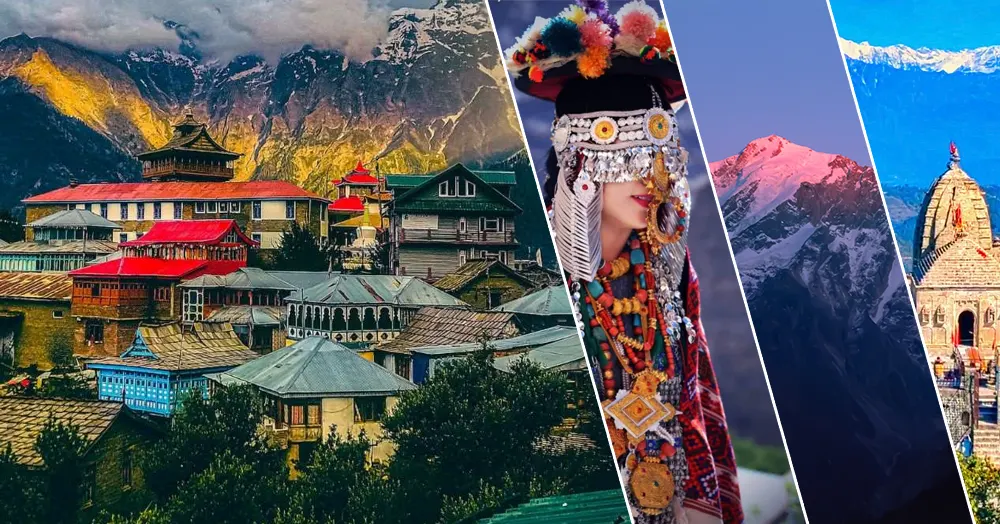
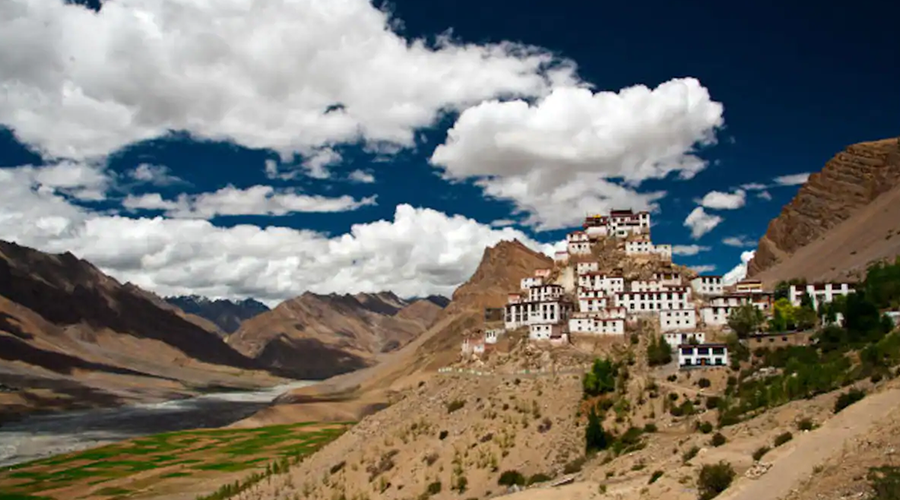
Key Monastery, Himachal Pradesh
Key Monastery (also spelled Kee or Ki Monastery) is the largest and oldest Buddhist monastery in Spiti Valley, Himachal Pradesh. Located at an altitude of around 4,166 meters, this millennium-old marvel sits on a hilltop overlooking the scenic Spiti River and snow-laden mountains. It is one of the most iconic spiritual and historical places in Himachal, where over 300 monks and nuns live, meditate, and learn Buddhism.
The monastery holds immense cultural significance as a center for Buddhist scriptural studies, traditional paintings, ancient relics, and meditation practices. Its dramatic history of repeated attacks, earthquakes, and rebuildings gives the site a sense of resilience and sacred power.
History of Key Monastery, Himachal Pradesh
Key Monastery was founded in the 11th century by Dromton, a disciple of Atisha - a revered Tibetan Buddhist teacher. Over the centuries, it faced multiple invasions and natural disasters:
- Attacked by Mongols in the 17th century
- Damaged during Ladakh–Kullu war in 1830
- Destroyed by Dogra forces and Sikh army in 1841
- Severely affected by fire in the late 1840s
- Further damaged during a massive earthquake in 1975
Despite all challenges, the monastery has been preserved and rebuilt thanks to efforts from:
- Archaeological Survey of India
- State Public Works Department
- Buddhist community support
Today, Key Monastery stands strong as a symbol of spiritual heritage and timeless wisdom.
Architecture of Key Monastery
Repeated destruction transformed the monastery into a fortress-like structure, designed for protection against invasions. Unlike typical monasteries, Key Monastery features:
- Irregular box-style architecture
- Multi-tiered temples stacked vertically
- Narrow passages + low-ceiling rooms
- Hidden prayer chambers and meditation cells
Interior Highlights:
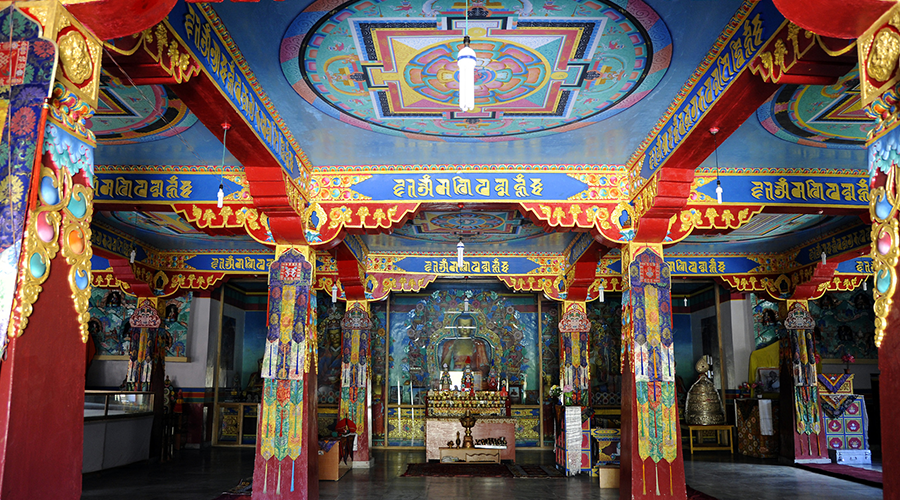
- Ancient mural paintings depicting Buddhist culture
- Tangyur Room – known for sacred murals and scriptures
- Assembly Hall – the main learning & prayer space
- Prayer Hall inaugurated by the 14th Dalai Lama in 2000
Every corner reflects Tibetan monastic artistry influenced by 14th-century Chinese design styles.
Best Time to Visit
| Season | Weather & Experience |
|---|---|
| May to September | Best time: clear roads, pleasant weather |
| Winter (Oct–Mar) | Very cold & inaccessible due to snow |
Things to Do at Key Monastery
- Attend Buddhist prayer rituals
- Explore ancient Thanka paintings and manuscripts
- Witness monk training and cultural lifestyle
- Capture scenic photographs of the Spiti River valley
- Trekking around the monastery hills
- Buy handcrafted souvenirs from the small shop
Quick Facts
| Attribute | Details |
|---|---|
| Altitude | 4,166 meters |
| Built In | 11th century |
| Founded By | Dromton (disciple of Atisha) |
| Popular For | Buddhist Learning & Ancient Mural Art |
| Monks | 300+ monks and nuns reside here |
Nearby Attractions
- Kaza Town & Market
- Kibber Village (famous for snow leopards)
- Chicham Bridge (Asia’s highest)
- Langza – Fossil village
- Hikkim – World’s highest post office
- Komic – One of the highest villages in the world
How to Reach Key Monastery
| Travel Route | Details |
|---|---|
| Nearest Town | Kaza – 12 km away |
| By Road | Accessible by taxi/shared jeep from Kaza |
| Nearest Airport | Bhuntar Airport – 250 km |
| Nearest Railway Station | Joginder Nagar Railway Station – ~350 km |
Roads remain closed during peak winter due to heavy snowfall.
Travel Tips
- Avoid visiting in peak winter - roads may be blocked
- Acclimatize properly - high altitude - low oxygen
- Wear warm layers, cap & gloves even in summer
- Carry cash - digital payments limited
- Respect monastic rules - silence inside prayer halls
- Seek permission before photographing monks
Key Monastery is not just a religious center but a living heritage of Spiti Valley. Its survival against wars and natural disasters reflects the unwavering devotion of Buddhist culture. Whether you seek peace, adventure, or spiritual learning, this monastery promises a soul-touching experience amidst the Himalayas.
A must-visit destination for every explorer traveling to Spiti Valley!
.webp)