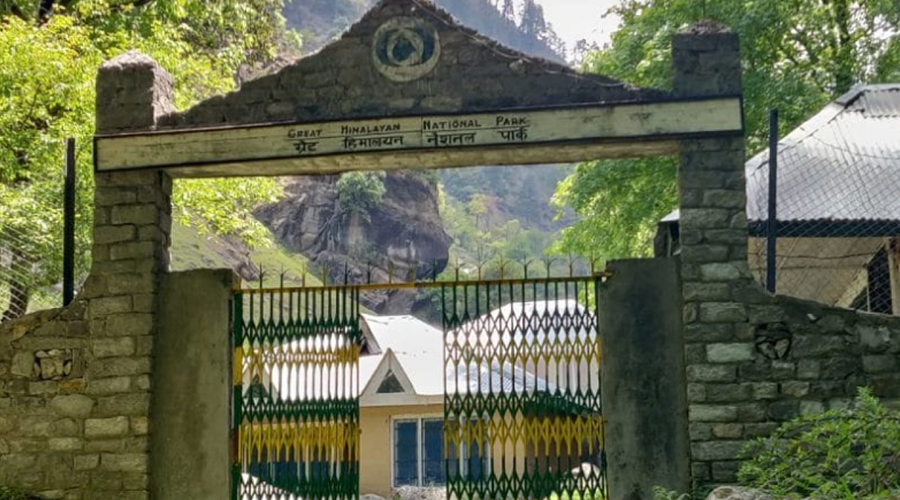
Great Himalayan National Park, Himachal Pradesh
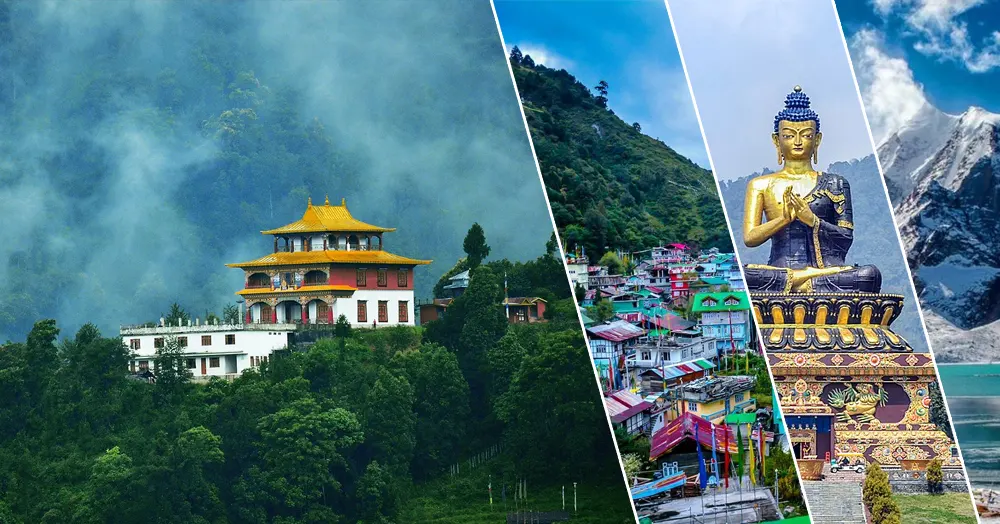
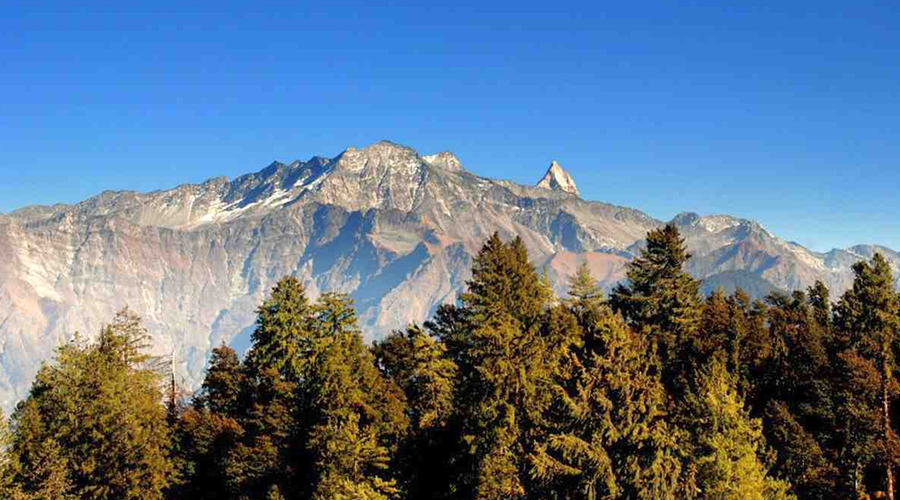
Great Himalayan National Park (GHNP), located in the Kullu region of Himachal Pradesh, is one of the most pristine and ecologically rich protected areas in the Himalayas. Declared a UNESCO World Heritage Site, the park is famous for its untouched wilderness, alpine meadows, dense forests, and rare wildlife. Spread across 1,171 sq km, GHNP is a paradise for trekkers, wildlife lovers, bird watchers, and nature explorers.
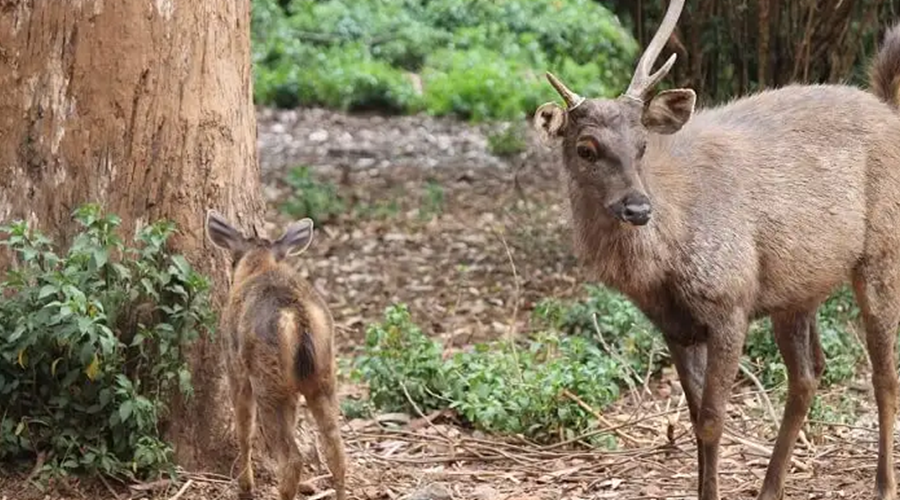
With over 350 species of flora and 800+ species of fauna, including the endangered Snow Leopard, Himalayan Tahr, Western Tragopan, and Musk Deer, the park plays a crucial role in Himalayan biodiversity conservation. It offers unforgettable experiences such as multi-day treks, riverside camping, remote village stays, and breathtaking mountain scenery.
History of Great Himalayan National Park, Himachal Pradesh
The Great Himalayan National Park was officially established in 1984, and declared a National Park in 1999. Owing to its outstanding natural diversity, conservation record, and cultural relationships with local communities, it earned UNESCO World Heritage status in 2014 under the “Outstanding Universal Value”.
For centuries, the local villagers depended on these forests for traditional herbs, grazing, and culture. Post-conservation measures, eco-tourism initiatives were introduced to support local communities while ensuring wildlife protection.
Key Historical Highlights
- Established as a National Park: 1999
- Awarded UNESCO World Heritage Site status: 2014
- Local villages integrated into eco-friendly tourism
- Recognized for exceptional biodiversity & conservation
Flora & Fauna in GHNP
The park features diverse habitats including alpine meadows, conifer forests, glaciers, and high mountain peaks.
Popular Wildlife
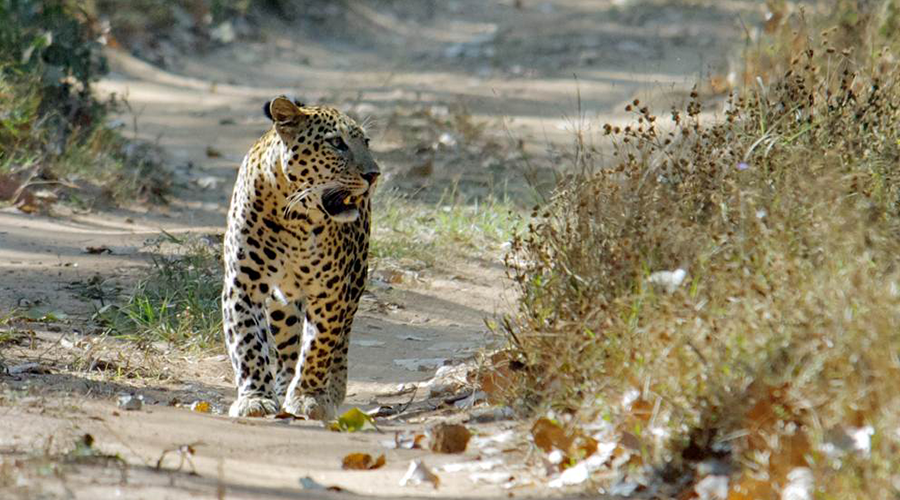
- Snow Leopard
- Himalayan Tahr
- Serow
- Musk Deer
- Blue Sheep
- Himalayan Black Bear
Threatened Bird Species
- Western Tragopan
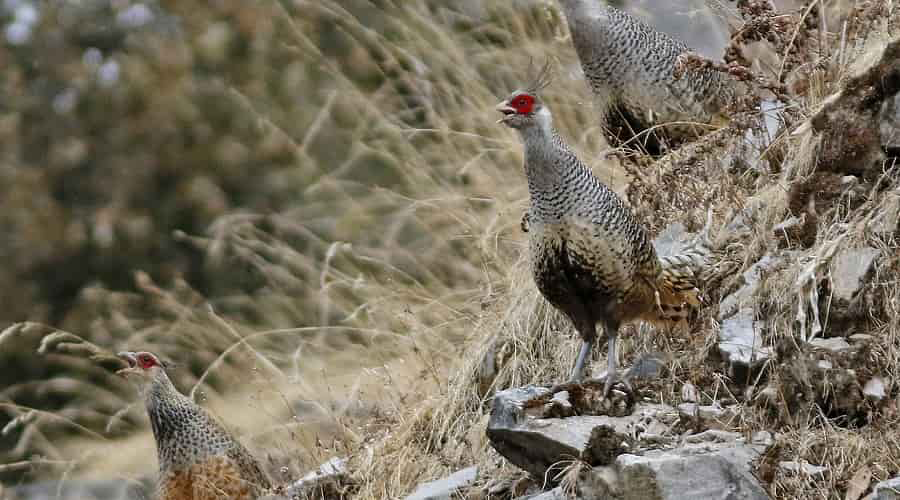
- Koklass Pheasant
- Cheer Pheasant
Major Vegetation
- Oak Forests (Ban, Mohru & Kharsu Oak)
- Alpine herbs & grasses
- Deodar, Fir & Spruce forests
GHNP is considered a biological hotspot of the western Himalayas.
Entry Fee & Timings
| Category | Entry Fee (Approx.) |
|---|---|
| Indian Visitors | ₹100 per day |
| Foreign Visitors | ₹400 per day |
| Camera Charges | ₹50–₹100 extra |
Timings:
6:00 AM – 6:00 PM (Entry allowed only with permissions & registered guides)
Best Time to Visit Great Himalayan National Park
| Months | Experience |
|---|---|
| April – June | Best for trekking & wildlife sightings |
| September – November | Clear views, amazing weather |
| Winter (Dec–Feb) | Very cold, trails mostly closed |
Things to Do in GHNP
- Multi-day trekking expeditions
- Wildlife & bird watching
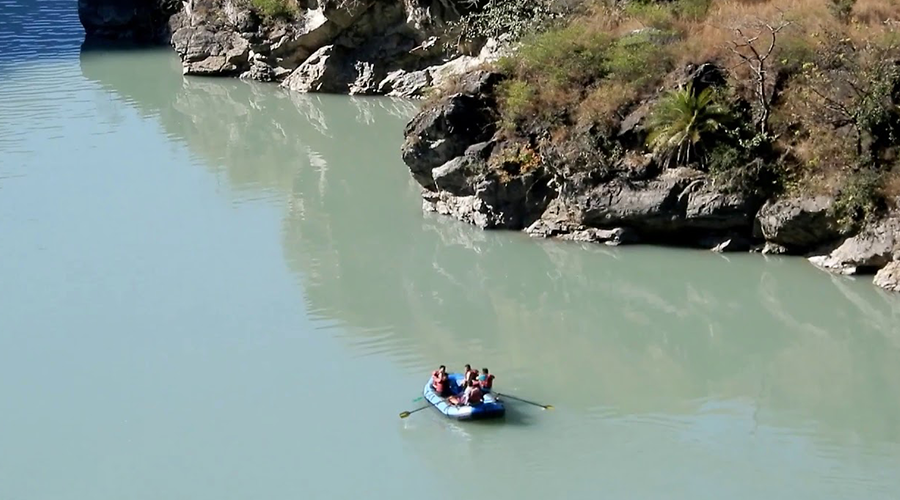
- Riverside camping
- Exploring traditional mountain villages
- Photography of landscapes & alpine meadows
- Nature trails & eco-tourism experiences
3–4 Days Itinerary for Great Himalayan National Park
| Day | Activity |
|---|---|
| Day 1 | Reach Gushaini → Trek to Eco-zone village → Night stay |
| Day 2 | Trek into forest trails → Wildlife & bird sightings → Camping |
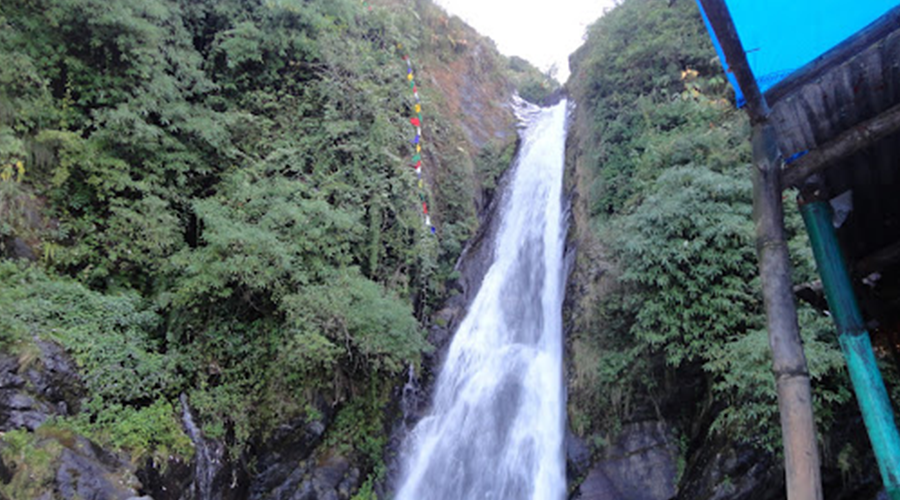
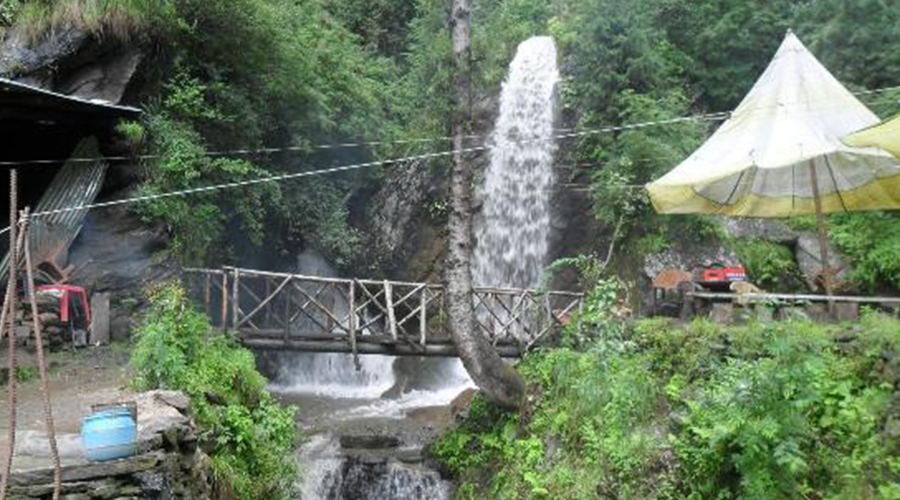
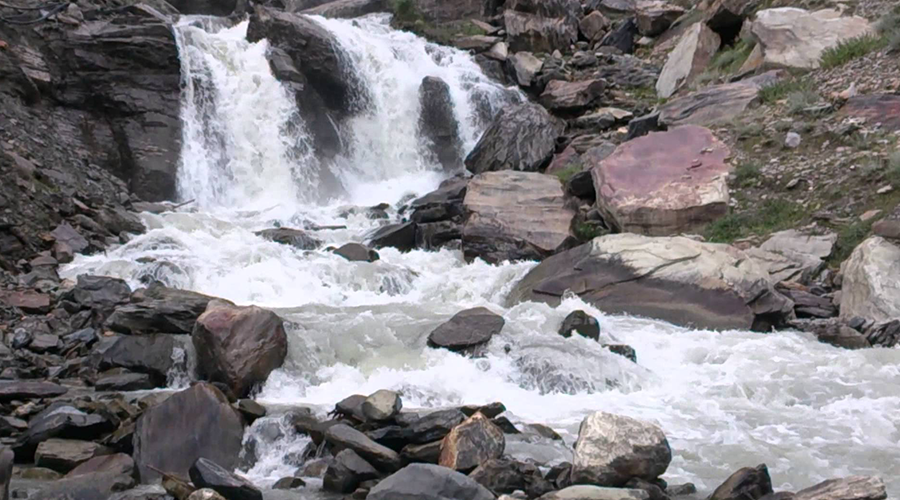
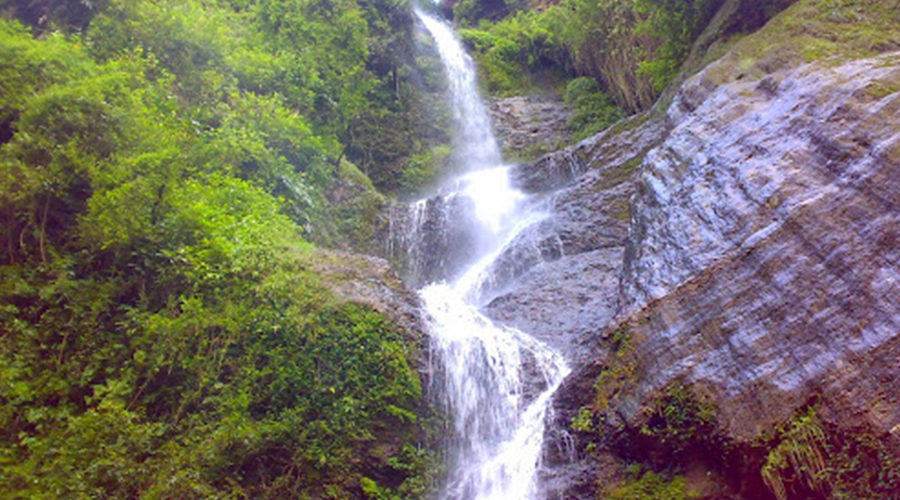
| Day 3 | Trek to beautiful alpine meadow / waterfall → Return |
| Day 4 | Explore Banjar Valley → Departure |
(Custom trekking itineraries can vary based on permits & guide routes)
Nearby Attractions
- Tirthan Valley – trout fishing, peaceful nature trails
- Banjar Valley – beautiful mountain villages
- Sainj Valley – cultural heritage & temple trails
- Manali – adventure hub near Kullu
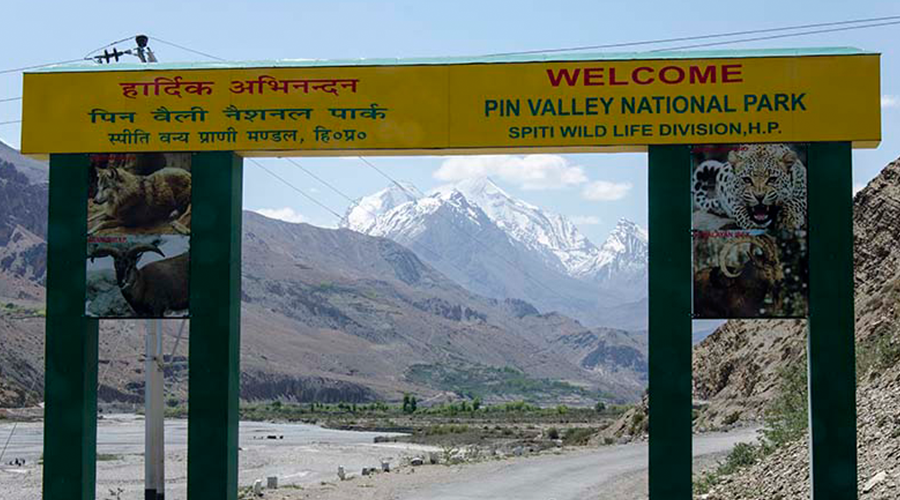
- Pin Valley National Park – snow leopard region
- Rupi Bhaba & Kanwar Wildlife Sanctuaries – biodiversity hot spots
Quick Facts - Great Himalayan National Park, Himachal Pradesh
- Location: Kullu District, Himachal Pradesh
- Area: 1,171 sq km
- UNESCO World Heritage Site: Yes
- Famous For: Wildlife, alpine landscapes, trekking
- Best For: Nature lovers, hikers, photographers
- Recommended Stay: 3–5 days
How to Reach Great Himalayan National Park
| Mode | Details |
|---|---|
| Nearest Town | Kullu |
| Nearest Airport | Bhuntar Airport (50 km) |
| Nearest Railway | Joginder Nagar |
| Road Access | Good connectivity via taxis & buses to Gushaini / Banjar region |
Entrance to the park is generally through Gushaini or Ropa villages.
Travel Tips
- A guide and permit are mandatory for trekking inside the core area
- Carry warm clothing, waterproof shoes & essentials
- Follow Leave No Trace rules - protect nature
- Mobile network is weak inside the park
- Book homestays & campsites in advance during peak season
Great Himalayan National Park is one of India’s most extraordinary natural heritage sites, where untouched mountains, rare wildlife, and rich cultural traditions come together. Whether you love adventure or simply want to escape into pristine nature, GHNP promises a life-changing experience in the majestic Himalayas.
.webp)