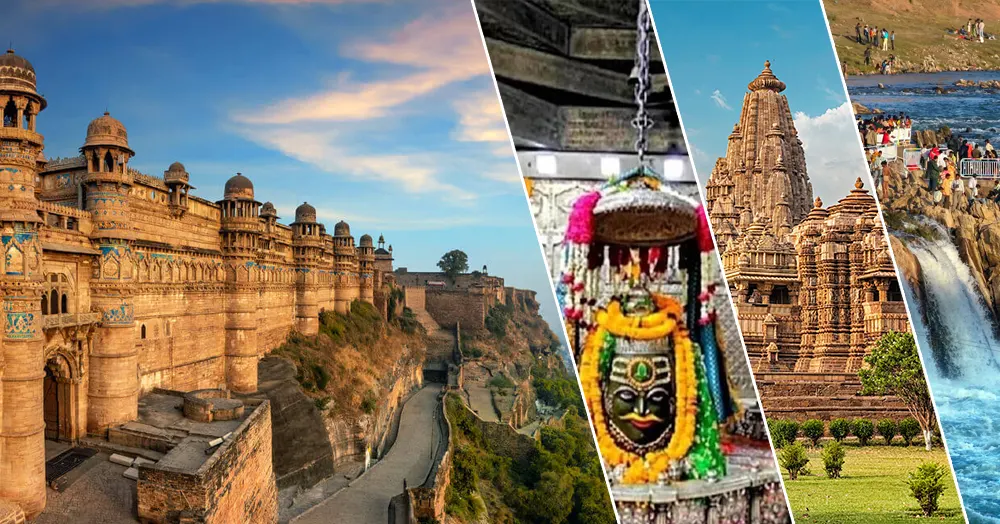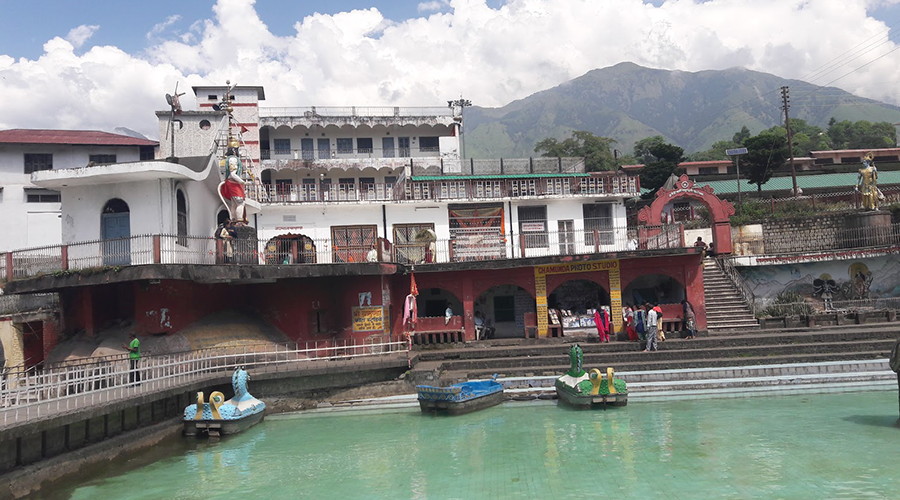
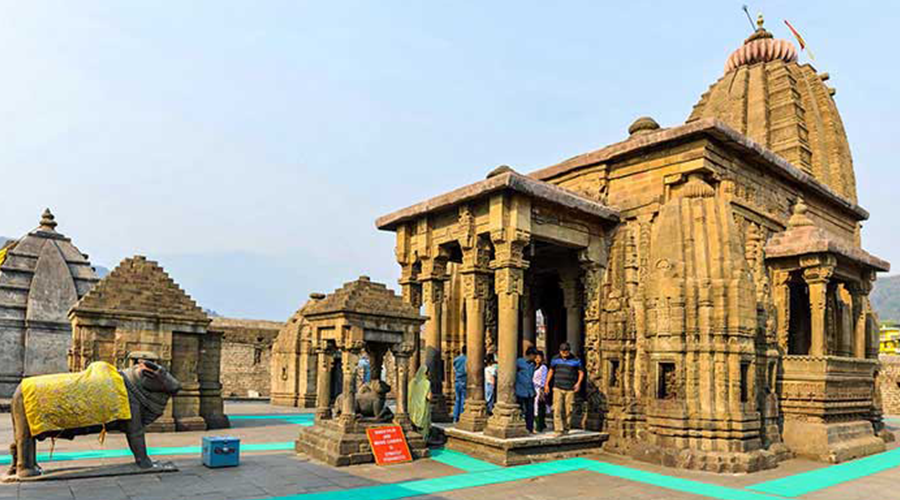
Baijnath Temple, Himachal Pradesh
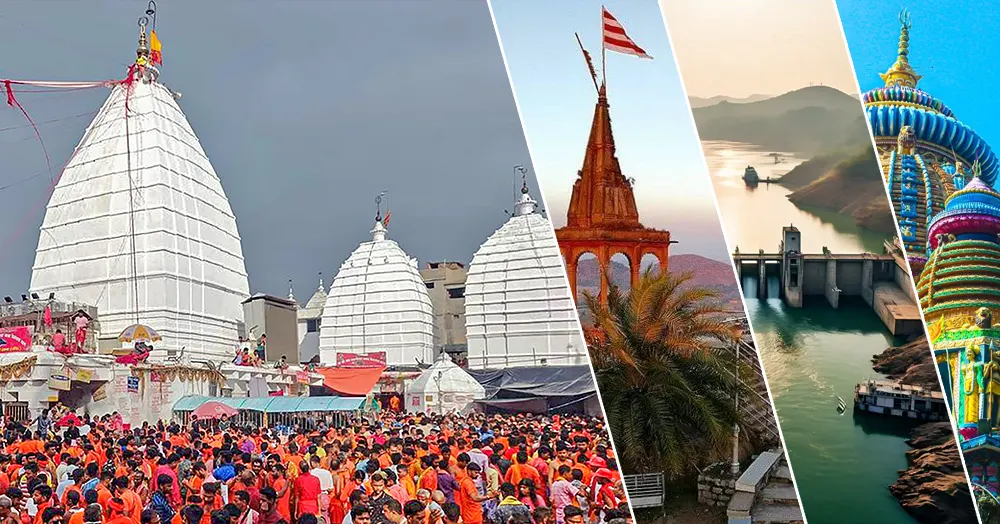
Baijnath Temple is one of the most revered religious heritage sites in Himachal Pradesh, dedicated to Lord Vaidyanath, a healing form of Lord Shiva. Located in the peaceful town of Baijnath in Kangra district, the temple is famous for its sacred spiritual energy, ancient history, and beautiful Himalayan surroundings. Devotees believe that Lord Shiva here heals health concerns and removes life’s problems, which attracts thousands of worshippers throughout the year.
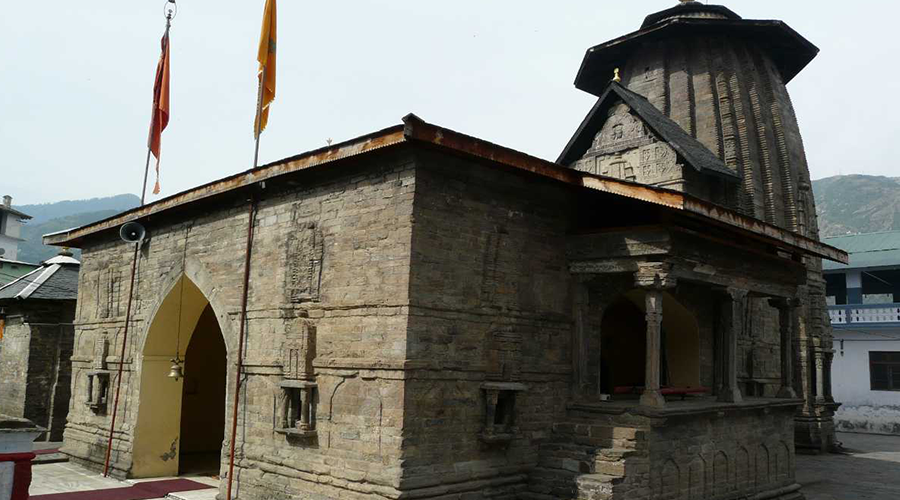
Built in the 13th century, Baijnath Temple is also admired for its remarkable Nagara-style architecture, detailed stone carvings, and holy atmosphere that instantly connects visitors with peace and devotion. The temple complex, the soothing sound of nearby water, and the breathtaking mountain views make it an essential tourist and pilgrimage spot when exploring Himachal Pradesh.
History of Baijnath Temple, Himachal Pradesh
The temple was built in 1204 AD by two Shiva devotees and merchants, Ahuka and Manyuka. Before the construction of this magnificent structure, a smaller shrine dedicated to Lord Shiva already existed at the site.
Some historical beliefs suggest Baijnath is one of the twelve Jyotirlingas of India, making it extremely sacred. Over centuries, people have believed that Lord Shiva here heals illnesses and removes life’s sufferings.
The water flowing near the temple is also said to possess medicinal and digestive benefits, and historically, Kangra rulers drank only water from Baijnath due to its purity.
Architecture of Baijnath Temple
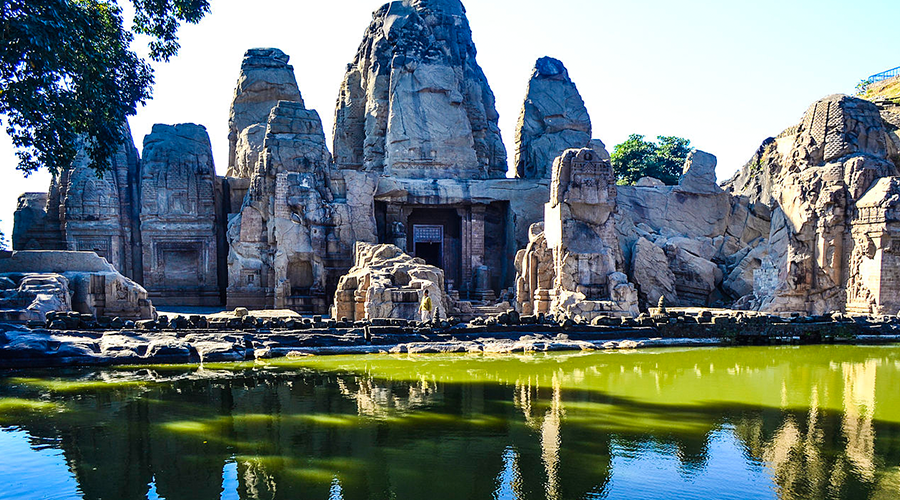
Baijnath Temple is built in the traditional Nagara Style of North Indian temple architecture. The structure is carved intricately with deities and mythological designs.
Key Architectural Highlights:
- Tall Shikhara (towered sanctum) with ornate carvings
- A Mandapa hall for devotees’ gatherings
- A vestibule leading to the sanctum
- Nandi statue facing the Shiva Lingam
- Outer and inner walls engraved with Hindu gods and goddesses
The temple’s layout, sacred ambiance, and stone carvings reflect exceptional craftsmanship and strong spiritual significance.
Religious Significance
- Worshipped as Vaidyanath, Shiva as the Divine Doctor
- Belief that praying here helps cure ailments and brings good health
- Devotees visit especially during Mahashivratri & Shravan month
Timings & Entry Fee
| Details | Information |
|---|---|
| Temple Timings | 6:00 AM – 9:00 PM |
| Darshan Fee | Free |
| Best Days to Visit | Mondays & Festival Days |
Timings may vary during festivals.
Nearby Attractions
| Place | Distance |
|---|---|
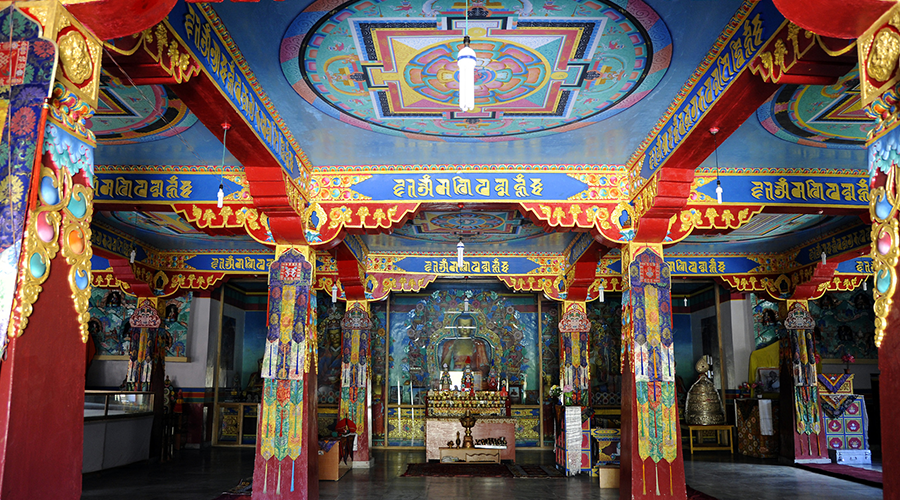
| Tashi Jong Monastery | 10 km |
| Palampur Tea Gardens | 16 km |
| Bir Billing – Paragliding Site | 45 km |
| Kangra Fort | 50 km |
| Andretta Artist Village | 20 km |
How to Reach Baijnath Temple, Himachal Pradesh
- By Road: Well-connected from Dharamshala (50 km) & Palampur (16 km)
- By Train: Nearest station – Baijnath Paprola Railway Station (3 km)
- By Air: Kangra Airport (45 km) is the closest
Travel Tips
- Visit early for peaceful darshan
- Photography inside the sanctum may be restricted
- Wear comfortable footwear for temple complex walking
- Respect temple rituals and maintain silence inside
Quick Facts about Baijnath Temple, Himachal
- Deity: Lord Vaidyanath (Healing avatar of Shiva)
- Location: Baijnath, Kangra District, Himachal Pradesh
- Built in: 1204 AD
- Architecture: Nagara Style
- Famous For: Healing beliefs & historical significance
- Best Time to Visit: March to June | September to November
Baijnath Temple is not just a historic attraction but a spiritual destination where devotees experience hope, peace, and healing. If you are visiting Kangra, this divine temple must be included in your itinerary to witness sacred Himalayan spirituality and ancient temple craftsmanship.
.webp)