Chamunda Devi Temple, Himachal Pradesh
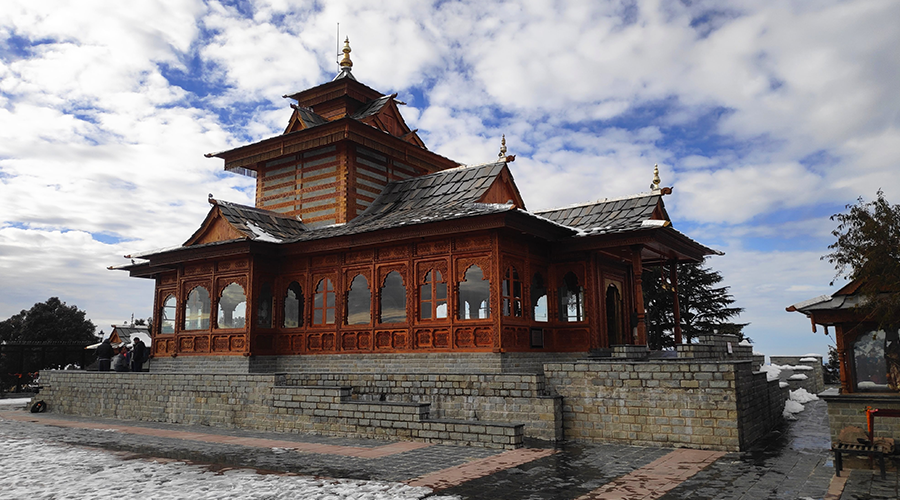
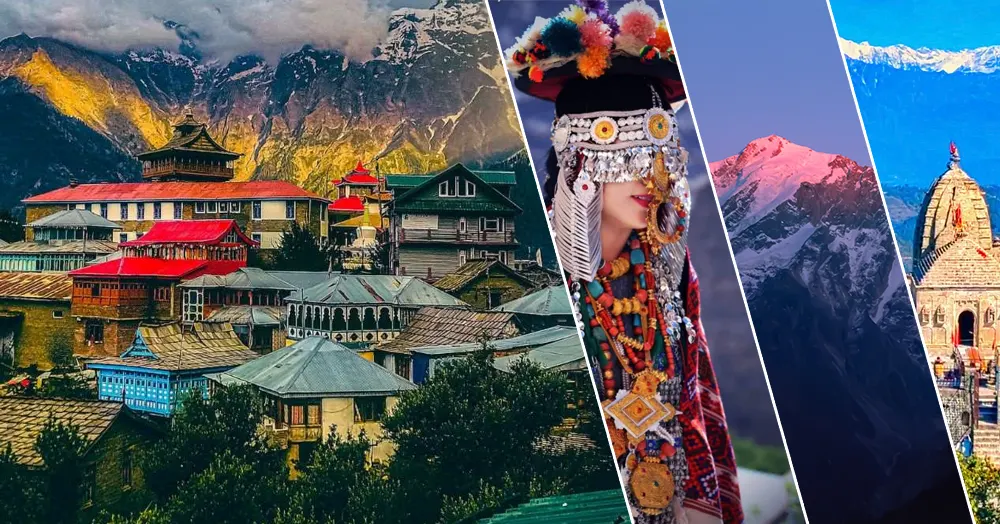
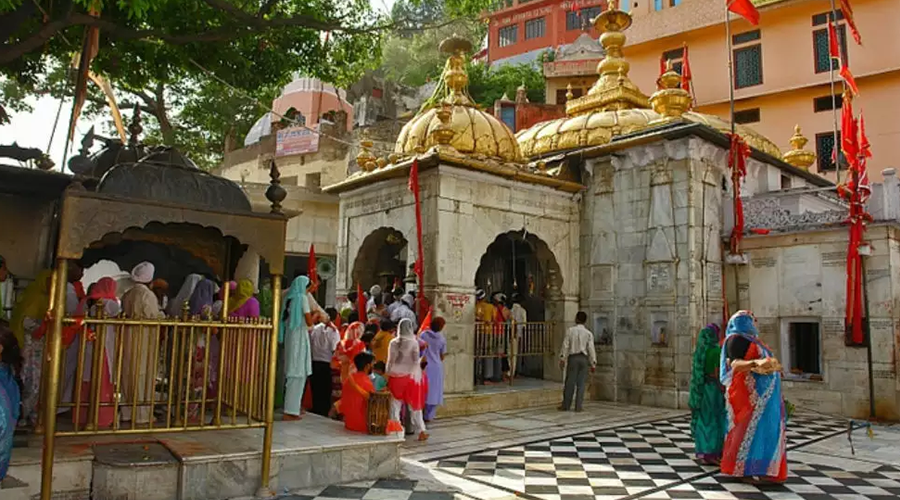
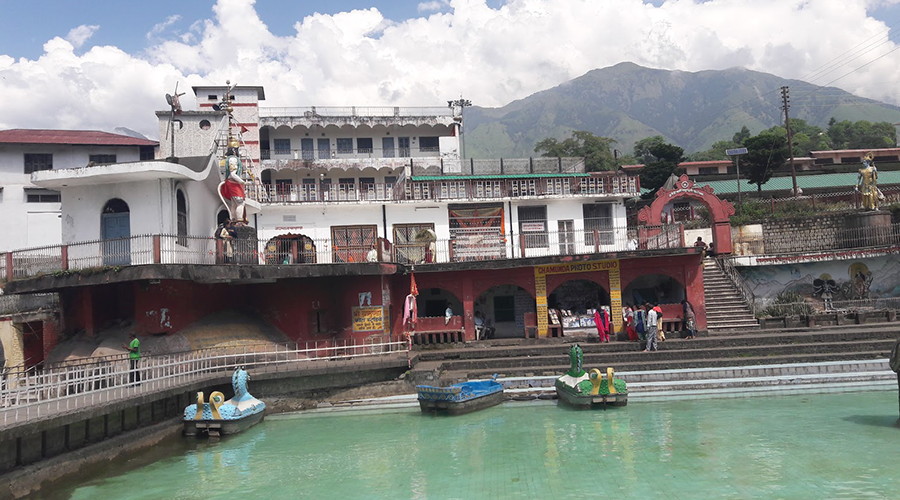
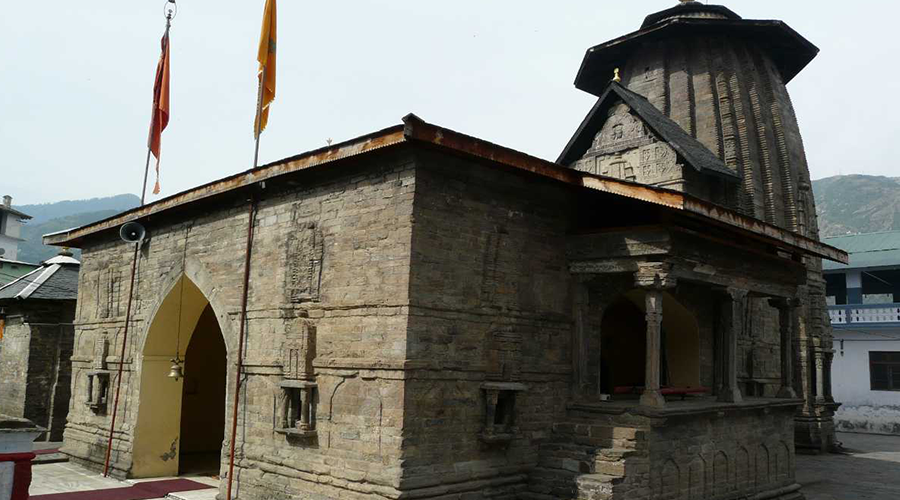
Chamunda Devi Temple, also known as Chamunda Nandikeshwar Dham, is one of the most revered and powerful Shakti temples in Himachal Pradesh. Dedicated to Goddess Chamunda, a fierce form of Maa Kali, this sacred temple symbolizes strength and divine protection. It was built during the reign of Maharaja Umed Singh and showcases traditional Himachali architecture using wood, gabled roofs, and intricate silver-sheet carvings.
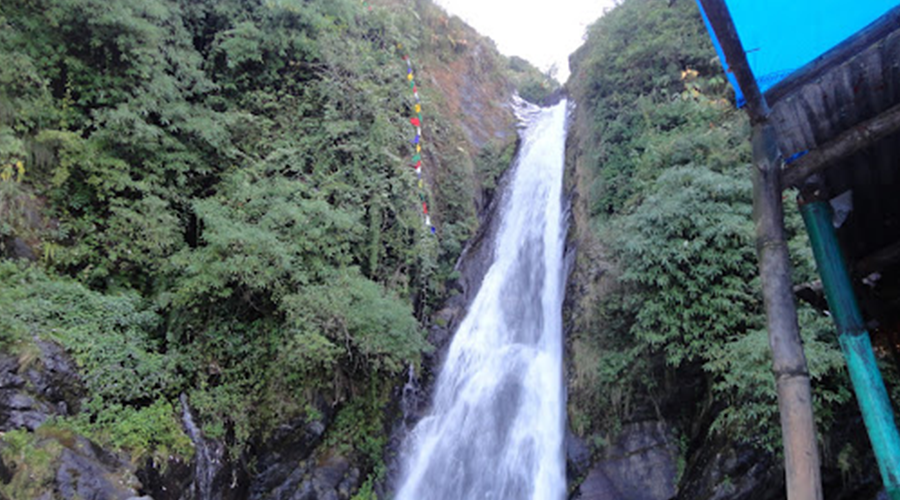
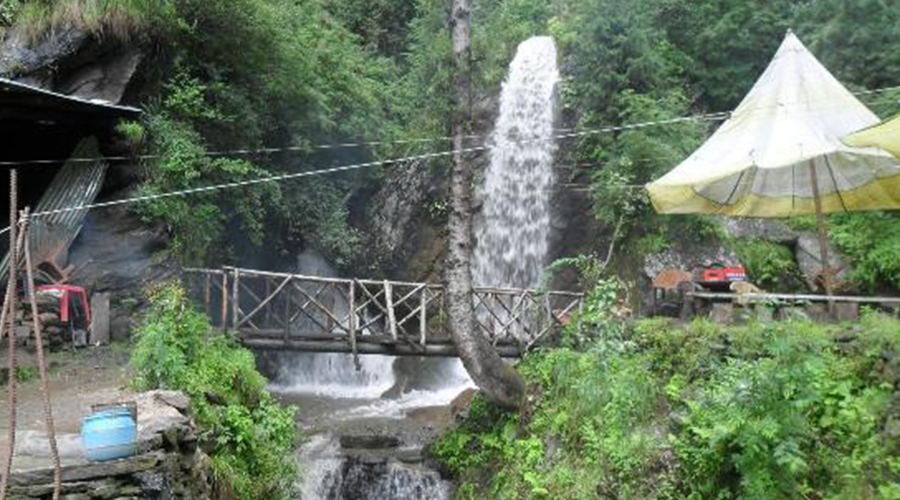
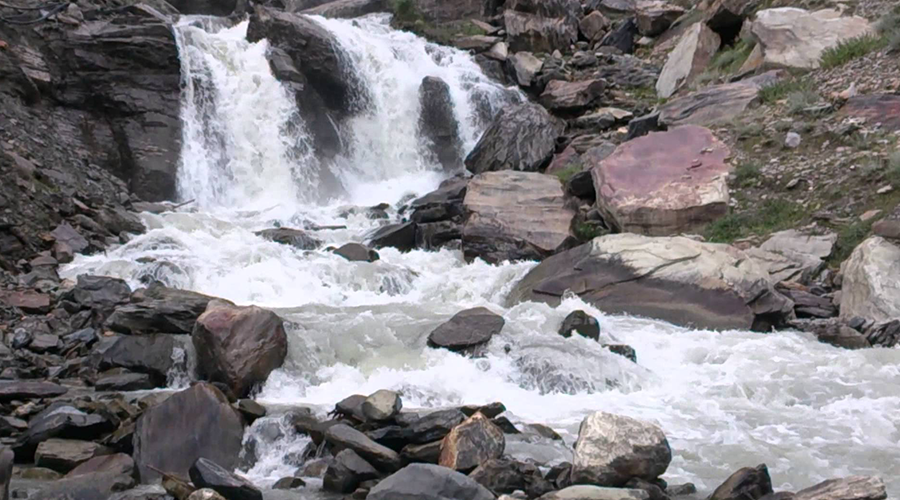
Located along the Banganga (Baner) River in Kangra district, the temple is just 10 km from Palampur and is visited by thousands of devotees every year. Navratri is the most vibrant time here when the entire complex comes alive with devotion, celebrations, and spiritual energy. Surrounded by scenic hills, forests, and the sound of river waters, the temple offers a deeply peaceful and divine experience.
History of Chamunda Devi Temple
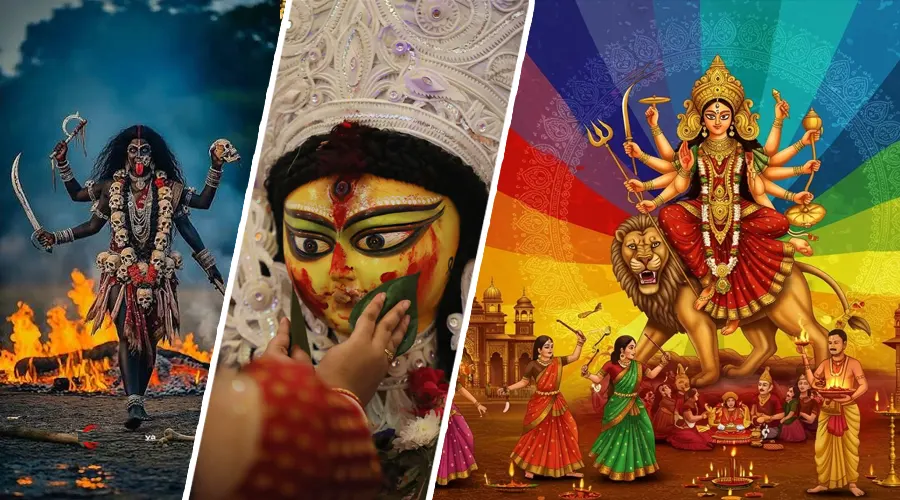
The temple’s history is layered with both mythology and cultural importance. According to legends, Goddess Ambika once rested atop a hill when two notorious demons, Chanda and Munda, started disturbing her. Angered, she transformed into fierce Chamunda, a terrifying form of Maa Kali, and slew both demons. Since then, the Goddess has been worshipped here as Chamunda Devi, a symbol of victory over evil.
Originally, the temple stood deep in a forested hill area, making it difficult for devotees to access. Hence, the shrine was relocated to its present place around 400 years ago. The current idol of the deity is believed to have been unearthed from this very site, guided by divine intervention. The temple also houses idols of Hanuman and Bhairav, placed as guardians of the Goddess.
Inside, the walls display paintings showcasing episodes from the Ramayana and Mahabharata, connecting the devotees with India’s sacred epics. A Shiva Lingam, cave-like sanctum, and a holy water pool at the rear of the temple further highlight its spiritual significance as a center of worship for both Shakti (Goddess) and Shiva devotees.
Architecture & Religious Significance
- Traditional Himalayan wooden construction
- Silver sheet carvings of floral & animal motifs
- Cave-styled sanctum with Nandikeshwar (Shiva) symbols
- Holy water pool and sculptures of Shiva & Saraswati
The temple harmoniously blends nature, divinity, and culture, offering an authentic Himachali pilgrimage experience.
Location & Accessibility
- District: Kangra, Himachal Pradesh
- Nearest Town: Palampur (10 km)
- The temple is also accessible from Dharamshala and Chamunda Market area.
Devotees can enjoy beautiful valley views and river scenery on their way.
Timings
- Daily: 6:00 AM – 8:00 PM
(Aarti timings vary during festivals)
Best Time to Visit
| Season | Why Visit |
|---|---|
| March – June | Pleasant weather, perfect for sightseeing |
| September – October | Grand Navratri celebrations |
| November – February | Quiet pilgrimage with cool temperatures |
Avoid monsoon months due to slippery paths.
Things to Do at the Temple
- Darshan & participate in Daily Aarti
- Experience Navratri festivities
- Enjoy scenic walks around the river
- Explore local market for prasad & handicrafts
How to Reach
- By Air: Kangra Airport (28 km)
- By Train: Pathankot Railway Station → then road (90 km)
- By Road: Well connected by buses and taxis from Palampur & Dharamshala
Quick Facts
- Deity: Goddess Chamunda (Form of Devi Kali)
- Also Known As: Chamunda Nandikeshwar Dham
- Era Built: 16th Century
- River: Banganga/Baner River
- Festival Highlight: Navratri
Travel Tips
- Photography might be restricted inside - follow instructions
- Maintain silence & avoid littering near the river
- Wear comfortable footwear for walking around temple slopes
- Start early to avoid long queues during Navratri
- Secure belongings - rush may cause misplacement
Nearby Attractions
- Palampur Tea Gardens
- Bir Billing (Adventure Sports)
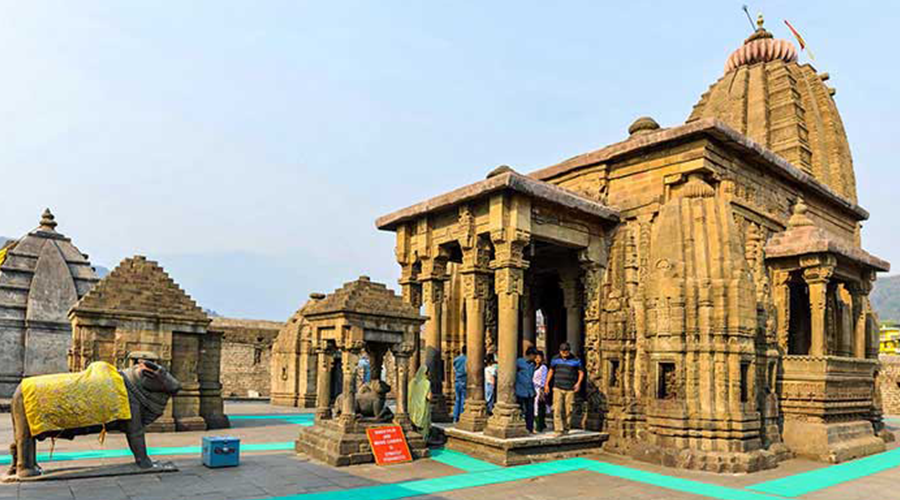
- Baijnath Temple
- Dharamshala & McLeod Ganj
You can easily plan a half-day pilgrimage trip from Dharamshala or Palampur.
Chamunda Devi Temple is a powerful spiritual destination that connects devotees to the protective and benevolent form of Maa Shakti. With its ancient legends, traditional architecture, scenic riverfront location, and strong religious aura, the temple offers a soul-touching experience for all pilgrims visiting Kangra Valley.
.webp)