Masroor Temples, Himachal Pradesh
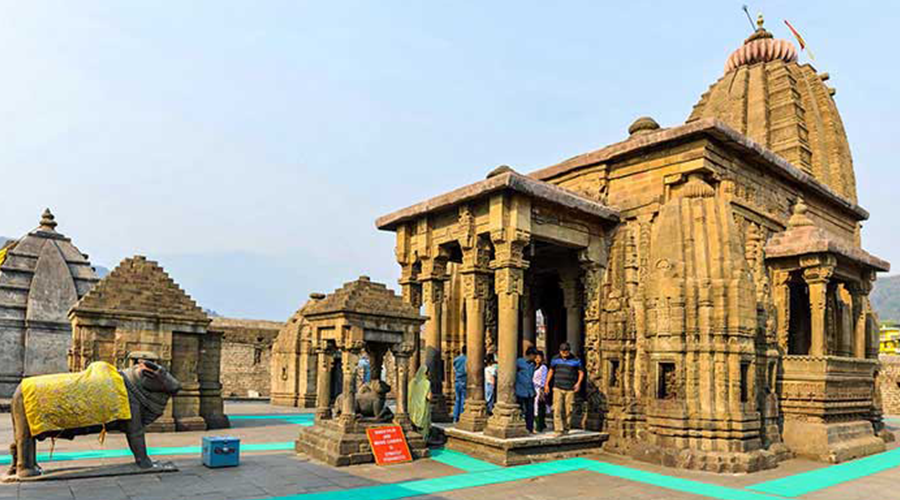
Masroor Rock Cut Temples (also known as Masroor Temples) are one of the most unique architectural heritage sites of Himachal Pradesh. Located in the scenic Kangra district, this ancient Hindu temple complex features monolithic rock-cut shrines showcasing extraordinary craftsmanship. Surrounded by breathtaking views of the Dhauladhar mountain range, the site attracts history lovers, architecture enthusiasts, pilgrims, and photographers alike.
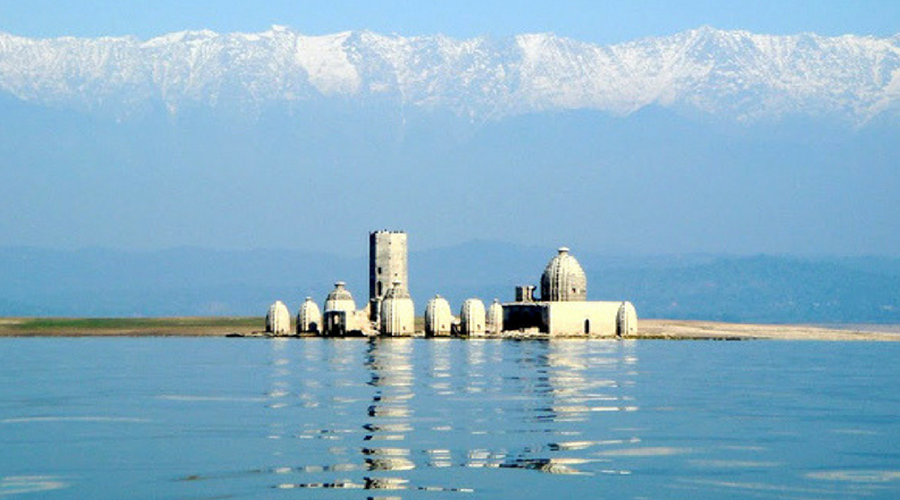
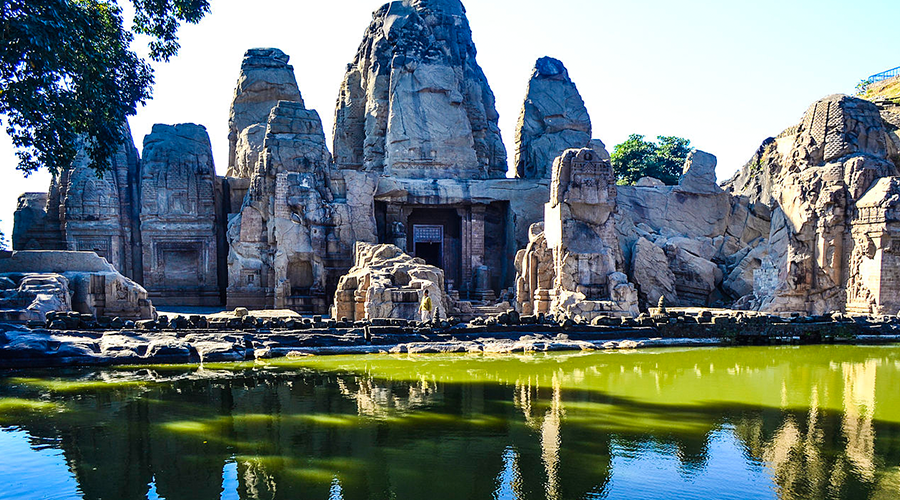
The complex has around 15 beautifully carved temples, primarily dedicated to Lord Shiva, along with idols of other Hindu deities. A stunning reflection of the temples can be seen in the sacred water reservoir in front of the complex, a picture-perfect spot for every visitor.
History of Masroor Temples
The origins of Masroor Temples date back to the 8th to 9th century (early medieval era) and are believed to be influenced by Nagara-style architecture. The entire complex is carved out of a single massive rock, which makes it one of the only monolithic rock-cut temples in North India.
Local mythology says that the Pandavas constructed these temples during their exile as a shelter. Legends claim that the unfinished staircase inside the complex was meant to reach heaven, but Lord Indra allegedly stopped its completion to prevent mortals from accessing the heavens easily.
The temples suffered major damage during the 1905 Kangra earthquake, but still stand proud as a symbol of ancient Himalayan artistry.
Highlights of Masroor Temples
- India’s only North Indian monolithic rock-cut temple complex
- Breathtaking view of Dhauladhar peaks
- Sacred reflection pool enhancing the stunning visuals
- Mythological connection with Pandavas
- Popular spot for photography & sunset views
- Intricate carvings representing early medieval temple art
Best Time to Visit
- October to April → Pleasant weather for sightseeing
- Monsoon → Not ideal due to slippery terrain
Temple Timings & Entry Fee
| Timings | Entry Fee |
|---|---|
| 6:00 AM – 6:00 PM | Free |
Things to Do
- Explore the ancient rock carvings
- Enjoy photography near the reflection pool
- Witness sunset with mountain backdrop
- Learn about temple history & myths from locals
- Take a short walk around peaceful rural surroundings
Quick Facts
- Built: 8th–9th Century
- Architecture: Nagara style, Rock-cut monolithic structure
- Main Deity: Lord Shiva
- Temple Count: Complex of 15 shrines
- Managed By: Archaeological Survey of India (ASI)
Location & How to Reach
| Mode | Details |
|---|---|
| Nearest Town | Kangra (approx. 32 km) |
| Nearest Airport | Kangra Airport (42 km) |
| Nearest Railway Station | Nagrota (≈ 30 km) / Kangra Mandir |
Road connectivity is good - taxis and HRTC buses are available from Kangra, Dharamshala & Pathankot.
Nearby Attractions
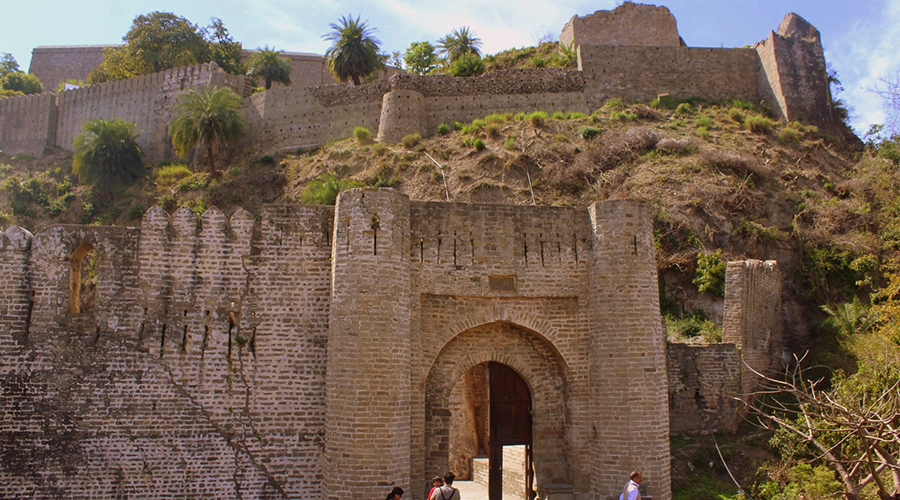
- Kangra Fort
- Jwalaji Temple
- Dharamshala & McLeod Ganj
- Andretta Pottery Village
- Pong Dam Lake & Bird Sanctuary
Travel Tips
- Wear comfortable footwear - surfaces can be uneven
- Best to visit early morning or before sunset for great photos
- Limited food options nearby - carry water/snacks
- Respect temple rules; avoid damaging carvings
- Check weather before planning - rural roads may be affected in monsoon
Masroor Rock Cut Temples are a rare architectural treasure of Himachal Pradesh, offering a blend of history, mythology, and scenic Himalayan beauty. It’s a must-visit destination for travelers exploring Kangra’s cultural heritage.
.webp)