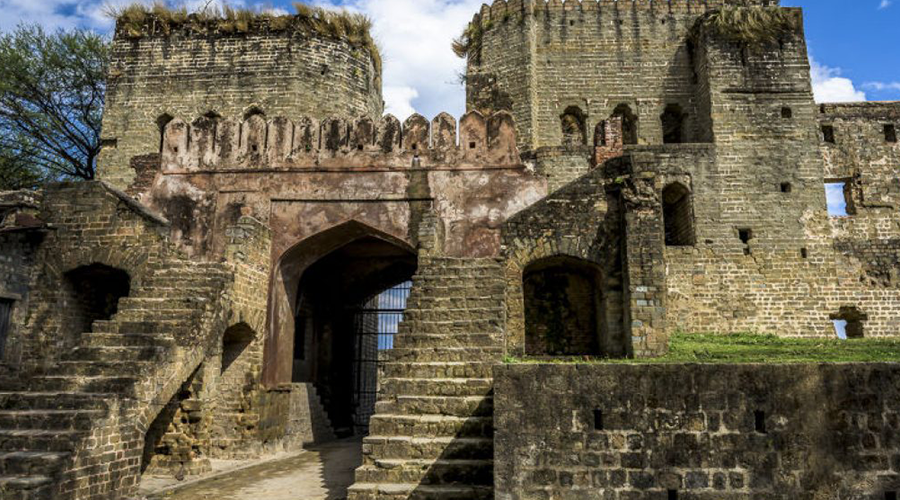
Nurpur Fort, Himachal Pradesh
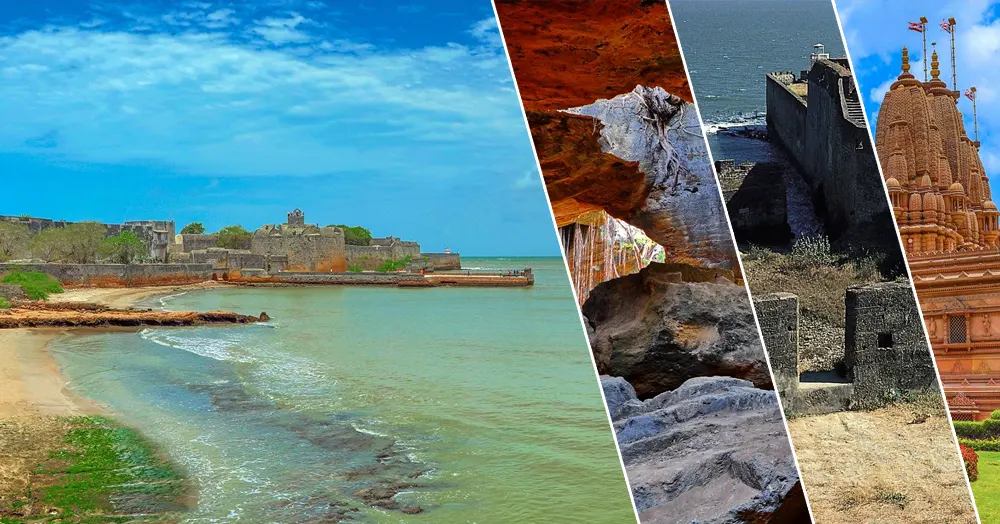
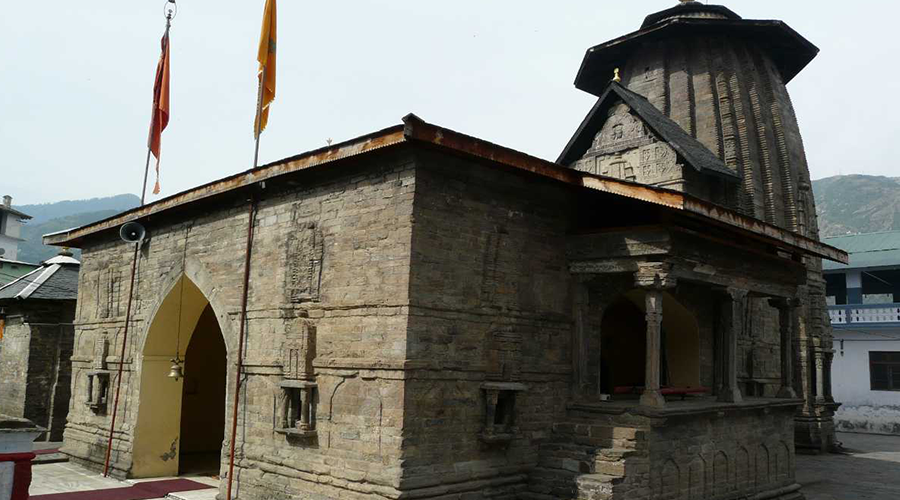
Built-in the 10th century, the Nurpur fort is mostly in ruins after first being destroyed by Britishers and later an earthquake in 1905. However, some parts of this 900-year-old fort are still intact making it a great place to visit in between the mountains. A 16th-century temple is built inside the fort called Brij Raj Swami temple where idols of Lord Krishna and Meera Bai are worshipped.
History of Nurpur Fort, Himachal Pradesh
Originally believed to be built in the 10th century, the fort was later expanded by Raja Basu in the 16th century. Nurpur Fort received its name from the great Mughal Emperor Jahangir, who named it after his beloved wife Noor Jahan in 1672.
Key historical facts:
- Served as an important stronghold for the Pathania Rajput rulers
- Strategically located above Jabar Khud, a tributary of the Chakki River
- Suffered destruction when the British forces attacked
- Further damaged by a massive earthquake in 1905
Despite this, surviving structures still reflect the architectural brilliance and strategic importance the fort once held.
Architecture & Highlights
Nurpur Fort is known for its stone-built fortifications, intricate carvings, and scenic location. The most remarkable structure inside the fort is the:
Brij Raj Swami Temple
- Dedicated to Lord Krishna and Meera Bai
- Built in the 16th century
- One of the few temples in India where Meera Bai is worshipped alongside Krishna
- Known for its beautifully carved entrance and spiritual ambiance
The mix of military fort design and religious architecture makes Nurpur Fort a rare heritage site in Himachal.
Things to Do
Visitors can enjoy:
- Exploring the ancient fort ruins
- Offering prayers at Brij Raj Swami Temple
- Photography of the scenic mountain surroundings
- Learning stories of Rajput and Mughal history
- Enjoying peaceful nature walks around the fort area
Best Time to Visit
| Season | Experience |
|---|---|
| October – June | Best weather for sightseeing |
| Monsoon (July–Sept) | Green surroundings but avoid heavy rain days |
Entry Fee & Timing
- Entry Fee: Free
- Timings: 9:00 AM – 6:00 PM
- Time Required: Around 1–2 hours
(Timings may vary - check locally during holidays)
Nearby Attractions
| Attraction | Distance | Description |
|---|---|---|
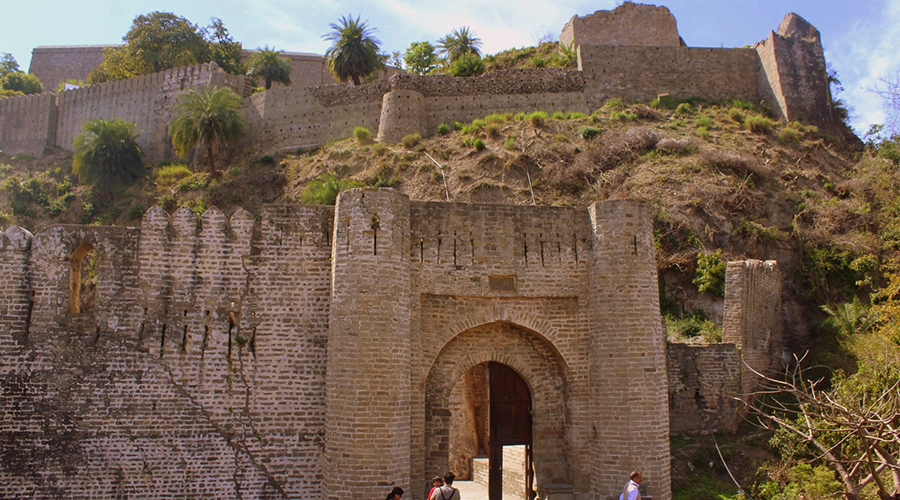
| Kangra Fort | 34 km | Largest fort in the Himalayas with rich Rajput history |
| Dharamshala & Mcleodganj | 50–60 km | Tibetan culture, monasteries, and hill views |
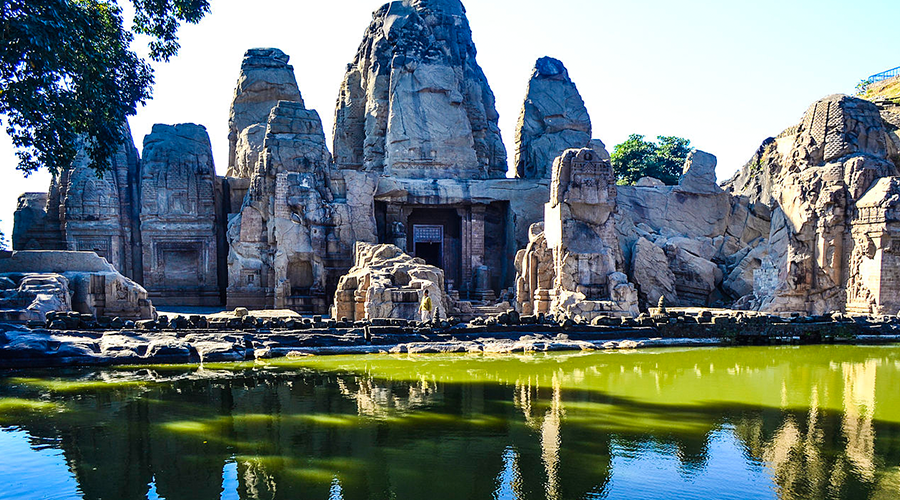
| Masroor Rock Cut Temples | 60 km | Ancient monolithic temples carved from rock |
| Pathankot City | 25 km | Transport hub with shopping options |
Quick Facts about Nurpur Fort
- Location: Nurpur, Kangra District, Himachal Pradesh
- Built: 10th century (expanded in 16th century)
- Architectural Style: Rajput fort design
- Named By: Mughal Emperor Jahangir
- Highlights: Brij Raj Swami Temple, ancient ruins
- Historical Importance: Seat of Pathania Rajput rulers
- Altitude: 450 meters above sea level
How to Reach Nurpur Fort, Himachal Pradesh
| Mode of Transport | Details |
|---|---|
| By Road | Nurpur is well-connected by road from Dharamshala and Pathankot |
| By Train | Nearest railway station: Pathankot Railway Station (approx. 25 km) |
| By Air | Nearest airport: Gaggal Airport (Dharamshala) – approx. 55 km |
Nurpur Fort beautifully blends history, spirituality, and natural beauty. Its ancient ruins offer a glimpse into the glorious Rajput era, while Brij Raj Swami Temple adds a divine essence to the site. For travelers looking to explore offbeat heritage destinations in Himachal Pradesh, Nurpur Fort is certainly a place worth visiting and appreciating.
.webp)