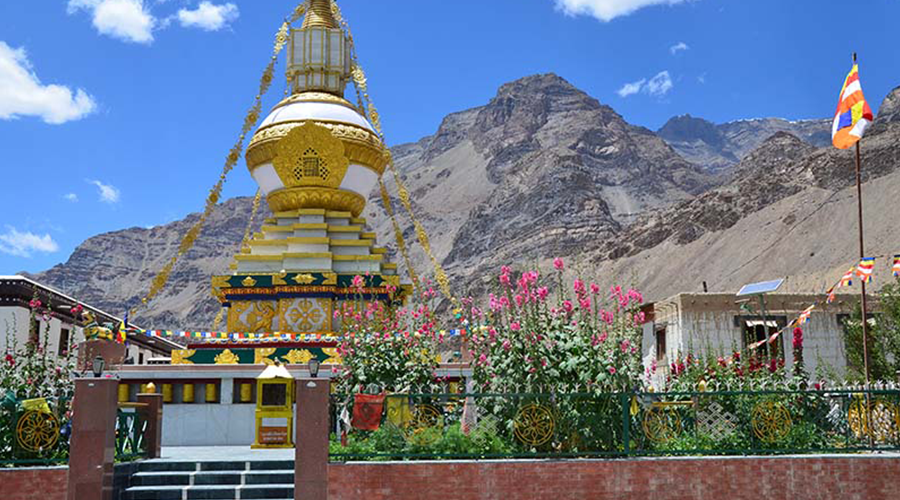
Tabo Monastery, Himachal Pradesh
The Tabo Monastery was founded by a Tibetan Buddhist named Rinchen Zangpo. The monastery is situated in the Tabo village of Spiti valley. The walls of this monastery are filled with Buddhist teachings and consist of a large number of scrolls, manuscripts, and statues that depict the Buddhist religion.
It is one of the oldest and active monasteries in Himachal Pradesh and India. Unlike other monasteries in the valley which are situated above the valley, the Tabo monastery is situated below the valley. Above the monastery are caves where monks can meditate. Many of these cave walls are inscribed by Buddhist teachings.
History of Tabo Monastery, Himachal Pradesh
The history of Tabo Monastery takes us over 1,000 years back, to its foundation by King Yeshe-O of the Western Himalayan Kingdom of Guge. It was originally designed as a “daughter monastery” of the Tholing Monastery in Tibet. King Yeshe-O and his lineage played a crucial role in reviving Mahayana Buddhism and Sanskrit teachings in Tibet.
Inscriptions on the monastery walls describe the historical transformations it witnessed between the 17th–19th centuries, including geopolitical conflicts in the region. Although severely damaged during the 1975 Kinnaur earthquake, it was later restored under the guidance of the 14th Dalai Lama.
Tabo is also spiritually significant because Serkong Rinpoche, a revered lama, served as its Abbot, ensuring preservation of Buddhist scriptures and well-being of the monastic community.
Even today, the monastery is a Nationally Protected Monument under the Archaeological Survey of India, making it an invaluable cultural heritage site.
Architecture of Tabo Monastery, Himachal
Tabo’s architecture represents a rare combination of Indian, Tibetan, and Central Asian influences. The campus includes:
- 9 temples
- 4 stupas
- 23 chortens
- Monk cells and assembly halls
- Holy meditation caves carved into cliffs above the monastery
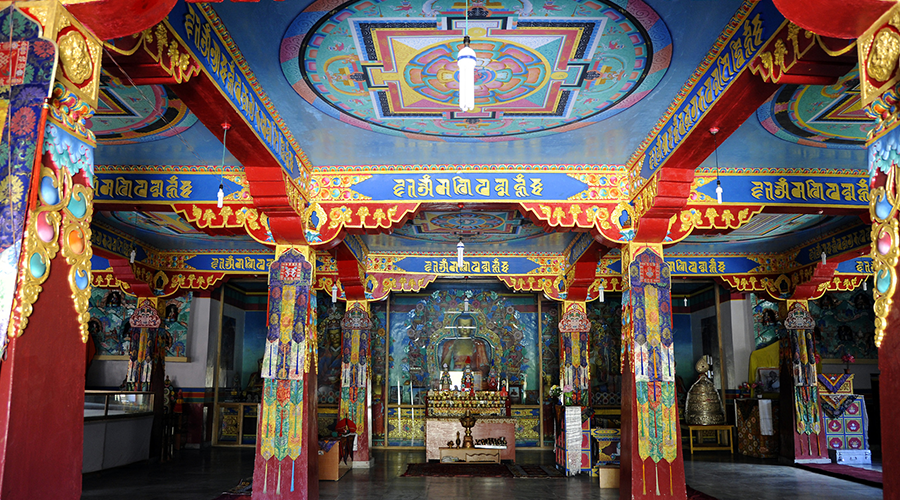
The main temple, built in 996 A.D, houses:
- 10th–11th century murals
- Sculpted pillars and mandalas
- Ancient manuscripts written on tree bark
- Statues of Buddha and Bodhisattvas
The highlight is the Vajradhatu Mandala, where Vairocana Buddha is depicted in a stunning multi-armed form. The raw mud and stone architecture perfectly blends into the barren yet spiritual landscape of Spiti Valley.
Best Time to Visit
- May to October - best weather and open road access.
- Avoid winters (Nov–Mar) - extreme cold & blocked routes due to heavy snowfall.
Why Visit Tabo Monastery?
Tabo Monastery is more than a historic monument, it is a living heritage of Buddhist spirituality. The sacred murals, serene caves, and profound silence of the valley provide a unique doorway into meditation, Tibetan culture, and ancient architectural brilliance.
Nearby Attractions in Spiti Valley
- Dhankar Monastery
- Key Monastery
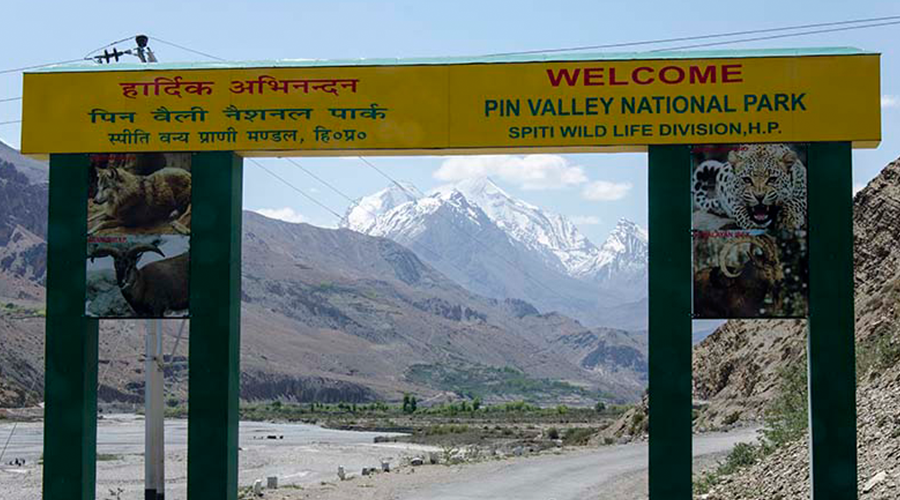
- Pin Valley National Park
- Gue Mummy Village (500-year-old preserved monk!)
- Nako Village & Lake
These places make Tabo a memorable stop on a complete Spiti spiritual circuit.
Travel Tips
- Carry warm clothing - temperature drops suddenly.
- Roads can be rough - go with an experienced local driver.
- Oxygen level is low - avoid heavy exertion and keep hydrated.
- Digital and ATM facilities are limited - keep cash & offline maps handy.
- Photography inside some temples is restricted - ask before clicking.
- Respect monastic discipline - silence helps maintain the sanctity.
How to Reach Tabo Monastery
| Route | Distance & Travel Mode |
|---|---|
| Nearest Airport | Bhuntar Airport – 250 km |
| Nearest Major Railway Station | Shimla Railway Station – 350 km |
| By Road (from Shimla) | 365 km via NH 505 (Scenic mountain route) |
| By Road (from Manali) | 150 km via Rohtang & Kunzum Pass (accessible in summer only) |
Pro Tip: Road conditions can be challenging. Always check weather and pass status before traveling.
Quick Facts – Tabo Monastery
- Founded: 996 A.D.
- Founded by: Rinchen Zangpo on behalf of King Yeshe-O
- Located at: Tabo Village, Spiti Valley, Himachal Pradesh
- Altitude: ~3,280 meters
- Nicknamed: Ajanta of the Himalayas
- Managed by: Archaeological Survey of India
- Major Religion: Tibetan Buddhism
- Meditation Caves: Present above the monastery
- Annual Festival: Chakhar Festival (once every 3 years)
Tabo Monastery stands as a timeless masterpiece preserved in the rugged Himalayas. With its millennium-old murals, rich Buddhist heritage, and spiritual charm, it remains one of India’s most significant and awe-inspiring monasteries. A trip to Spiti Valley is incomplete without experiencing the sacred energy and cultural brilliance of Tabo.
.webp)