Masrur Rock Cut Temple, Himachal Pradesh
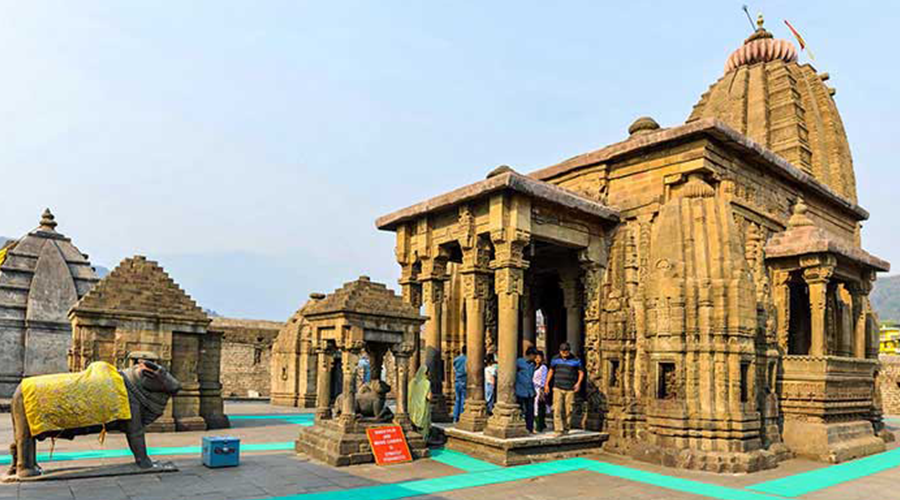
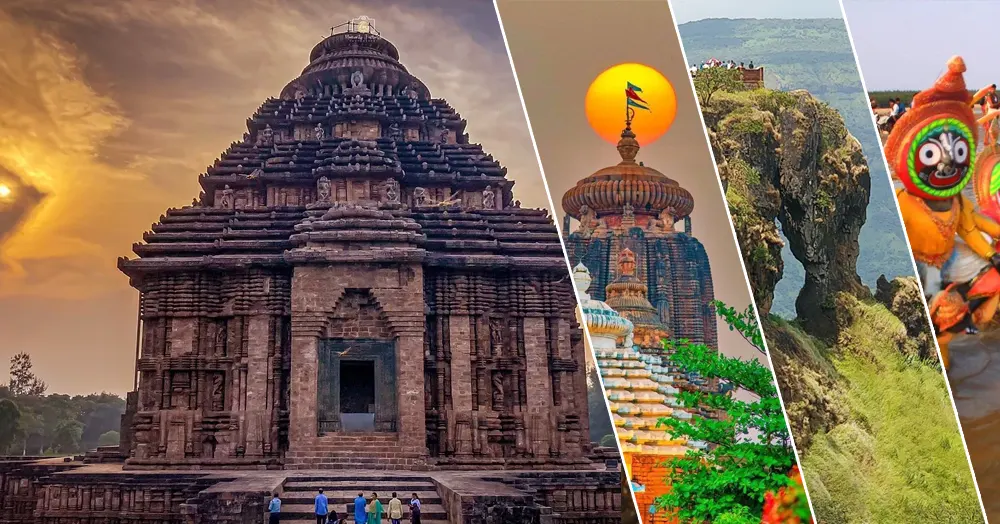
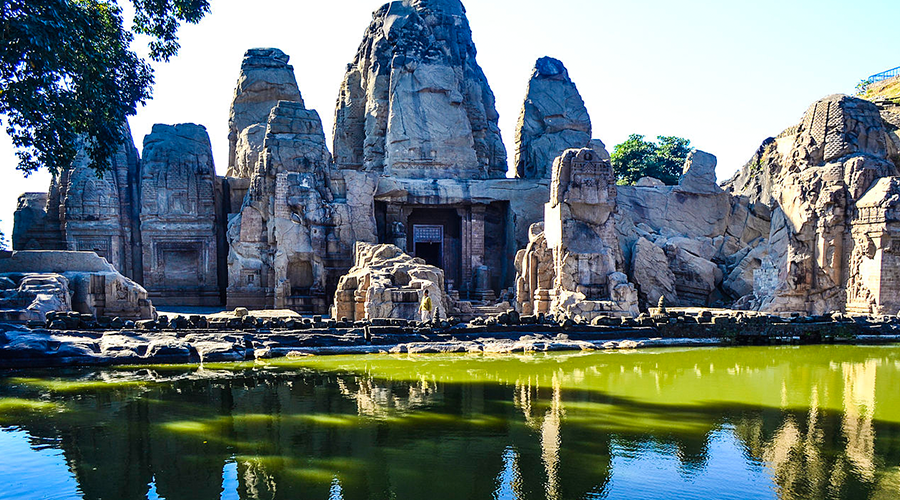
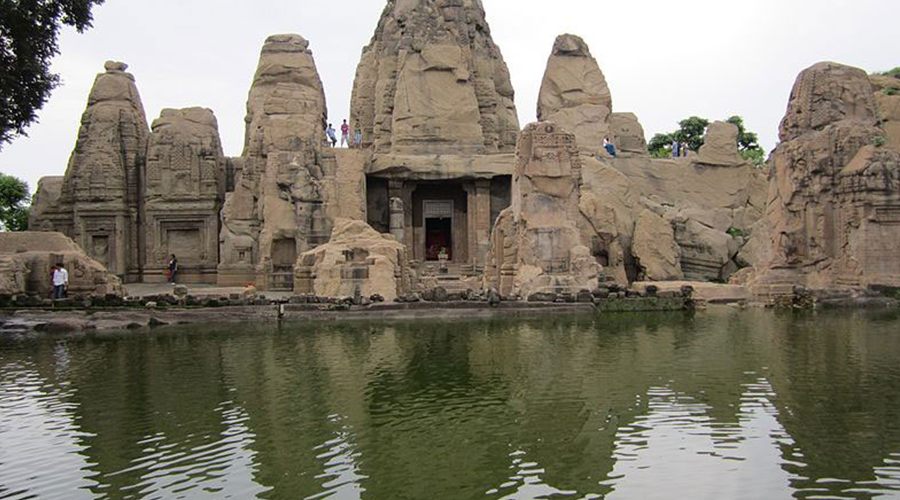
Rock cut temple, more famous by the name of Masrur Temple is an early 8th-century Hindu temple. The architecture of the temple is devoted to various deities like Shiva, Vishnu, Devi, and Saura, the major Hindu gods. The architecture of this temple could never be studied properly due to extensive damage particularly because of earthquakes in the region. The architects say that the temple had a more complex and massive design that could not be completed. Even after being damaged this temple attracts people by its amazing design and interior.
History of Masrur Rock Cut Temple
The origins of the temple date back to the early 8th century under the patronage of local rulers in the Himalayan region. The temple is linked strongly with fascinating folklore:
- According to mythology, Pandavas stayed here during their exile.
- An unfinished staircase inside the temple is believed to be their attempt to reach heaven.
- Indra, fearing easy access to heaven for humans, allegedly disguised himself as a crow and crowed before dawn, halting the construction forever.
Historically, the temple endured massive destruction due to earthquakes, particularly the 1905 Kangra earthquake, leaving several sculptures incomplete and damaged. The Archaeological Survey of India now protects the site for heritage conservation.
Architecture – A Monolithic Marvel
Masrur Rock Cut Temple is one of the rarest architectural wonders in India:
- Also known as the Himalayan Pyramid
- A cluster of 15 temples carved from a single rock
- Located 2,500 ft above sea level
- Designed in Nagara-style Shikhara architecture
- Layout resembles Angkor Wat (Cambodia) and Mahabalipuram temples
Key Highlights:
| Feature | Description |
|---|---|
| Material | Entirely carved from sandstone rock |
| Number of Temples | 15 shrines, with one main central shrine |
| Main Deities | Lord Rama, Lakshmana & Goddess Sita in Sanctum |
| Sculptural Details | Intricate carvings on walls, spires & panels |
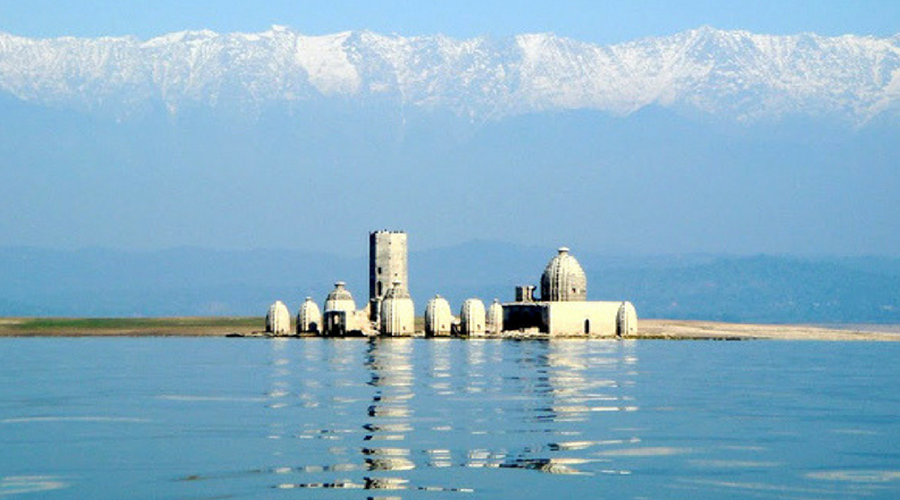
| Reflection View | Beautiful mirrored image in the Masrur Lake nearby |
Originally, evidence suggests that the temple may have been dedicated to Lord Shiva, visible from the sculpture of the deity carved on the central lintel.
Despite partial completion, the temple stands as a stunning example of early Himalayan artistry, preserved against time.
Things to Do at Masrur Rock Cut Temple
| Activity | Experience |
|---|---|
| Heritage & Temple Tour | Explore ancient sculptures and temple complex |
| Photography | Capture the temple’s reflection in Masrur Lake |
| Nature Walks | Peaceful surroundings with mountain views |
| Local Legends Exploration | Learn Pandava mythological tales |
| Meditation & Spiritual Retreat | Calm atmosphere perfect for self-reflection |
Best Time to Visit
| Season | Travel Experience |
|---|---|
| March – June | Clear skies, comfortable sightseeing |
| July – September | Lush greenery but risk of landslides |
| October – February | Pleasant days, cold nights; great for photography |
Ideal Time: March to June & October to November
Travel Tips
- Wear comfortable shoes - uneven steps & slopes in temple complex
- Respect temple customs; photography inside sanctum may be restricted
- Carry water & snacks - limited stalls nearby
- Check local weather, especially during rainy season
- Hire a local guide to understand history and carvings better
Interesting Facts
- One of the only monolithic rock-cut temples in the Northern Himalayas
- Unfinished design indicates plans for a much grander complex
- Often compared to Ajanta & Ellora, but completely different in style
- Temple faces east, aligning perfectly with sunrise
How to Reach Masrur Rock Cut Temple
| Mode | Details |
|---|---|
| By Air | Gaggal Airport (Dharamshala) – 45 km away |
| By Train | Pathankot Railway Station – 90 km away |
| By Road | Well connected from Kangra, Dharamshala & Palampur via taxis/buses |
| Nearest Town | Masrur village – approx. 1 km |
Roads are scenic but may be narrow in some stretches.
Nearby Attractions
Here are some must-visit places located close to Masrur Rock Cut Temple:
- Masroor Lake – A calm and scenic lake reflecting the temple’s architecture beautifully
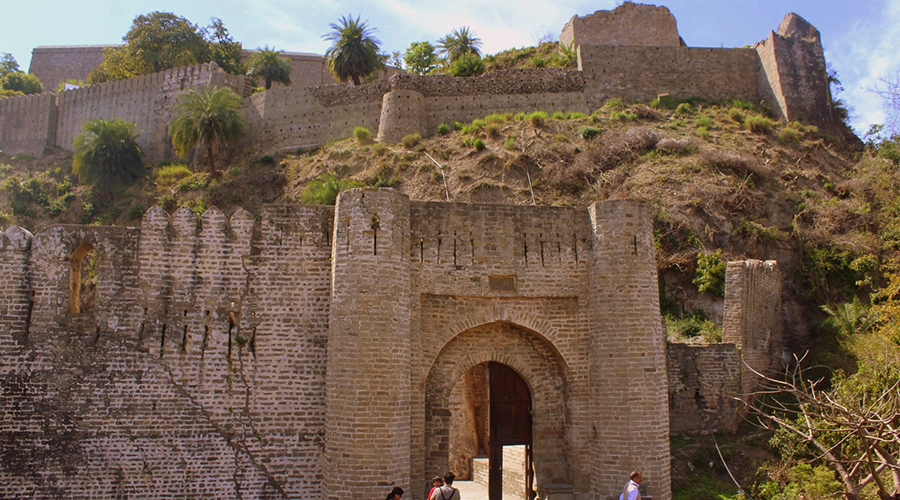
- Kangra Fort (approx. 40 km) – One of India’s oldest forts with deep historical significance
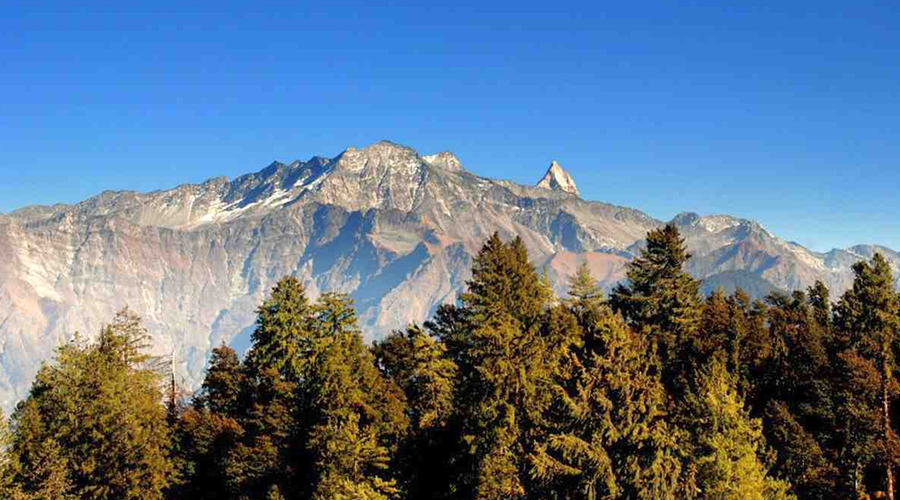
- Indrahar Pass Trek (around 60 km) – A thrilling trek offering stunning views of Dhauladhar ranges
- Dalai Lama Temple Complex, Dharamshala (approx. 55 km) – A peaceful Tibetan monastery and cultural hub
- Kareri Lake (around 65 km) – A serene glacial lake perfect for nature lovers and trekkers
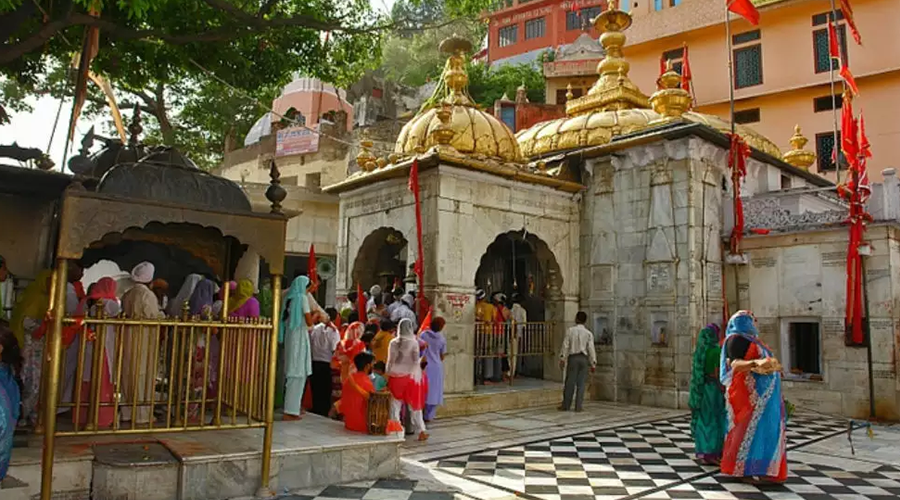
- Maa Jawala Ji Temple (approx. 35 km) – A holy Shakti Peeth dedicated to Goddess Durga
A visit to Masrur Rock Cut Temple is not just about witnessing an ancient marvel, it's an opportunity to explore the surrounding gems of Kangra’s culture, heritage, and nature. Ideal for both spiritual travelers and adventure seekers!
The Masrur Rock Cut Temple is a must-visit heritage destination in Himachal Pradesh, offering a rare glimpse into ancient temple craftsmanship and Hindu mythology. A visit here brings together spirituality, archaeology, and natural beauty, making it a perfect stop for history lovers, pilgrims, and explorers alike.
.webp)