Jwalaji Temple, Himachal Pradesh
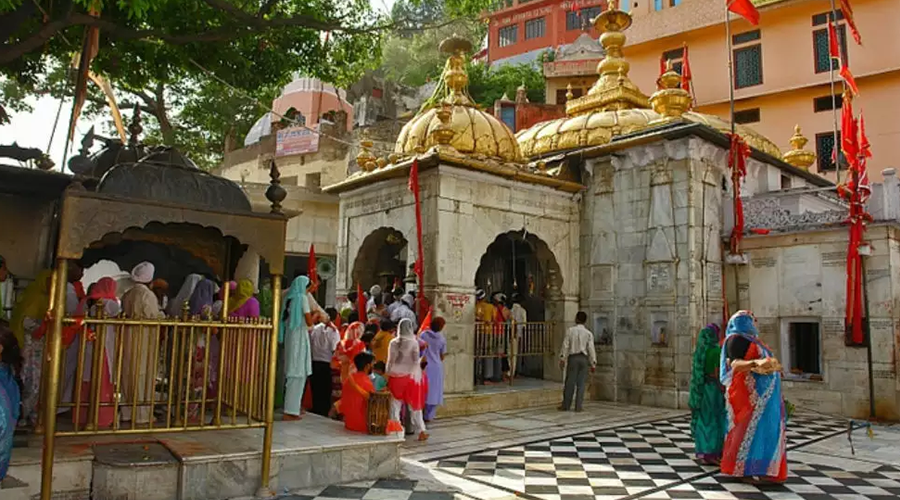
Jwalaji Temple, also known as Jwalamukhi Temple, is one of the most revered Hindu pilgrimage sites in Himachal Pradesh. Located around 34 km from the Kangra Valley, this holy temple is dedicated to Goddess Jwalamukhi, the deity of the eternal flame. Being one of the 51 Shakti Peethas of India, the temple attracts thousands of devotees from across the country throughout the year.
Situated in scenic hills, the temple holds deep spiritual significance as the flame inside the sanctum burns continuously without any fuel source, making it one of the most unique temples in India. Pilgrims visit to seek divine blessings and witness this miraculous flame that symbolizes Shakti — the power of the Goddess.
History of Jwalaji Temple, Himachal Pradesh
The history of Jwalaji Temple is enriched with devotion and legends. According to mythology and spiritual beliefs:
- The temple marks the place where the tongue of Goddess Sati is believed to have fallen, making it a sacred Shakti Peetha.
- The temple houses nine eternal flames, each representing a different form of the Goddess:
Mahakali, Annapurna, Chandi, Hinglaj, Bindhya Basni, Maha Lakshmi, Saraswati, Ambika, and Anji Devi. - A local shepherd is said to have discovered these divine flames initially.
- Recognizing its spiritual significance, Raja Bhumi Chandra, the ruler of the region, constructed the temple.
- Mughal Emperor Akbar visited the temple and tested the flame by attempting to extinguish it with water, but failed - a miracle that boosted the temple’s divinity and prestige.
Inside the shrine, the Garbha Griha has no idol; instead, the natural flames emerging from the rock are worshipped. The shrine of Baba Gorakhnath is located above the main temple, signifying another important spiritual connection.
Architecture of Jwalaji Temple, Himachal
The temple showcases traditional Hindu architectural elements:
- Dome-shaped structure adorned with golden-plated embellishments
- Intricate carvings and holy inscriptions
- Large courtyard for rituals and gatherings
- Sacred fire pits (Kundas) where the flames appear
Festivals transform the temple into a vibrant cultural and devotional center.
Best Time to Visit
The temple is open all year round, but the most vibrant time to visit is during:
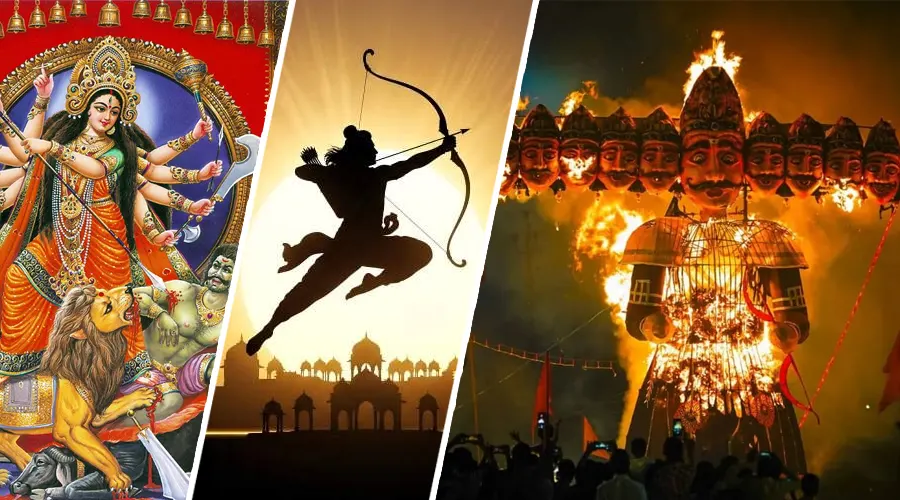
- Navratri Festival (celebrated twice a year)
The temple comes alive with special rituals, cultural performances, and a massive influx of devotees.
Pleasant weather from October to April also offers a comfortable travel experience.
Travel Tips
- Avoid peak hours during festivals if you prefer calm darshan.
- Stay hydrated and wear comfortable footwear as walking may be required.
- Photography restrictions may apply inside sanctum areas.
- Book accommodations in advance during Navratri due to crowds.
Nearby Attractions
While visiting the temple, travelers can explore other nearby spiritual and scenic sites:
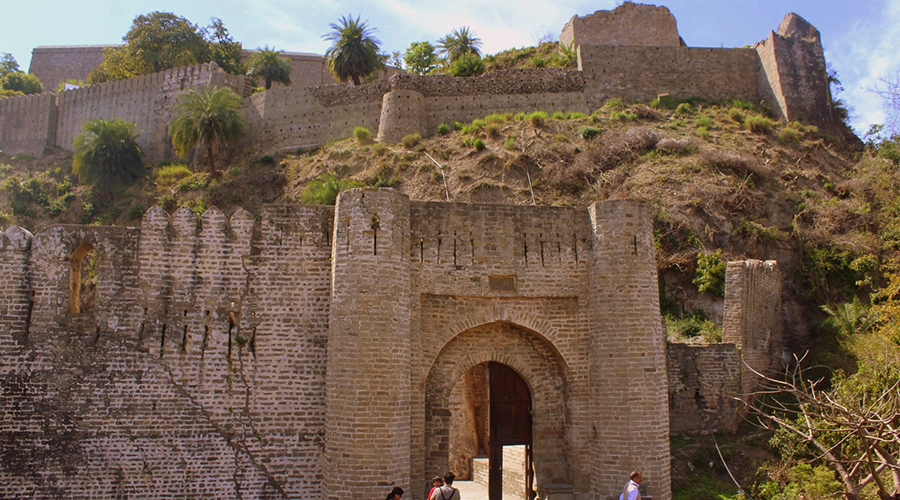
- Kangra Fort
- Chamunda Devi Temple
- Brajeshwari Devi Temple, Kangra
- Dharamshala & McLeodganj
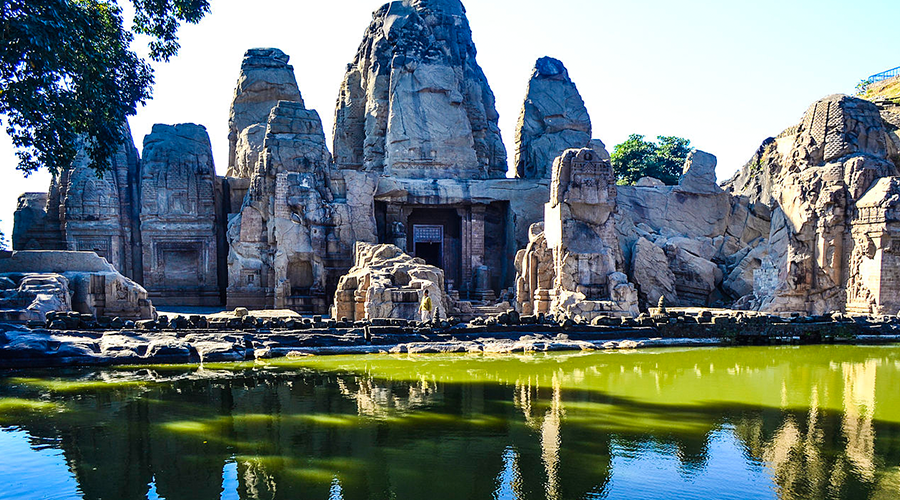
- Masroor Rock Cut Temple
These attractions enhance the spiritual and cultural experience of the journey.
How to Reach Jwalaji Temple
Reaching the temple is convenient through well-connected road and rail routes.
- Nearest Railway Stations:
- Una Railway Station – approx. 60 km
- Hoshiarpur Railway Station – approx. 75 km
Buses, taxis, and shared travel options are readily available from both stations.
- By Road:
You can reach the temple via Kangra, Dharamshala, or other nearby towns by private car or public transport.
Quick Facts about Jwalaji Temple, Himachal Pradesh
| Feature | Information |
|---|---|
| Deity | Goddess Jwalamukhi (Flaming Goddess) |
| Location | Kangra district, Himachal Pradesh |
| Significance | One of the 51 Shakti Peethas |
| Temple Highlight | Eternal natural flames worshipped as the Goddess |
Jwalaji Temple is not just a place of worship, but a divine experience of spiritual miracles, history, and unwavering faith. The eternal flames make it one of the most extraordinary temples in the world, attracting devotees seeking blessings, peace, and devotion at the sacred Shakti Peetha of Kangra.
.webp)