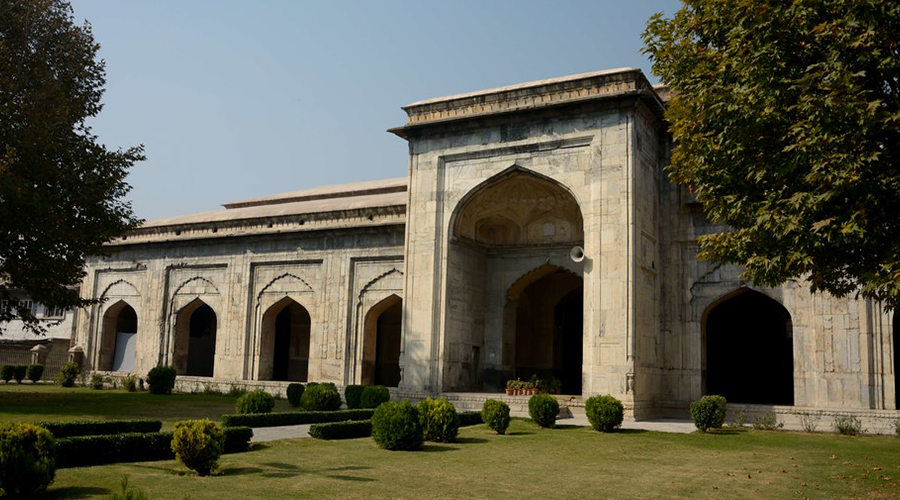
Pathar Masjid, Jammu And Kashmir
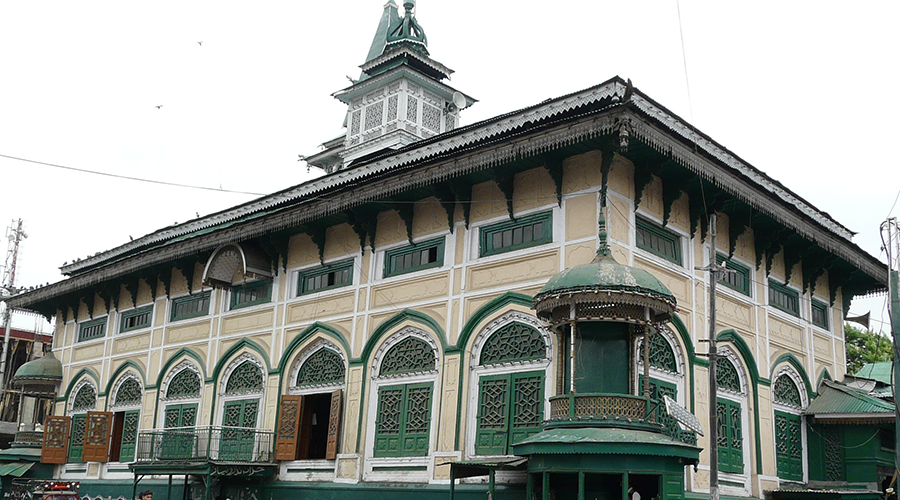
Pathar Masjid is one of the most unique and lesser-known historical monuments in Srinagar, Jammu and Kashmir. Located near the beautiful Jhelum River, this mosque stands apart from most religious structures in the Kashmir Valley because it is built entirely of stone rather than wood. The word “Pathar” means stone in the local language, and “Masjid” means mosque, making the name literally translate to Stone Mosque.
With its elegant Mughal architecture, fluted minarets, and sculpted stone pillars, Pathar Masjid is a quiet yet graceful reminder of the Mughal era in Kashmir. Unlike crowded tourist places, this monument offers calm surroundings, making it perfect for visitors who enjoy history, heritage, and peaceful exploration.
History of Pathar Masjid
Pathar Masjid was built in 1623 AD by Mughal Empress Nur Jahan, the powerful wife of Emperor Jahangir. It is believed she personally commissioned the mosque as an architectural masterpiece during the Mughal reign in Kashmir.
Interestingly, most mosques in Kashmir were traditionally constructed using wood due to frequent earthquakes and climate conditions. However, Nur Jahan chose grey limestone for this mosque, which was easily available locally and did not require transport from distant regions like marble.
A famous legend is associated with this monument. When questioned about the cost of building such an impressive structure, Nur Jahan allegedly pointed to her jewel-covered footwear and said, “As much as that.” Religious leaders of that time considered the statement disrespectful and declared the mosque unsuitable for prayer. As a result, the mosque was left unused for religious purposes.
Another belief suggests the mosque was abandoned because it followed Mughal architectural style rather than Kashmiri tradition, which caused objections among local scholars.
Today, Pathar Masjid remains a silent stone witness to royal ambition, religious sensitivity, and the complexity of Mughal-era politics.
Architecture of Pathar Masjid
Pathar Masjid is an architectural beauty with remarkable symmetry and simplicity. Constructed in Mughal style, its structure reflects artistic finesse combined with royal vision.
Key Architectural Features:
- Made completely from grey limestone
- Fluted stone minarets fixed into the backside wall
- Stone pillars decorated with carved floral patterns
- Flat roof supported by symmetrical pillars
- Central Qibla wall facing Mecca
- Two arched Quranic niches with inscriptions
- Spacious inner prayer hall area
- Traditional Mughal-style arches and windows
Unlike wooden mosques of Kashmir, the stone-built design gives the mosque a monumental and royal look, more similar to Mughal mosques of North India.
Best Time to Visit Pathar Masjid
- March to October – Pleasant weather, perfect for sightseeing
- April to June – Ideal for photography and heritage walks
- Winter months – Snow adds charm but visits may be tough due to cold
Entry Fee & Timings
- Entry Fee: Free
- Visiting Hours: Open during daylight hours
- Prayer Activity: Not in use as active mosque
- Photography: Allowed
Nearby Attractions
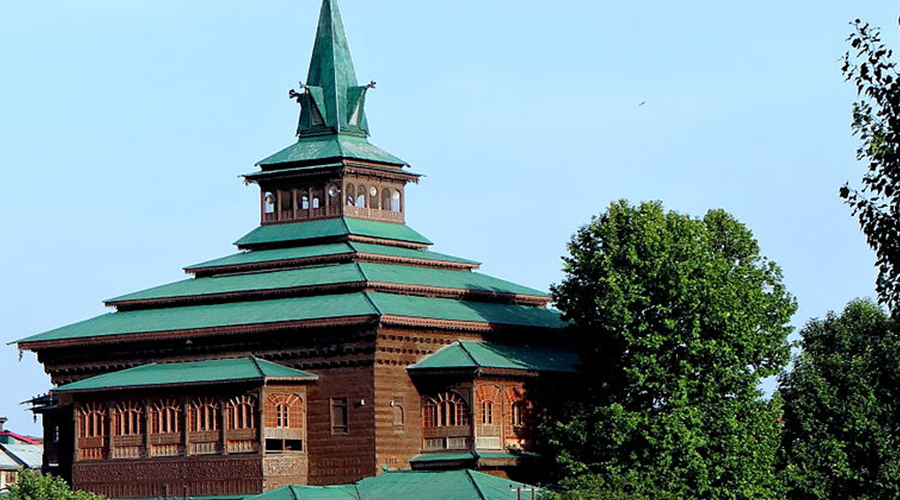
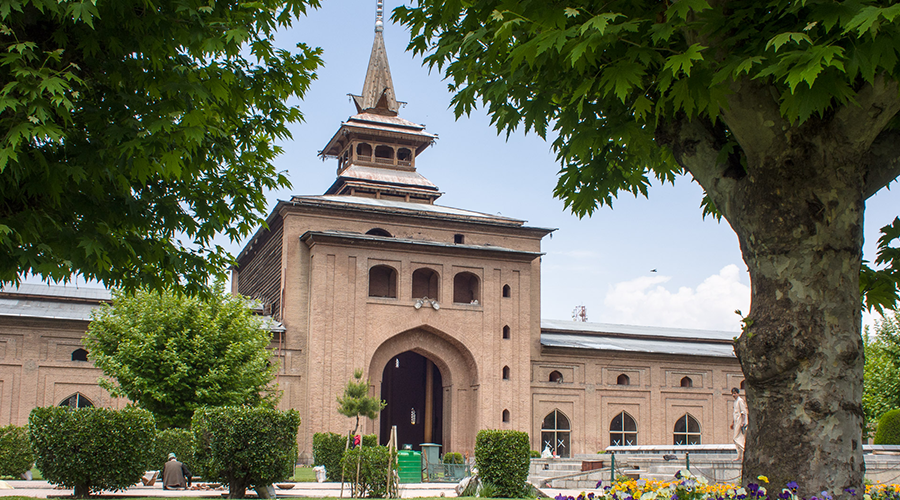
- Jama Masjid Srinagar – Beautiful wooden mosque
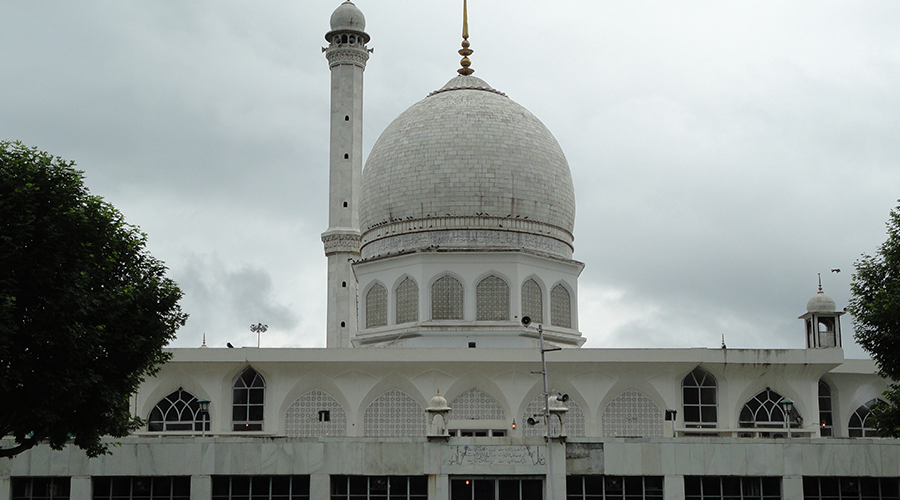
- Hazratbal Shrine – Sacred site housing Prophet’s relic
- Dal Lake – Famous shikara rides
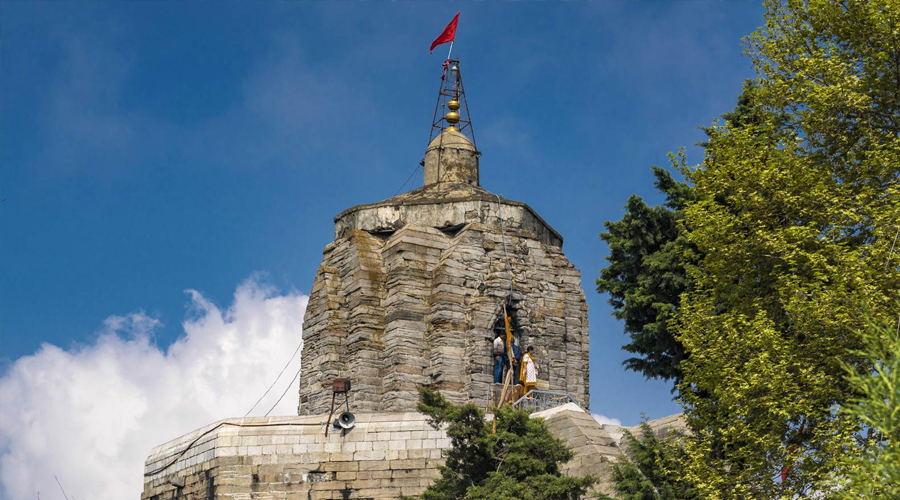
- Shankaracharya Temple – Hilltop shrine with views
- Nishat Bagh & Shalimar Bagh – Mughal gardens
- Lal Chowk Market – Shopping center
- Nehru Park – Lakeside walks and sunset views
Travel Tips
- Visit early morning or late afternoon for peaceful exploration
- Combine visit with temples and lakes nearby
- Wear modest clothing
- Carry light snacks and water
- Best visited with local heritage walk routes
- Avoid visiting late evening
Why You Should Visit Pathar Masjid
- Rare stone-built mosque in Kashmir
- Commissioned by Mughal Empress Nur Jahan
- Blend of architecture, legend & history
- Quiet spiritual atmosphere
- Ideal heritage photography spot
- Unique insight into Mughal influence in the Valley
Quick Facts about Pathar Masjid
| Feature | Details |
|---|---|
| Name | Pathar Masjid |
| Location | Srinagar, Jammu and Kashmir |
| Built By | Empress Nur Jahan |
| Year of Construction | 1623 AD |
| Architectural Style | Mughal Architecture |
| Primary Material | Grey Limestone (Stone) |
| Special Feature | Stone-built mosque (rare in Kashmir) |
| Religious Status | Not active for prayers |
| Famous For | Unique stone structure & Mughal design |
| Entry Fee | Free |
| Visiting Hours | Daytime |
| Best Time to Visit | March to October |
| Nearby River | Jhelum River |
| Nearest Airport | Srinagar International Airport |
| Nearest Railway Station | Jammu Tawi |
| Photography | Allowed |
| Distance from Dal Lake | Approx. 5 km |
| District | Srinagar District |
How to Reach Pathar Masjid
By Air
Nearest airport: Srinagar Airport (15 km)
By Train
Nearest station: Jammu Tawi (270 km)
By Road
Easily accessible from Baramulla Road and local Srinagar routes by taxi or auto.
Pathar Masjid stands as a silent yet powerful monument of Mughal legacy in Kashmir. Built with stone, emotion, ambition and controversy, this mosque symbolizes artistic excellence and historical complexity. If you are exploring Srinagar beyond Dal Lake and gardens, Pathar Masjid offers a meaningful journey into Kashmir’s past where faith, royalty, and architecture intersect beautifully