Amar Mahal Palace, Jammu And Kashmir
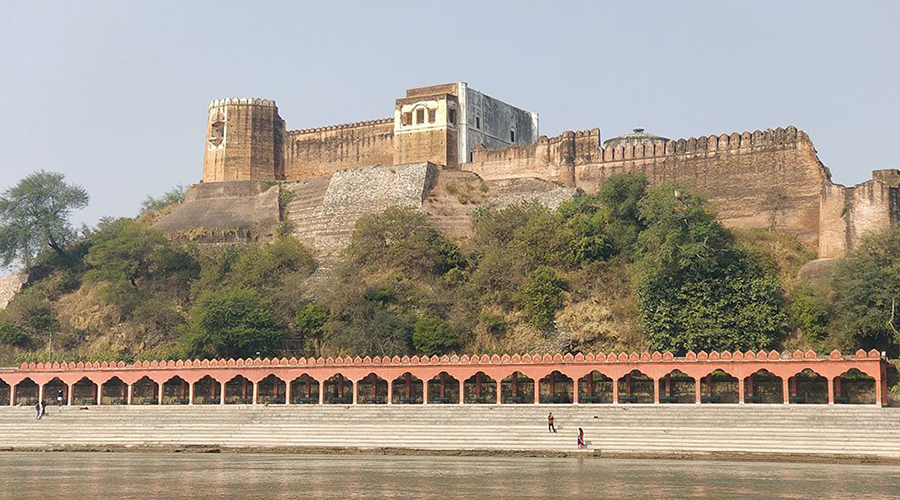
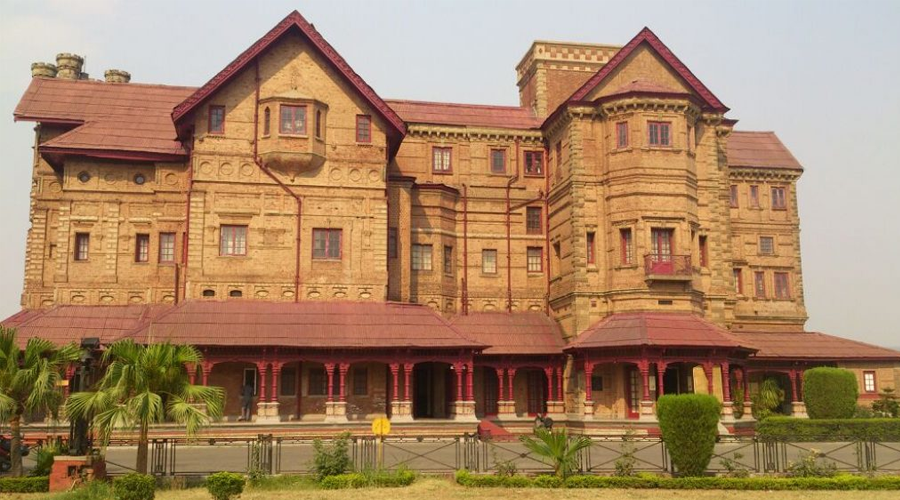
The Amar Mahal Palace is one of the most elegant heritage attractions of Jammu, standing proudly on a hill above the Tawi River. Built like a European château, this red-sandstone palace carries the regal charm of the Dogra dynasty and offers a rare blend of European architecture with royal Indian history.
Once the residence of Raja Amar Singh, this palace has now been transformed into a museum that preserves precious artifacts, paintings, books, and royal belongings. With sweeping views of the river and mountains, Amar Mahal Palace is not just a historic site but also one of the finest cultural landmarks of Jammu.
History of Amar Mahal Palace
Amar Mahal Palace was originally built as the royal residence of Raja Amar Singh, a Dogra ruler of Jammu & Kashmir.
The palace remained the residence of the royal family until 1967, when Maharani Tara Devi passed away. After her death, her son Dr. Karan Singh and daughter-in-law Maharani Yasho Rajya Lakshmi converted the palace into a heritage museum.
Dr. Karan Singh donated his Privy Purse (royal government allowance) to establish the museum for cultural development and art promotion. The palace was officially opened as a museum in 1975 by Prime Minister Indira Gandhi.
Today, it is managed by the Hari-Tara Charitable Trust, which organizes exhibitions, lectures, guided tours, film screenings, and events for promoting Indian art and culture.
Architecture of Amar Mahal Palace
Amar Mahal Palace is architecturally inspired by a French château and constructed using red sandstone.
Architectural Highlights:
- Built on a raised hill overlooking River Tawi
- Constructed from red bricks and red sandstone
- Long rectangular corridors
- Sloping tin roof design
- French windows on the first floor
- Bay windows on the upper floor
- Greek-style triangular pediments
- Wooden pillar-supported verandas
- Wide balconies and internal courtyards
The entire building reflects grandeur and refined aesthetics uncommon in Jammu architecture.
Major Attractions Inside Amar Mahal Palace
- Golden Throne (120 kg pure gold)
- Royal portraits and oil paintings
- Dogra-era artifacts
- Antique furniture
- Ancient manuscripts
- Rare books collection (25,000+ books)
- Personal belongings of Dogra rulers
- Balcony views over Tawi River
- Cultural event halls
Best Time to Visit Amar Mahal Palace
October to March – Pleasant weather
April to June – Warm but manageable
Peak summer afternoons – Avoid
Entry Fee & Timings
- Timings: 10:00 AM – 5:00 PM
- Closed on: Monday
- Entry Fee: Nominal charge
- Photography: Allowed (with restrictions)
- Time Required: 1–2 hours
Nearby Attractions with Distance
| Attraction | Distance | One-liner |
|---|---|---|
| Mubarak Mandi Palace | 2 km | Royal Dogra residence |
| Bahu Fort | 3.5 km | Kali temple & Tawi views |
| Raghunath Temple | 2 km | Biggest temple complex |
| Bagh-e-Bahu Garden | 4 km | Mughal-style layout |
| Peer Kho Cave | 3 km | Ancient temple cave |
| Jammu Bazaar | 2 km | Shopping & local food |
How to Reach Amar Mahal Palace
By Air
Nearest Airport: Jammu Airport – 8 km
By Rail
Nearest Railway Station: Jammu Tawi – 4 km
By Road
Located on Jammu–Srinagar highway, easily accessible by cab and bus.
Why You Should Visit Amar Mahal Palace
- Rare European architecture in Jammu
- Royal museum experience
- Unique golden throne display
- Cultural and educational attraction
- Stunning river views
- Ideal heritage destination
- Art exhibitions & literary events
Quick Facts About Amar Mahal Palace
| Fact | Details |
|---|---|
| Location | Jammu, Jammu & Kashmir |
| District | Jammu District |
| Built By | Raja Amar Singh |
| Converted to Museum | 1975 |
| Architecture Style | French Château |
| Main Highlight | 120 kg golden throne |
| Trust Managing | Hari-Tara Charitable Trust |
| Library Books | 25,000+ |
| Entry Fee | Nominal |
| Photography | Restricted |
| Nearest Railway | Jammu Tawi |
| Best Visit Time | Oct–Mar |
Travel Tips for Visiting Amar Mahal Palace, Jammu
- Arrive early in the morning to avoid crowds and enjoy peaceful views of the Tawi River.
- Wear comfortable footwear as the palace has stone floors and corridors that require walking.
- Avoid Mondays since the museum is closed on that day.
- Carry valid ID if required for entry or camera permissions.
- Follow photography rules because photos are restricted inside certain galleries.
- Spend time in the library section if you love history and old manuscripts.
- Hire a local guide to better understand royal artifacts and heritage stories.
- Visit during winter months (Oct–Mar) for pleasant weather and clearer views.
- Combine your trip with nearby attractions like Mubarak Mandi Palace and Bahu Fort for a full heritage tour.
- Carry water and sunscreen in warmer months as the hilltop location gets sunny.
- Do not touch artifacts to preserve museum items properly.
- Try local Dogra cuisine after your visit at nearby restaurants in Jammu city.
- Check event schedules as cultural programs and exhibitions are sometimes organized.
- Plan evening photography outside to capture sunset scenic shots from the hilltop.
Amar Mahal Palace is where royal elegance meets cultural legacy. From the priceless golden throne to serene river views, every corner of this palace narrates stories of Jammu’s regal past. A visit here is not just sightseeing, it’s a journey through heritage, art, and history.