Bahu Fort, Jammu And Kashmir
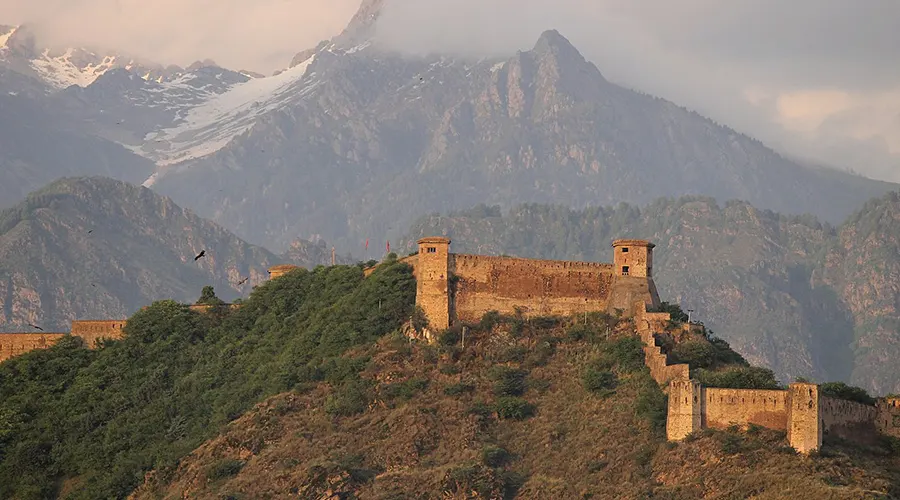
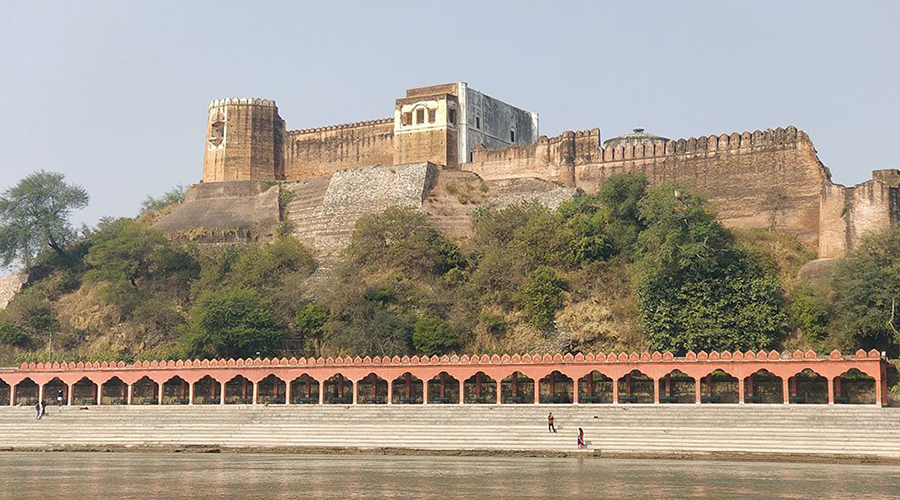
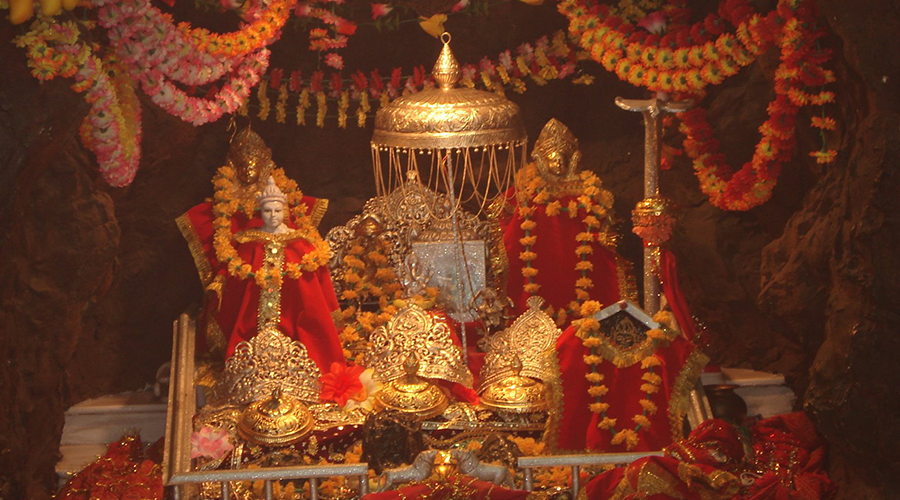
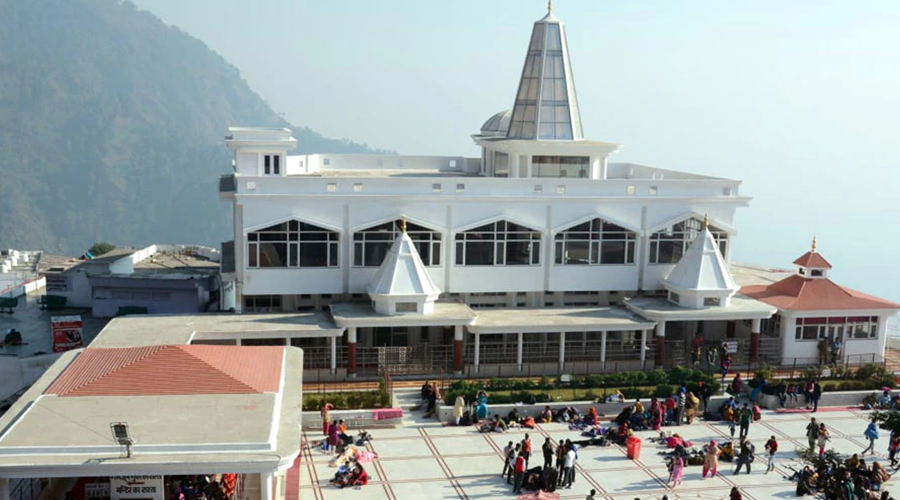
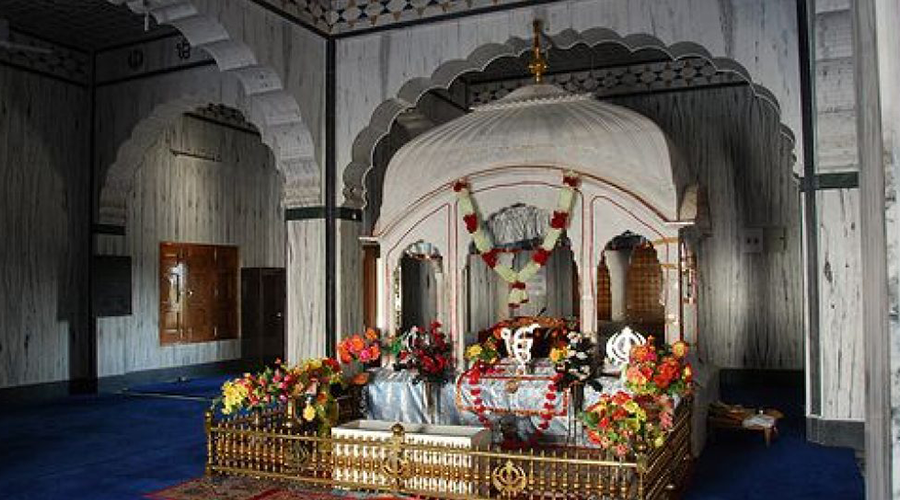
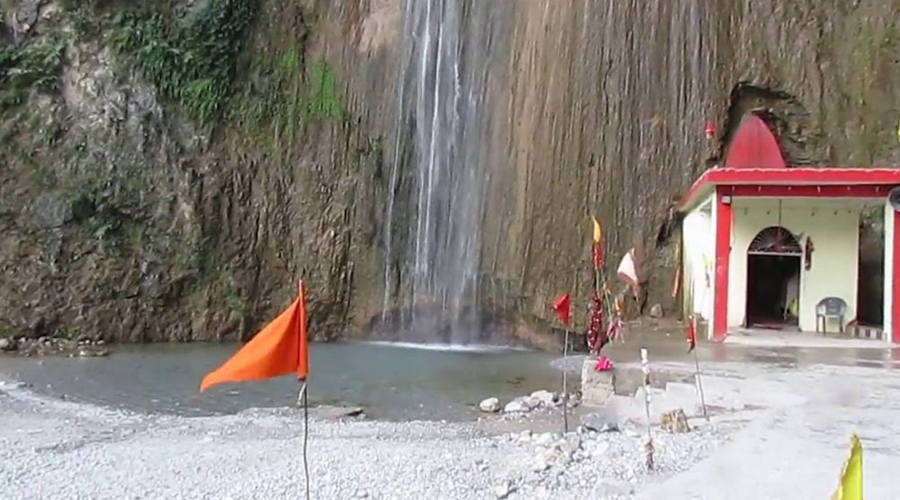
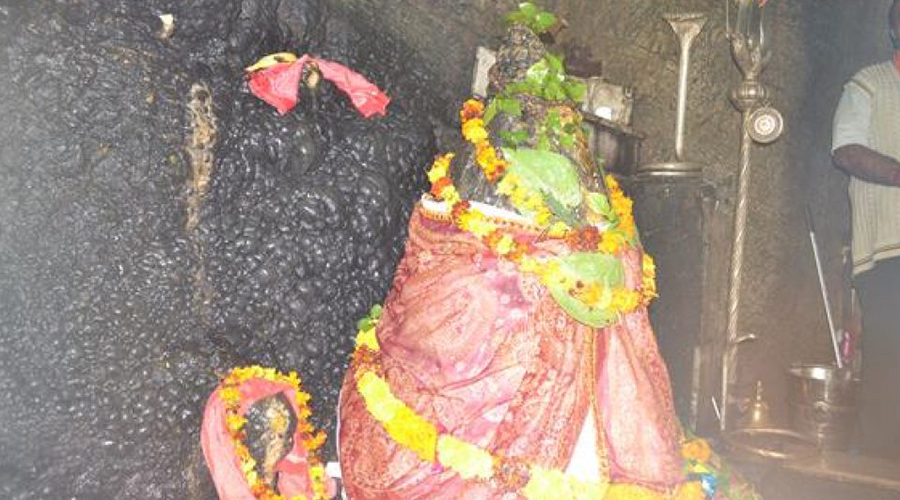
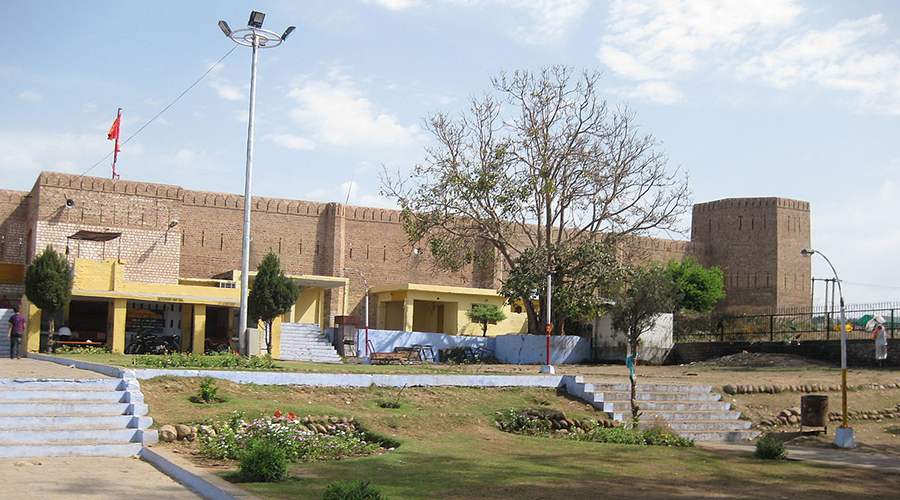
The Bahu Fort is one of the oldest and most sacred landmarks in Jammu, standing tall on the banks of the Tawi River. Dating back nearly 3,000 years, this fort is not just a historic monument but also a spiritual hub, home to the revered Bawey Wali Mata Temple dedicated to Goddess Kali, the presiding deity of the city.
Perched high above the city, Bahu Fort offers mesmerizing views of Jammu and remains one of the most visited sites by pilgrims and tourists alike. Blending faith, history, architecture, and natural beauty, the fort continues to be the pride of Jammu’s heritage.
History of Bahu Fort
According to historical records, Bahu Fort was founded by Raja Bahu Lochan, the eldest son of King Agnigarbha II of the Suryavanshi dynasty. He is also credited with the establishment of Jammu city itself.
The fort was later rebuilt in 1585 AD by Raja Autar Singh, the grandson of King Kapoor Dev, on the same site. Over centuries, several rulers renovated and upgraded the structure.
The present structure we see today was largely constructed during the 19th century by Maharaja Gulab Singh, founder of the Dogra dynasty. Minor architectural changes were made by his successor Maharaja Ranbir Singh.
Thus, Bahu Fort carries influences of ancient Indian kingdoms, Mughal architecture, and Dogra craftsmanship.
Architecture of Bahu Fort
Bahu Fort stands at a height of 325 meters above the city and commands an impressive view of Jammu.
Architectural Highlights:
- Built with high-quality sandstone
- Mughal architectural influence
- Eight octagonal watchtowers
- Intricate floral carvings
- Massive elephant-sized entrance gate
- Secret tunnels and underground chambers
- Underground prison cell
- Weapon storage chamber beneath pyramidal structure
- 15-feet deep reservoir inside
- Royal stables
- Artificial lake and boating area
- Cable car connectivity
- Tawi river overlook
The fort is surrounded by lush greenery and fortified with thick defensive walls.
Major Attractions Inside Bahu Fort
- Bawey Wali Mata Temple
- Ancient underground prison
- Royal stables
- Artificial pond & lake
- Secret exit passages
- Watch towers
- Terrace viewpoints
- Cable car ride
- Bagh-e-Bahu Aquarium
- Mughal-style gardens
Best Time to Visit Bahu Fort
March to October – Best weather
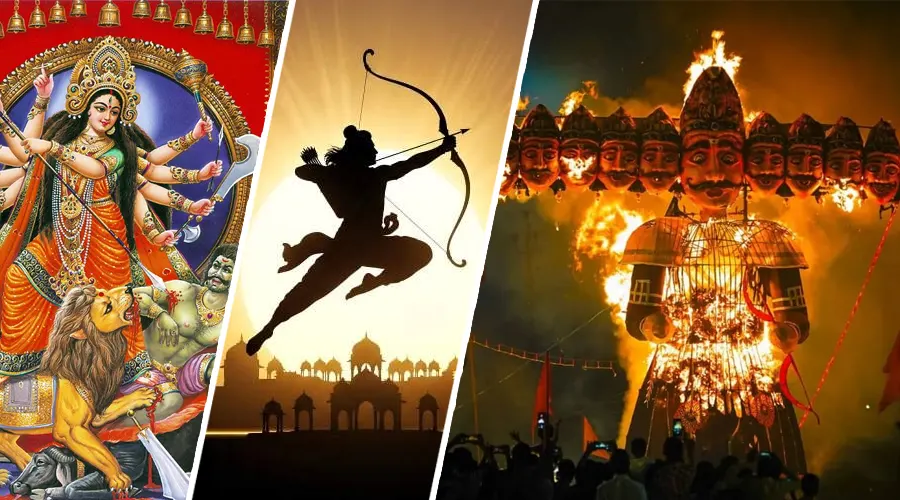
Navratri festival – Best religious experience
Peak summer afternoons – Avoid for comfort
Entry Fee & Timings
- Fort Entry: Free
- Temple Time: Early morning to evening
- Bagh-e-Bahu Garden: Nominal entry
- Aquarium: Separate charges apply
- Photography: Allowed
- Cable Car: Ticketed ride
Nearby Attractions with Distance
| Attraction | Distance | One-liner |
|---|---|---|
| Bagh-e-Bahu Garden | Walking | Mughal-style terraces |
| Tawi River Front | 1 km | Scenic river views |
| Mubarak Mandi Palace | 2 km | Royal Dogra residence |
| Mahamaya Temple | 3 km | Hilltop shrine |
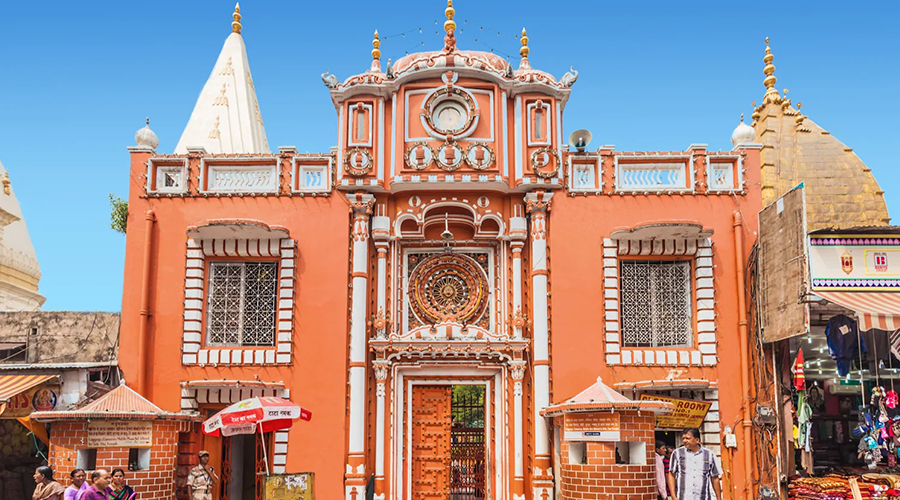
| Raghunath Temple | 3.5 km | Largest temple complex |
| Peer Kho Cave | 4 km | Historic cave temple |
Travel Tips for Visiting Bahu Fort
- Visit early morning or evening for pleasant weather and fewer crowds.
- Wear comfortable footwear as you’ll walk on stone steps and rocky paths.
- Carry water bottles, especially in summer.
- During Navratri, expect large crowds and plan extra time.
- Respect temple customs and dress modestly.
- Use the cable car for a scenic experience and easy access.
- Visit Bagh-e-Bahu Garden after sunset for city lights view.
- Keep some cash for local shops and temple offerings.
- Avoid afternoons in peak summers due to heat exposure.
- Photography is allowed, but avoid inside sacred areas without permission.
How to Reach Bahu Fort
By Air
Nearest Airport: Jammu Airport – 8 km
By Rail
Nearest Railhead: Jammu Tawi Station – 5 km
By Road
Well connected by taxis and city buses from all parts of Jammu.
Why You Should Visit Bahu Fort
- Oldest fort in Jammu
- Sacred Kali Temple
- Panoramic city view
- Historic dogra monument
- Mughal influence
- Ideal pilgrimage + heritage site
- Family-friendly attraction
Quick Facts About Bahu Fort
| Fact | Details |
|---|---|
| Location | Jammu, Jammu & Kashmir |
| District | Jammu District |
| Built By | Raja Bahu Lochan |
| Age | Approx. 3000 years |
| Dynasty | Suryavanshi |
| Future Developers | Dogra rulers |
| Height | 325 meters |
| Architectural Style | Mughal and Dogra |
| Main Temple | Bawey Wali Mata |
| Famous For | Religion & architecture |
| Entry Fee | Free |
| Nearby Garden | Bagh-e-Bahu |
| Best Season | March to October |
Bahu Fort is not just stone and walls, it is the heart of Jammu’s spirituality and history. With ancient legends, religious devotion, royal architecture, and scenic views of the Tawi River, a visit to Bahu Fort offers peace, pride, and perspective in one unforgettable experience.