Achabal Wildlife Sanctuary, Jammu And Kashmir
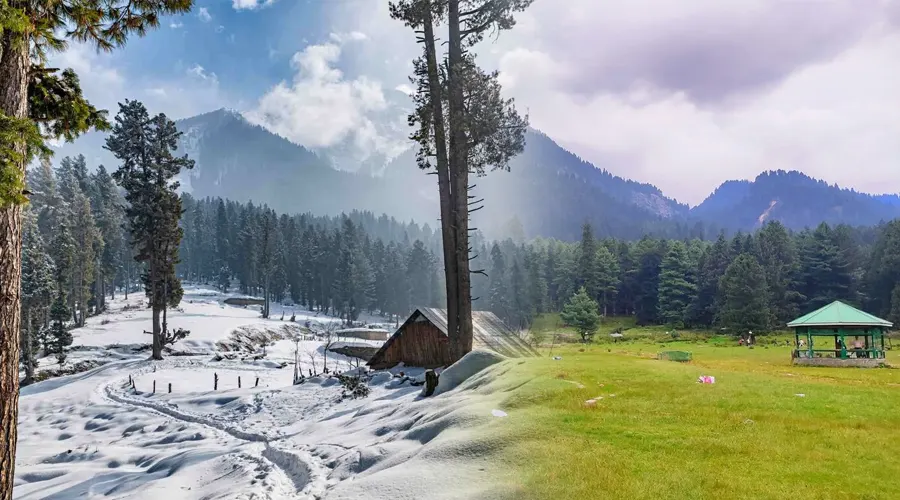
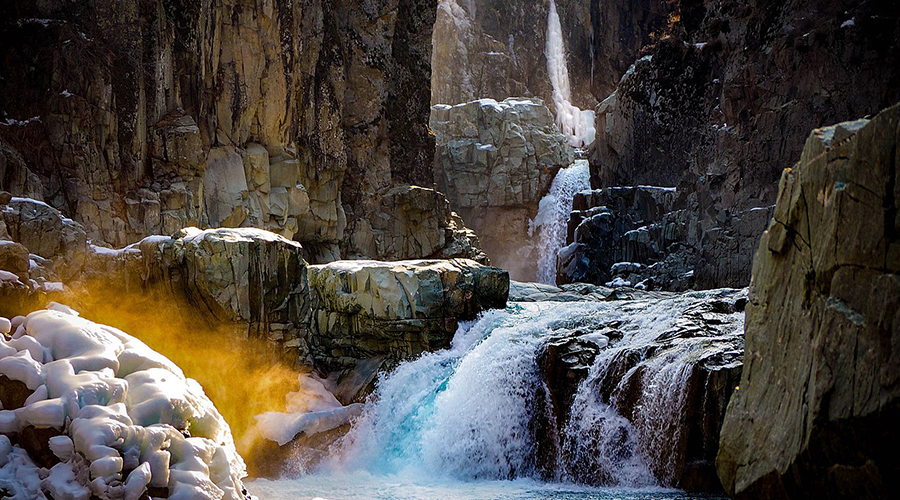
Nestled in the picturesque Anantnag district of Jammu and Kashmir, Achabal Wildlife Sanctuary is a serene haven for wildlife lovers and nature explorers. Located around 60 km from Srinagar, this protected forest area spreads over lush green slopes of the Pir Panjal range and offers a refreshing escape into Kashmir’s untouched wilderness. The sanctuary is known for its peaceful atmosphere, scenic forest trails, chirping birds, and glimpses of rare mountain wildlife.
With its dense vegetation, alpine terrain, and cool climate, Achabal Wildlife Sanctuary is ideal for travelers seeking quiet nature walks, wildlife photography, and bird watching. It is also an excellent addition to your Kashmir itinerary if you wish to explore something beyond the valleys and lakes.
History of Achabal Wildlife Sanctuary
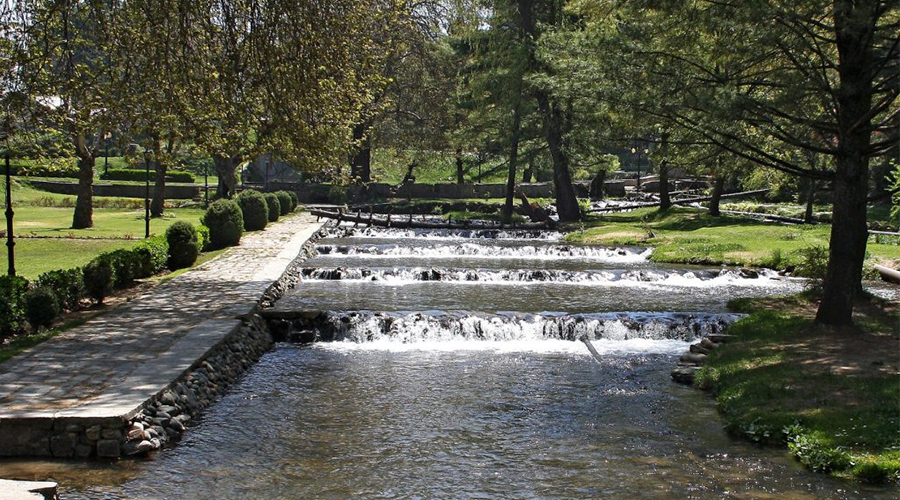
Achabal Wildlife Sanctuary holds an important place not just in terms of biodiversity but also in Kashmir’s cultural and historical landscape. The sanctuary is located near the historic Achabal Garden, a Mughal-era garden built by Empress Noor Jahan in the 17th century. Over the years, the forests surrounding this region remained untouched due to royal protection, which naturally preserved its wildlife and vegetation.
Earlier, the area around Achabal was used as a royal hunting ground by Mughal rulers. However, with growing awareness of wildlife conservation, the government later declared this forest region as a protected wildlife sanctuary to safeguard endangered species such as the Hangul (Kashmiri stag) and Himalayan black bear.
With time, Achabal transformed from a royal leisure zone into a conservation hub. Strict regulations were introduced to prevent illegal hunting and deforestation. Today, the sanctuary stands as a symbol of Kashmir’s ecological heritage and plays an essential role in preserving rare Himalayan species
About Achabal Wildlife Sanctuary
Achabal Wildlife Sanctuary covers an area of approximately 50 hectares and lies near the famous Achabal Mughal Garden. The sanctuary supports a diverse habitat with thick forest cover, freshwater streams, and grazing lands, making it suitable for a wide range of species belonging to the Himalayan ecosystem.
The environment here supports both resident and migratory birds, as well as several mammals that thrive in temperate forest conditions. The sanctuary represents a rich mix of biodiversity and is conservation-focused to protect endangered species of the region.
Wildlife and Biodiversity
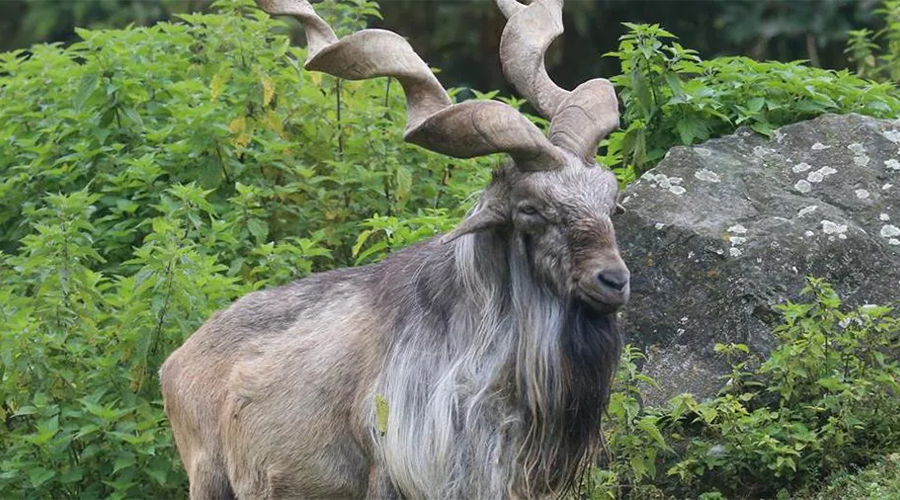
Achabal Wildlife Sanctuary is home to several rare and endangered species, making it an ecological treasure of South Kashmir.
Mammals Found Here
Some of the notable mammals you may spot include:
- Snow Leopard (rare sightings)
- Kashmiri Stag (Hangul – endangered species)
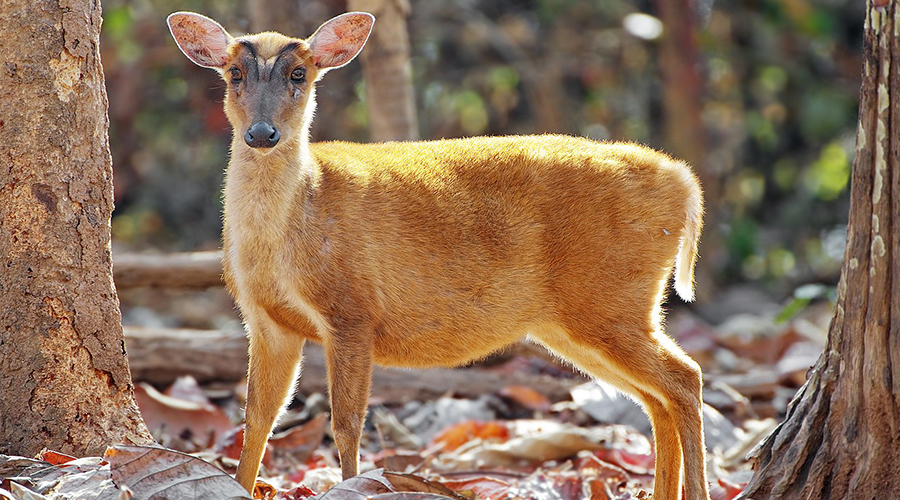
- Barking Deer
- Himalayan Brown Bear
- Himalayan Marmot
- Rhesus Macaque
- Jackal
- Leopard
Bird Species
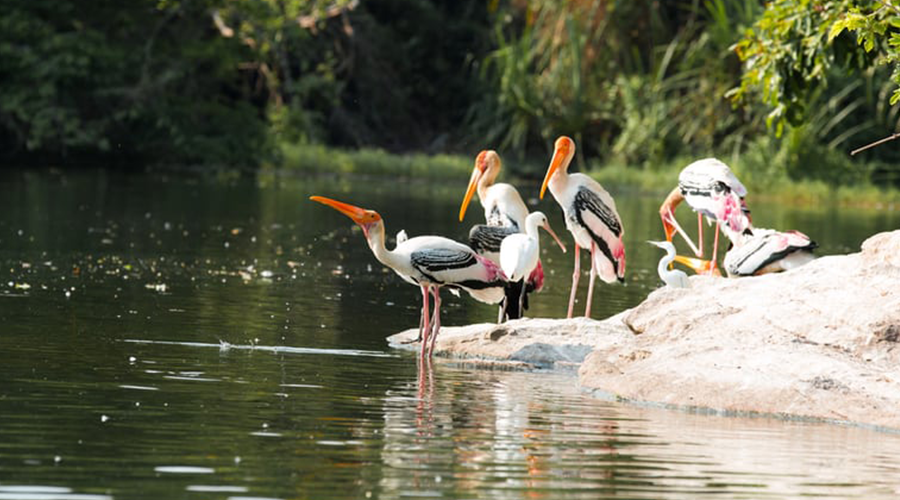
Bird watchers will find the sanctuary particularly rewarding. Some commonly found birds are:
- Himalayan Monal
- Kashmir Flycatcher
- Himalayan Woodpecker
- Red Junglefowl
- Golden Oriole
- Rock Pigeon
- Laughing Dove
The area becomes livelier in spring when migratory birds arrive from Central Asia and surrounding Himalayan regions.
Best Time to Visit Achabal Wildlife Sanctuary
The sanctuary remains open throughout the year, but the ideal time to visit depends on your purpose:
- March to May: Best for birdwatching and flower blooms
- June to September: Lush greenery and pleasant weather
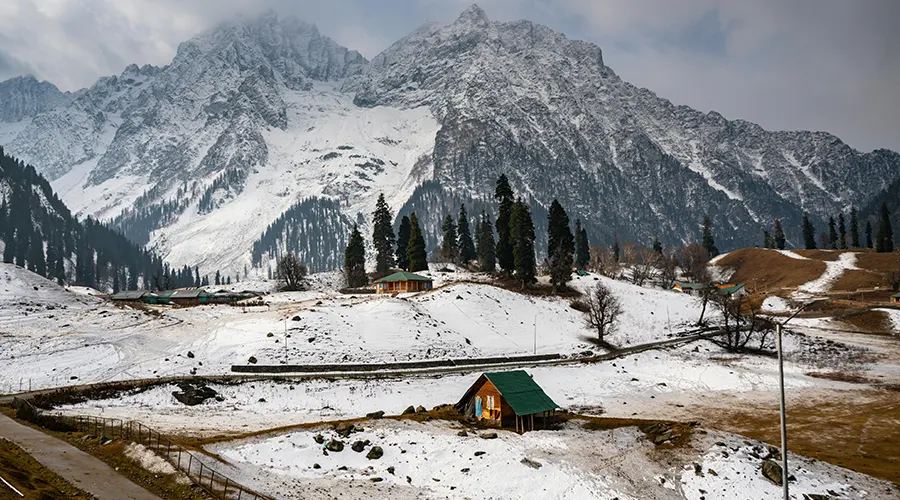
- October to February: Cold weather, ideal for those who enjoy winter landscapes
Avoid visiting during heavy snowfall as accessibility can become limited.
Nearby Attractions with Distance
| Attraction | Distance | Description |
|---|---|---|
| Achabal Mughal Garden | 2 km | 17th-century Mughal garden |
| Verinag Spring | 30 km | Source of River Jhelum |
| Pahalgam | 45 km | Hill station and trekking base |
| Kokernag Garden | 22 km | Famous spring garden |
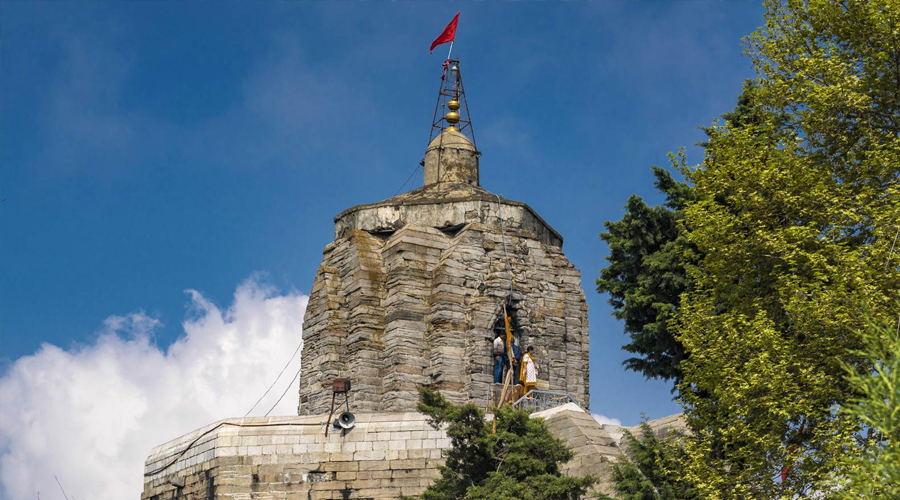
| Martand Sun Temple | 10 km | Ancient Hindu temple ruins |
| Sinthan Top | 80 km | High mountain pass |
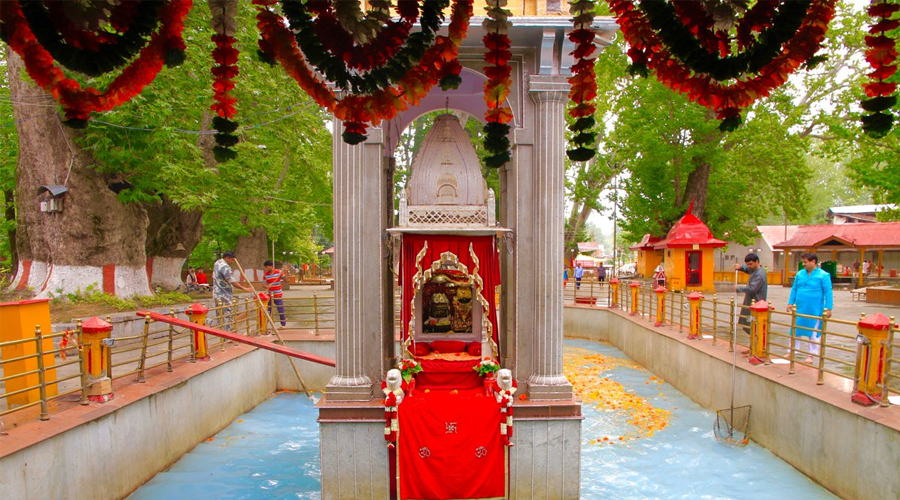
| Ishmuqam Shrine | 12 km | Sacred Sufi site |
Why You Should Visit Achabal Wildlife Sanctuary
- Watch rare Himalayan animals in their natural habitat
- Ideal for birdwatching and eco-tourism
- Peaceful environment away from tourist crowds
- Scenic views and fresh forest air
- Educational value for nature lovers
- Suitable for short day trips from Anantnag
Travel Tips
- Wear comfortable walking shoes
- Carry binoculars for bird watching
- Do not disturb wildlife
- Keep the area clean
- Hire local guide for better spotting
- Carry warm clothes in winter
- Avoid loud noise and littering
Quick Facts about Achabal Wildlife Sanctuary
| Fact | Details |
|---|---|
| Location | Anantnag District, Jammu and Kashmir |
| Area | 50 hectares |
| Established | Wildlife protected zone |
| Forest Type | Temperate mixed forest |
| Famous For | Hangul deer, birds, rare species |
| Best Visit Season | March – September |
| Nearest Town | Anantnag |
| Entry Fee | Nominal |
| Photography | Allowed |
| Facilities | Basic |
| Ideal Visit Time | Morning and afternoon |
How to Reach Achabal Wildlife Sanctuary
By Air
Nearest Airport: Sheikh Ul Alam International Airport, Srinagar – 60 km
By Rail
Nearest Railway Station: Anantnag Railway Station – 15 km
By Road
Well connected by road from Srinagar, Anantnag, and Pahalgam. Regular taxis and buses are available.
Achabal Wildlife Sanctuary is a perfect destination for travelers who wish to experience Kashmir’s untouched wilderness and biodiversity. Whether you are a wildlife enthusiast, photographer, or peace seeker, this sanctuary offers a fulfilling natural retreat. If you want to go beyond popular tourist spots and discover the ecological heart of Kashmir, Achabal Wildlife Sanctuary is a place you should not miss