Hari Parbat, Jammu And Kashmir
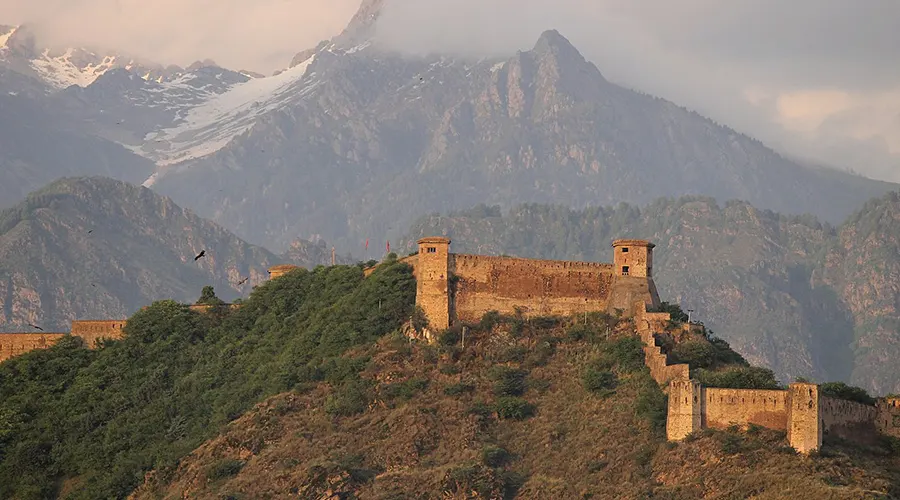
Hari Parbat is one of the most spiritually powerful and historically rich landmarks of Srinagar, rising gracefully above the city and overlooking the serene Dal Lake region. This sacred hill is not just a viewpoint or monument, it is a symbol of religious harmony where Hinduism, Islam, and Sikhism coexist peacefully on a single mountain.
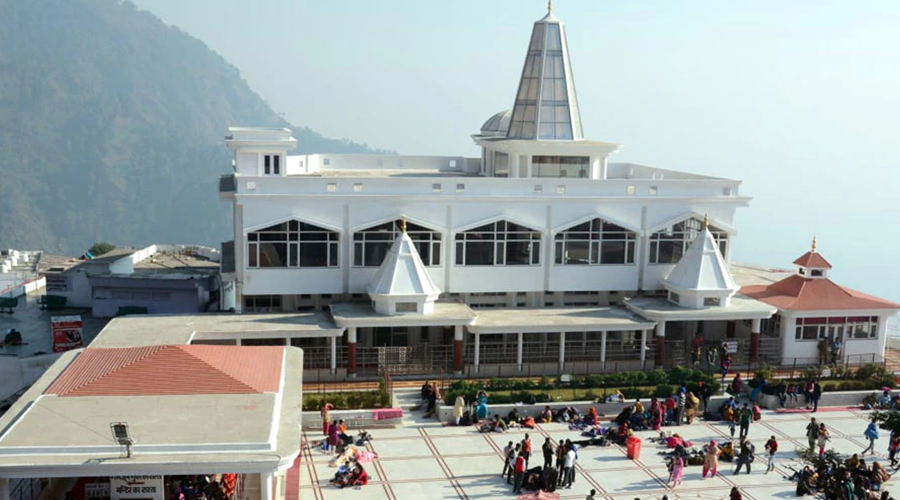
Considered among the top religious places to visit in Srinagar, Hari Parbat is renowned for its ancient fort, revered Sharika Devi Temple, Dastgeer Sahib Shrine, and Chatti Padshahi Gurudwara. Whether you are a spiritual seeker, history lover, or peace traveler, this sacred mountain offers a rare blend of devotion, heritage, and natural beauty.
History of Hari Parbat and Hari Parbat Fort
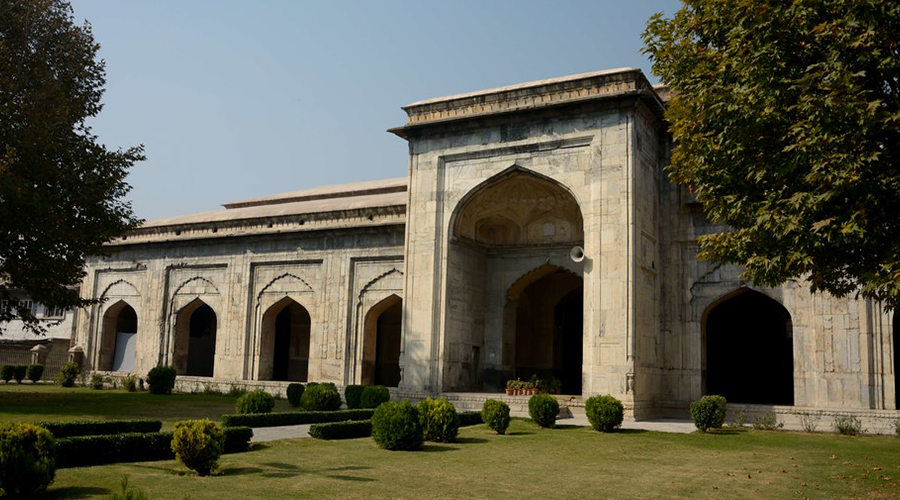
Hari Parbat has witnessed centuries of political rise and fall in Kashmir. The present fort was constructed during the early 19th century when Kashmir was under the Afghan Durrani Empire, ruled by Shah Shuja Durrani. However, destiny had different plans. Shah Shuja was imprisoned inside his own fort by Atta Muhammad Khan, who declared independence after political turmoil in Kabul.
Later, a powerful alliance of Sikh warriors and Afghan forces invaded Kashmir and freed Shah Shuja with support from Maharaja Ranjit Singh. Historical accounts reveal that the legendary Koh-i-Noor diamond was promised in return for help. After Shah Shuja's rescue, the diamond reached Lahore and eventually became part of history’s greatest royal treasures.
In 1820, Sikh general Hari Singh Nalwa captured the fort, and the Sikh flag flew over Hari Parbat. This victory was followed by Dogra rule under Maharaja Gulab Singh after the Anglo-Sikh war in 1846. The fort later became part of independent India in 1947 and is now guarded by security forces.
Architecture and Religious Importance of Hari Parbat
Hari Parbat is not only a military stronghold but a spiritual fortress that shelters sacred landmarks:
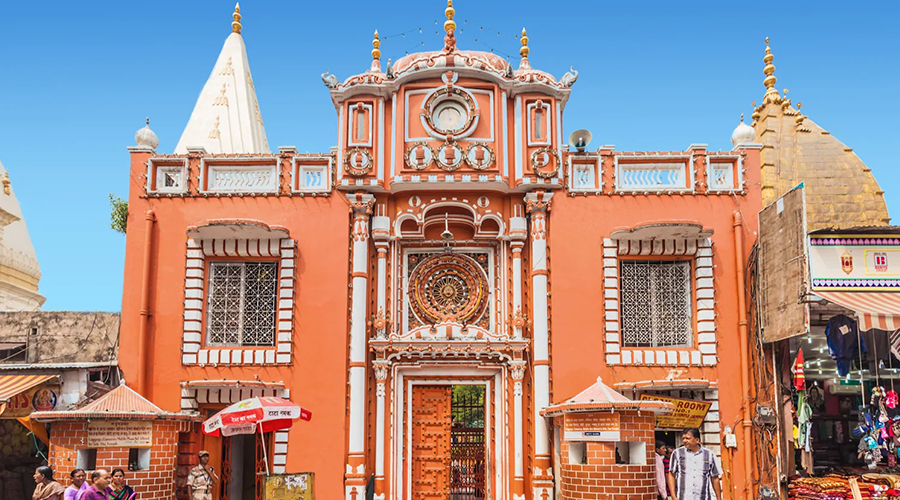
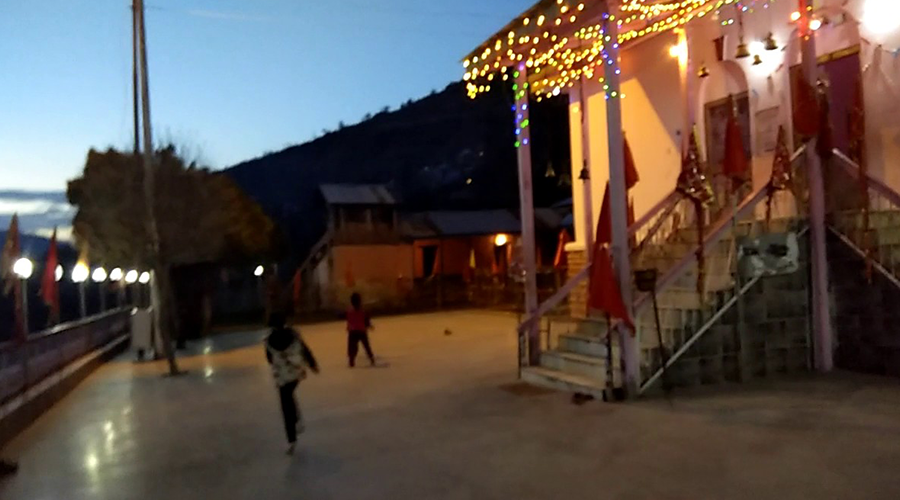
Sharika Devi Temple
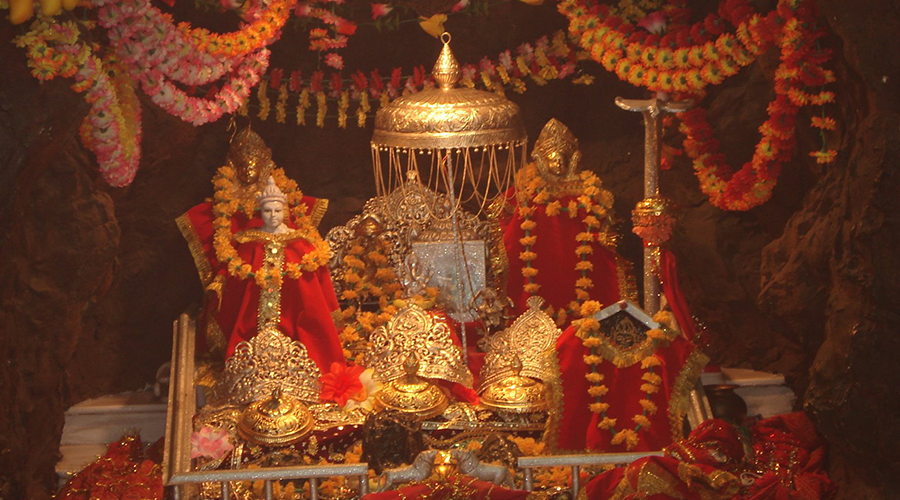
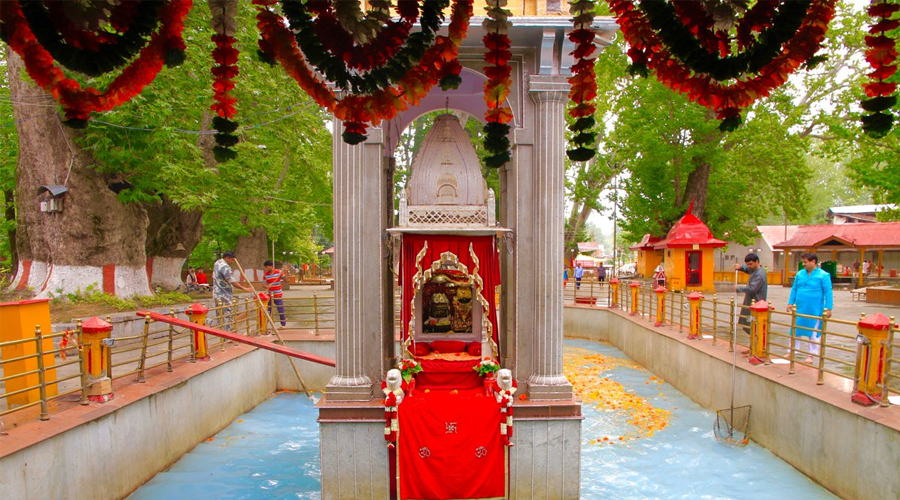
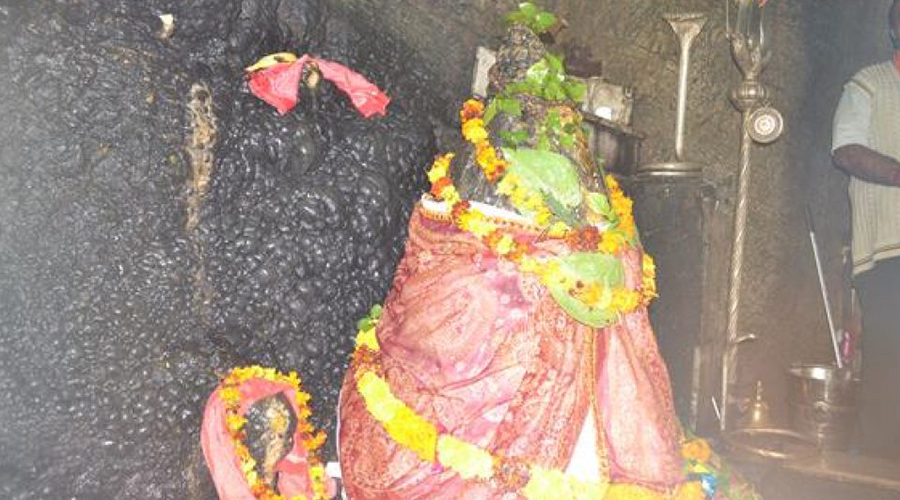
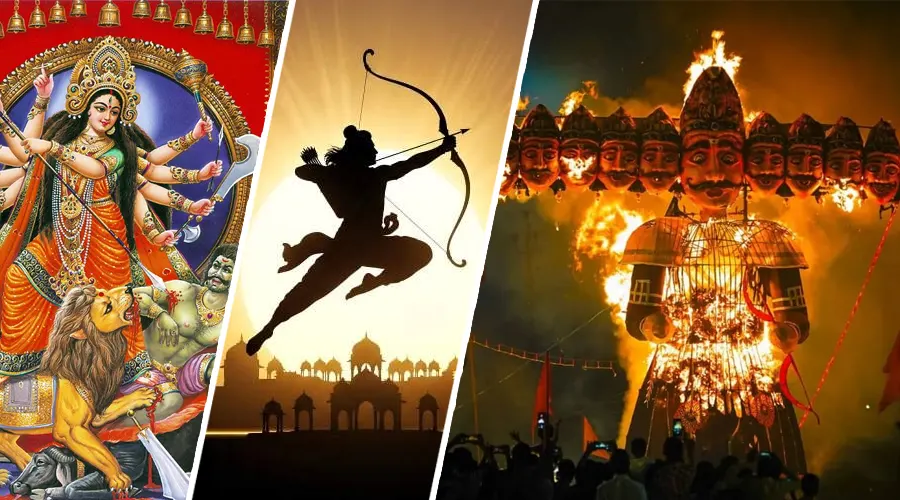
One of the most sacred Hindu temples in Kashmir, dedicated to Goddess Jagdamba (Sharika Devi). The shrine is especially crowded during Navratri.
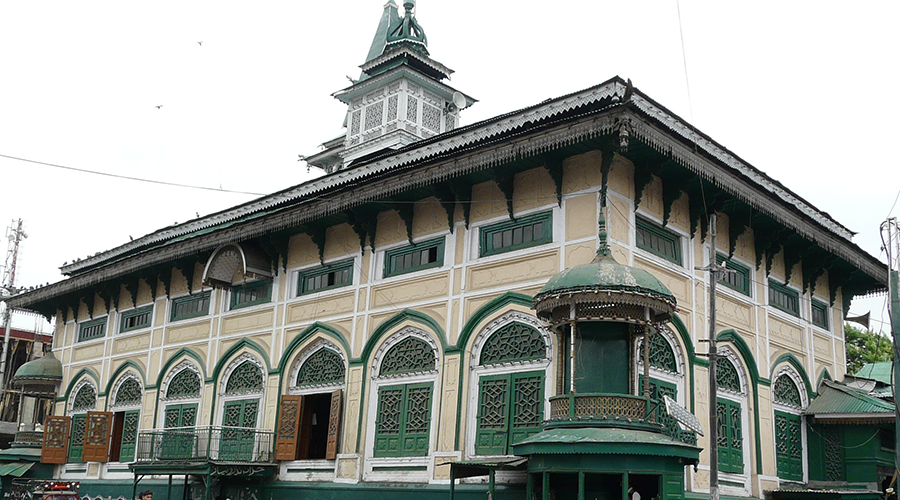
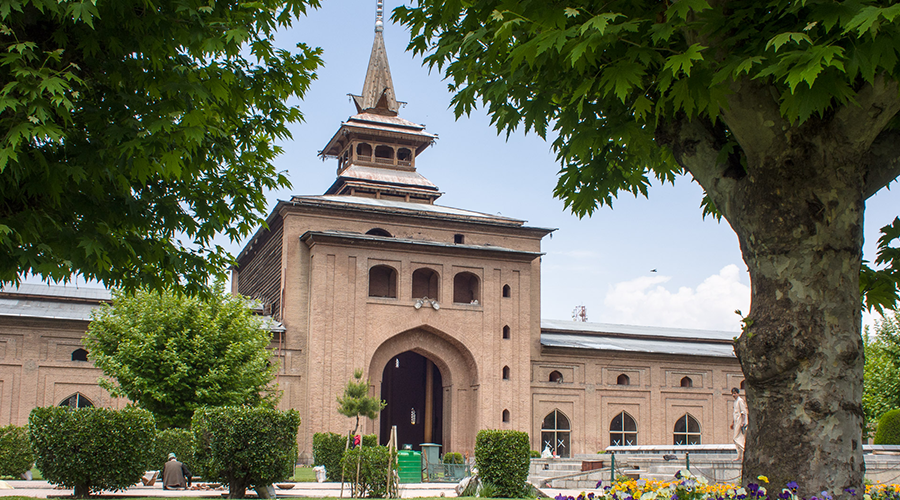
Dastgeer Sahib Shrine
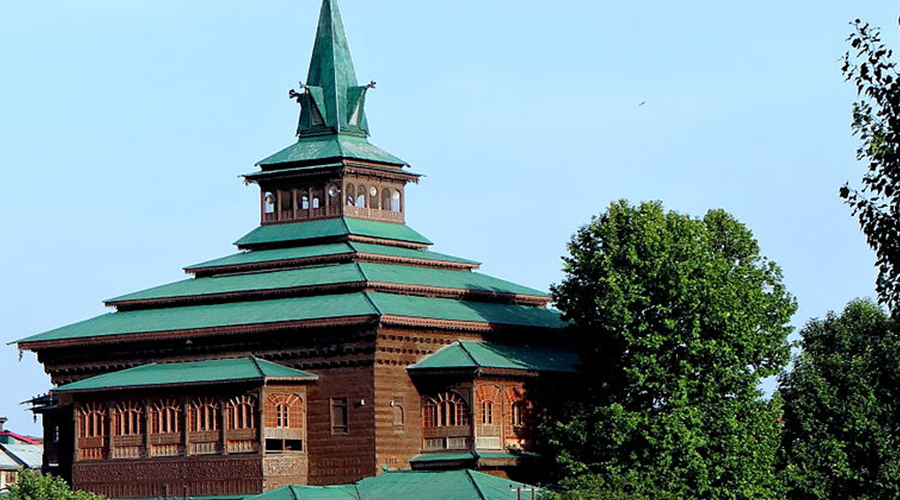
Revered by Kashmiri Muslims, this shrine is dedicated to Sheikh Syed Abdul Qadir Jeelani, also known as Makhdoom Sahib.
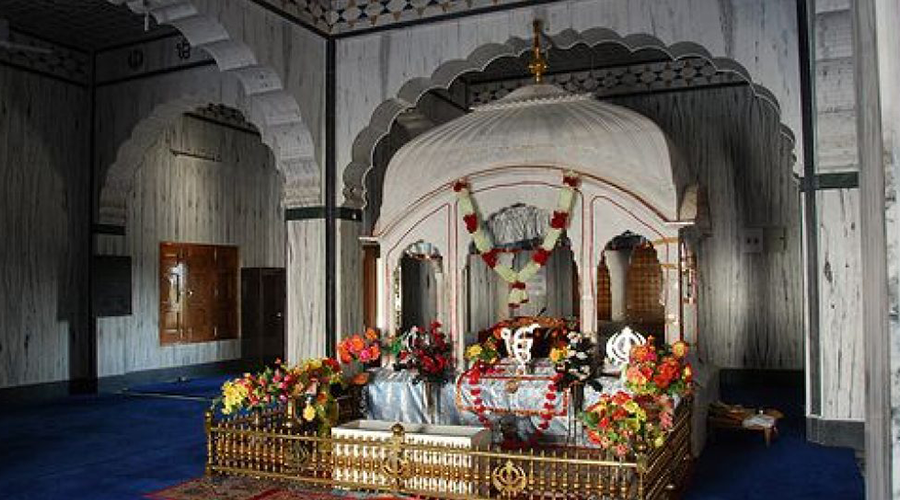
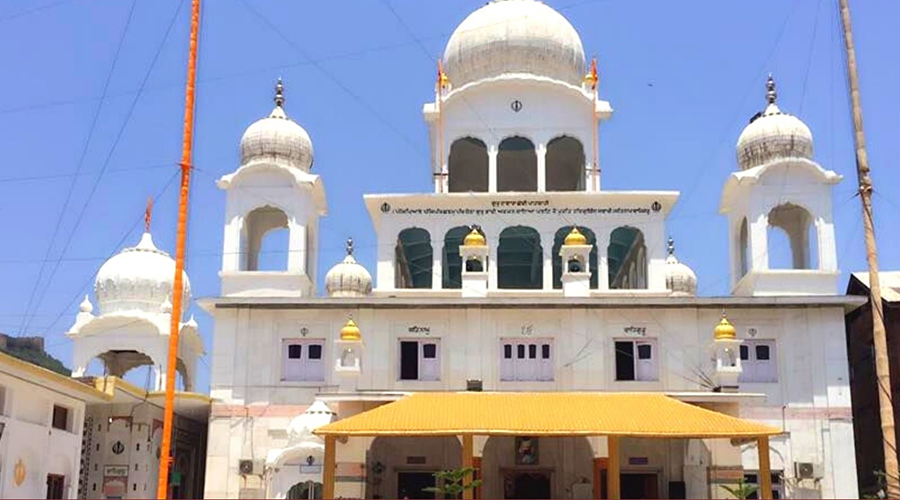
Chatti Padshahi Gurudwara
The holiest Sikh shrine in Kashmir, associated with Guru Hargobind Ji, the sixth Sikh Guru.
The presence of three faiths at one place makes Hari Parbat a spiritual epicenter of unity.
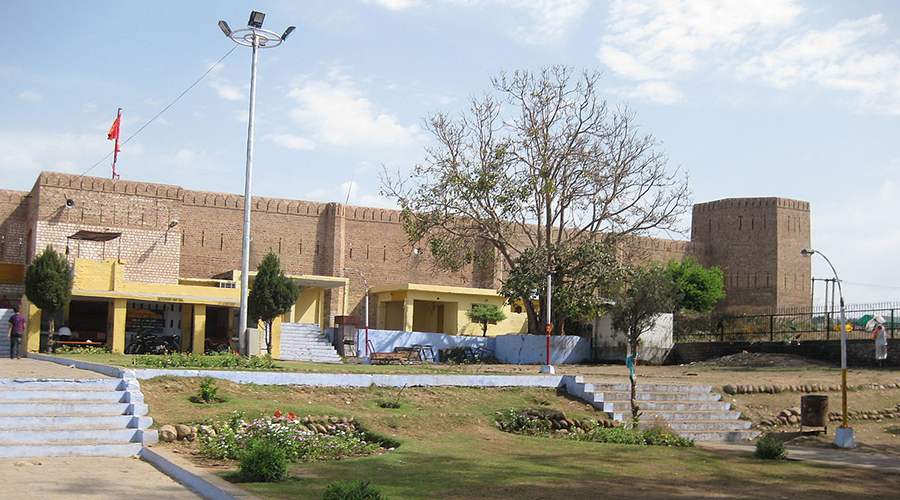
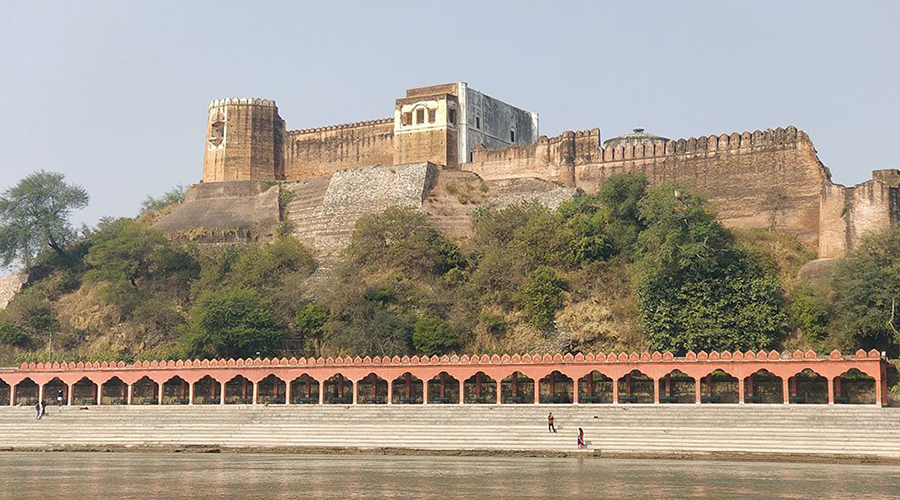
The fort features massive stone walls, watch towers, narrow gateways, and bastions that reveal Afghan - Sikh military architecture. From the top, visitors enjoy stunning views of Srinagar city and Dal Lake.
Best Time to Visit Hari Parbat
| Season | Experience |
|---|---|
| March to June | Best weather, peaceful visits |
| July to September | Lush greenery |
| October to November | Clear mountain views |
| December to February | Heavy snowfall possible |
Things to Do at Hari Parbat
- Walk up the heritage trail
- Attend evening prayers
- Enjoy photography from the summit
- Explore all religious shrines
- Interact with local caretakers
- Sunset viewing from fort walls
Nearby Attractions with Distance
| Place | Distance |
|---|---|
| Dal Lake | 4 km |
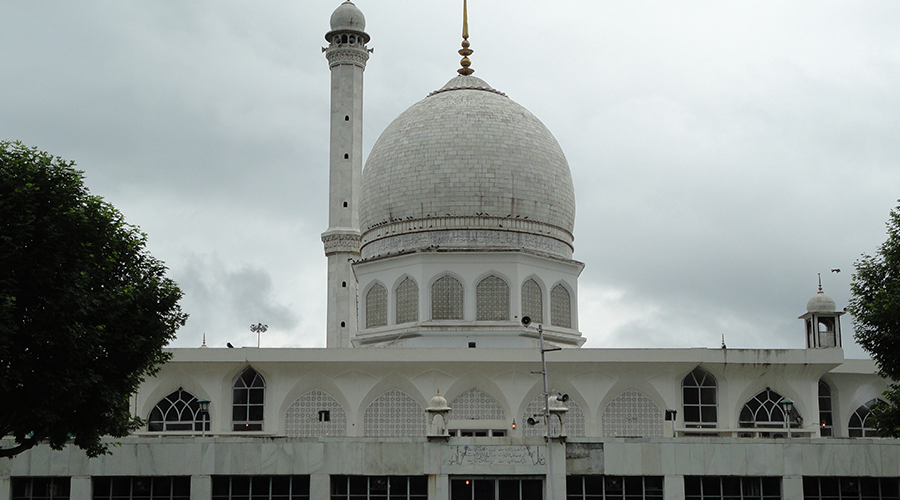
| Hazratbal Shrine | 5 km |
| Lal Chowk | 6 km |
| Nigeen Lake | 3 km |
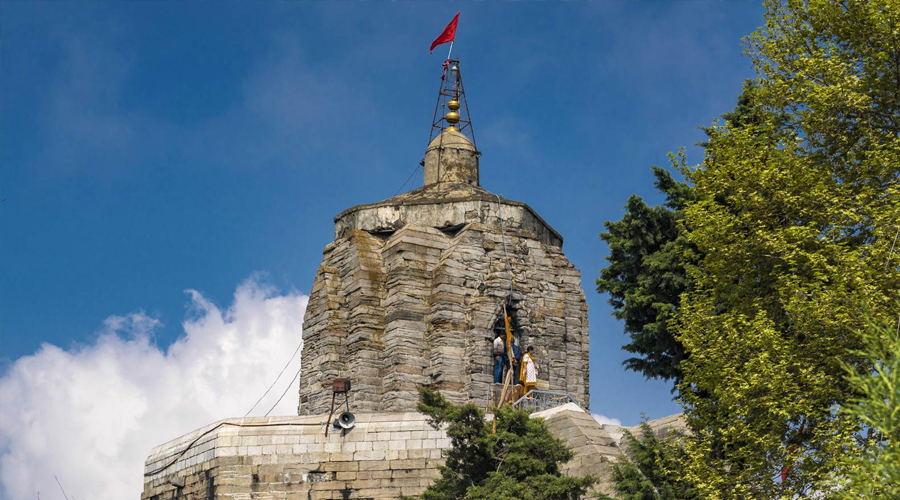
| Shankaracharya Temple | 7 km |
Travel Tips for Visiting Hari Parbat
- Go early morning or before sunset
- Wear modest clothes
- Do not disturb prayers
- Carry drinking water
- Avoid plastic
- Respect religious sentiments
- Follow photography rules
- Avoid during curfew or bad weather
- Hire guide for historical insights
- Best with local cab
How to Reach Hari Parbat
By Air: Srinagar International Airport (15 km)
By Train: Jammu Tawi Railway Station → Srinagar via taxi or bus
By Road: Local buses, autos, and taxis available from Lal Chowk
Quick Facts about Hari Parbat
| Key Information | Details |
|---|---|
| Location | Srinagar, Jammu and Kashmir |
| Elevation | 305 meters |
| Famous For | Fort, Temple, Shrine |
| Built By | Durrani Empire |
| Entry Fee | Free |
| Best Time | April to October |
| Religious Significance | Hindu, Muslim, Sikh |
| Current Status | Protected monument |
Hari Parbat is not just a historic fort or a religious site; it is a living symbol of Kashmir’s spiritual harmony and rich past. With temples, a mosque, and a gurudwara standing side by side, it reflects unity in diversity like no other place in Srinagar. Whether you seek peace, history, or panoramic views, a visit to Hari Parbat leaves a deep and lasting impression on every traveler. It is truly a must-visit destination for anyone exploring the cultural soul of Jammu and Kashmir.