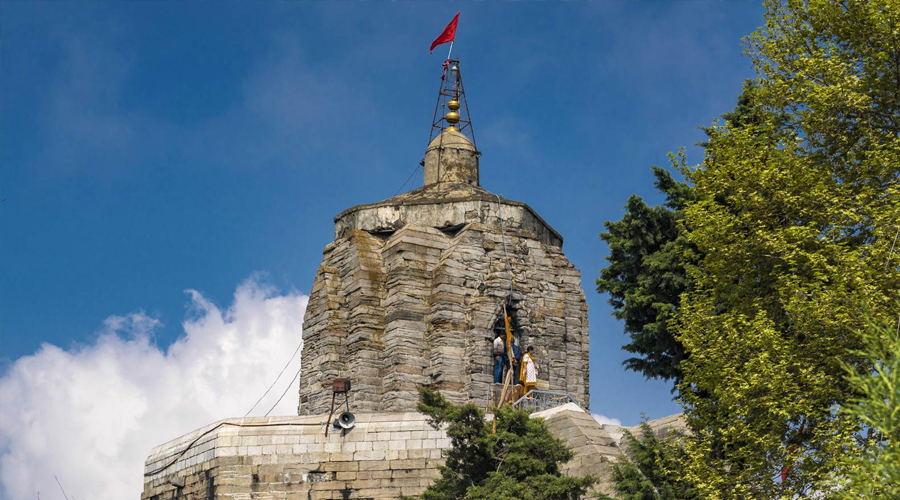
Shankaracharya Temple, Jammu And Kashmir
Shankaracharya Temple is one of the most revered Hindu pilgrimage sites in Srinagar, Jammu & Kashmir, dedicated to Lord Shiva. Situated atop Shankaracharya Hill (also known as Takht-e-Suleiman), the temple stands at a height of approximately 1,100 feet above Srinagar city, offering panoramic views of the valley below. The temple attracts thousands of devotees and tourists alike, who come to seek blessings and enjoy the serene surroundings.
A visit to the Shankaracharya Temple involves a moderate trek to the top of the hill, where devotees are rewarded with spiritual solace and breathtaking views of Srinagar. The temple is historically significant as it was associated with the great philosopher Adi Shankaracharya, who stayed here in the 9th century to propagate the philosophy of Vedanta and promote Lord Shiva worship in the region.
History of Shankaracharya Temple
The origins of Shankaracharya Temple date back to 371 BC, when it was known as Gopadri, built by Raja Gopadatya. The present structure, however, mostly reflects renovations and reconstructions from the 9th century AD onwards.
During the Buddhist era, the hill and temple were significant, and later, under the influence of Adi Shankaracharya, the temple became a Hindu site of worship. It is believed that the temple originally housed a Buddhist shrine, which was later converted into a Hindu temple. Over centuries, several rulers, including King Lalitaditya, Zain-ul-Abidin, and Sikh Governor Sheikh Ghulam Mohi-nu-din, carried out repairs and renovations.
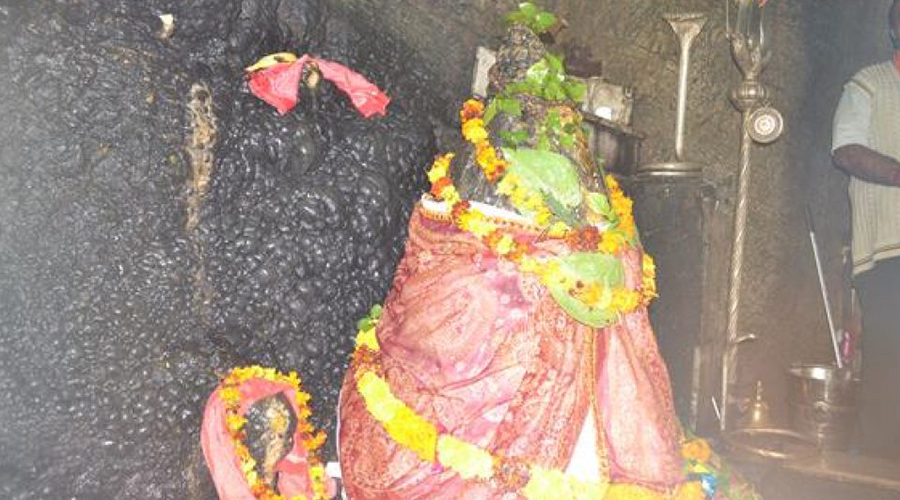
The temple is also known for its Shivling, which was installed during the Sikh period in the 19th century. Persian engravings on the temple walls and references by historians like Kalhana and Abul Fazal highlight the temple’s long-standing historical and cultural significance.
Popular legends attribute the temple’s construction to King Sandiman (2629–2564 BC), later renovated by King Gopaditya (426–365 BC) and King Lalitaditya (697–734 AD). Earthquakes over the centuries damaged the temple, leading to repairs by successive rulers, making it a resilient monument of devotion and history.
Architecture and Temple Structure
Shankaracharya Temple combines ancient architecture with spiritual significance:
- Situated on a hilltop at 1,100 feet, offering panoramic views of Srinagar and Dal Lake
- Temple is dedicated to Lord Jyesthesvara, a form of Lord Shiva
- Stone and brick construction, with a sanctum housing a Shivling
- Courtyard and prayer halls for devotees
- Surrounded by historic engravings and inscriptions reflecting Persian and Kashmiri influences
- The hill itself, called Gopadri, adds to the temple’s mystique and historical charm
Trekking Route to Shankaracharya Temple
The temple is accessible via a steep trekking path from the base of Shankaracharya Hill:
- Trek distance: Approx. 1.5 km from the base
- Trek duration: 30–45 minutes depending on fitness level
- Well-maintained stairs and resting points along the way
- Early morning trek is recommended for a peaceful experience and sunrise views
- Local guides available for first-time visitors
Best Time to Visit Shankaracharya Temple
- March to October: Pleasant weather and safe trekking conditions
- Festivals: Maha Shivratri – very auspicious and crowded
- Avoid winter months (December–February) due to snowfall and slippery paths
Temple Timings & Darshan Information
- Opening Time: 6:00 AM
- Closing Time: 8:00 PM
- Entry Fee: Free
- Special Days: Maha Shivratri, Mondays of Shravan
- Tip: Early morning darshan is recommended to avoid crowds
Accommodation Near Shankaracharya Temple
- Hotels and guest houses in Srinagar city
- Dharamshalas and lodges near Dal Lake
- Comfortable stays in Lal Chowk or Boulevard Road areas
- Advance booking recommended during festivals
Travel Tips for Visitors
- Wear comfortable trekking shoes for the uphill climb
- Carry water and light snacks
- Avoid visiting during extreme weather
- Respect temple rules and maintain cleanliness
- Photography may be restricted inside the sanctum
- Mobile networks may be weak on the hilltop
Nearby Attractions
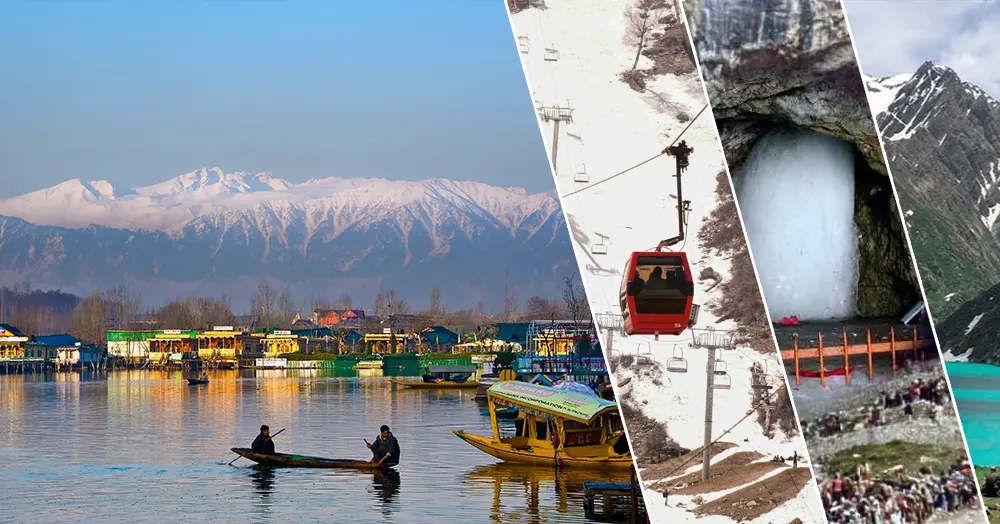
- Dal Lake: Famous for houseboats and shikara rides
- Shankaracharya Hill: Panoramic view and historic significance
- Hari Parbat Fort: Historic fort and religious site
- Mughal Gardens: Beautifully landscaped Persian-style gardens
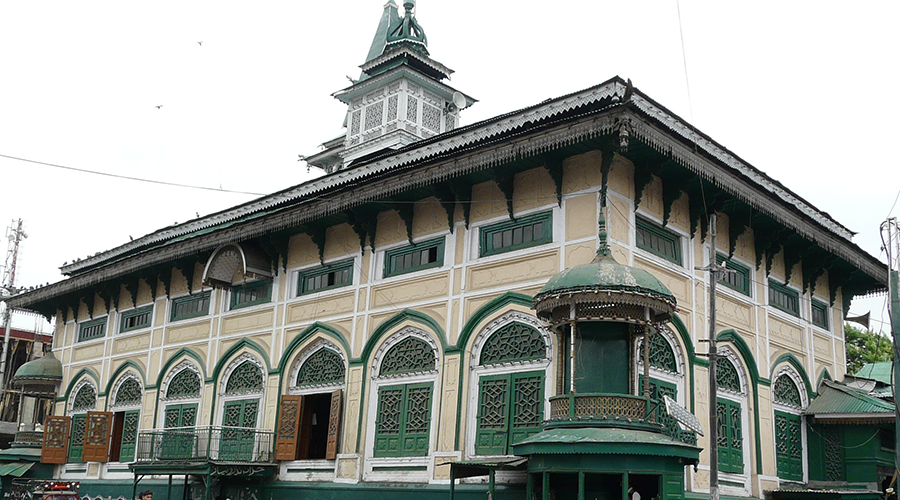
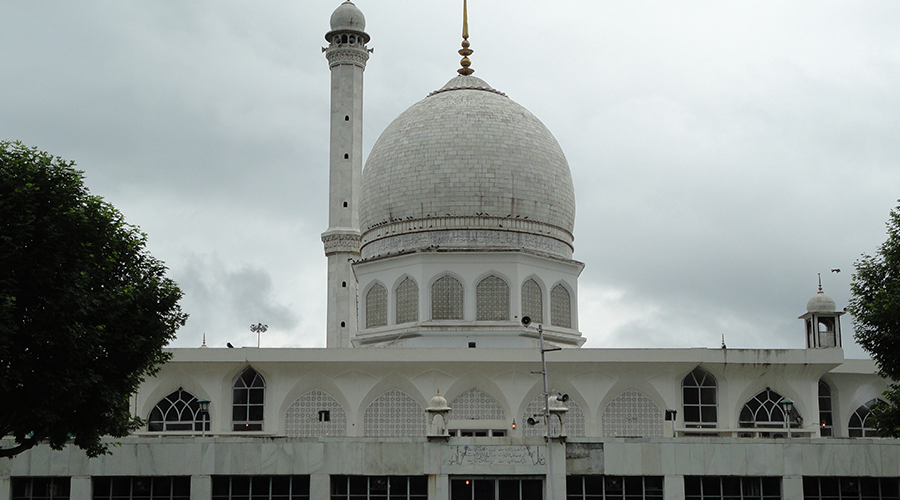
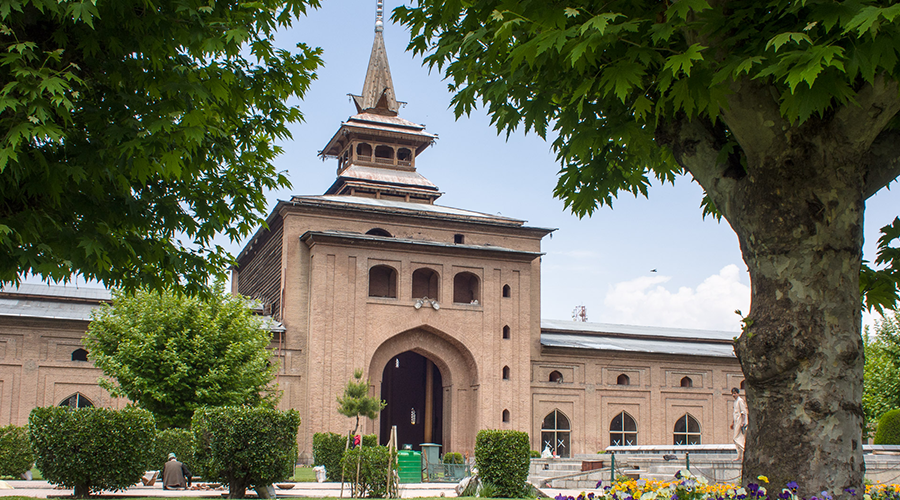
- Jama Masjid Srinagar: Iconic mosque with historic and architectural value
Shankaracharya Temple – Quick Facts
| Detail | Information |
|---|---|
| Location | Shankaracharya Hill, Srinagar, Jammu & Kashmir |
| Dedicated to | Lord Shiva (Lord Jyesthesvara) |
| Established | 371 BC (original), rebuilt 9th century AD |
| Historical Figures | Adi Shankaracharya, King Gopaditya, Lalitaditya, Zain-ul-Abidin |
| Main Attraction | Shivling, panoramic views of Srinagar |
| Trek Distance | Approx. 1.5 km uphill |
| Trek Time | 30–45 minutes |
| Temple Timings | 6:00 AM – 8:00 PM |
| Entry Fee | Free |
| Best Time to Visit | March to October |
| Major Festivals | Maha Shivratri, Shravan Mondays |
| Nearest Railway Station | Srinagar Railway Station |
| Nearest Airport | Srinagar International Airport |
| Nearby Attractions | Dal Lake, Hari Parbat Fort, Mughal Gardens, Jama Masjid |
| Famous Belief | Associated with Adi Shankaracharya and Lord Shiva worship |
How to Reach Shankaracharya Temple
By Road:
- Well-connected from Srinagar city
- Taxis and local buses available to the base of Shankaracharya Hill
By Train:
- Nearest railway station: Srinagar Railway Station
- Taxi or local transport available to the temple base
By Air:
- Nearest airport: Srinagar International Airport
- From the airport, hire a taxi or use public transport to reach the hill base
Shankaracharya Temple is a perfect blend of spirituality, history, and scenic beauty, making it a must-visit site in Srinagar. The temple’s association with Adi Shankaracharya, its historical renovations, and the breathtaking views from the hilltop provide devotees and tourists with a unique experience of faith, culture, and nature. A visit to Shankaracharya Temple is not just a pilgrimage, but a journey into the heart of Kashmir’s spiritual and historical legacy.