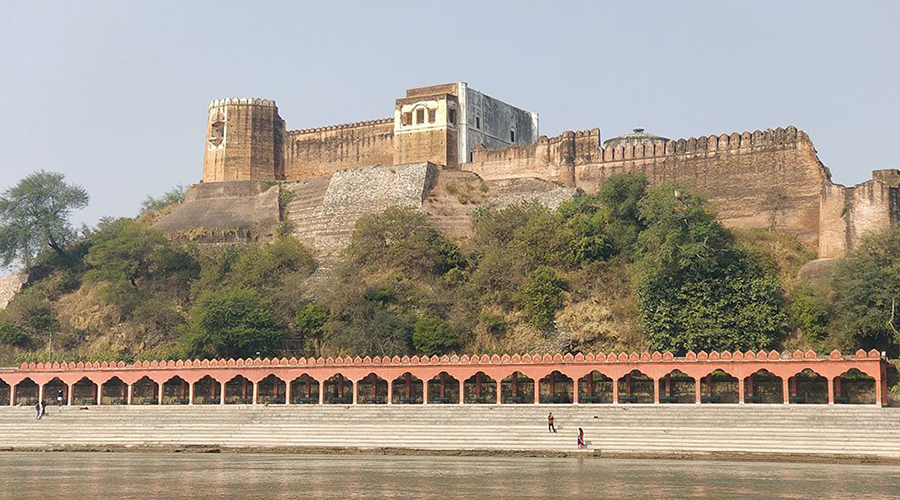
Akhnoor Fort, Jammu And Kashmir
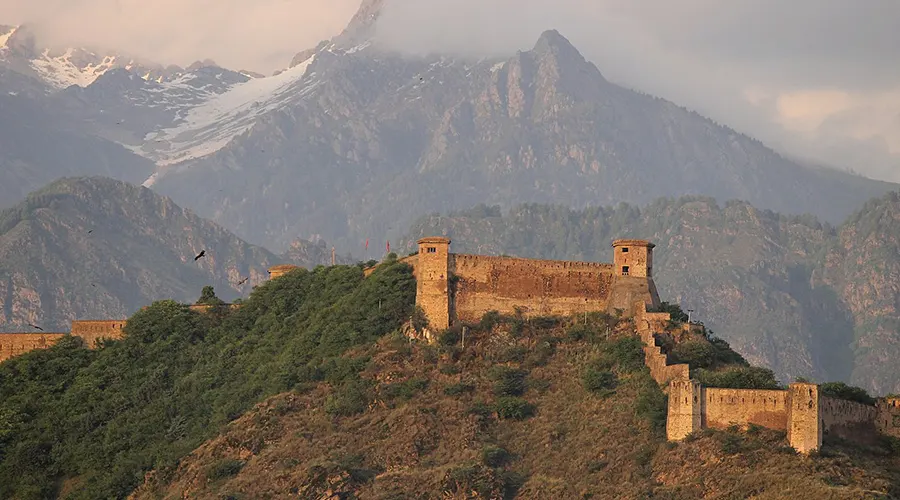
The Akhnoor Fort stands proudly on the right bank of the Chenab River, offering breathtaking views of flowing waters and surrounding hills. This majestic fort is one of the most significant historical landmarks in the Jammu region and reflects the royal legacy of the Dogra rulers. With strong walls, royal chambers, and decorative interiors, Akhnoor Fort takes visitors back to an era of kings, warriors, and selfless leadership.
Unlike many royal forts built for luxury, Akhnoor Fort holds a deep humanitarian story. It was constructed not just as a fortress but also as a relief project during a devastating famine. Raja Tegh Singh began its construction to provide employment and food to starving citizens, making this fort a symbol of compassion as much as power.
Perched on a hill overlooking the Chenab, this fort invites history lovers, photographers, and cultural travelers to explore ancient walls that once echoed royal footsteps.
History of Akhnoor Fort
Akhnoor Fort was originally started in 1762 AD by Raja Tegh Singh, ruler of the principality of Jammu. The construction was initiated during a famine to provide work and daily meals to the poor. Workers were fed during construction, saving countless lives during the crisis.
After the king’s death, his son Raja Alam Singh completed the fort in 1802 AD. Later, the fort became associated with Maharaja Gulab Singh, founder of the Dogra dynasty.
Archaeological excavations at Akhnoor fort reveal remains from three important historical periods:
- Harappan Civilization – Ware jars, goblets, and pottery
- Historic Period – Grey and red ceramic artifacts
- Kushan Era – Coins and tools belonging to Kushana kings
This proves that Akhnoor was continuously inhabited for thousands of years, making it one of Jammu’s most ancient living history sites.
Architecture of Akhnoor Fort
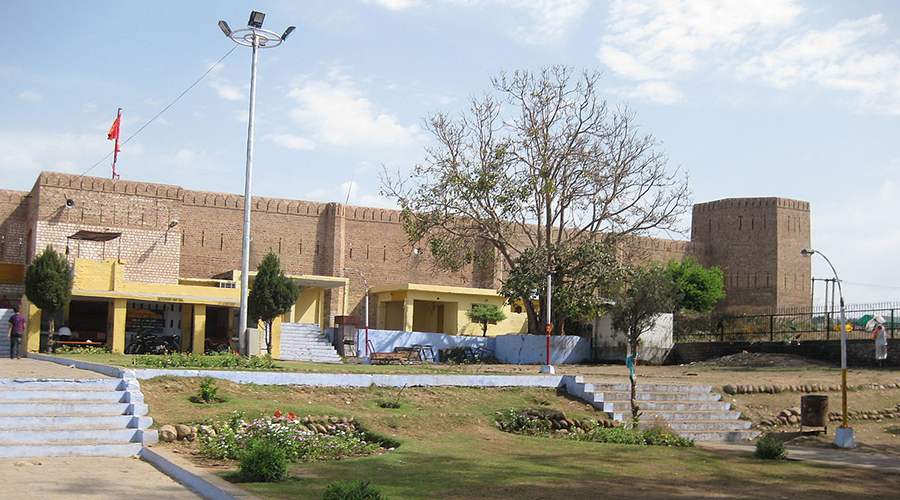
Akhnoor Fort showcases classic Indian military architecture, combining strength with aesthetic beauty.
Architectural Highlights:
- Two-storeyed structure with fortress-style walls
- Thick defensive walls and tall bastions
- Watchtowers guarding strategic corners
- Decorative inner courtyard with arches and murals
- Private palace chambers of Raja Alam Singh
- Riverside stairs (Ghats) leading down to the Chenab
- Turrets known as Kishore Singh Burj
- Remains of painted artwork inside royal rooms
From its hilltop position, the fort offers panoramic views of:
- Chenab River
- Shivalik Hills
- Trikuta Mountain Ranges
The fort can be entered through the north gate or via stairs from the riverfront, both offering dramatic views.
Major Attractions Inside the Fort
- Royal palace areas
- Riverside steps and ghats
- Kishore Singh Burj
- Decorative palace walls and arches
- Excavation sites
- Fort bastions and watchtowers
- Panoramic viewpoints
- Ancient artifacts and pottery finds
Best Time to Visit Akhnoor Fort
October to March: Pleasant weather for sightseeing
April to June: Warm but manageable
Monsoon months: River swell may restrict access
Entry Fee & Timings
- Timings: 9:00 AM – 5:00 PM
- Entry Fee: Free
- Photography: Allowed
- Time Required: 1–2 hours
Nearby Attractions with Distance
| Attraction | Distance | One-liner |
|---|---|---|
| Chenab River Ghat | Walking | Scenic riverside views |
| Pandava Gufa | 2 km | Mythology-linked caves |
| Jammu City | 28 km | Cultural & commercial hub |
| Mubarak Mandi Palace | 29 km | Dogra royal residence |
| Raghunath Temple | 30 km | Largest temple complex in Jammu |
| Bahu Fort | 32 km | Ancient fort with Tawi view |
How to Reach Akhnoor Fort
By Air
Nearest Airport: Jammu Airport – 30 km
By Rail
Nearest Railway Station: Jammu Tawi – 28 km
By Road
Akhnoor is well-connected by road from Jammu by taxis, buses, and private vehicles.
Why You Should Visit Akhnoor Fort
- 2500+ years of archaeological history
- Stunning river views
- Rare Harappan findings
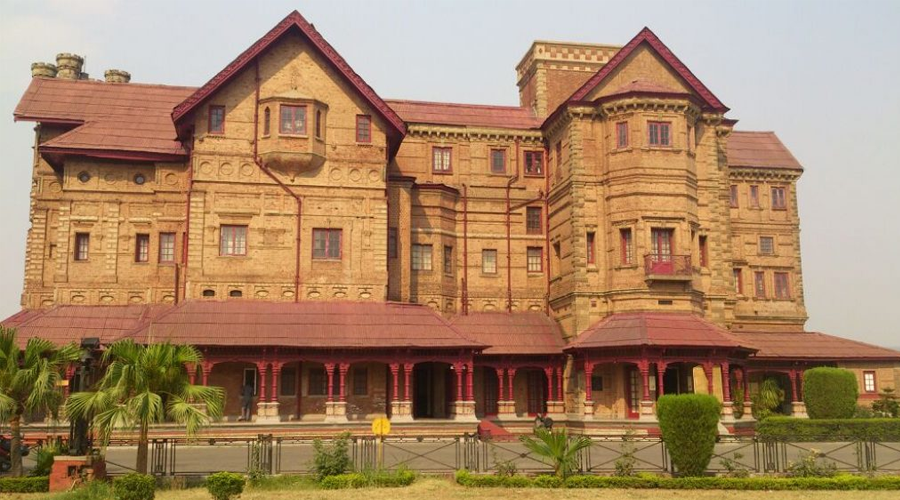
- Royal palace architecture
- Cultural experience near Jammu
- Offbeat historical destination
- Ideal for heritage tourism
Quick Facts About Akhnoor Fort
| Fact | Details |
|---|---|
| Location | Akhnoor, Jammu & Kashmir |
| District | Jammu District |
| Built By | Raja Tegh Singh |
| Construction Started | 1762 AD |
| Completion Year | 1802 AD |
| Associated Dynasty | Dogra |
| Strategic Location | Right bank of Chenab |
| Architectural Style | Indian military architecture |
| Oldest Discoveries | Harappan Civilization |
| Famous Structure | Kishore Singh Burj |
| Entry Fee | Free |
| Timings | 9 AM – 5 PM |
| Best Season | October to March |
| Nearby City | Jammu (28 km) |
Akhnoor Fort is not merely a historical structure; it is a reminder that true royalty lies in human kindness and leadership. Built to save lives, guarded by centuries of history, and standing tall beside the Chenab, this fort tells a story of compassion, courage, and continuity. A visit here is like stepping into ancient Jammu’s heart.