Pangong Lake, Leh Ladakh
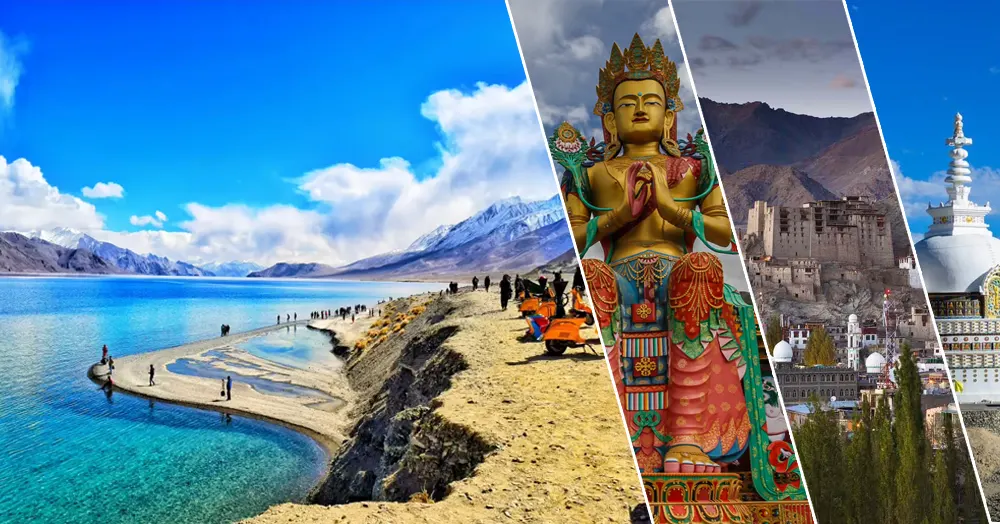
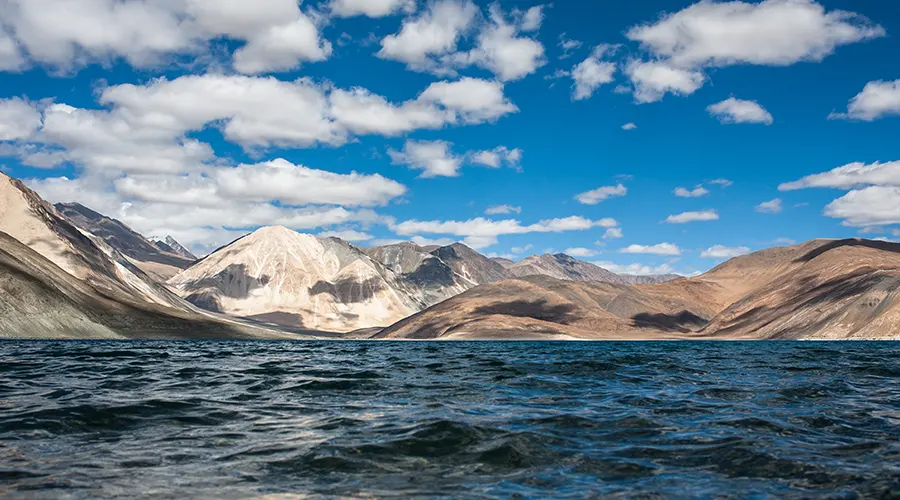
Pangong Lake, also known as Pangong Tso, is one of the most stunning and iconic high-altitude lakes in Ladakh, India. Situated at a breathtaking elevation of 14,270 feet (4,350 meters), this turquoise wonder stretches across India and Tibet (China), with nearly 60% of its length lying in Chinese territory. Known for its ever-changing hues, from azure blue to emerald green and even grey, Pangong Lake captures the heart of every traveler who sets eyes upon it.
Whether you’re an adventure seeker, a peace lover, or a photographer in search of perfect frames, Pangong offers an ethereal experience surrounded by snow-capped peaks and untouched Himalayan serenity.
History and Significance of Pangong Tso
The word ‘Pangong’ originates from the Tibetan term Banggong Co, meaning “High Grassland Lake.” Historically, the lake served as a trade route between Tibet and India and also holds strategic importance due to its location near the Line of Actual Control (LAC).
Locals consider Pangong sacred, believing it to be a symbol of purity and peace. Over time, the lake gained immense global fame after featuring in popular Bollywood films such as “3 Idiots”, “Jab Tak Hai Jaan”, and “Dil Se”, making it one of India’s most sought-after travel destinations.
What Makes Pangong Lake Unique
Pangong Lake is unlike any other in the Himalayas, and here’s why:
- Color-Changing Waters: The lake displays multiple shades - from deep blue to turquoise, green, and even grey depending on sunlight and time of day.
- Freezing Saltwater Lake: Despite being saline, the lake freezes completely during winter, forming thick sheets of ice.
- No Aquatic Life: The brackish water supports minimal aquatic life, giving it an unusually clear and reflective surface.
- Scenic Backdrop: Encircled by rugged mountains, Pangong’s landscape looks almost otherworldly - perfect for reflection and relaxation.
- Bollywood Fame: Its cinematic beauty has made it a must-visit for fans of the “3 Idiots” movie, where the climax scene was filmed.
Wildlife and Photography at Pangong Tso
Pangong Lake is not just a photographer’s paradise but also a haven for bird lovers. During summers, migratory birds such as Brahminy ducks, brown-headed gulls, and bar-headed geese visit the lake, adding life and color to the serene surroundings.
The play of sunlight on the still waters and the reflection of clouds and peaks make it a dream destination for landscape photography. Early morning and late afternoon light are ideal for capturing the surreal shades of Pangong.
Things to Do at Pangong Lake
Here are the top experiences you shouldn’t miss while visiting Pangong Tso:
- Photography Expedition: Capture the changing hues of the lake against the backdrop of majestic mountains.
- Camping: Stay overnight in eco-friendly camps at Spangmik, Man, or Merak villages, and experience stargazing like never before.
- Bird Watching: Spot rare Himalayan migratory birds that visit during summer months.
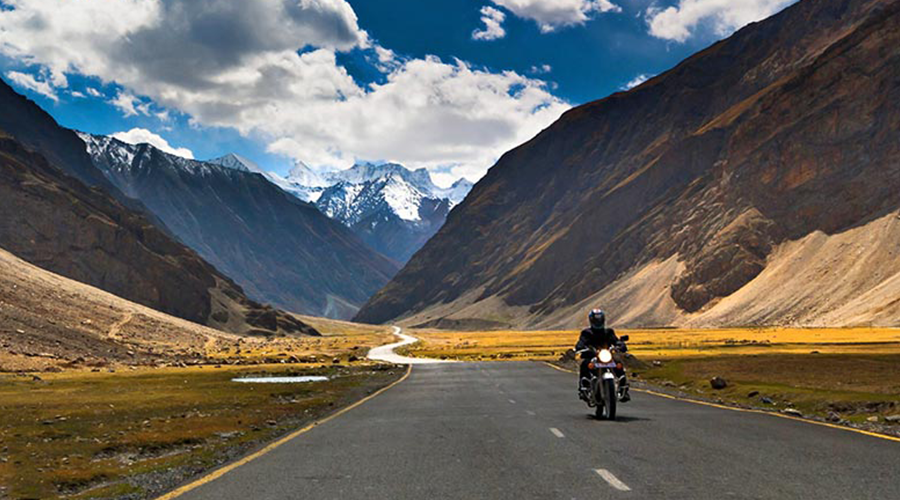
- Bike Trip: Embark on an adventurous bike ride from Leh to Pangong via Khardung La or Chang La Pass.
- Local Interactions: Meet Ladakhi villagers and learn about their culture, food, and lifestyle.
Best Time to Visit Pangong Lake
The best time to visit Pangong Lake is from May to September, when the weather is pleasant, and the lake is fully accessible. During this time, the lake glows in brilliant shades of blue under clear skies.
From October to March, the lake freezes completely and temperatures can drop below -30°C. Winter visits are suitable only for experienced travelers seeking extreme adventure.
| Month | Weather | Accessibility | Highlights |
|---|---|---|---|
| May – September | Pleasant & clear | Open | Best time for camping, photography |
| October – March | Harsh & frozen | Difficult | Lake freezes, unique icy landscape |
Suggested 2-Day Itinerary for Pangong Lake Trip
Day 1:
- Depart from Leh early morning via Chang La Pass.
- En route, stop at Thiksey Monastery and Tangtse village.
- Arrive at Pangong Lake by afternoon, check into camp at Spangmik.
- Enjoy sunset photography and stargazing at night.
Day 2:
- Wake up early to witness sunrise over the lake.
- Visit nearby Merak or Man village.
- Return journey to Leh by evening with scenic halts for photos.
Travel Tips for Pangong Lake
- Permits: Inner Line Permit (for Indians) or Protected Area Permit (for foreigners) is required to visit.
- Clothing: Carry thermal layers, gloves, and windproof jackets even in summer.
- Network: Mobile connectivity is limited; BSNL postpaid works in some areas.
- Accommodation: Choose eco-camps or homestays in Spangmik or Man villages.
- Altitude Care: Acclimatize in Leh for at least 1–2 days before visiting to avoid altitude sickness.
- Respect Nature: Do not litter or pollute the lake — it’s a fragile ecosystem.
Quick Facts About Pangong Lake
| Feature | Details |
|---|---|
| Location | Ladakh, India (extends into Tibet, China) |
| Altitude | 14,270 feet (4,350 meters) |
| Length | 134 km (12 km in India) |
| Water Type | Saline (brackish) |
| Frozen in Winter | Yes |
| Color Change | Blue – Green – Grey |
| Nearest Village | Spangmik |
| District | Changthang District (after 2024) |
| Tourist Season | May to September |
| Popular For | Photography, camping, bird watching, nature walks |
Nearby Attractions Around Pangong Tso
- Spangmik Village: Closest settlement to the lake offering homestays and camps.
- Merak Village: A peaceful village perfect for sunrise views and photography.
- Tangtse Village: Known for its ancient monastery and scenic beauty.
- Chang La Pass: The third-highest motorable pass in the world, en route from Leh to Pangong.
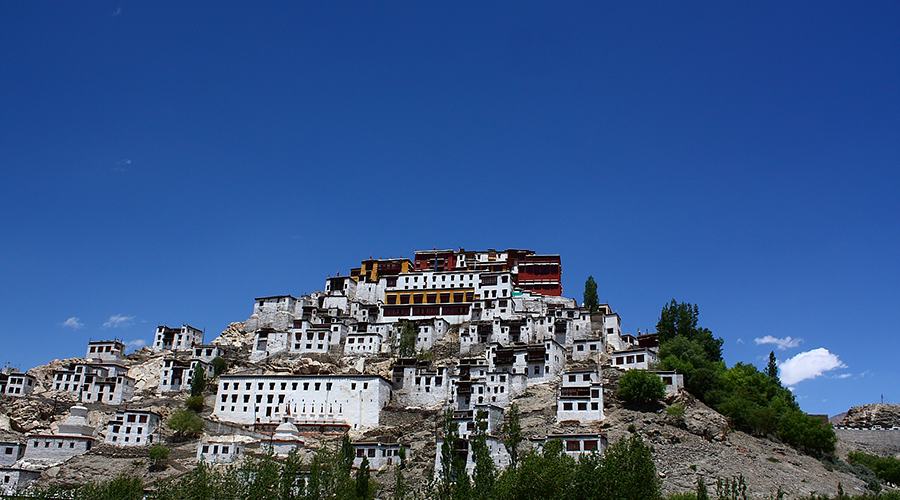
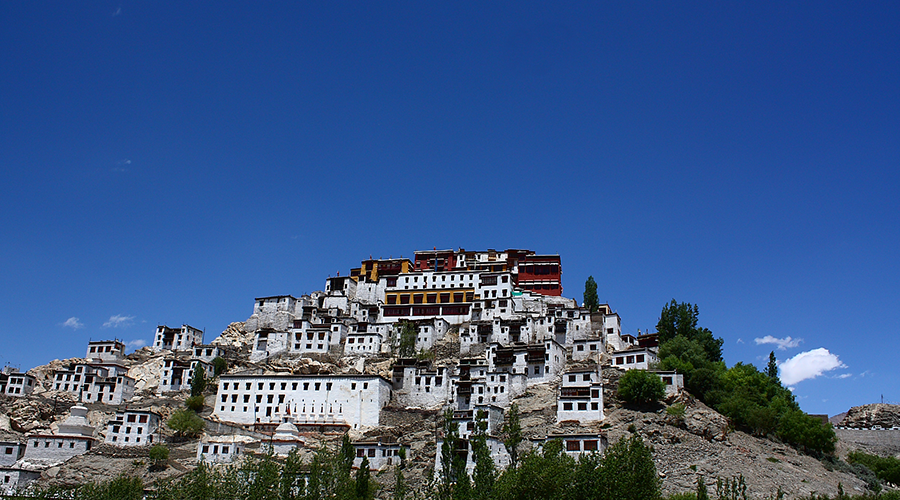
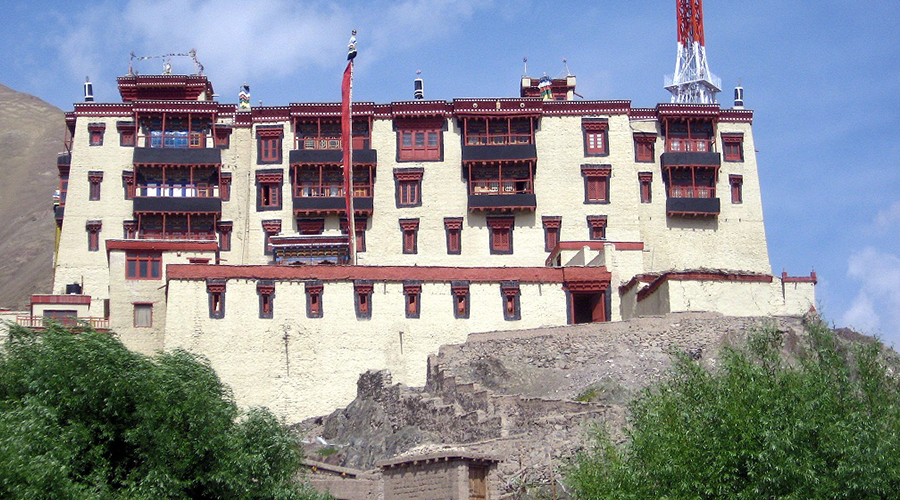
- Thiksey Monastery: A magnificent monastery near Leh, famous for its 12-story structure and giant Buddha statue.
How to Reach Pangong Lake, Leh Ladakh
By Air:
The nearest airport is Kushok Bakula Rimpochee Airport (Leh), located about 160 km from Pangong Lake. From Leh, taxis and rented bikes are available for the journey.
By Road:
The route from Leh to Pangong via Chang La Pass (one of the world’s highest motorable roads) takes around 5–6 hours. The journey offers breathtaking views of the Himalayas and small villages like Sakti and Tangtse.
By Bike/Car:
Adventure enthusiasts can rent a bike or car in Leh and drive through scenic mountain routes.
Pangong Lake in Ladakh is a mesmerizing natural marvel that perfectly embodies the raw beauty of the Himalayas. Its ever-changing hues, tranquil surroundings, and spiritual silence create an experience that stays etched in your heart forever. Whether you’re an adventurer on a Himalayan bike trip or a peace-seeker in search of solitude, Pangong Lake is an unforgettable chapter in every traveler’s Ladakh journey.