Lamayuru Monastery, Leh Ladakh
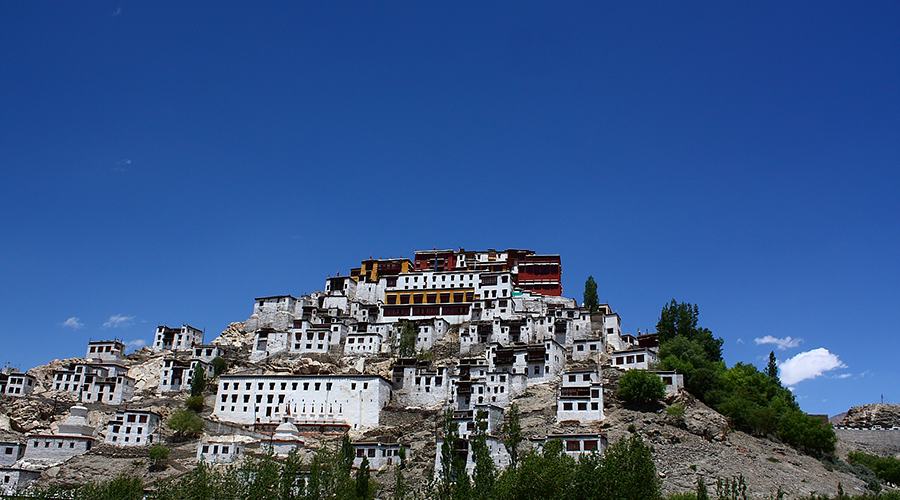
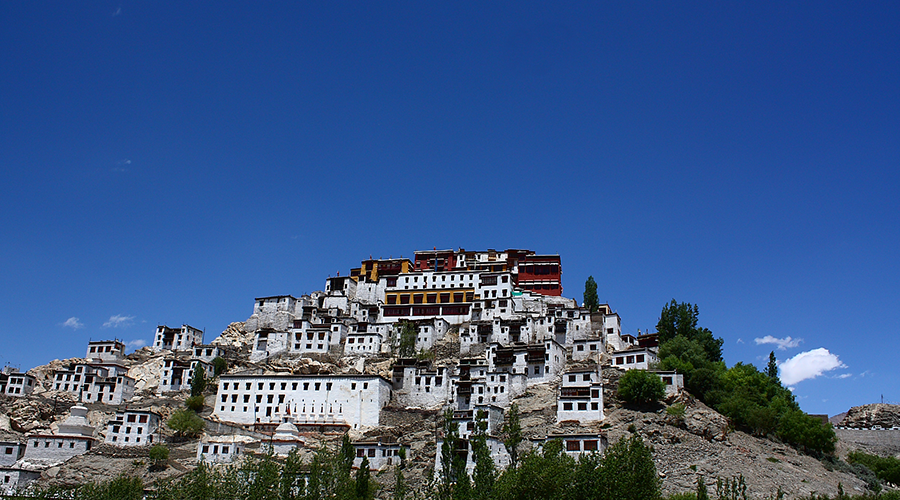
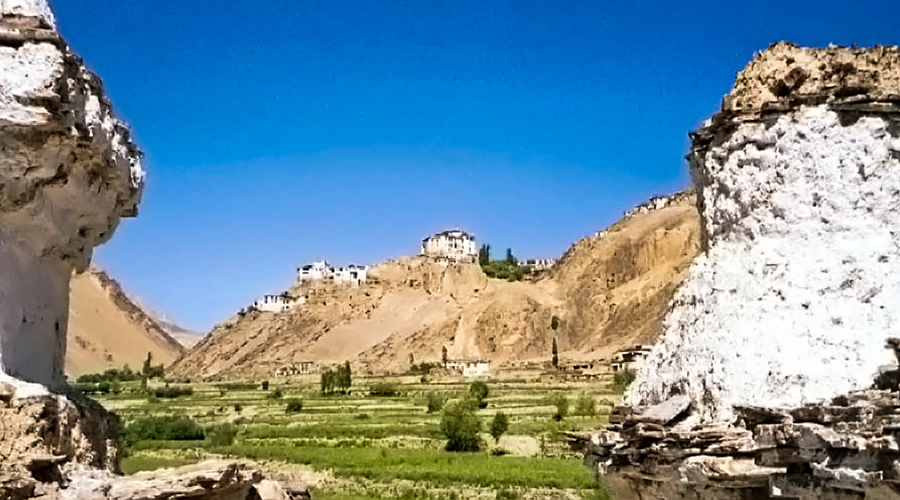
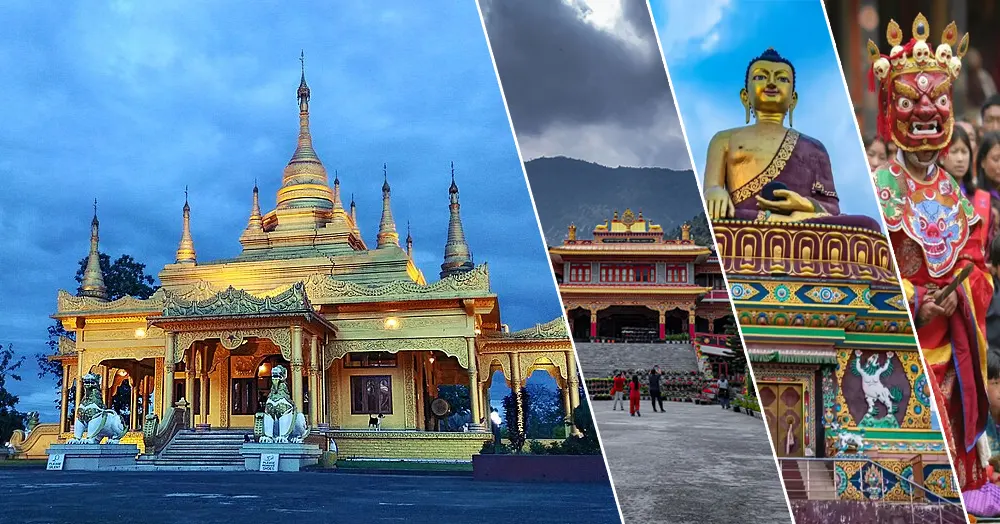
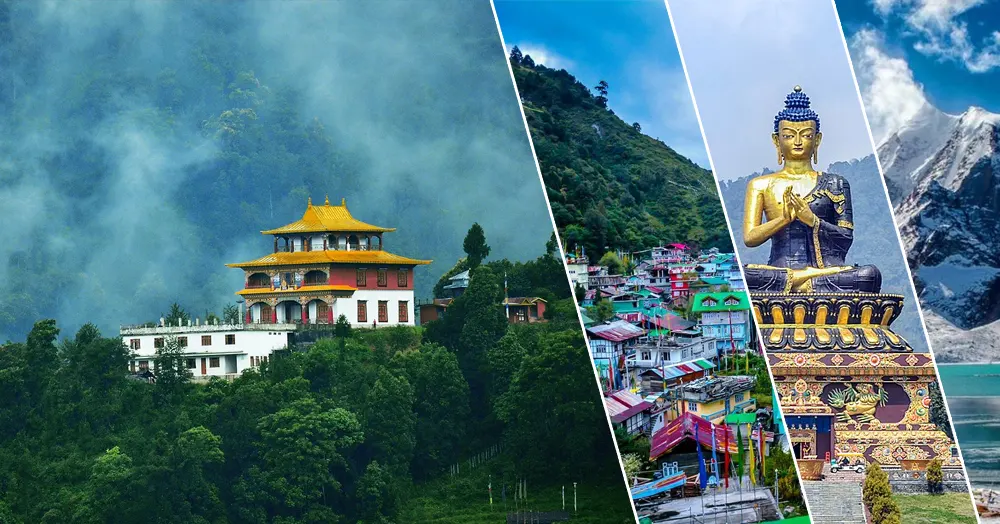
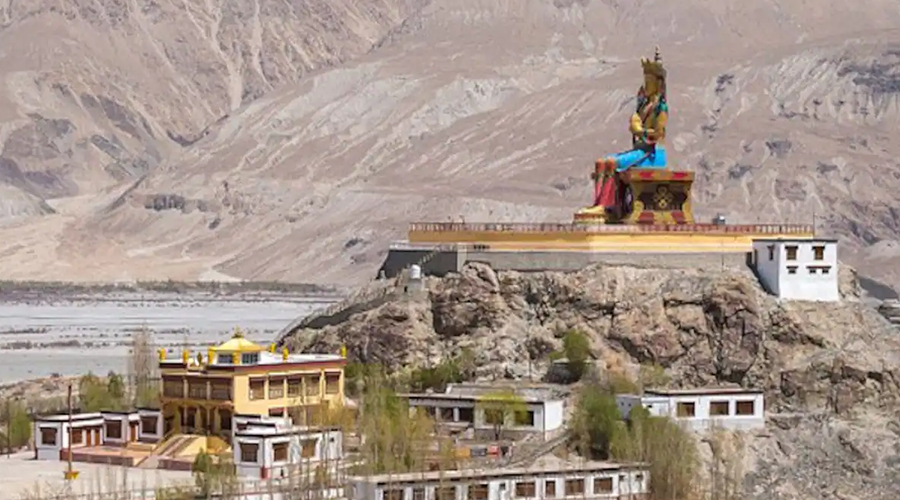
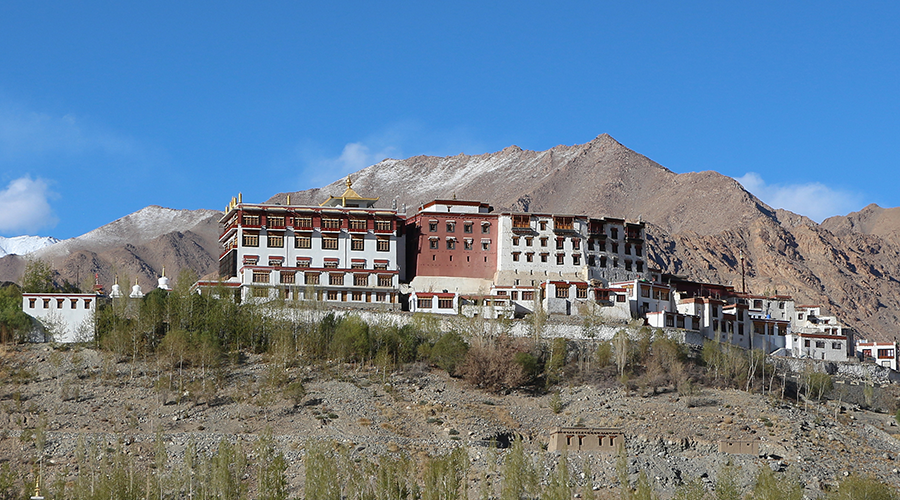
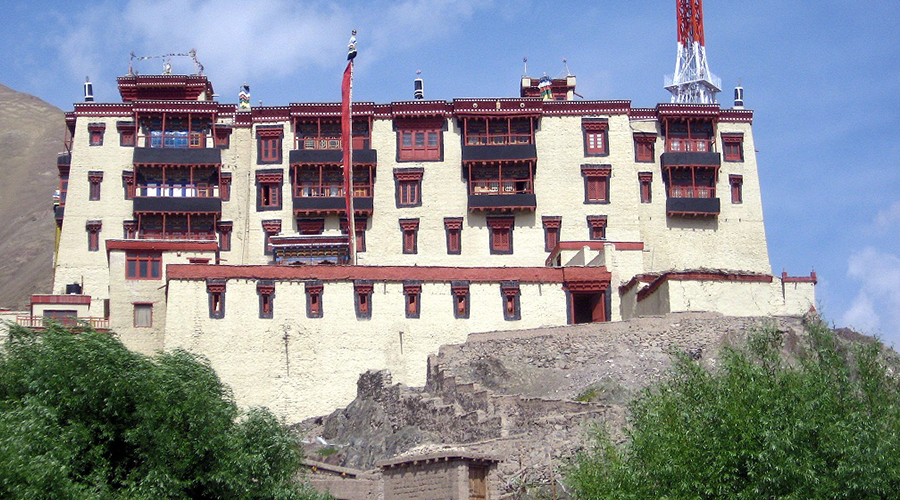
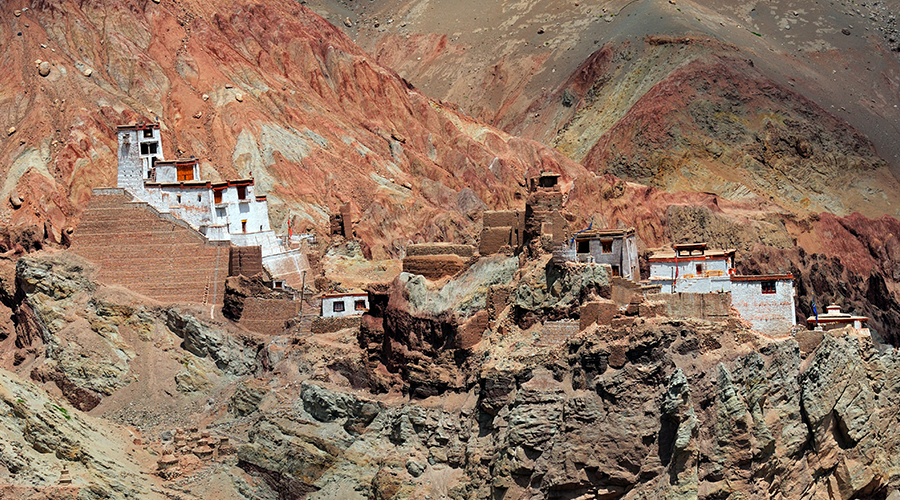
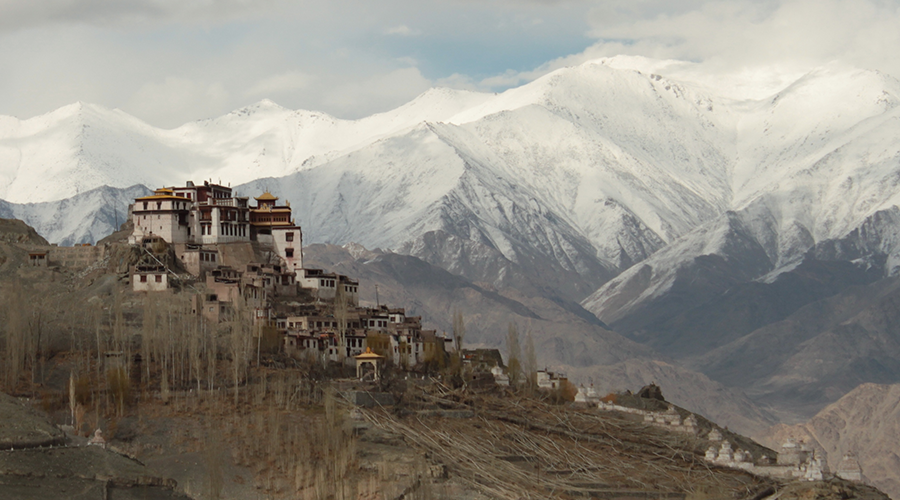
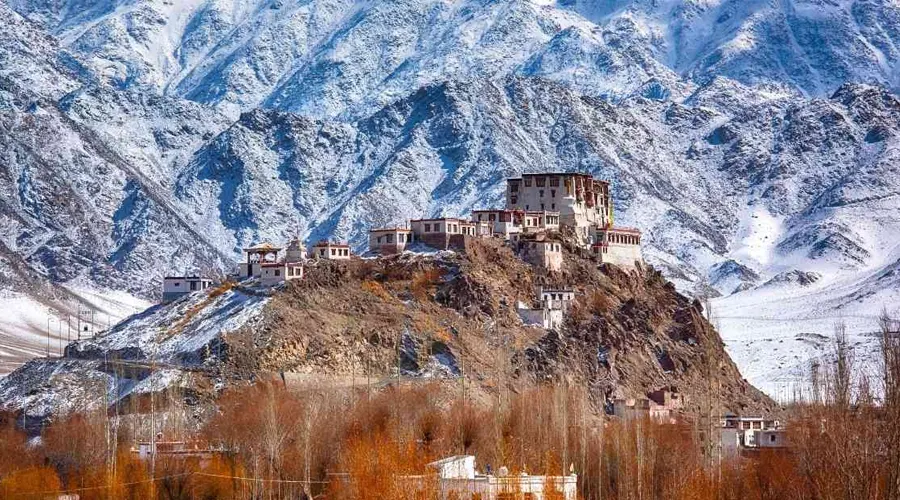
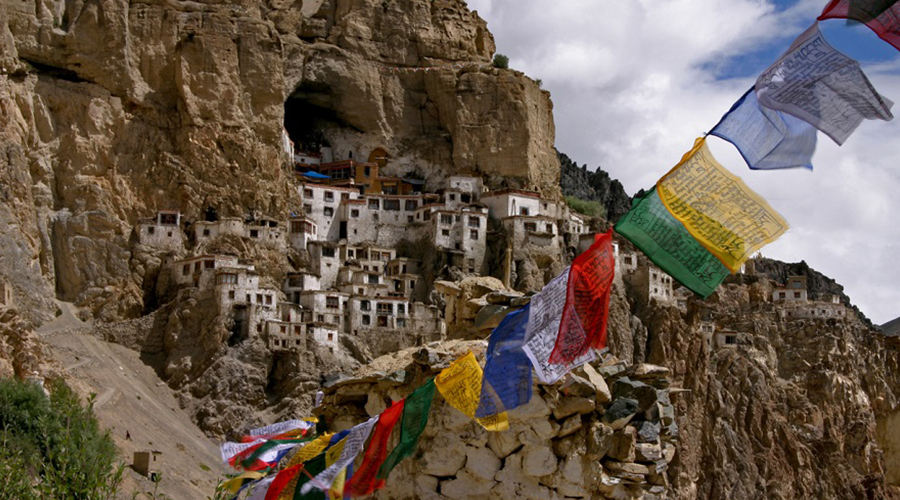
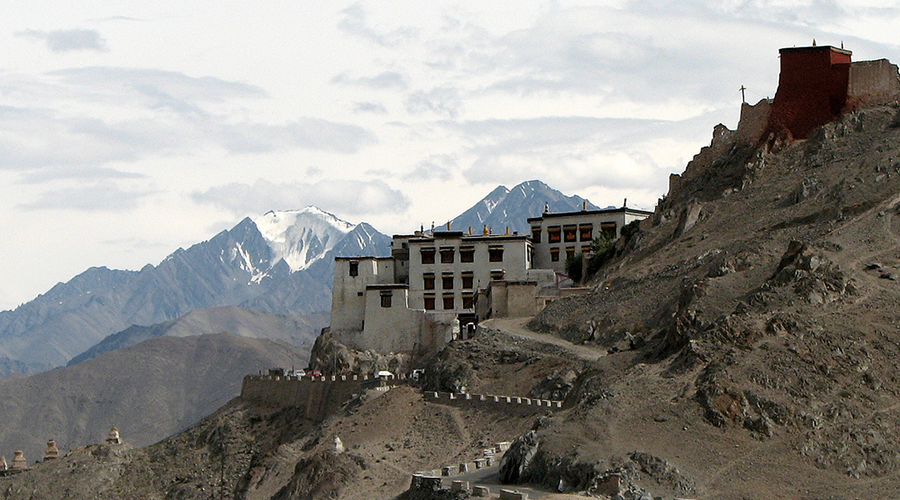
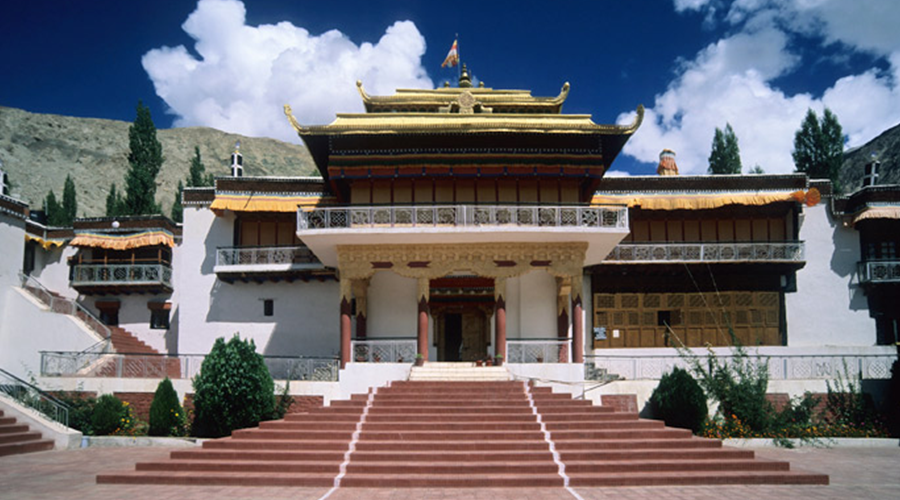
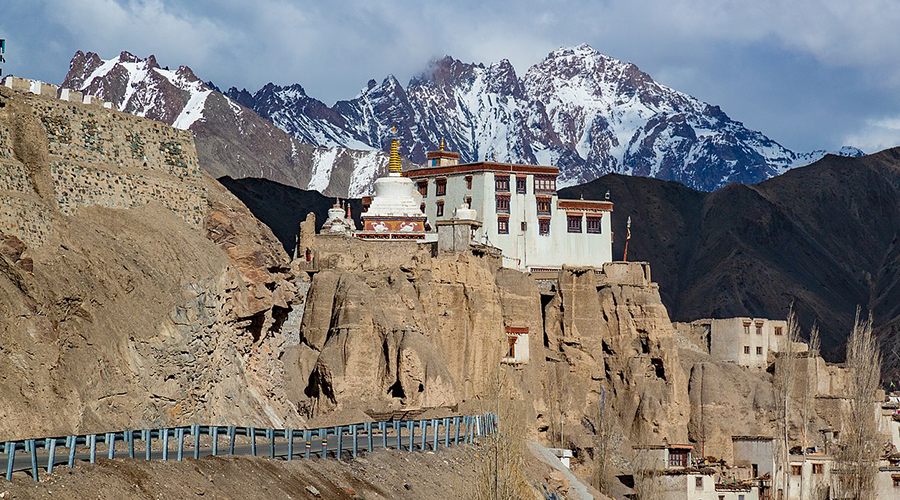
Lamayuru Monastery, also known as Yuru Monastery, is one of the oldest and most iconic Buddhist monasteries in Ladakh. Located around 127 km from Leh, this ancient gompa sits on a dramatic hilltop overlooking the moon-like landscapes of Lamayuru village. Famous for its mystical legends, sacred caves, and annual Yuru Kabgyad Mask Dance Festival, Lamayuru is a must-visit destination for history lovers, spiritual seekers, and photographers.
The monastery belongs to the Drikung Kagyu sect of Tibetan Buddhism and continues to be one of the major learning centers of Ladakh. Its serene atmosphere, ancient murals, prayer wheels, and panoramic vistas make it an unforgettable experience for every traveller.
History of Lamayuru Monastery, Leh Ladakh
The history of Lamayuru Monastery dates back to the 10th–11th century, making it one of the earliest monastic establishments in Ladakh. According to legends, the region was once covered by a lake, which was drained by the great Indian Buddhist scholar Mahasiddha Naropa (956–1041 AD). It is believed that Naropa meditated in a cave here, which still exists within the monastery complex.
Lamayuru was later developed under the guidance of Rinchen Zangpo, the great translator, who was commissioned by the King of Ladakh to build 108 monasteries in the region. One of the earliest temples Seng-Ge-Sgang was built here and still stands as a historical gem.
Earlier, Lamayuru consisted of five major buildings, though only parts of these ancient structures survive today. Over centuries, the monastery became a major centre for Buddhism, rituals, and spiritual learning, and continues to host monks of the Drikung Kagyu lineage even today.
Architecture & Structure of Lamayuru Monastery
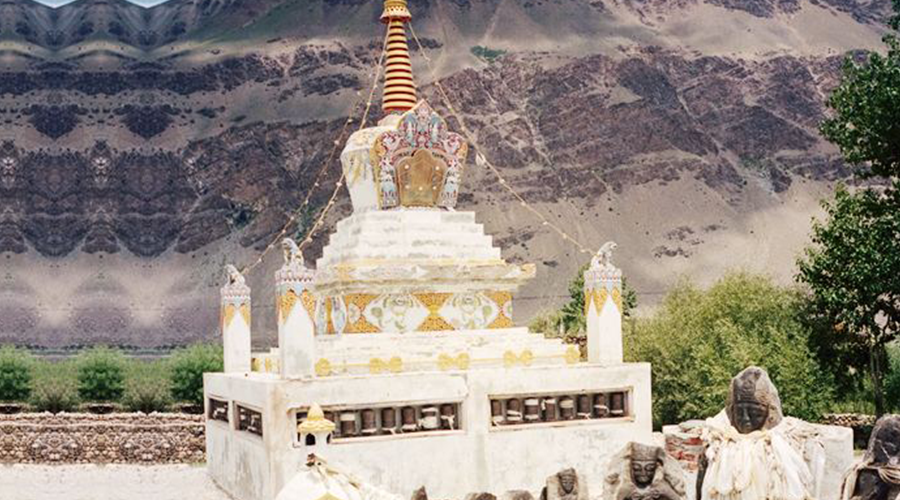
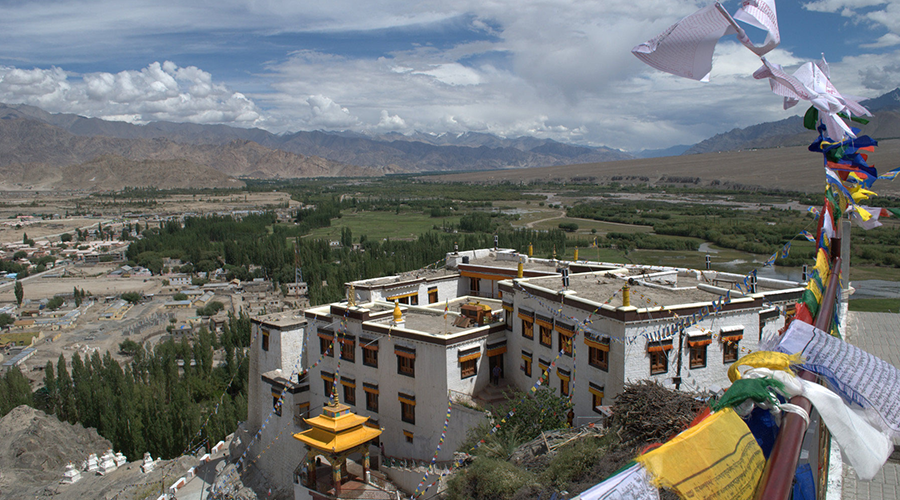
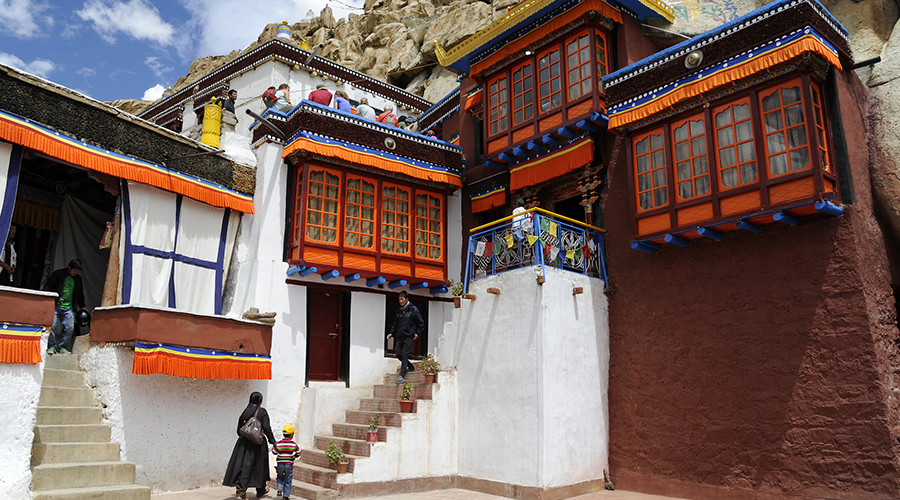
Lamayuru Monastery is known for its remarkable placement on a steep hill, offering majestic views of the Lamayuru Valley. A narrow, winding pathway leads to the main entrance decorated with prayer wheels (mani walls).
Inside the monastery, travellers can explore:
1. Ancient Cave of Naropa
The sacred cave where Naropa meditated is preserved inside the complex and is considered one of the holiest sites.
2. Traditional Assembly Hall (Dukhang)
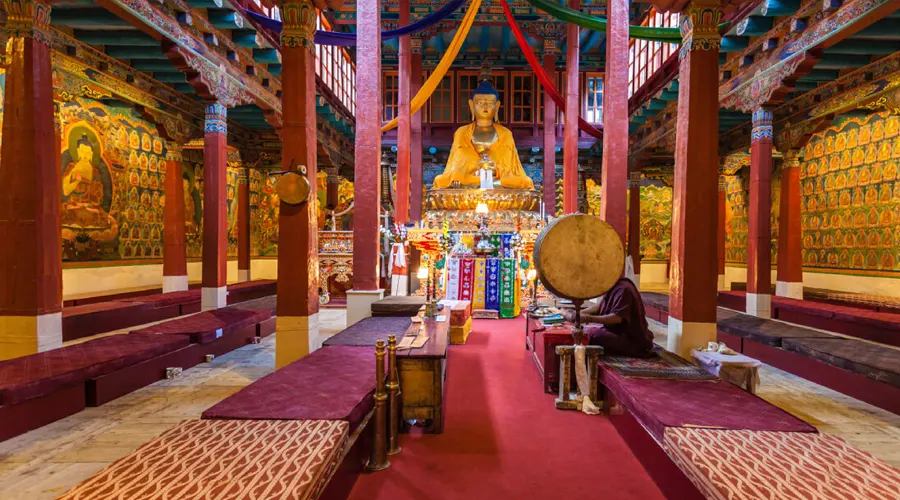
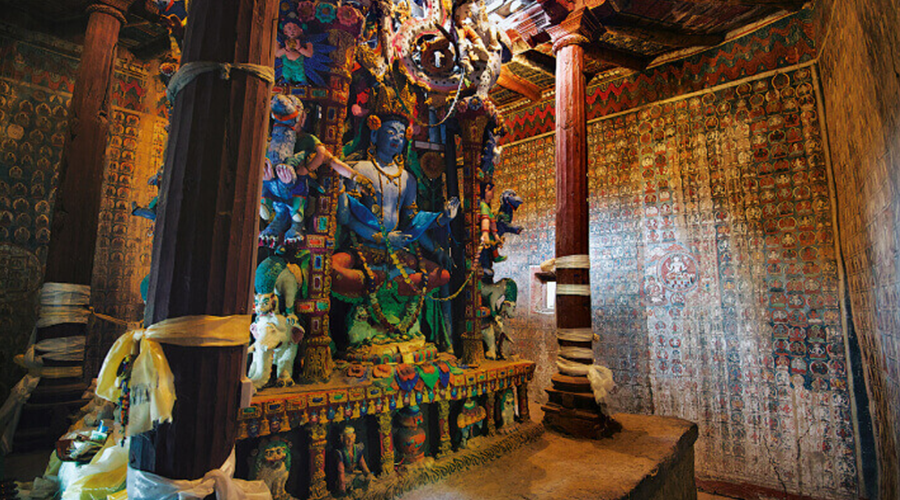
Decorated with vibrant Thangka paintings, Buddhist scriptures, statues, and prayer seats used by the monks.
3. Oldest Surviving Temple – Seng-Ge-Sgang
Built in the 10th century, this temple is among the earliest surviving Buddhist structures in Ladakh.
4. Wall Murals & Paintings
The monastery walls feature centuries-old paintings depicting Buddhist deities, mandalas, and guardian spirits.
5. Ruins of the Original Five Temples
Visitors can walk around the remains of the ancient structures that once made up the original Lamayuru gompa.
6. School & Prayer Halls
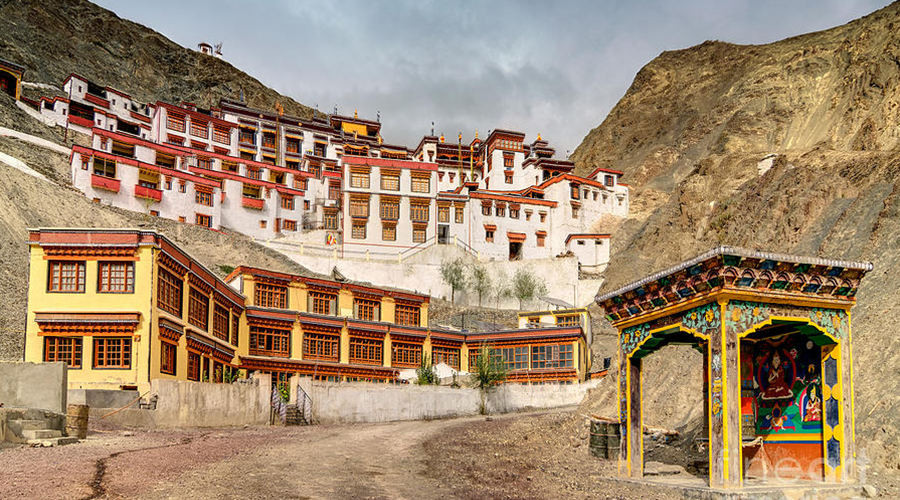
The complex also includes a school for monks and additional prayer halls used for daily rituals.
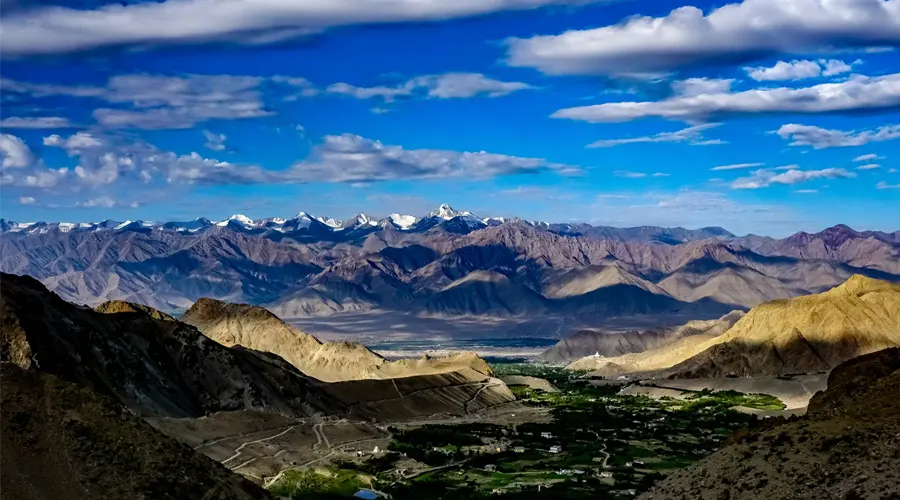
The architectural charm of Lamayuru combined with its moon-like surroundings makes it one of the most photogenic spiritual destinations in Ladakh.
Festival at Lamayuru – Yuru Kabgyad Festival
Lamayuru is famous for its annual Yuru Kabgyad or Yuru Festival, one of the grandest monastic festivals in Ladakh.
Festival Highlights
- Celebrated on the 17th & 18th days of the 5th Tibetan month
- Monks perform sacred masked dances (Cham dances)
- Display of ancient Thangkas and holy shrines
- Rituals that symbolize the victory of good over evil
- Cultural gathering of locals and tourists
The festival is the best time to witness Ladakh’s spiritual traditions and vibrant monastic culture.
3-Day Lamayuru Monastery Trip Itinerary for a Perfect Ladakh Experience
Day 1: Arrival in Leh & Acclimatization
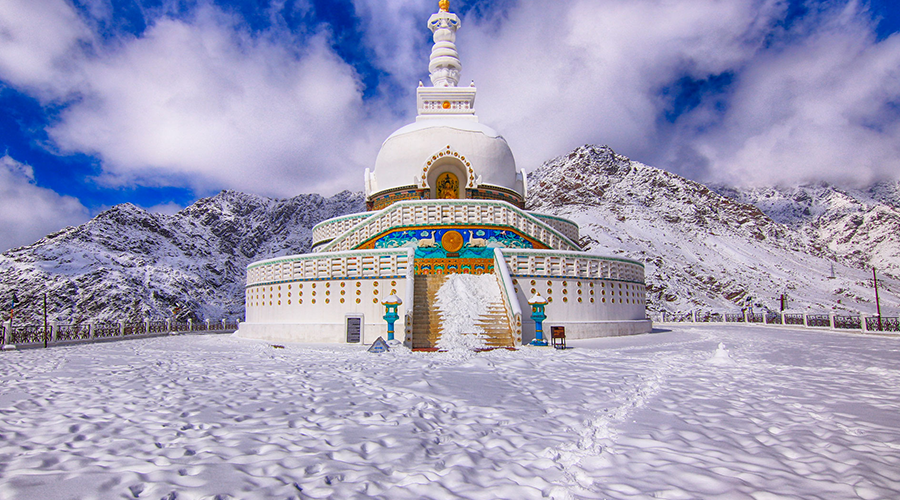
Arrive in Leh by morning and check into your hotel. Spend the day acclimatizing to Ladakh’s high altitude. In the evening, explore the local Leh Market, visit Shanti Stupa for sunset, and get a preview of Ladakh’s Buddhist culture.
Day 2: Leh to Lamayuru (125 km / 3–4 hours) + Monastery Visit
Start early and drive through the scenic Srinagar–Leh Highway. En route, stop at Magnetic Hill, Gurudwara Pathar Sahib, and the Indus–Zanskar Confluence.
Reach Lamayuru by afternoon and explore:
- Ancient Naropa Cave
- The old Seng-Ge-Sgang temple (10th century)
- Main Assembly Hall with Thangka art
- Prayer halls and monk residences
- Ruins of the original five temples
- Moonland landscapes around Lamayuru
Stay overnight in Lamayuru or return to Leh.
Day 3: Attend Yuru Kabgyat Festival / Nearby Attractions
If visiting during June/July, attend the Yuru Kabgyat Festival, where monks perform sacred mask dances (Cham).
Otherwise, explore nearby attractions such as:
- Wanla Gompa
- Ridzong Monastery
- Alchi Monastery
- Basgo Palace
Return to Leh by evening.
Best Time to Visit Lamayuru Monastery, Leh
The ideal time to visit Lamayuru depends on weather and accessibility:
- May to September (Peak Tourism Season):
Best weather, clear roads, perfect for sightseeing and photography. - October to November:
Cold but manageable; great for peaceful visits. - Winter (December–March):
Roads may get blocked; only for experienced or extreme winter travellers.
The Yuru Kabgyad Festival usually falls in June/July, a great time for cultural experiences.
Things to Do at Lamayuru Monastery
- Visit Naropa’s Cave
- Explore the Assembly Hall and ancient murals
- Walk through the ruins of the old temples
- Attend the Yuru Kabgyad Festival
- Enjoy panoramic views of the Moonland Landscapes
- Try local Ladakhi food in Lamayuru village
- Photography of the stunning monastery backdrop
Travel Tips for Visiting Lamayuru
- Carry warm clothes even in summer due to cool winds.
- Roads may be narrow and winding, drive carefully.
- Respect monastery rules, silence, and photography restrictions.
- Acclimatize in Leh before long drives.
- If attending the festival, arrive early to find good seating spots.
- Stay hydrated; the region is at high altitude.
Nearby Attractions to Visit Around Lamayuru Monastery
Here are the major attractions located close to Lamayuru:
1. Moonland (2 km) : The famous lunar-like landscape of Lamayuru is a must-visit, known for its unique rock formations that resemble the moon’s surface.
2. Wanla Monastery (12–13 km) : A beautiful 14th-century monastery belonging to the Drikung Kagyu school, known for its ancient Avalokiteshvara statue.
3. Ridzong Monastery (60 km) : A peaceful monastery hidden inside a narrow gorge, often called the “Paradise for Meditation.”
4. Alchi Monastery (58–60 km) : One of the oldest monasteries in Ladakh, famous for its 10th–11th century Kashmiri-influenced wall paintings.
5. Basgo Palace & Monastery (40–42 km) : Known for its fortress ruins, ancient murals, and panoramic views of the Indus Valley.
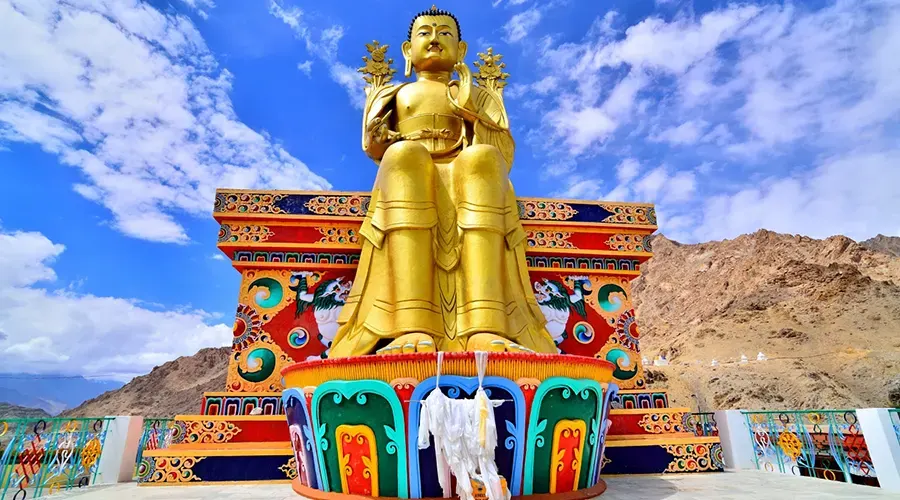
6. Likir Monastery (55–57 km) : A major monastery known for its 75-feet golden Maitreya Buddha statue.
7. Indus–Zanskar Confluence (70–72 km) : A dramatic viewpoint where the two rivers meet, on the way back to Leh
Quick Facts About Lamayuru Monastery
| Category | Details |
|---|---|
| Location | Lamayuru village, Leh District, Ladakh |
| Distance from Leh | 127 km |
| Founded | 10th–11th century |
| Sect | Drikung Kagyu (Red Hat) |
| Famous For | Yuru Kabgyad Festival, ancient murals, moonland landscapes |
| Entry Fee | ₹30–₹50 (approx.) |
| Best Time | May to September |
How to Reach Lamayuru Monastery, Ladakh
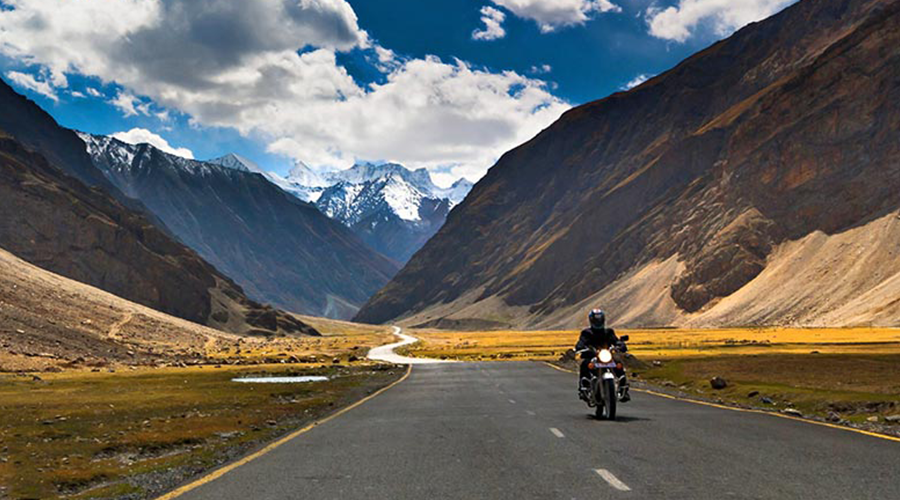
Lamayuru is well-connected via the Srinagar–Leh Highway (NH-1D).
By Road
- From Leh: 127 km (approx. 3–4 hours)
- From Kargil: 112 km
Regular taxis, bikes, and buses are available.
By Air
- Nearest Airport: Kushok Bakula Rimpochee Airport, Leh (127 km)
Hire a cab or take a shared taxi to reach Lamayuru.
Public Transport
- JKSRTC buses and shared taxis operate between Leh, Kargil, and Lamayuru.
Lamayuru Monastery is not just an ancient Buddhist institution but a living heritage that reflects the deep cultural and spiritual roots of Ladakh. Its dramatic landscapes, mystical legends, sacred caves, vibrant festivals, and centuries-old architecture make it one of the most enriching places to explore. Whether you're a history lover, photographer, or spiritual traveller, Lamayuru promises an unforgettable Himalayan experience