Matho Monastery, Leh Ladakh
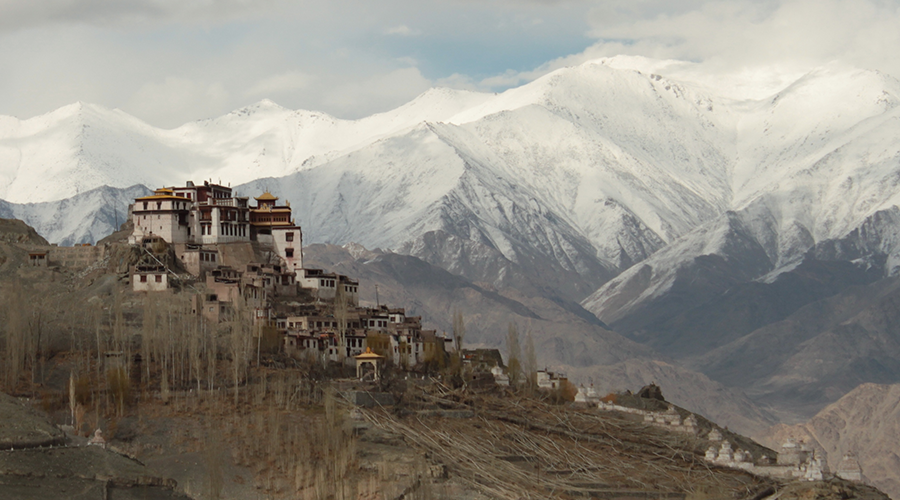
Nestled on the banks of the Indus River, Matho Monastery (Mangtro Gompa) is one of the lesser-known but culturally significant monasteries near Leh, Ladakh. Known for the annual Matho Nagrang Festival and its ancient collection of Buddhist Thangkas, the monastery is a major attraction for spiritual seekers, history enthusiasts, and photographers. It is one of the two Sakya Order monasteries in Ladakh, making it a unique destination to explore Tibetan Buddhist heritage.
History of Matho Monastery, Leh Ladakh
Matho Monastery was founded in 1410 AD by Lama Dugpa Dorje and belongs to the Sakya Order of Tibetan Buddhism. Over the centuries, it became a revered center for Buddhist learning and meditation.
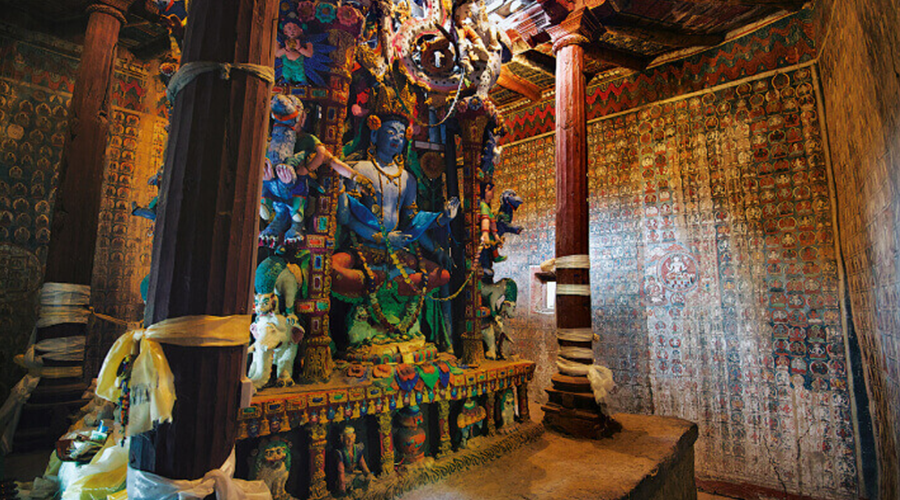
The monastery is especially famous for preserving 400–600-year-old Thangkas that depict Sakya traditions, Buddhist deities, and sacred rituals. Due to the deteriorating condition of the original structures, a new assembly hall was constructed in 1970, allowing the monastery to continue its spiritual activities while accommodating visitors and monks alike.
Key Highlights:
- Founded By: Lama Dugpa Dorje
- Founded In: 1410 AD
- Sect: Sakya Order (Sakyapa)
- Special Feature: Ancient Thangkas (400–600 years old)
- Festival: Matho Nagrang Festival
- Renovation: New assembly hall built in 1970
Architecture & Structure
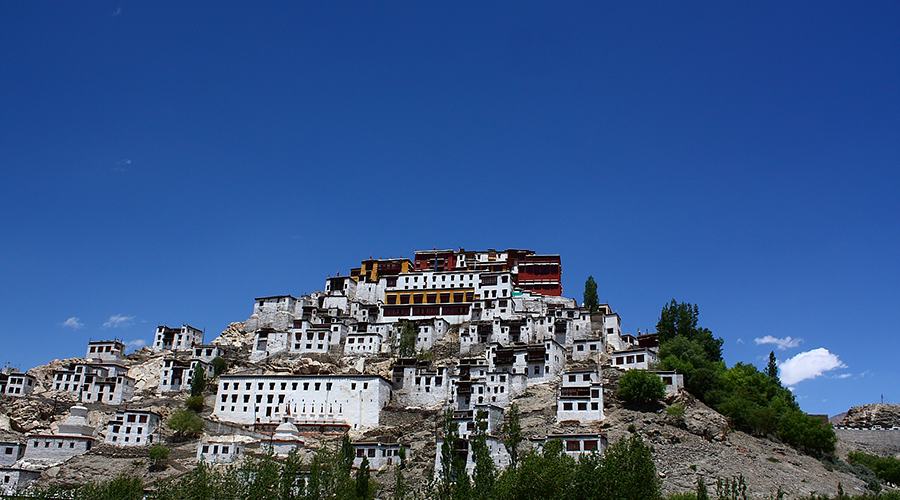
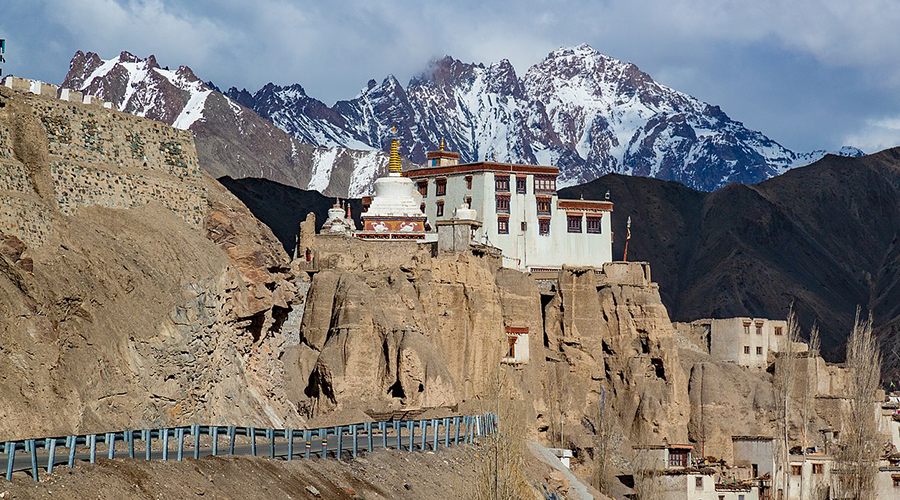
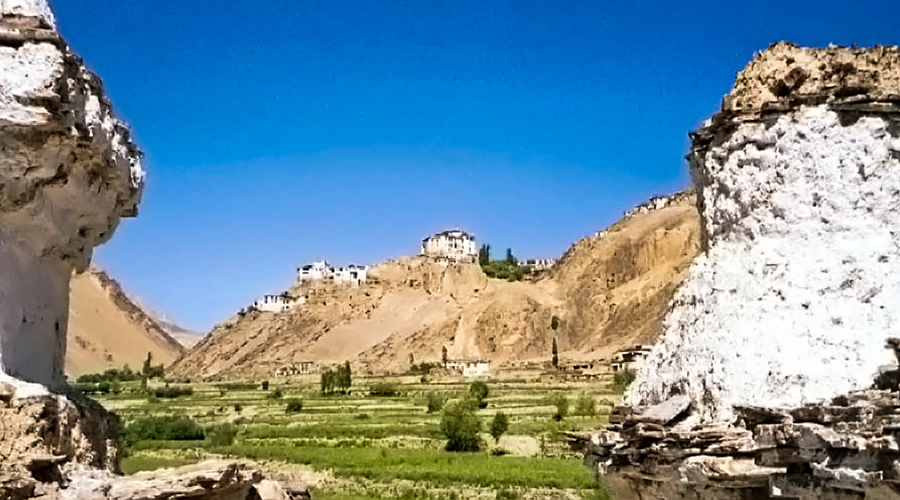
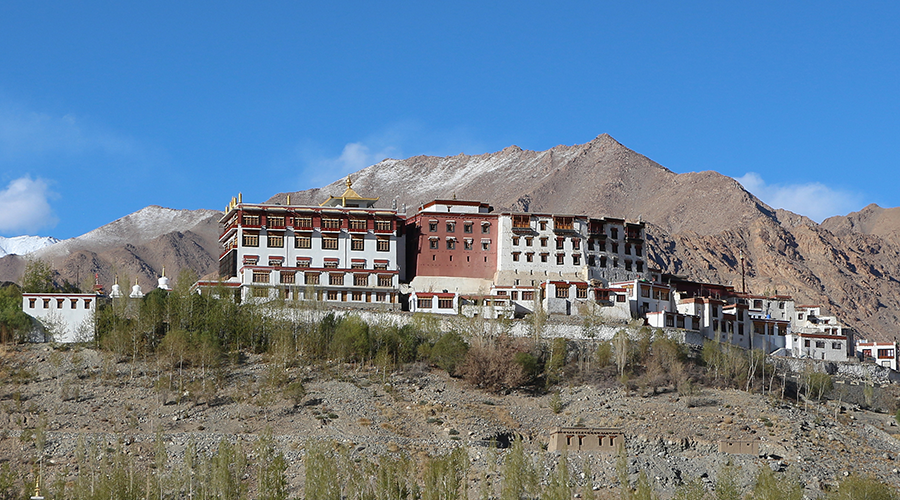
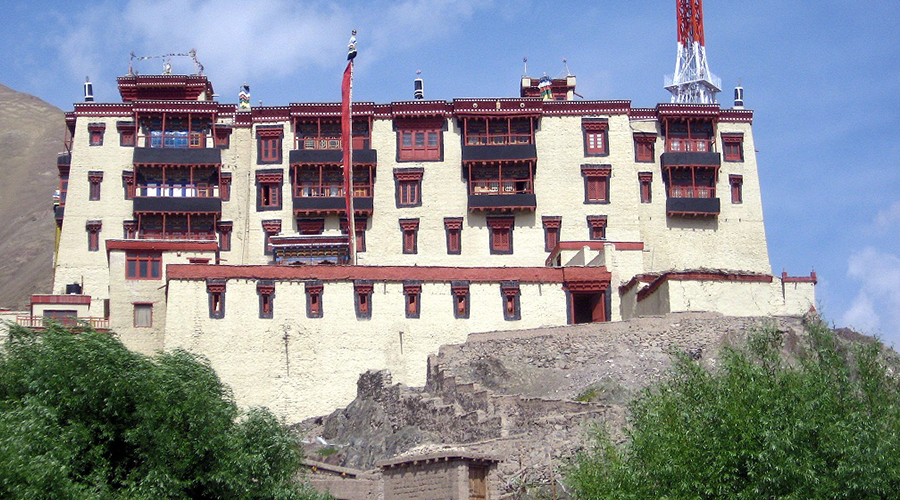
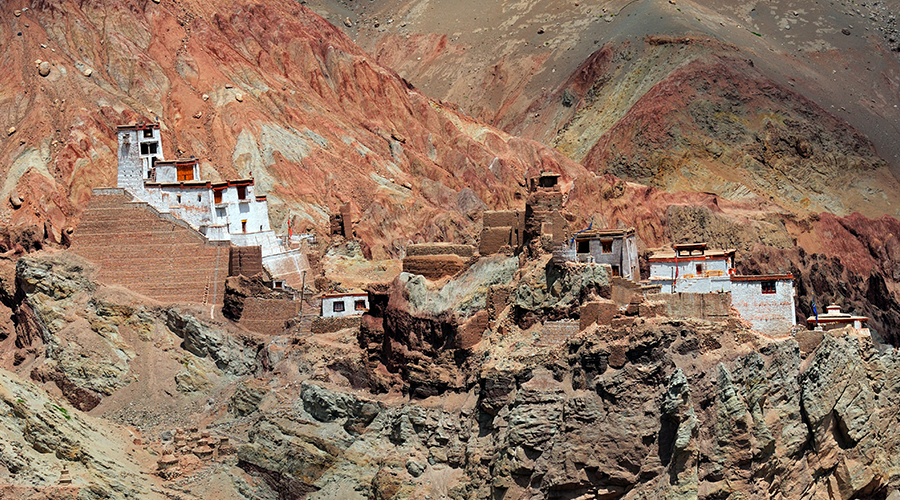
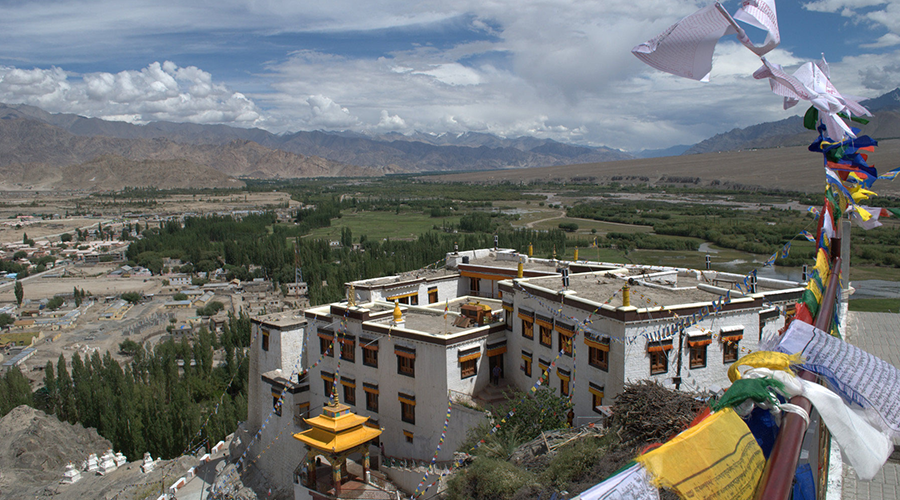
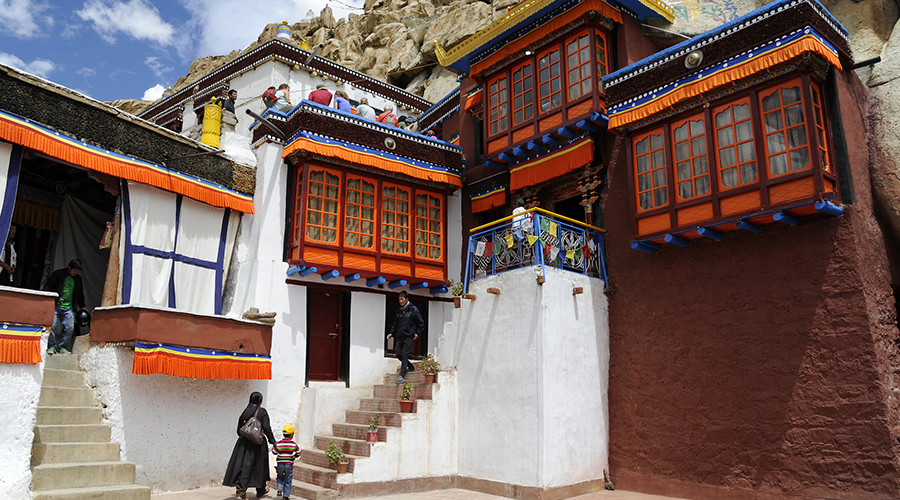
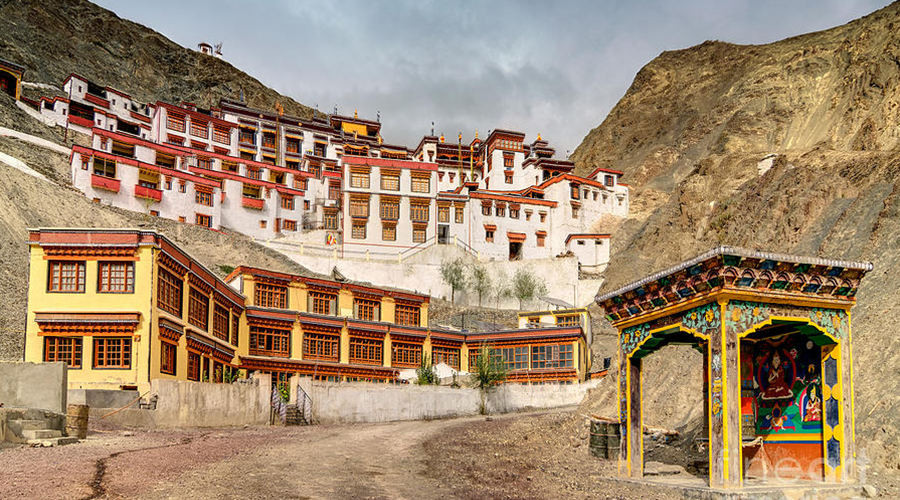
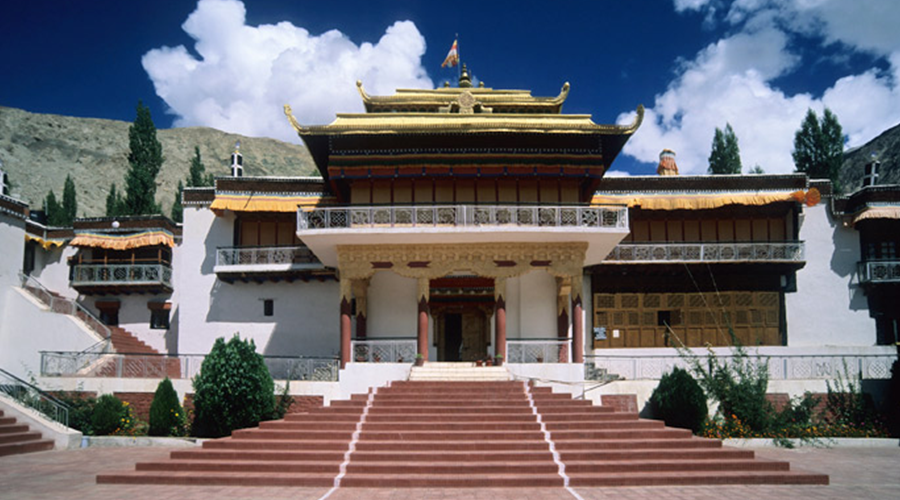
Matho Monastery follows the Tibetan monastic architectural style with its whitewashed walls and simple yet elegant interiors. Key features include:
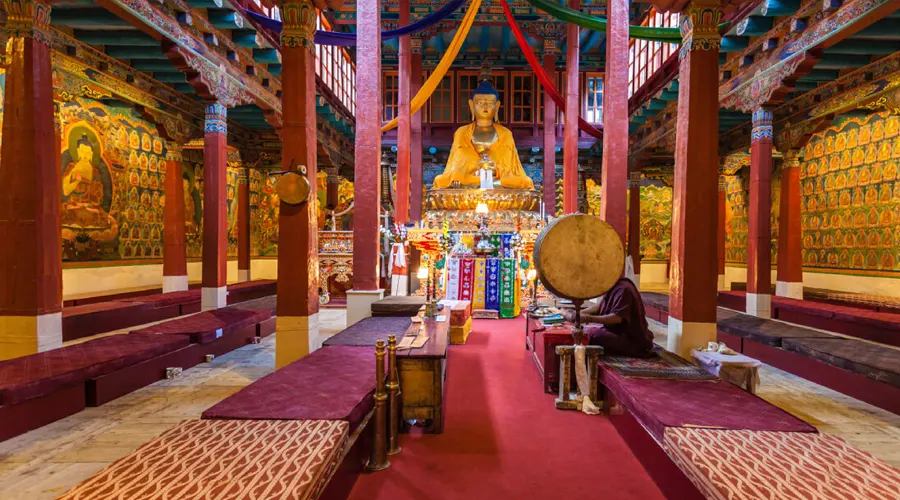
- Dukhang (Assembly Hall): Central prayer hall adorned with murals and statues of Sakya Pandita and other revered lamas.
- Upper Chapel: Houses sacred images and relics.
- Matho Museum: Exhibits ancient Thangkas, manuscripts, and Buddhist artifacts.
- Residential Quarters: Monks’ living spaces integrated into the monastery complex.
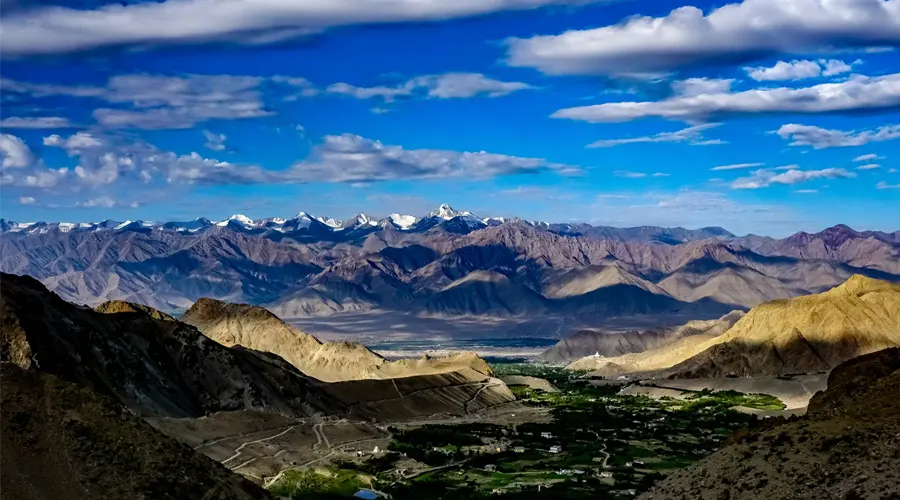
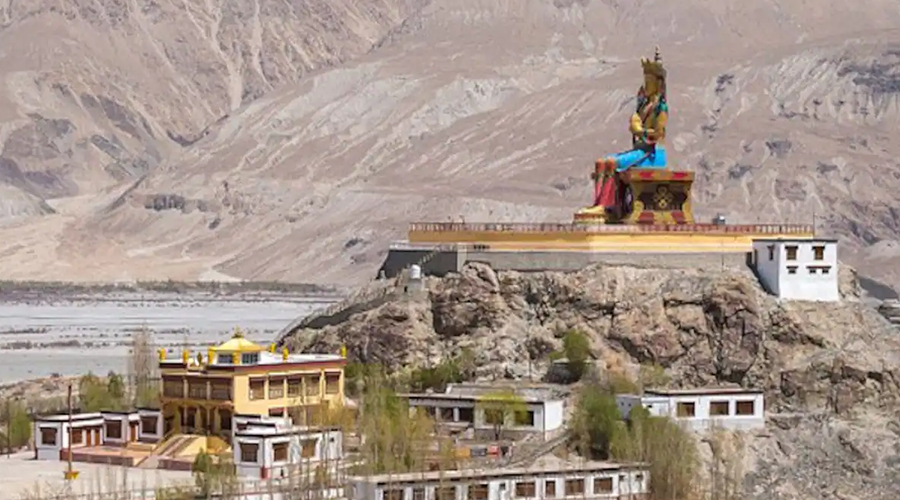
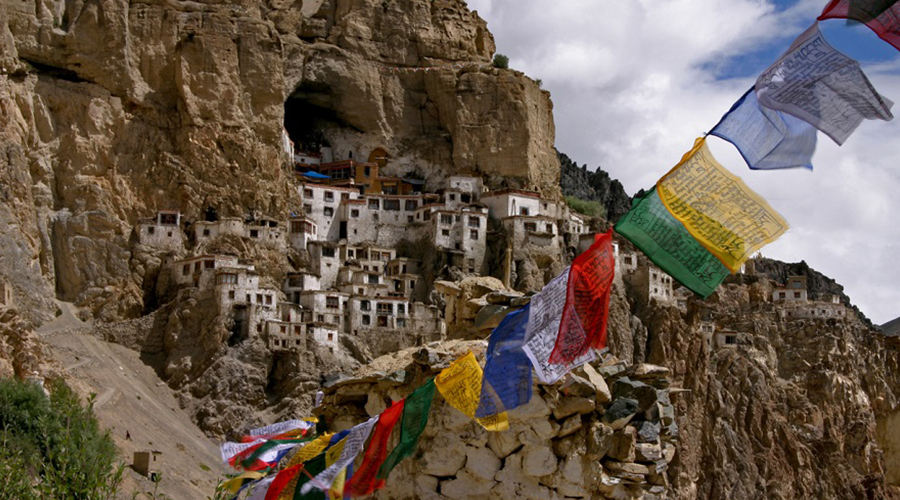
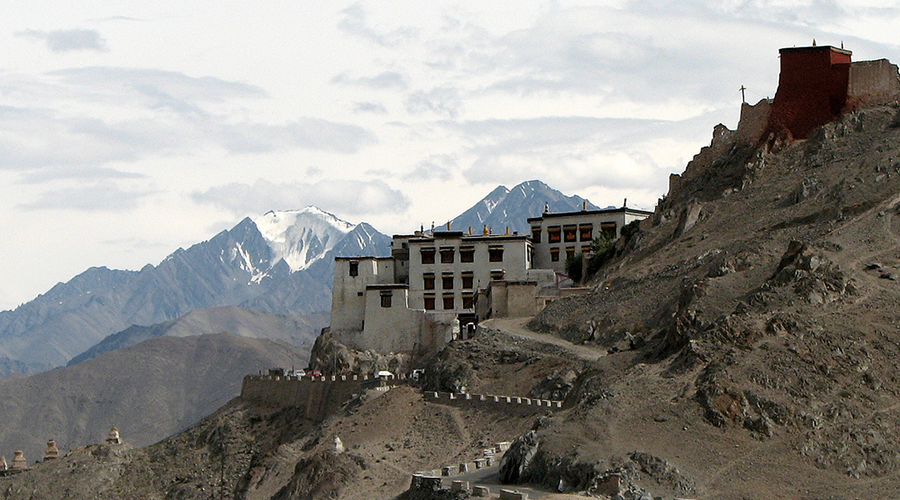
The monastery’s elevated location provides panoramic views of the Indus Valley, creating a serene environment for meditation and spiritual reflection.
Matho Monastery Travel Itinerary Ladakh
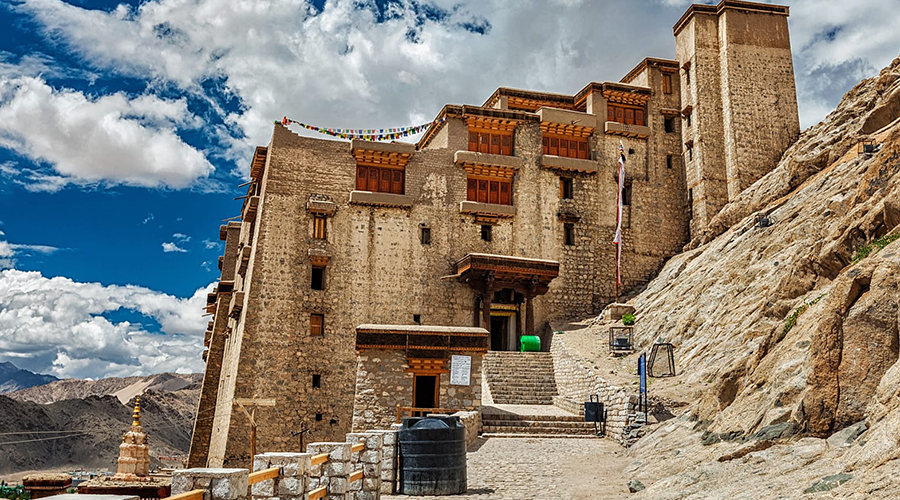
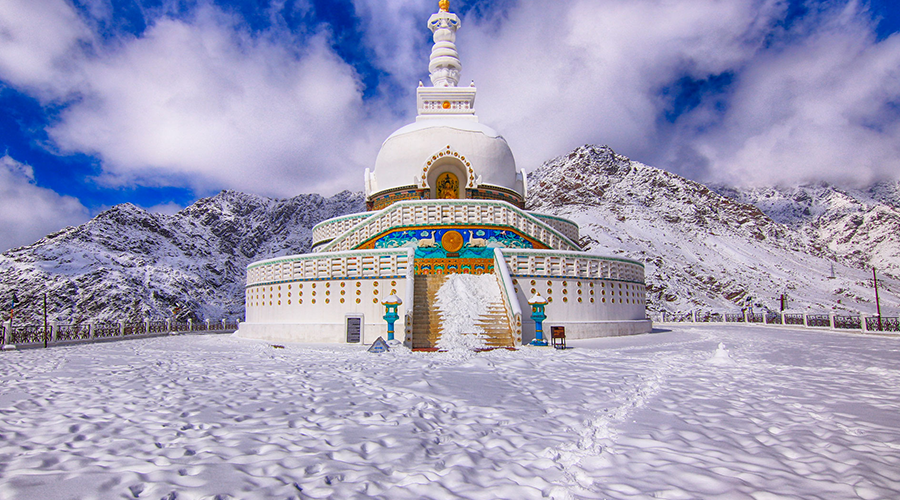
Day 1: Arrive in Leh and acclimatize. Visit Leh Palace and Shanti Stupa to enjoy scenic views and cultural immersion.
Day 2: Drive to Matho Monastery (26 km / 1 hr). Explore the monastery, the Dukhang, the museum, and the surrounding area. Time your visit with the Matho Nagrang Festival if possible for an extraordinary cultural experience.
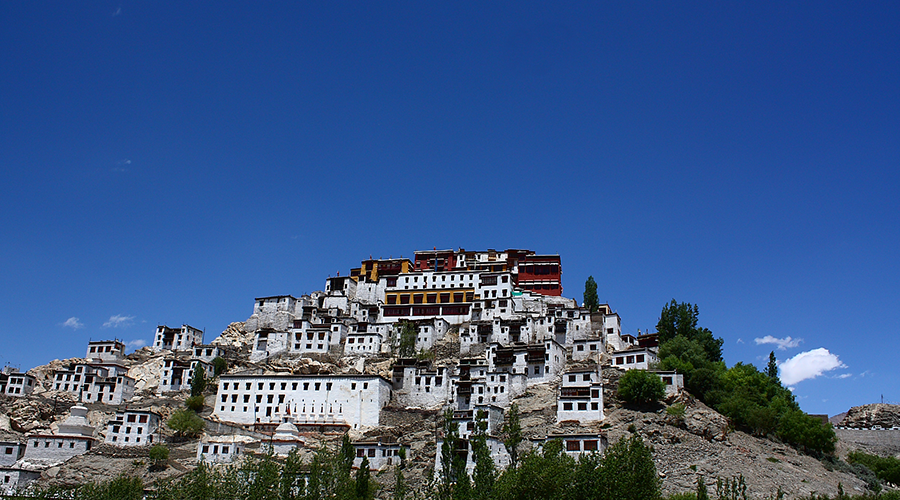
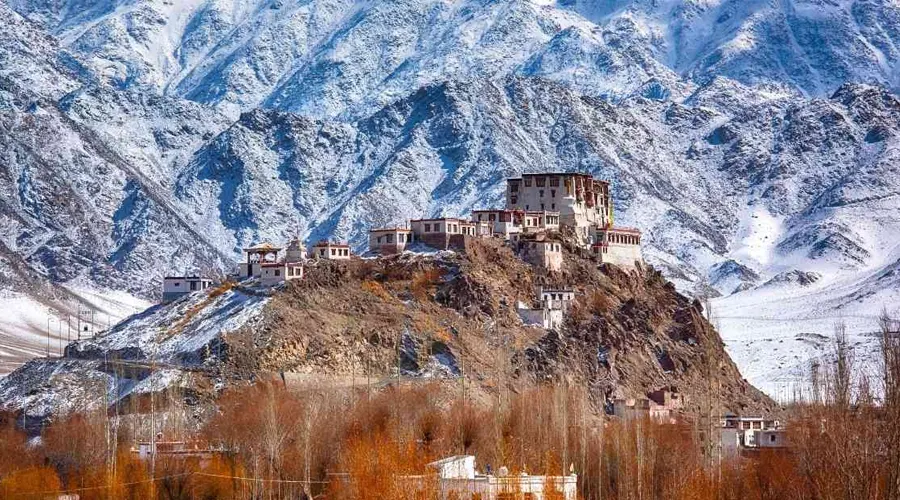
Day 3: Visit nearby attractions including Thiksey Monastery (opposite Matho) and Shey Monastery. Return to Leh in the evening.
Nearby Attractions
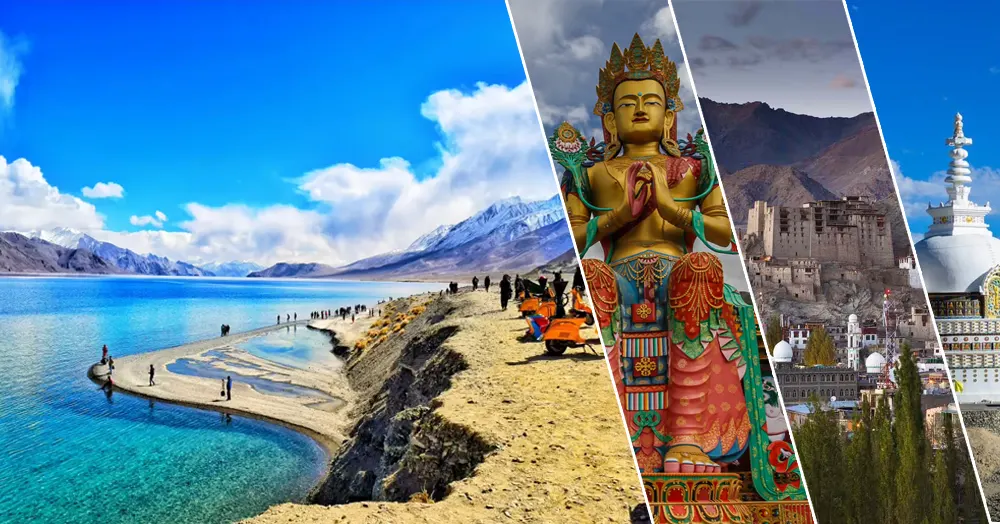
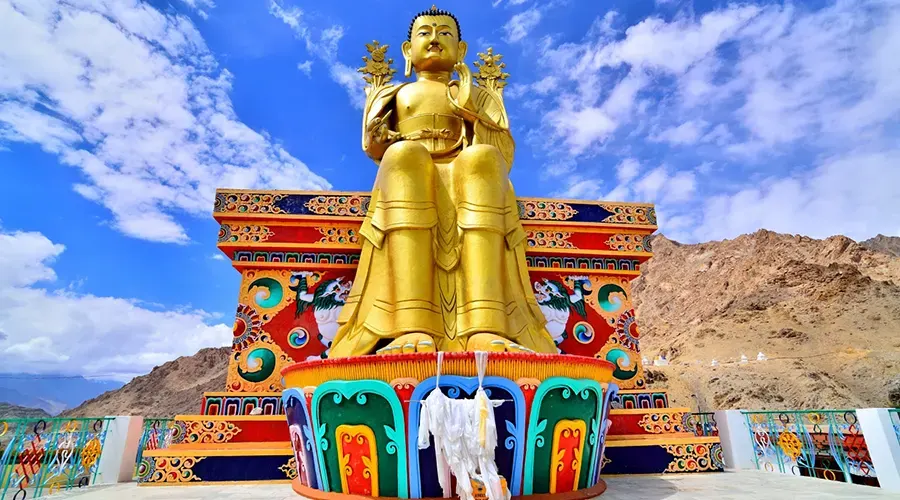
- Thiksey Monastery (3 km): Famous for its 15-meter Maitreya Buddha statue.
- Shey Monastery & Palace (12 km): Former summer capital with golden Buddha statue.
- Leh Market (26 km): Shop for souvenirs, prayer flags, and handicrafts.
- Indus River Views: Scenic riverside walks near Matho.
Travel Tips
- Best Time to Visit: May to September (clear roads and pleasant weather).
- Altitude Precaution: Acclimatize in Leh to avoid altitude sickness.
- Dress Modestly: Remove shoes before entering prayer halls.
- Photography: Ask for permission inside assembly halls.
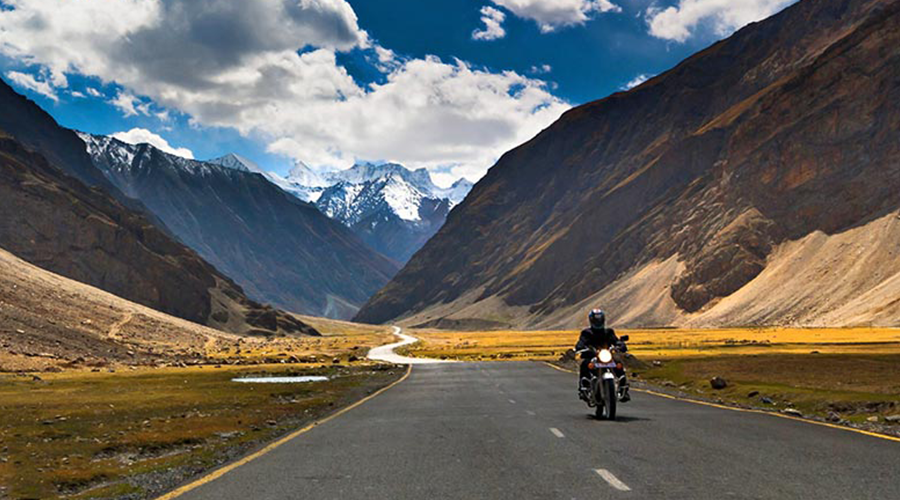
- Local Transport: Private taxis or rented bikes from Leh are recommended.
Quick Facts - Matho Monastery, Leh Ladakh
| Attribute | Details |
|---|---|
| Location | Matho Village, Leh District, Ladakh |
| Altitude | Approx. 3,400 meters above sea level |
| Founded In | 1410 AD |
| Founded By | Lama Dugpa Dorje |
| Sect | Sakya Order (Sakyapa) |
| Main Attraction | Matho Nagrang Festival, Ancient Thangkas |
| Distance from Leh | 26 km |
| Resident Monks | Around 30–40 monks |
| Best Time to Visit | May to September |
How to Reach Matho Monastery Ladakh
- By Air: Nearest airport is Kushok Bakula Rimpochee Airport, Leh (26 km).
- By Road: Well-connected via Leh–Thiksey–Matho route; taxis or rental bikes recommended.
- By Bus: Shared taxis and JKSRTC buses operate from Leh to Matho village.
Matho Monastery is a hidden gem of Ladakh, offering a blend of spiritual tranquility, historical significance, and cultural heritage. With its ancient Thangkas, the famed Matho Nagrang Festival, and breathtaking views of the Indus Valley, it is a must-visit for travelers seeking offbeat Buddhist experiences near Leh.