Stakna Monastery, Leh Ladakh
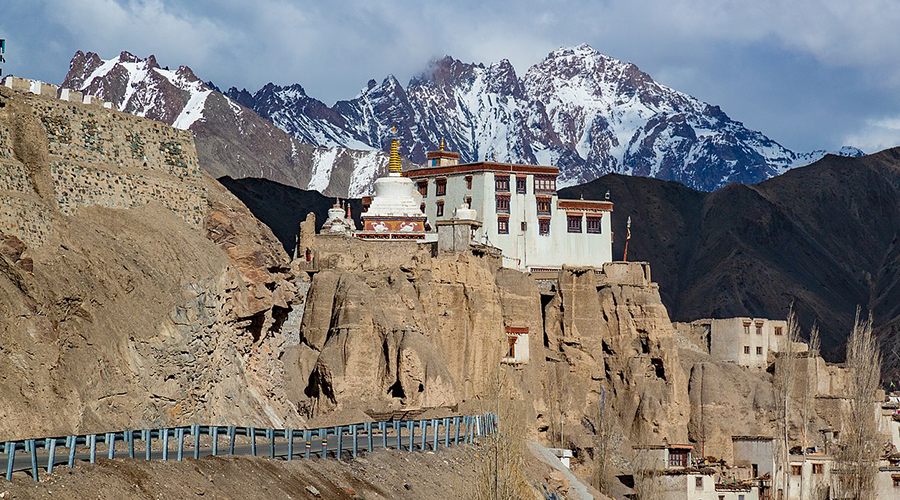
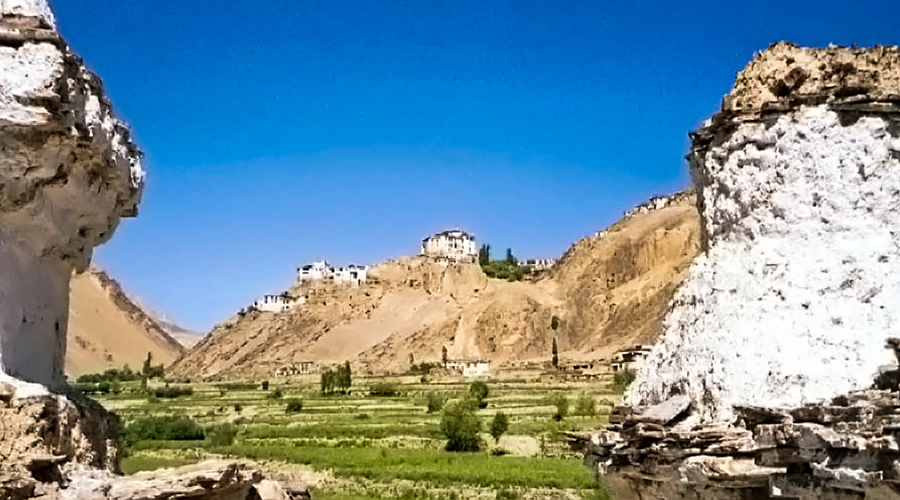
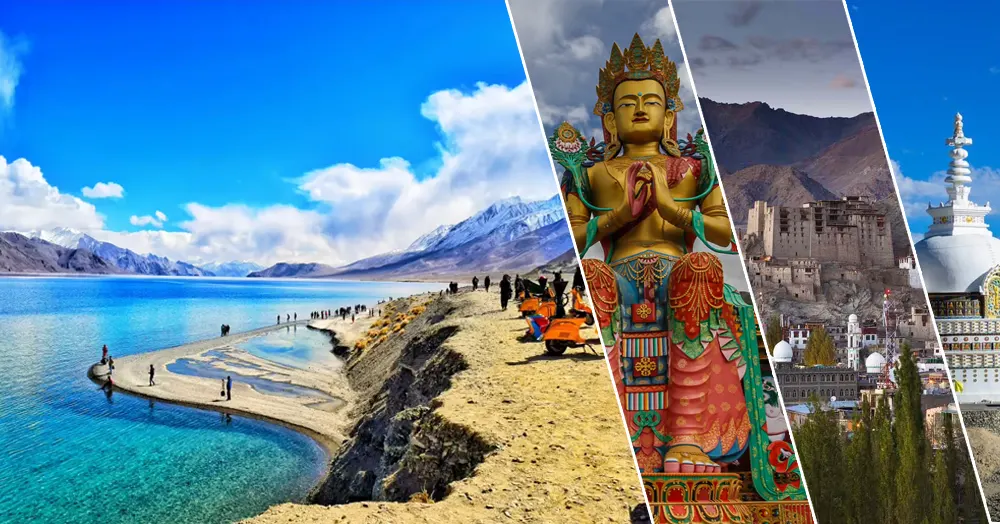
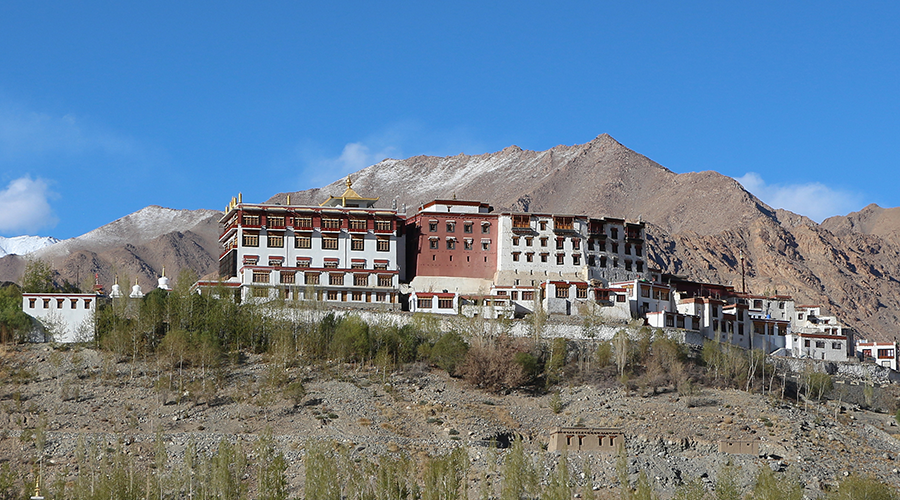
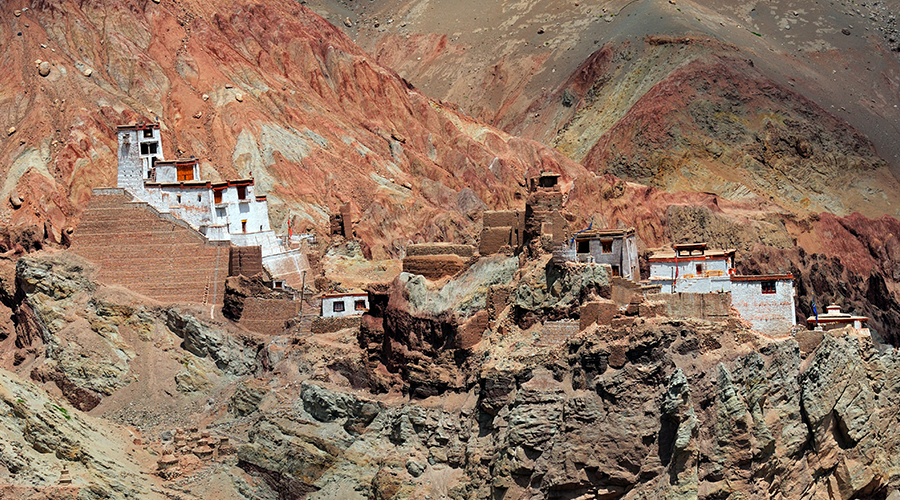
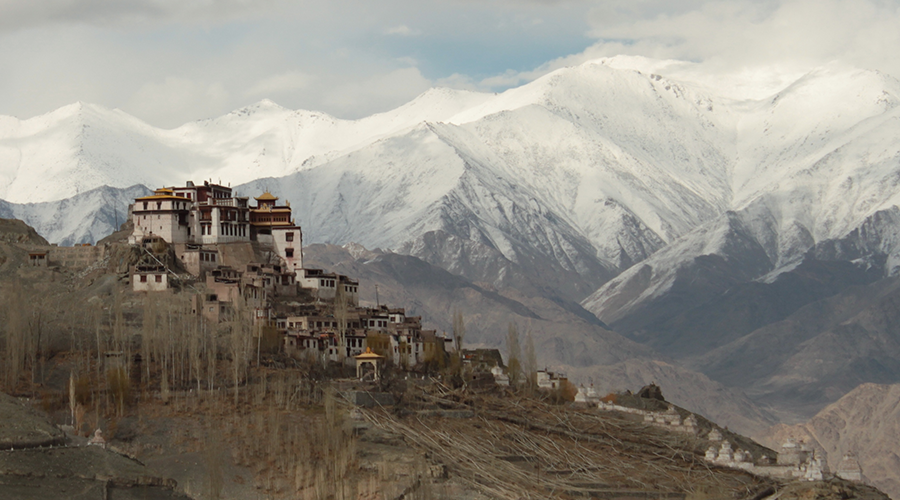
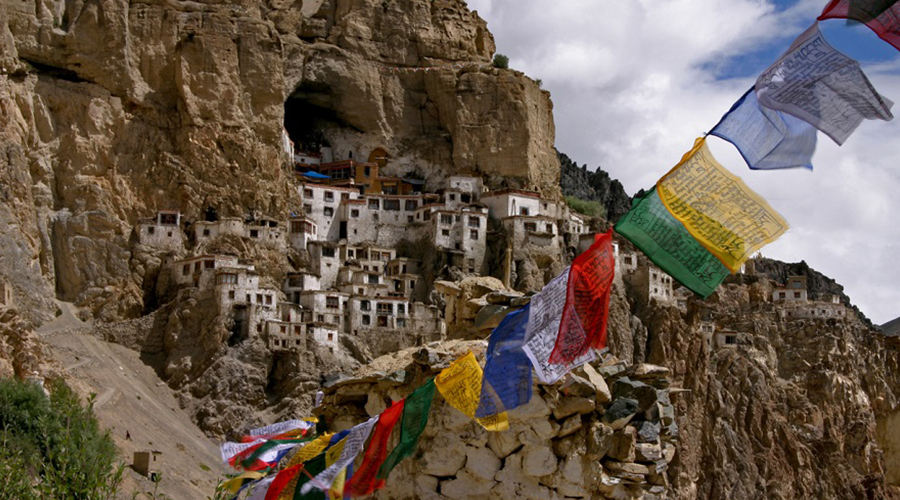
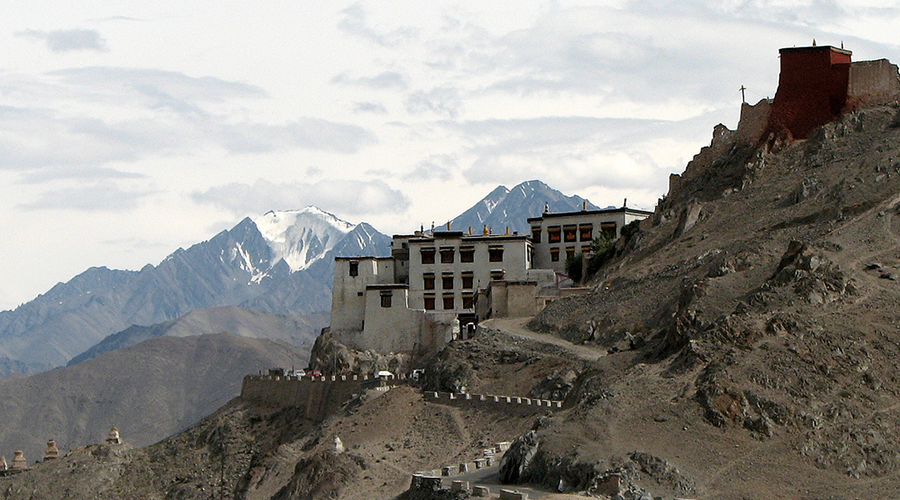
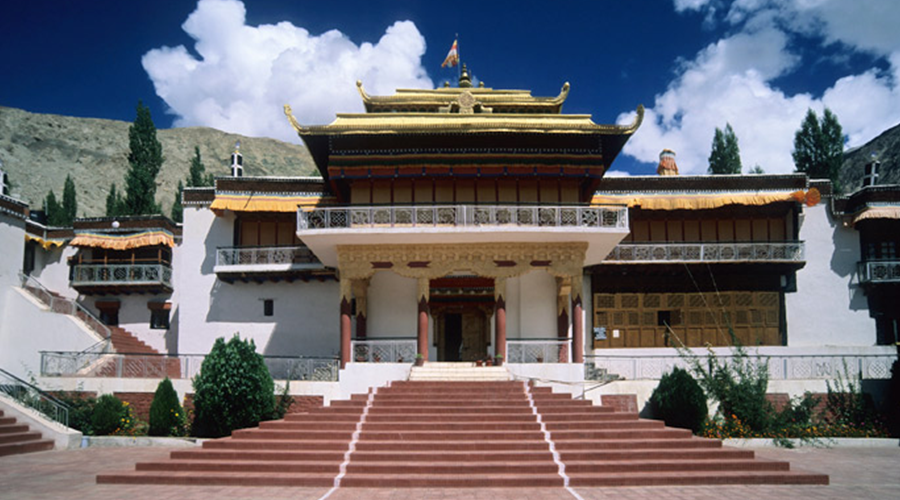
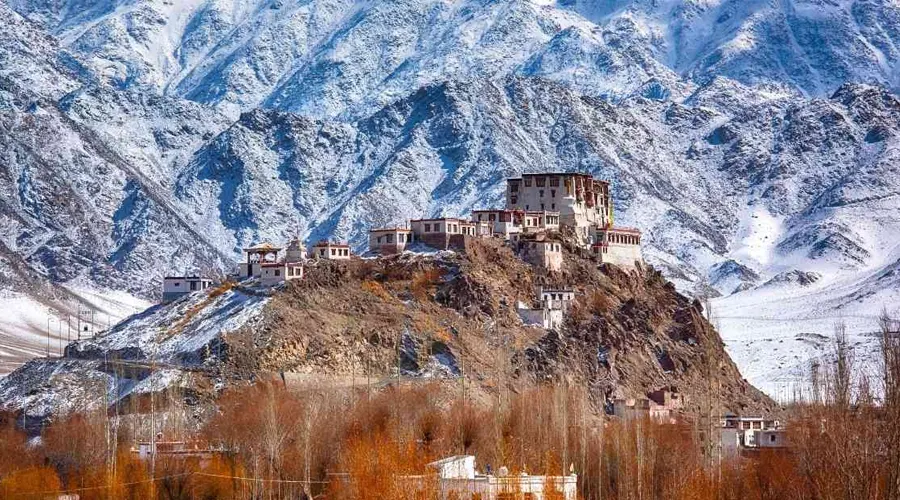
Perched gracefully on a rocky hilltop overlooking the Indus River, Stakna Monastery is one of the most scenic and peaceful monasteries in Leh Ladakh. Its name, “Stakna,” translates to “Tiger’s Nose,” a title inspired by the shape of the hill it sits upon. Located about 25 km from Leh, this monastery is a spiritual abode belonging to the Drugpa (Drukpa) sect of Tibetan Buddhism.
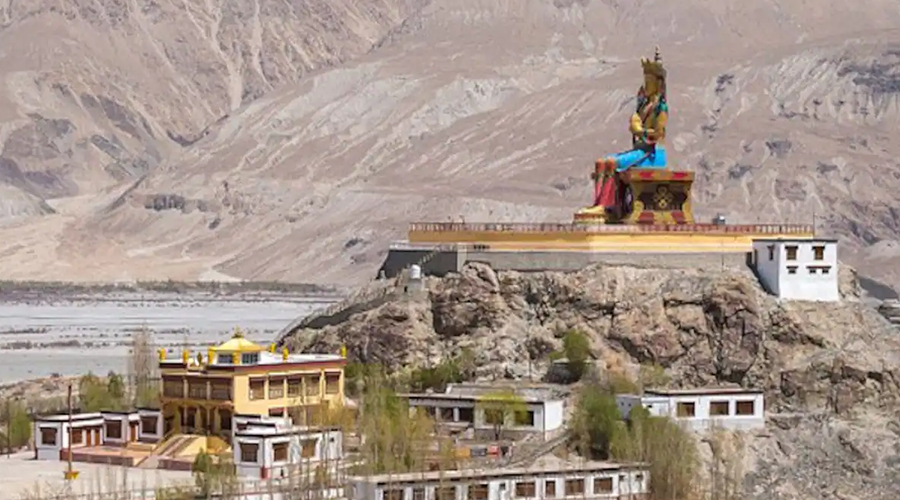
While smaller and quieter compared to Hemis or Thiksey, its charm lies in its solitude and panoramic views of the Hemis and Thiksey Monasteries across the valley.
History of Stakna Monastery, Leh Ladakh
The origins of Stakna Monastery date back to the 16th century when it was founded by the Bhutanese scholar and saint Chosje Jamyang Palkar. He arrived in Ladakh with the purpose of spreading the teachings of Buddhism and establishing a center for the Drugpa sect.
The monastery’s name - Stakna or “Tiger’s Nose” - came from the resemblance of the hill on which it stands to the nose of a tiger, as observed by locals. Over the centuries, it has remained an important center of Buddhist learning and meditation, home to around 30 resident monks.
Architecture and Structure
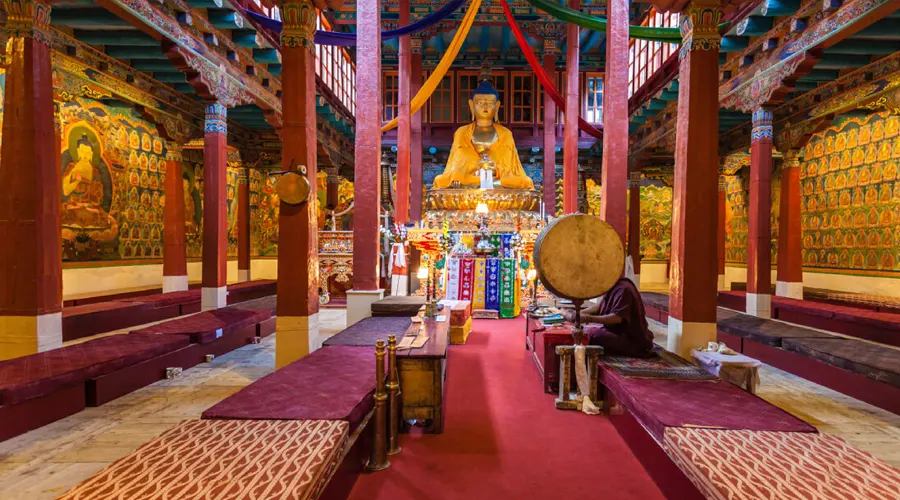
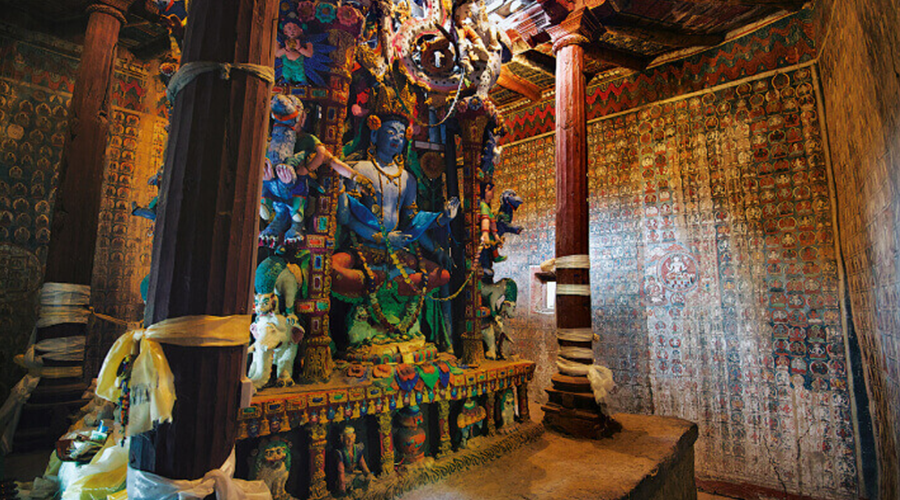
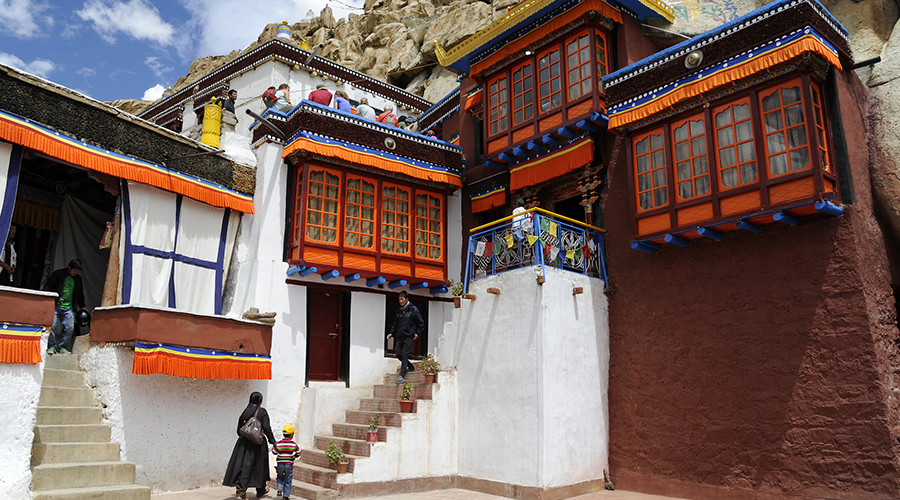
The monastery may appear modest from the outside, but its inner sanctum and artwork reveal remarkable craftsmanship. The main assembly hall (Dukhang) is adorned with vibrant murals of Sakyamuni Buddha, Tsephakmad, and Amchi.
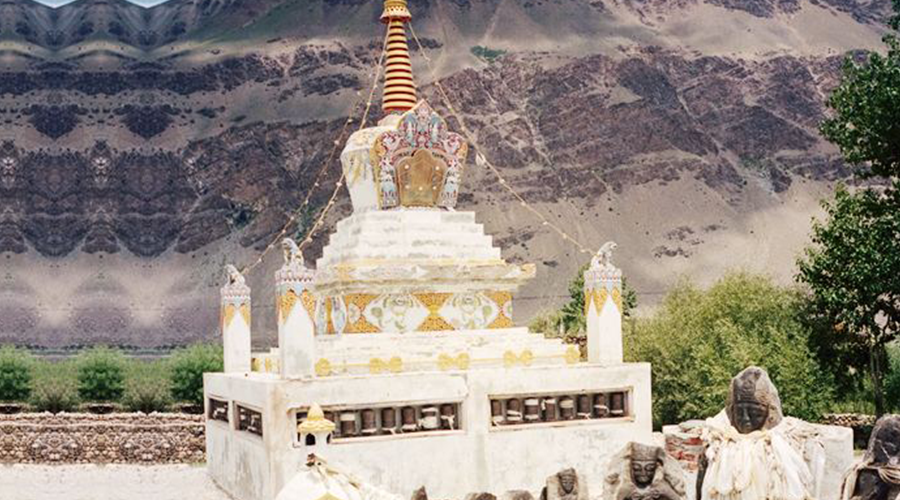
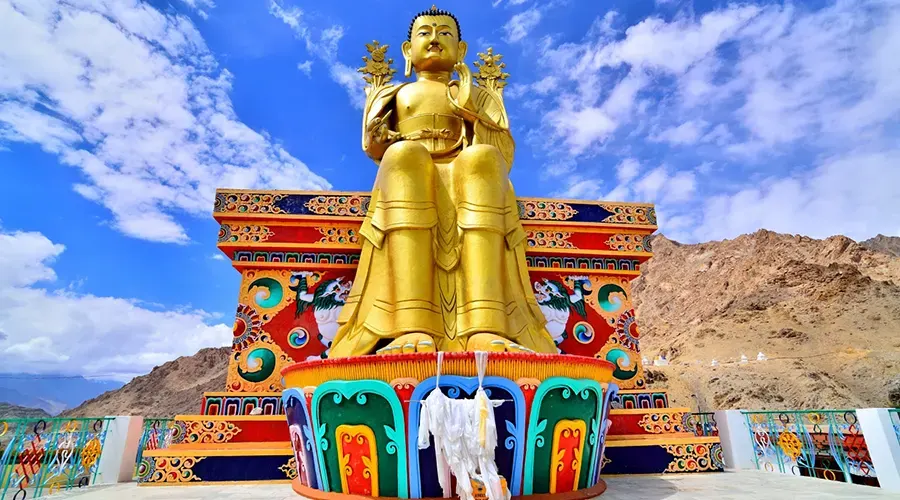
A seven-foot silver Chorten inside the hall holds sacred relics and scriptures, while walls are lined with stunning paintings of Bodhisattva, Padmasambhava, and Tshong-san-Gompa. The monastery also houses a large statue of Lord Buddha, giving visitors a serene sense of divine peace.
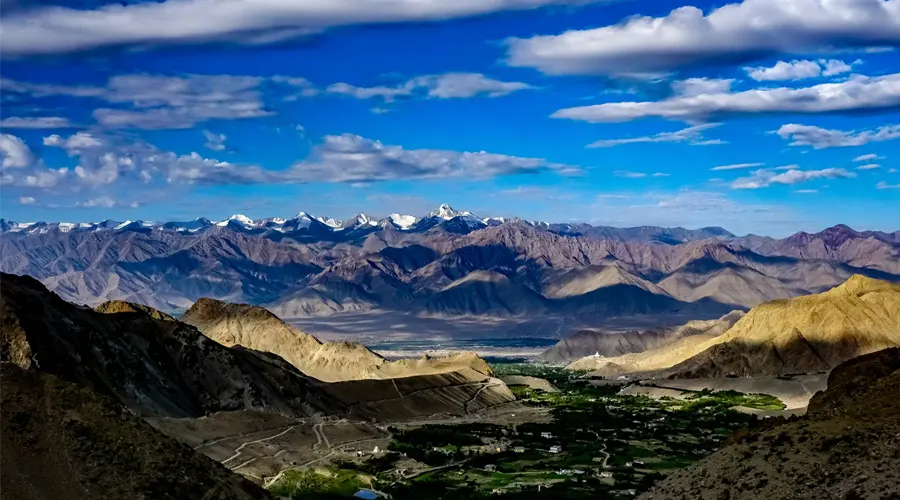
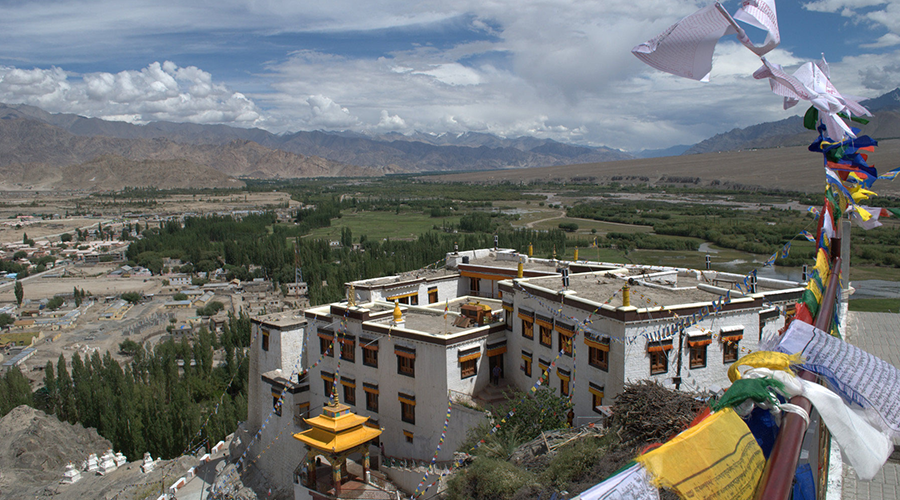
From the monastery courtyard, travelers can enjoy panoramic views of the Indus River valley and surrounding monasteries like Hemis and Thiksey.
Suggested Itinerary for Visiting Stakna Monastery, Leh Ladakh
Day 1 – Arrival in Leh and Acclimatization
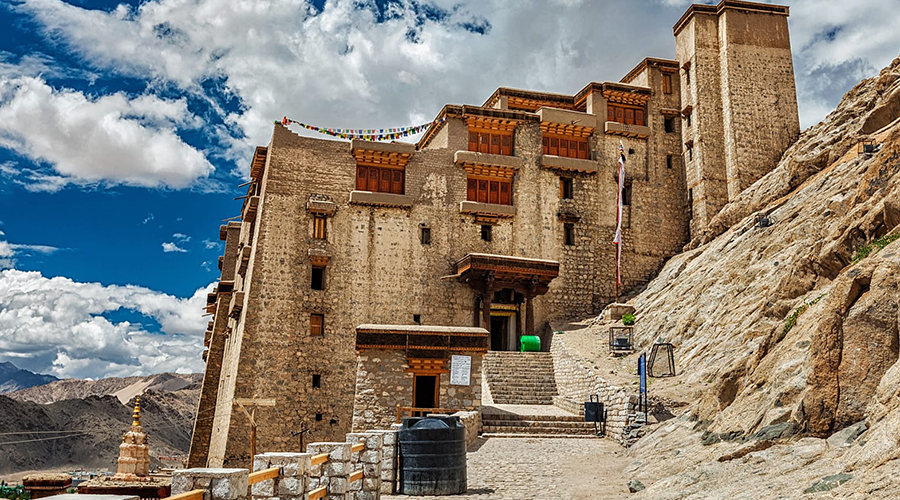
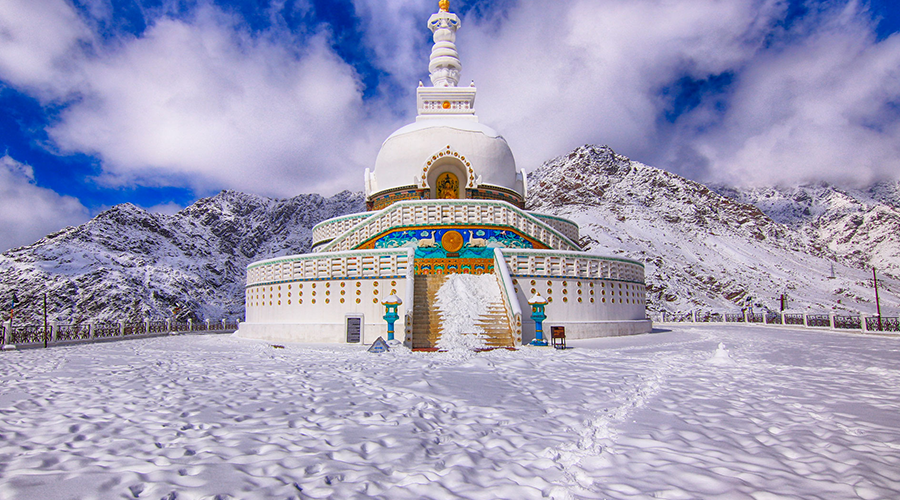
Arrive at Kushok Bakula Rimpochee Airport (Leh), one of the highest commercial airports in the world. Check in to your hotel and take the day to acclimatize to the high altitude. In the evening, explore nearby landmarks like Shanti Stupa, Leh Palace, and the bustling Leh Main Market. Enjoy a warm Ladakhi dinner and rest well to prepare for your monastery circuit the next day.
Day 2 – Visit Stakna Monastery and Nearby Attractions
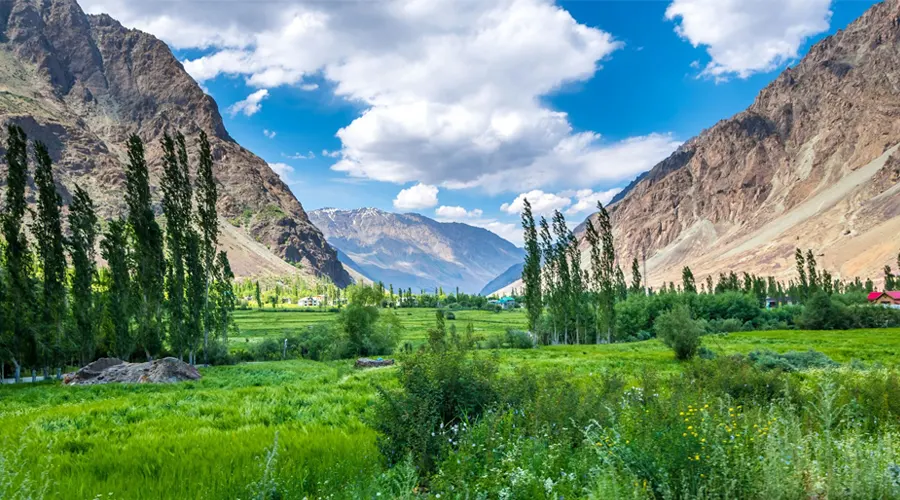
After breakfast, begin your scenic drive along the Indus River Valley towards Stakna Monastery, about 25 km from Leh. The drive itself is mesmerizing, with snow-capped mountains and lush riverbanks accompanying you all the way to Stakna Village.
At Stakna Monastery, explore the rock-perched monastery, assembly hall, silver Chorten, and murals of Padmasambhava. Spend some quiet moments in meditation or interact with the resident monks. From the monastery’s courtyard, enjoy a spectacular panoramic view of the Indus Valley and other monasteries like Hemis and Thiksey across the river.
After your visit, continue your monastery trail by exploring:
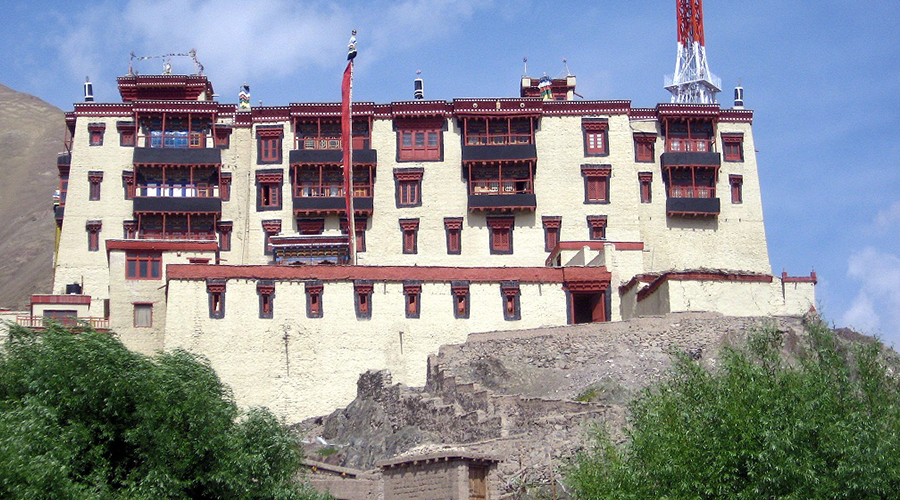
- Thiksey Monastery – Known for its 12-story structure and grand Maitreya Buddha statue.
- Shey Palace and Monastery – Once the summer capital of Ladakh, known for its giant copper Buddha statue.
- Hemis Monastery – The largest and richest monastery in Ladakh, famous for its annual Hemis Festival.
Return to Leh by evening and enjoy a cozy dinner at your hotel or a local cafe.
Day 3 – Local Sightseeing & Departure
If time permits before your departure, visit Spituk Monastery near Leh Airport or shop for Tibetan handicrafts and woolen souvenirs at the local bazaar. Conclude your trip with beautiful memories of Ladakh’s monasteries and the peaceful spiritual experience at Stakna Monastery.
Travel Tip: For photography enthusiasts, visit Stakna during early morning or late afternoon to capture the golden hues reflecting off the Indus River with the monastery in the background, a perfect frame of Ladakh’s serene beauty.
Nearby Attractions to Stakna Monastery, Leh Ladakh
Exploring Stakna Monastery offers the perfect opportunity to visit several nearby spiritual and scenic sites located along the Indus River Valley. Here are some of the must-visit attractions near Stakna:
Thiksey Monastery (10 km away)
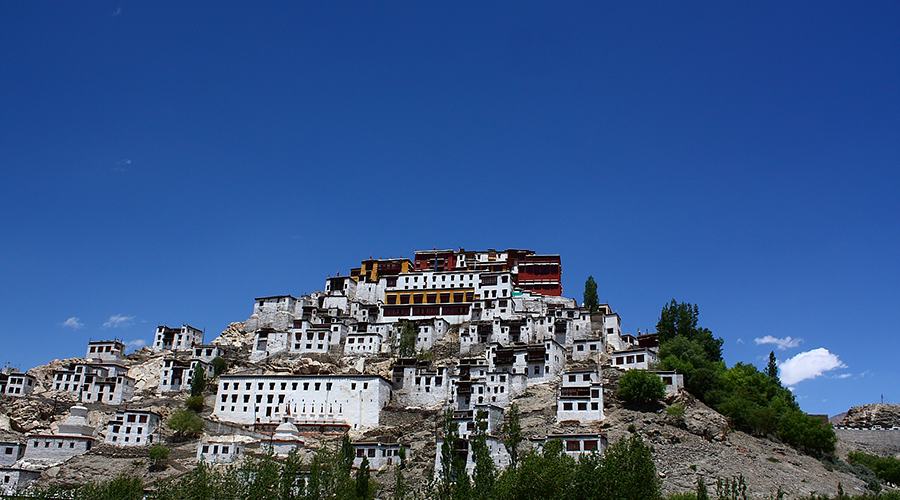
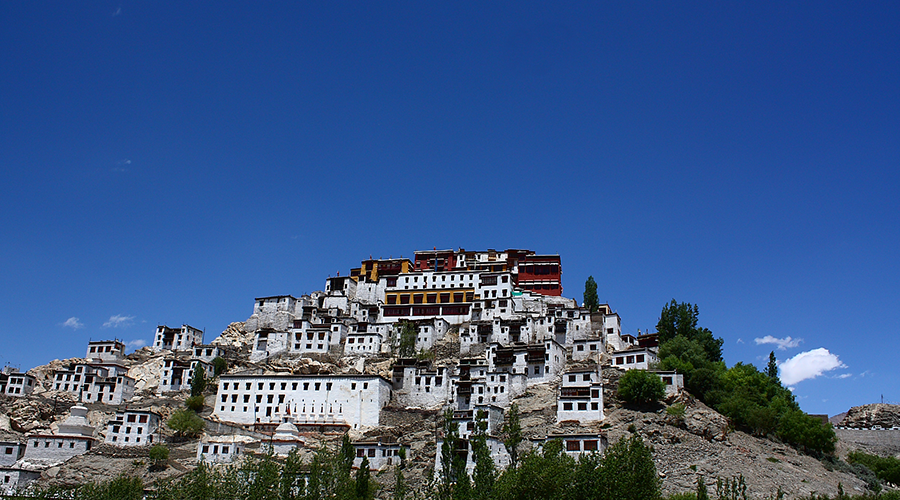
One of the most iconic monasteries in Ladakh, Thiksey Monastery is just a short drive from Stakna. Built on a hilltop, it resembles the Potala Palace of Lhasa in Tibet. The monastery is home to a 15-meter-tall statue of Maitreya Buddha, ancient scriptures, thangkas, and colorful murals. The panoramic view of the Indus Valley from the top is breathtaking.
Hemis Monastery (20 km away)
Located on the western bank of the Indus River, Hemis Monastery is the largest and richest monastery in Ladakh. Belonging to the Drukpa lineage, it is renowned for the grand Hemis Festival held annually in honor of Guru Padmasambhava. The monastery houses a rich collection of ancient relics, gold statues, and sacred thangkas.
Shey Palace and Monastery (15 km away)
Once the summer capital of Ladakh’s royal family, Shey Palace stands as a symbol of Ladakh’s regal history. The monastery here is famous for its 12-meter-tall gilded copper statue of Shakyamuni Buddha, one of the largest in Ladakh. The view of the Indus plains from Shey Palace is equally captivating.
Stok Palace and Museum (25 km away)
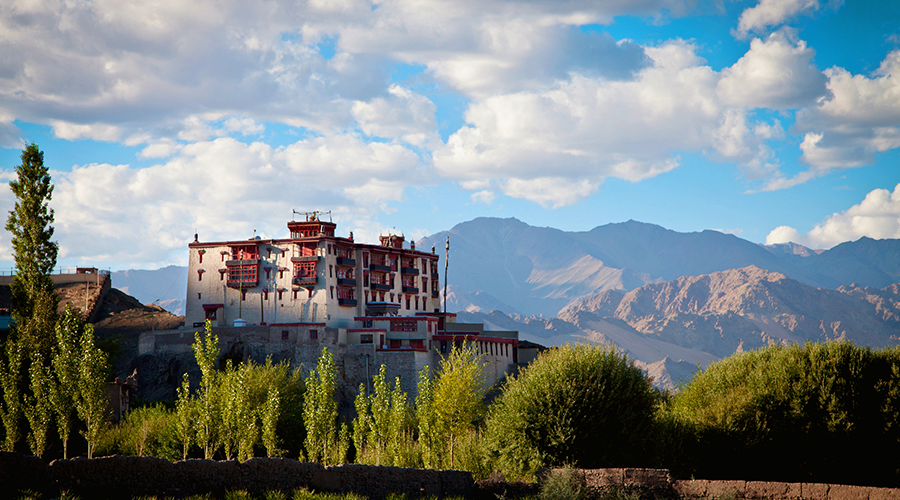
The Stok Palace, home to the descendants of the Namgyal dynasty, is a blend of history and culture. The museum inside the palace displays royal artifacts, ancient weapons, crowns, and traditional clothing. Visitors can also enjoy authentic Ladakhi cuisine at the palace cafe.
Indus River Viewpoint
Just a short distance from Stakna, the Indus River Viewpoint offers stunning vistas of the river meandering through the Ladakhi mountains. It’s an ideal spot for photography, especially during sunrise or sunset when the water reflects the golden hues of the Himalayas.
Sakti Village
The quiet Sakti Village, where Stakna Monastery is located, offers a glimpse of authentic Ladakhi life. Walk through traditional homes, interact with locals, and experience the region’s serene rural charm. It’s also a great place for short hikes and birdwatching.
Best Time to Visit
The ideal time to visit Stakna Monastery is between May and September, when the weather is pleasant and roads remain open. During this period, you can witness the monastery’s natural surroundings in full bloom and enjoy unobstructed views of the Indus Valley.
Avoid visiting in winter (November–March) as the area becomes extremely cold and travel routes may be restricted due to snow.
Travel Tips
- Respect the monastery rules, photography might be restricted inside prayer halls.
- Carry warm clothing even in summer, as the weather in Ladakh changes rapidly.
- Combine your visit with nearby monasteries like Hemis, Thiksey, and Shey for a full-day monastery circuit.
- Always stay hydrated and take rest breaks to avoid altitude sickness.
Quick Facts about Stakna Monastery, Leh Ladakh
| Particulars | Details |
|---|---|
| Location | Sakti – Stakna Village, Leh district, Ladakh |
| Altitude | Approx. 3,400 meters above sea level |
| Founded By | Chosje Jamyang Palkar (Bhutanese saint) |
| Founded In | 16th century |
| Sect | Drugpa (Drukpa) Sect of Tibetan Buddhism |
| Distance from Leh | 25 km |
| Resident Monks | Around 30 |
| Main Attraction | Silver Chorten and panoramic Indus Valley view |
How to Reach Stakna Monastery, Ladakh
- By Air: The nearest airport is Kushok Bakula Rimpochee Airport (Leh), about 25 km away.
- By Road: Stakna can be easily reached via Leh–Manali Highway. Taxis, rented bikes, or private vehicles are available from Leh city.
- By Bus: Local buses occasionally run from Leh to nearby villages, but private transport is recommended for convenience.
Stakna Monastery, with its tranquil setting, spiritual significance, and stunning views of the Indus River, is a true hidden gem of Leh Ladakh. Away from the usual tourist crowds, this hilltop monastery invites visitors to experience peace, devotion, and the timeless beauty of Buddhist architecture. Whether you’re on a monastery circuit or exploring offbeat trails, Stakna Monastery promises a serene and soul-stirring experience amidst the mighty Himalayas.