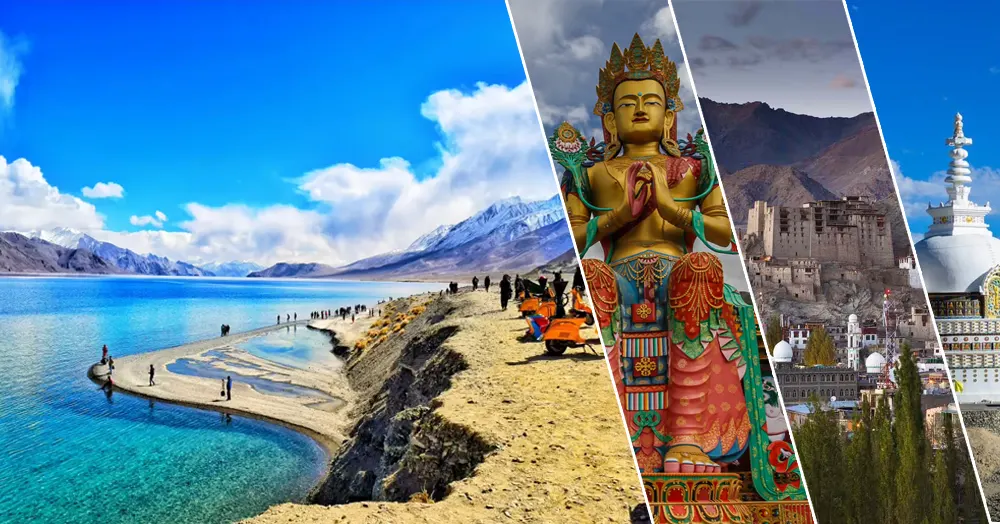
Changthang Wildlife Sanctuary, Ladakh
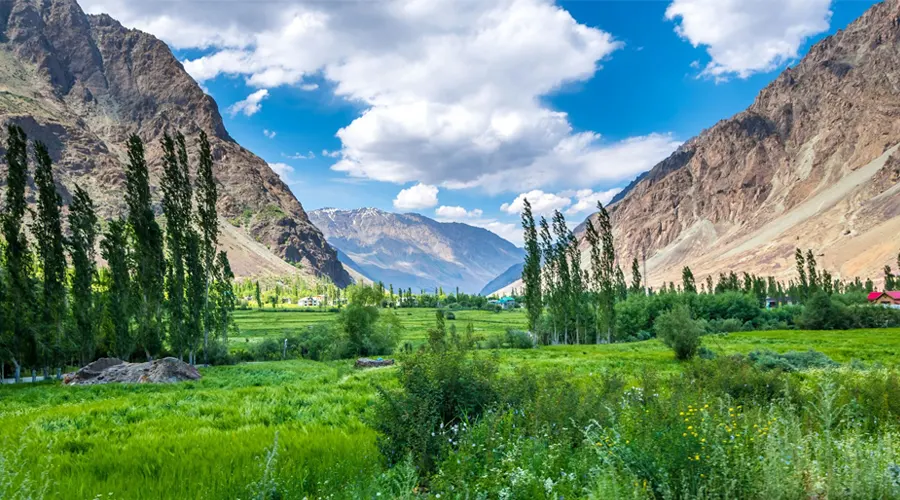
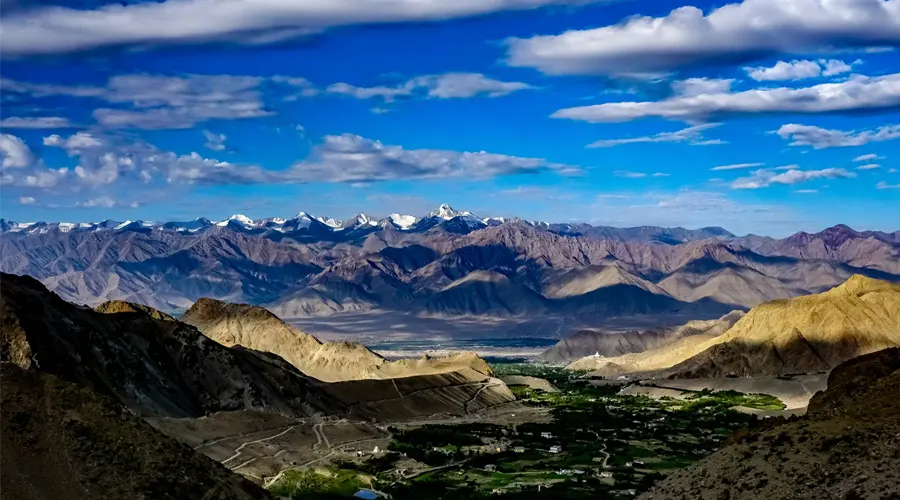
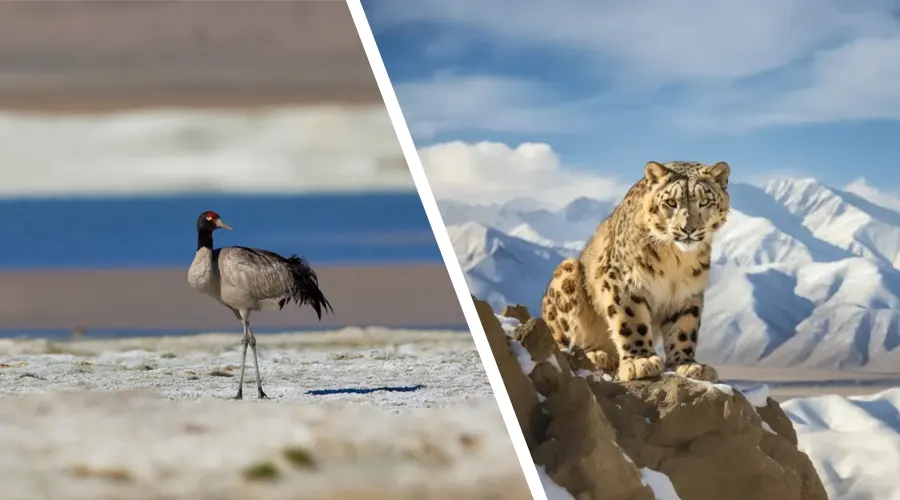
The Changthang Wildlife Sanctuary is one of India’s most stunning high-altitude sanctuaries, located in the remote Changthang plateau of Ladakh. Spread across vast cold deserts, crystal-blue lakes, rolling grasslands, and rugged mountains, this sanctuary is home to rare Himalayan wildlife like the Kiang (Tibetan Wild Ass), Snow Leopard, Black-necked Crane, Tibetan Antelope (Chiru), and many migratory birds.
It is also the land of the Changpa nomads, known for their Pashmina goat herding.
Perfect for wildlife enthusiasts, photographers, adventure travellers, and nature lovers, Changthang offers unforgettable landscapes and raw Himalayan wilderness.
Wildlife of Changthang
Here are the major animals you can spot:
- Kiang (Tibetan Wild Ass) – most famous animal of Changthang
- Snow Leopard – elusive predator of the mountains
- Tibetan Antelope (Chiru)
- Tibetan Wolf
- Blue Sheep (Bharal)
- Himalayan Marmot
- Pashmina Goats (reared by Changpa nomads)
Birdlife in Changthang
The region is a major habitat for high-altitude and migratory birds:
- Black-necked Crane
- Bar-headed Goose
- Brown-headed Gull
- Tibetan Snowcock
- Ruddy Shelduck
- Golden Eagle
Many birds breed near lakes like Tso Moriri, Tso Kar, and Pangong Tso.
Lakes Inside the Sanctuary
Some of Ladakh’s most beautiful lakes lie inside the sanctuary:
- Tso Moriri Lake
- Tso Kar Lake (Ramsar Site)
- Kyagar Tso
- Yaye Tso
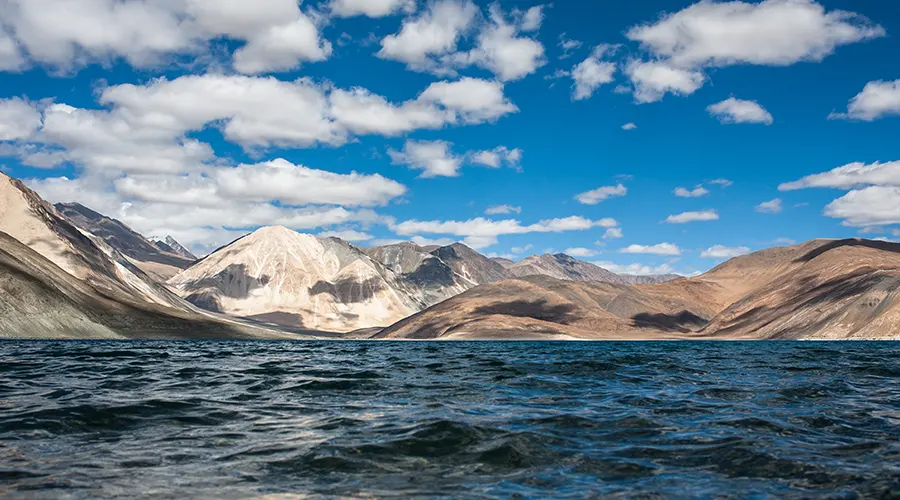
- Pangong Tso (partially)
These lakes support wetlands, rare birds, and unique high-altitude ecosystems.
History of Changthang Wildlife Sanctuary
The Changthang Wildlife Sanctuary was established in 1987 to protect the fragile high-altitude ecosystem of the Changthang Plateau, an extension of the Tibetan Plateau. This region has traditionally been home to the Changpa nomads and rare Himalayan wildlife that survive in one of the harshest climates on earth.
The sanctuary was declared to conserve endangered species such as the Kiang, Tibetan Antelope (Chiru), Snow Leopard, and high-altitude wetland birds, especially the Black-necked Crane.
Over the years, Changthang has become one of India’s most important cold-desert biodiversity zones, recognized globally for its rare wildlife, brackish lakes, and nomadic culture.
Key Historical Highlights
Ancient Nomadic Heritage
- The region has been inhabited for centuries by the Changpa nomads, known for rearing Pashmina goats.
- Their traditional lifestyle shaped the cultural identity of Changthang.
Tibetan Influence
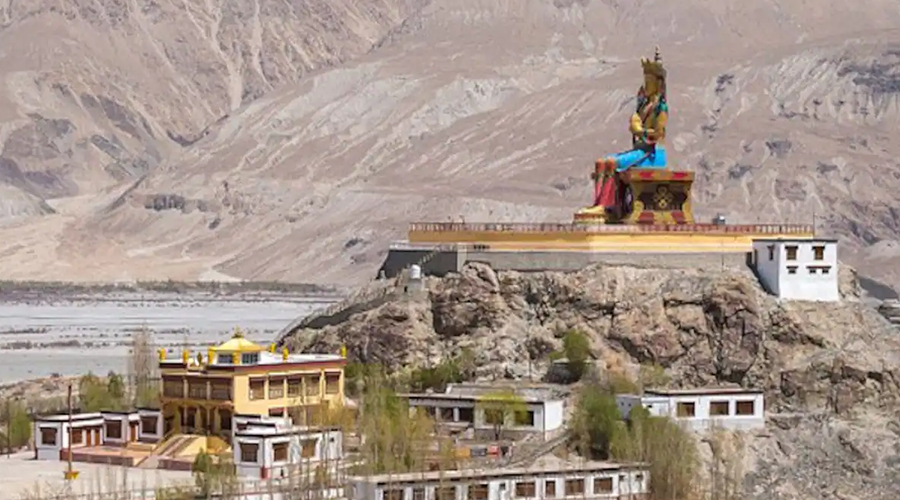
- Changthang is geographically and culturally linked to the Tibetan Plateau, influencing its monasteries, architecture, and Buddhist traditions.
1987 – Official Sanctuary Declaration
- The Government of India declared Changthang a Wildlife Sanctuary to protect endangered species and high-altitude wetlands.
Conservation of Rare Species
- Sanctuary was crucial for saving the Kiang (Tibetan Wild Ass) and Chiru, whose population was declining due to poaching for Shahtoosh wool.
Protection of High-Altitude Wetlands
- Lakes like Tso Moriri and Tso Kar became major conservation zones due to their importance as breeding sites for migratory birds like the Black-necked Crane.
Global Recognition
- Changthang is now considered one of the largest and most biodiverse cold desert protected areas in the world.
- Tso Moriri and Tso Kar were later recognized as Ramsar wetland sites, enhancing international conservation attention.
Restricted & Protected Border Region
- Due to its proximity to the India–China border, the area remains strategically sensitive and environmentally protected, allowing wildlife to thrive with minimal human interference.
Things to Do in Changthang Wildlife Sanctuary
- Wildlife photography
- Birdwatching
- Visiting Changpa nomadic settlements
- Exploring high-altitude lakes (Tso Moriri, Tso Kar, Pangong)
- Camping around designated areas
- Experiencing Ladakhi culture
- Stargazing – incredibly clear skies
Suggested Itinerary
Day 1 – Leh to Tso Moriri (Changthang Sanctuary Entry)
- Drive via Karu – Chumathang – Mahe Bridge
- Explore Tso Moriri Lake, birdlife & Korzok village
- Overnight stay near Tso Moriri
Day 2 – Tso Moriri to Tso Kar / Nomad Villages
- Visit Changpa nomadic settlements
- Explore Tso Kar Lake, a birding paradise
- Spot Kiang and marmots on the open plains
- Stay near Tso Kar or return to Leh
Optional Day 3 – Pangong Tso Extension
- Continue towards Pangong Tso via high-altitude passes
- Enjoy dramatic landscapes and blue water contrasts
- Return to Leh or stay overnight at Pangong
Travel Tips for Changthang Wildlife Sanctuary
- Inner Line Permit (ILP) is mandatory
- Acclimatize in Leh for 2 days before visiting
- Carry cash, as there are no ATMs in the region
- Fuel up in Leh or Karu (no pumps inside Changthang)
- Pack warm clothes – temperatures drop drastically
- Respect wildlife and avoid disturbing nesting birds
- Drone flying is prohibited without permission
- Stay only in designated camps/homestays
Nearby Attractions
- Tso Moriri Lake – pristine high-altitude lake
- Tso Kar Lake – Ramsar wetland
- Pangong Tso – turquoise world-famous lake
- Korzok Monastery
- Changpa Nomad Camps
- Hanle (Dark Sky Reserve & Monastery)
Quick Facts – Changthang Wildlife Sanctuary
| Category | Details |
|---|---|
| Location | Changthang Plateau, Eastern Ladakh |
| District | Leh District |
| Altitude | 4,500–5,500 meters |
| Established | 1987 |
| Area | ~4,000 sq. km |
| Famous For | Kiang, Snow Leopard, Pashmina goats, high-altitude lakes |
| Best Time to Visit | May to September |
| Nearest Town | Nyoma / Leh |
| Entry Fee | No specific entry fee; ILP required |
| Permit Required | Inner Line Permit (ILP) mandatory |
Location & District
Changthang Wildlife Sanctuary lies in the Leh district of Ladakh.
It covers a massive portion of the Changthang plateau, stretching close to the India–China border region.
How to Reach Changthang Wildlife Sanctuary
By Road (From Leh)
- Leh → Karu → Chumathang → Nyoma → Mahe Bridge → Changthang
- Distance: ~200–250 km depending on lake/area
- Time: 6–9 hours
Nearest Airport
- Kushok Bakula Rimpochee Airport, Leh (IXL)
Transport
- Private taxi
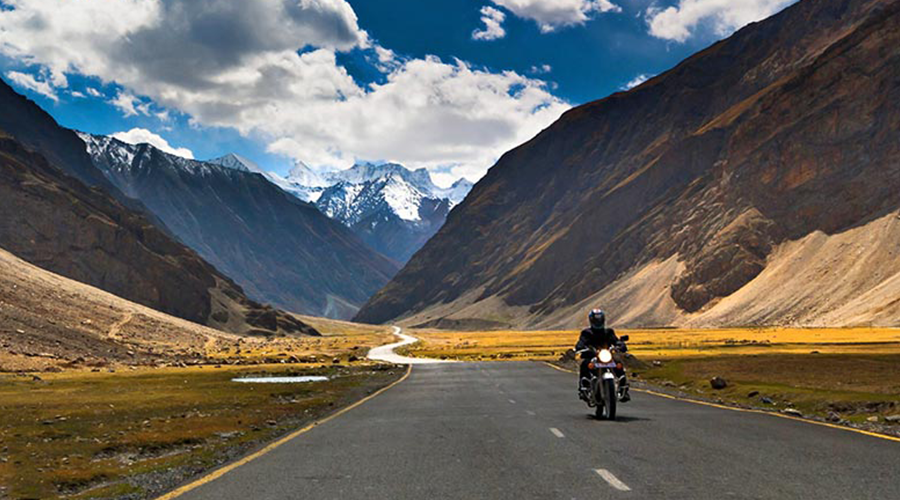
- Bike (Royal Enfield)
- No local buses to the inner sanctuary region
- Shared taxis run occasionally to Nyoma / Korzok
Changthang Wildlife Sanctuary is a spectacular high-altitude biosphere where rare wildlife, pristine lakes, and the unique Changpa nomadic lifestyle create a once-in-a-lifetime experience. Ideal for nature lovers and explorers, this remote sanctuary offers unmatched beauty and Himalayan wilderness.