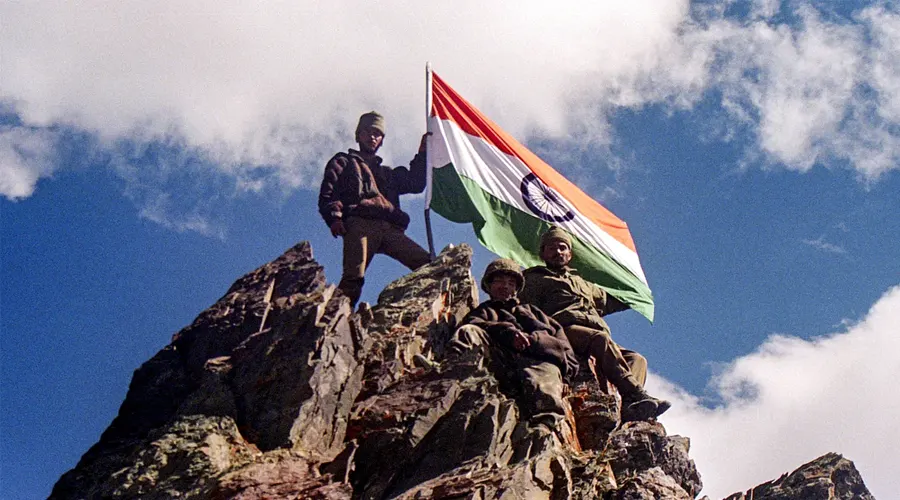
Tiger Hill Kargil, Leh Ladakh
Tiger Hill in Kargil, Ladakh, is one of the most significant landmarks in India’s military history. Standing tall at 5,307 meters, it overlooks the entire Drass–Kargil sector and gained national importance during the 1999 Kargil War, when it became the center of a fierce battle between the Indian Army and infiltrators.
Today, it is visited by travelers, patriots, bikers, and history enthusiasts who wish to pay tribute to the heroes who reclaimed this strategic peak. Located close to Drass town, the area offers breathtaking Himalayan scenery paired with a deep sense of pride and emotion.
History of Tiger Hill Kargil, Leh Ladakh
Tiger Hill shot into prominence during the Kargil War of 1999 when enemy forces occupied this peak due to its commanding position along the National Highway 1D (NH-1). From here, infiltrators could monitor troop movements, supply routes, and the entire valley. Recapturing Tiger Hill became crucial for India’s military strategy.
The Indian Army launched one of the most daring high-altitude assaults in history. Soldiers from units like 18 Grenadiers, 8 Sikh, and 56 Mountain Brigade undertook a challenging climb through snow-covered cliffs under hostile conditions. After days of heavy fighting, Tiger Hill was finally recaptured on 4 July 1999, marking a turning point in the war. The victory became a symbol of India’s courage, determination, and sacrifice.
Today, Tiger Hill stands as a proud emblem of national valor and is often visited as part of the Drass–Kargil war remembrance tours.
Geography & Landscape
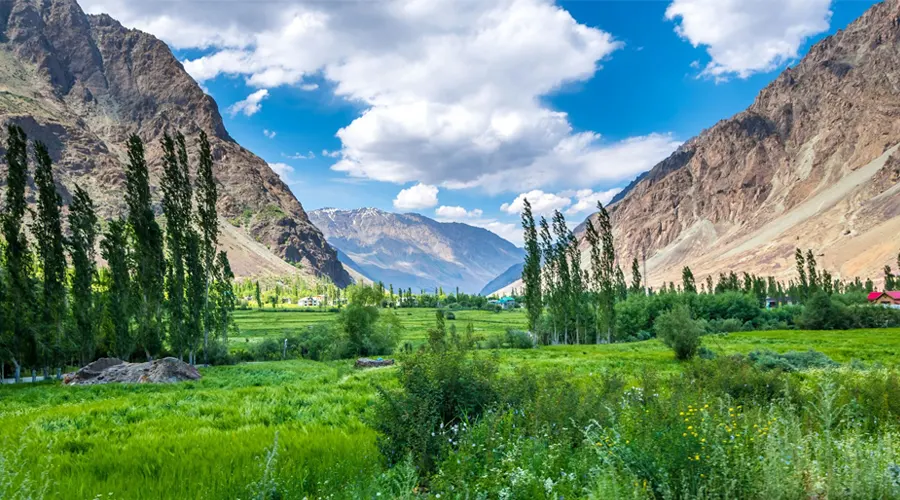
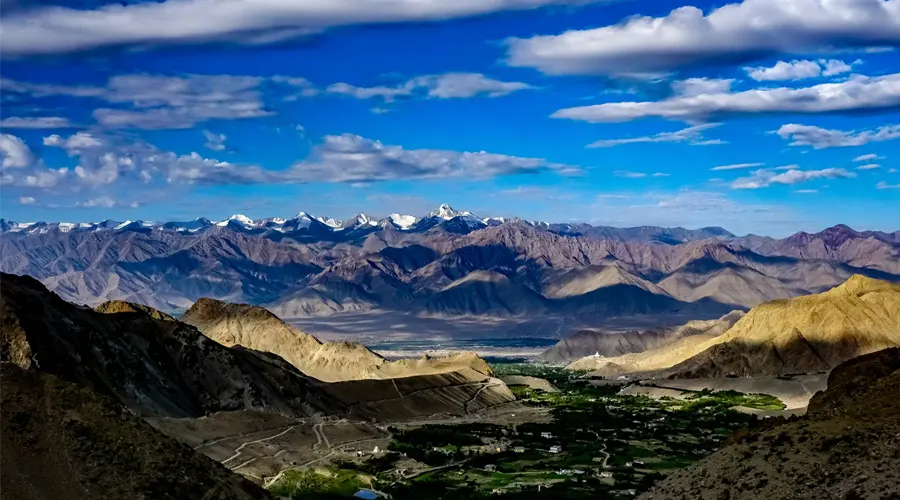
Tiger Hill is located in the Drass Valley, one of the coldest inhabited places in the world. The peak rises sharply above the surrounding terrain and offers panoramic views of:
- Drass town and valley
- NH-1 (Srinagar–Kargil–Leh Highway)
- Tololing Range
- Snow-laden Himalayan summits
- Kargil war zones and memorial areas
Though the summit itself is not open for civilian trekking due to security reasons, visitors can view Tiger Hill from designated war-viewpoints along NH-1.
Best Time to Visit Tiger Hill
The best time to visit Tiger Hill is May to September, when the weather is clear for viewing the peak.
- Summer (May–July): Ideal visibility, pleasant temperature.
- Monsoon (August): Mild showers, but roads remain accessible.
- Autumn (September–October): Crisp views but colder winds.
- Winter (Nov–April): Heavy snowfall; route may close temporarily.
Things to Do Near Tiger Hill
Although direct access to the peak is restricted, tourists can enjoy:
1. View Tiger Hill from NH-1 War Points: Official viewpoints offer clear visibility of the peak.
2. Visit Drass War Memorial: A must-visit site honoring soldiers who sacrificed their lives in the Kargil War.
3. Explore Drass Valley: Known as “India’s Coldest Inhabited Place,” offering raw Himalayan beauty.
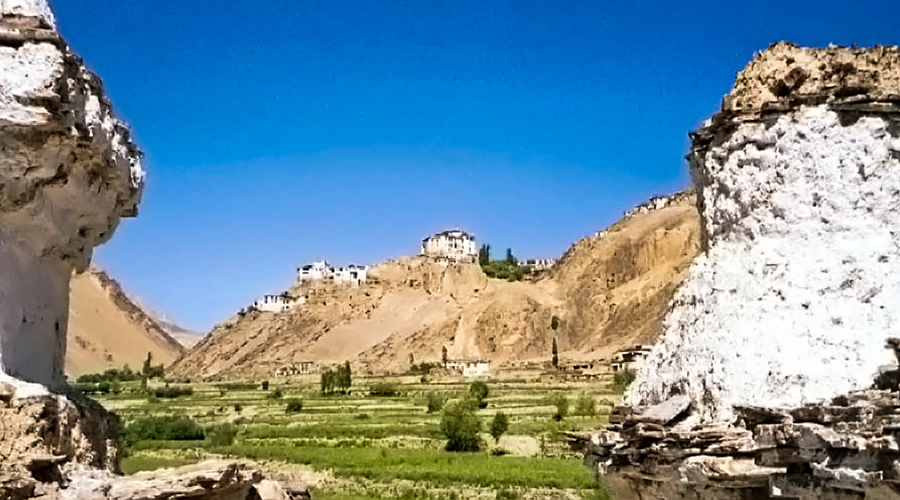
4. Visit Nearby Monasteries & Villages: Mulbekh Monastery, Shargole Monastery, and Hunderman Village are popular.
5. Photography & Scenic Stops: Capture sweeping vistas of rugged mountains and war-history landscapes.
Nearby Attractions - Tiger Hill Kargil, Ladakh
| Attraction | Description |
|---|---|
| Drass War Memorial | Iconic memorial built to honor the martyrs of the 1999 Kargil War. |
| Drass Valley | One of the coldest inhabited places, offering breathtaking high-altitude scenery. |
| Kargil Town | A historic Ladakhi town known for markets, food, and cultural experiences. |
| Suru Valley | A lush green valley surrounded by Nun-Kun peaks. |
| Mulbekh Monastery | Ancient cliff-carved Maitreya Buddha statue on the Kargil–Leh highway. |
| Shargole Monastery | Unique cliff-side monastery perched dramatically above the valley. |
| Hunderman Border Village | Last village near the LOC with a war-heritage museum. |
Travel Tips
- Carry warm clothes even in summer; Drass remains cold year-round.
- Check road conditions before travel, especially in early summer and late autumn.
- Photography of military areas is restricted—follow instructions.
- Acclimatize properly if coming from Srinagar or Leh.
- Stay hydrated and avoid overexertion at high altitude.
- Combine Tiger Hill visit with Drass War Memorial for a complete war-history experience.
Quick Facts about Tiger Hill Kargil, Leh Ladakh
| Category | Details |
|---|---|
| Location | Drass Valley, Kargil District, Ladakh |
| Altitude | 5,307 meters |
| Famous For | Strategic peak in the 1999 Kargil War |
| Best Time to Visit | May to September |
| Nearest Town | Drass (8–10 km) |
| Can Tourists Visit the Peak? | No, only viewing from NH-1 |
| Nearest Airport | Leh Airport (215 km) |
| District | Kargil |
How to Reach Tiger Hill
By Road
Tiger Hill can be viewed from the highway while traveling between Drass and Kargil.
- From Drass: ~8–10 km
- From Kargil: ~35 km
- From Leh: ~215 km
- From Srinagar: ~150 km
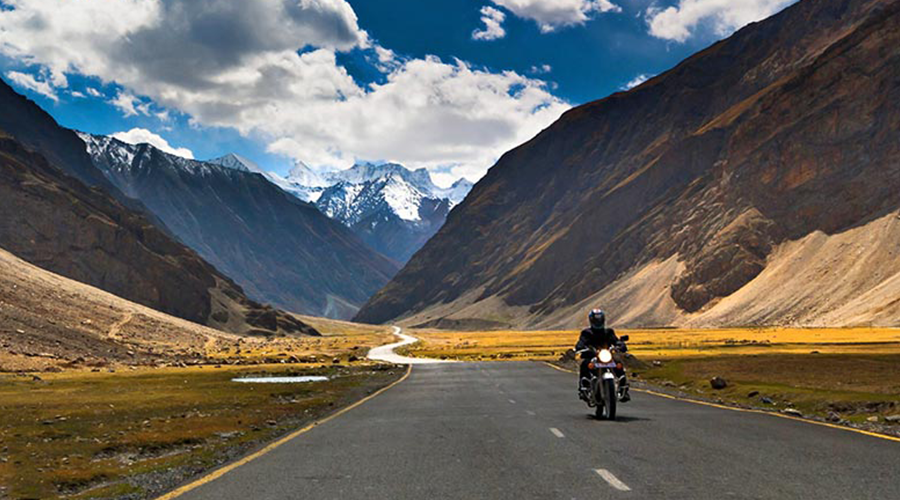
Regular taxis, buses, and bikes travel on NH-1, making it accessible for tourists.
By Air
- Nearest Airport: Kushok Bakula Rimpochee Airport, Leh (215 km)
- Srinagar Airport (150 km) is an alternative during summer.
By Rail
- No direct railway station nearby. Jammu Tawi is the nearest major railhead.
Tiger Hill isn’t just a mountain, it is a symbol of India's bravery and a reminder of the sacrifices made during the Kargil War. A visit to the Drass–Kargil region feels incomplete without stopping to witness this iconic peak